




- Home/
- Women In Stitching: Crafting Careers Through USHA Silai School
Women In Stitching: Crafting Careers Through USHA Silai School
Team NDTV | Updated: February 03, 2026 11:53 IST
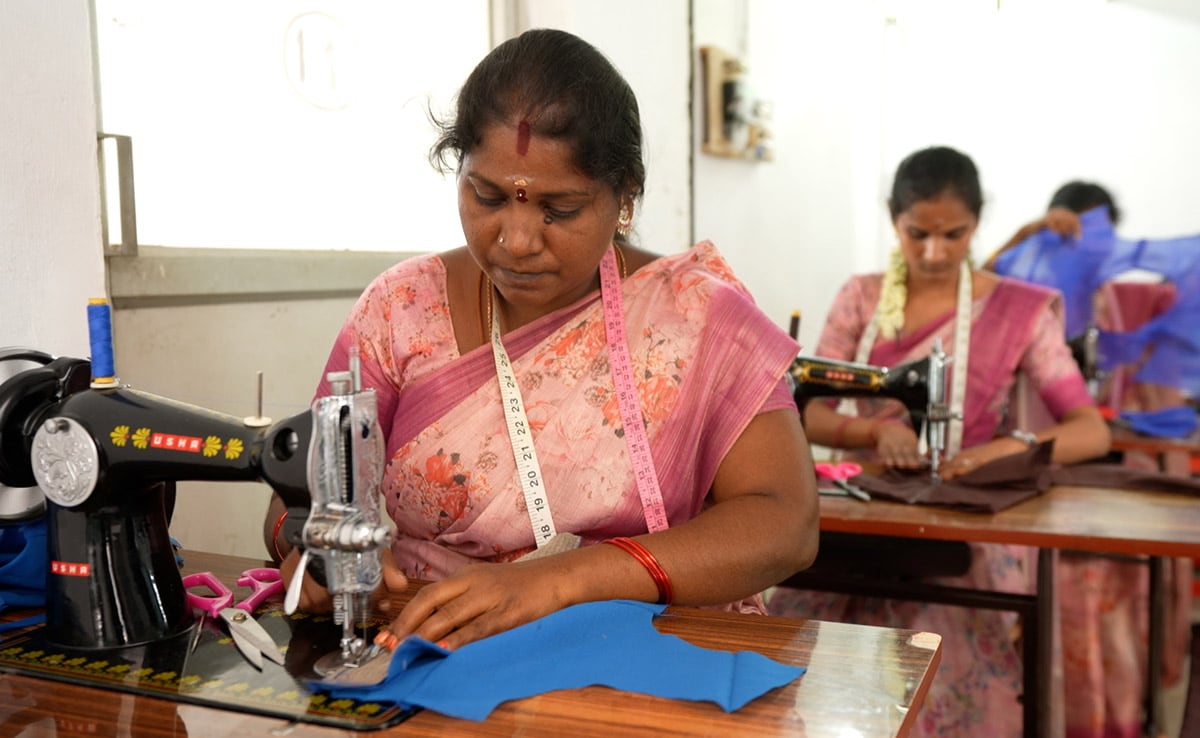
Nestled in the heart of Ramanathapuram, Tamil Nadu, USHA's mini Training cum Production Center stands as a beacon of hope and empowerment for local women. Over the years, USHA has not only provided training but has fundamentally changed the lives of many, including Lakshmi—a woman whose story is a testament to the transformative power of skill development and hard work.
Lakshmi - a participant turned entrepreneur, shares,
"I learned about the USHA training program through a friend and attended it. The instructors taught me very well. I have established a tailoring center. Our Ramanathapuram district is very poor, and women here struggle to earn a living. My main aim is to provide employment to these women. To achieve this, I plan to take school uniform orders on a larger scale."
Mamata Devi's Journey From Grief To Growth In Rural India
Before USHA's program, she had some basic tailoring skills. However, the training equipped her with new techniques, allowing her to coach others. Lakshmi's path changed dramatically when she opened her own Silai School after undergoing USHA's training. With dreams of expanding her micro-enterprise, she received motivational support and the capacity to purchase a commercial sewing machine, leading to significant changes in her life.
Lakshmi said,
"My daughter helps me a lot. After completing her studies, she wants to take over this business. In our area, parents trust me to teach their daughters tailoring. I want to expand my business further."
USHA's Silai School is more than just a training center; it's a nurturing ground for dreams. Lakshmi was not alone on her journey; she received constant support and mentorship from the USHA team. Their efforts have played an instrumental role in the success of countless rural women across India.
Through USHA's Silai School, women like Lakshmi have gained more than just technical skills—they've achieved financial independence. Many women were able to purchase sewing machines with generous concessions, allowing them to scale their businesses. Thanks to USHA's guidance, Lakshmi transformed her financial struggles into a story of triumph, empowering others along the way.
The center also fosters collective entrepreneurship. Women collaborate to handle various responsibilities such as sourcing materials, marketing, quality control, and training others. This teamwork ensures the center remains self-sustaining.
Stitching Together A Revolutionary Narrative: Uplifting Women In Rural India
Lakshmi further added,
"I earn a good amount from tailoring, approximately ₹30,000 monthly. I also earn money through other training programs.Government institutions and NGOs call me to conduct training sessions. I conduct four or more such training sessions every year."
The impact of USHA Silai Schools extends far beyond sewing. Women like Lakshmi, Gitaben, Lilaben, and Mamata, empowered by their training, have opened their own centers and are bringing skilled self-reliance to their communities. When women come together to learn and work collaboratively, they generate empowerment that can uplift entire societies, paving the way for a brighter future for our country.
Published: March 11, 2025 10:52 IST
also read
Global Emissions Cut During COVID Lockdown May Not Last Long, Warn Scientists
ANIImportant To Implement Environmental Rules To Sustain Gains Of Lockdown: Union Environment Minister Prakash Javadekar
PTIMumbai Based Green Champion Is Striving To Make The City The Cycling Capital By 2030
Reported by Ambika Singh Kahma

Since the lockdown began, nature has been given a rest and it has never looked more beautiful.
Our air is cleaner than it has been for years, our skies are blue and clear. We need to maintain this change.
NDTV and Hero Cycles have joined hands and initiated a campaign #TheCycleOfChange with a motive to keep these environmental gains from slipping away once the lockdown is lifted.
The campaign aims to provide a platform to discuss life after lockdown, as the lockdown may lift, but the virus will stay with each one of us for a long time. So, how do we best work with our lockdown habits, which are becoming the new normal?
How do we keep these environmental gains from slipping away completely?