


- Home/
- Air Pollution Could Be Linked With Increased Migraine Activity, Finds Study
Air Pollution Could Be Linked With Increased Migraine Activity, Finds Study
| Updated: April 16, 2026 18:52 IST
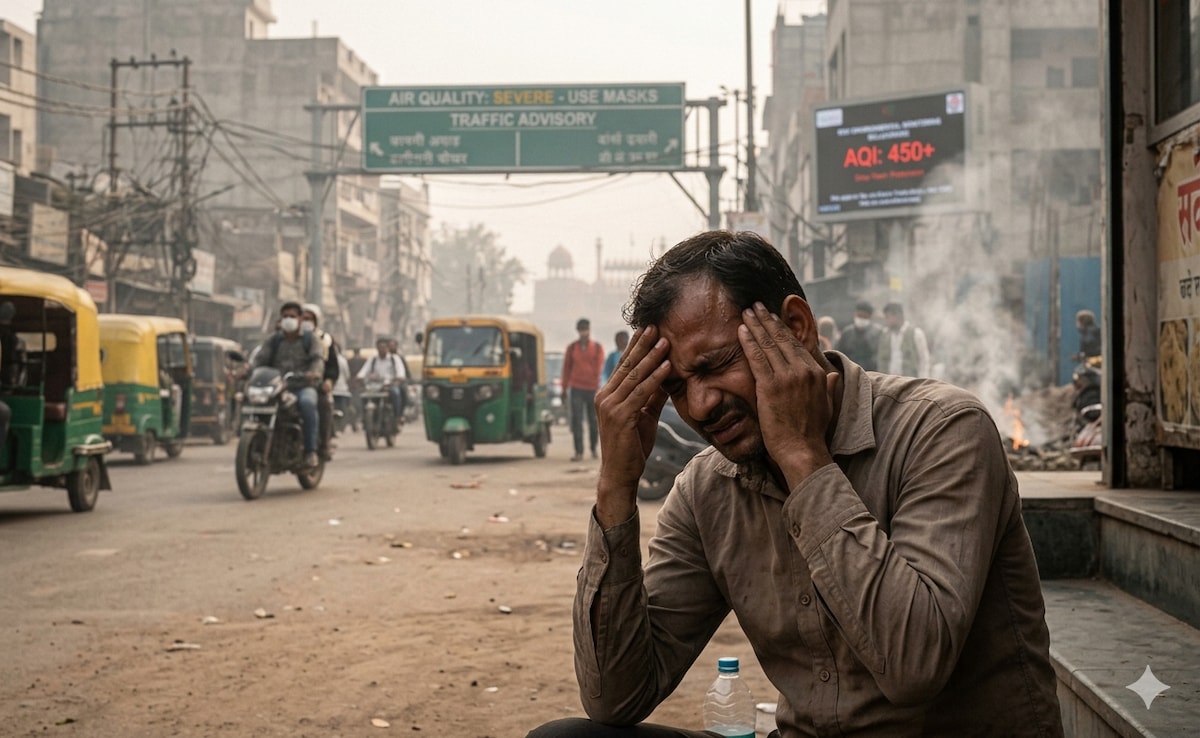
Migraines can be caused due to a rise in air pollution
Highlights
- Exposure to air pollution is linked to increased migraine activity, states a new study
- Both short-term and cumulative pollution exposures raise migraine risk in susceptible people
- Heat and humidity also influence migraine attacks, modifying and amplifying pollution effects
Exposure to air pollution could be associated with an increased migraine activity, according to a study. Both a short-term and cumulative exposure to air pollution were tied to increased migraine activity, as were climate factors such as heat and humidity, findings published in the journal Neurology suggest. "These results help us to better understand how and when migraine attacks occur," author Ido Peles, of Ben-Gurion University of the Negev in Be'er Sheva, Israel, said. "They suggest that for people who have a susceptibility to migraine to begin with, environmental factors may play two roles: intermediate-term factors such as heat and humidity may modify the risk for attacks, while short-term factors such as spikes in pollution levels may trigger attacks," Peles said.
Over 7,000 people with a migraine problem who lived in Be'er Sheva in the Negev desert were followed for an average of 10 years.
Researchers looked at the participants' daily exposure to air pollution from traffic, industry and dust storms, and weather conditions.
How often and when people visited the hospital or a primary care office with an acute migraine were analysed and compared to the pollution and weather conditions on that day and up to seven days earlier -- pollution effects may take a few days to affect the body, the team said.
The day with the highest number of hospital or clinic visits was noted to have elevated levels of air pollution, compared to the average over the study period -- PM10, including dust particles, was 119.9 microns per cubic metre, compared to an average of 57.9 microns per cubic metre during the study.
PM2.5 levels were 27.3 microns per cubic metre, compared to an average of 22.3 microns per cubic metre during the study. Participants having a cumulative exposure to high levels of PM2.5 were nine per cent more likely to have high use of migraine drugs, the researchers found.
Level of nitrogen dioxide (NO2), a gas released mostly from traffic emissions, was 11.2 parts per billion, compared to an average of 8.7 parts per billion. People with a cumulative exposure to high levels of NO2 were found to be 10 per cent more likely to have high use of migraine drugs, compared to those without.
The day with the fewest visits to the hospital or clinic also had lower than average pollution levels, the researchers said.
Further, climate conditions were found to amplify the effects of pollutants.
High temperatures and low humidity were found to amplify the effects of NO2, while cold and humid conditions intensified the effects of PM2.5.
"These findings highlight opportunities for anticipating what care will be needed," Peles said.
"As climate change intensifies the frequency of heat waves, dust storms and pollution episodes, we will need to integrate these environmental risk factors into our guidance for people with migraine," the author said.
"When high-risk exposure periods are in the forecast, doctors can advise people to limit their outdoor activity and use air filters, take short-term preventative medications and start using their migraine drugs at the first sign of a problem to ward off attacks," Peles said.
(Except for the headline, this story has not been edited by NDTV staff and is published from a syndicated feed.)
Published: April 16, 2026 18:06 IST
also read
 Edited by Nikhil Pandey | Friday June 19, 2026
An unprecedented Ukrainian drone strike on a major Moscow oil refinery has caused a bizarre environmental crisis, with oily "black rain" falling over parts of the Russian capital.
- Written by Dr Anindita Singh | Monday June 15, 2026
From a clinical point of view, infertility often develops quietly, without noticeable symptoms, especially in the early stages, and the whole process can look normal from the outside.
- Written by Shreya Goswami | Monday June 15, 2026
Naseeruddin Shah's moving portrayal of a man with dementia in Imtiaz Ali's latest movie highlights the emotional and practical challenges faced by caregivers.
- Written by NDTV Health Desk , Edited by Debosmita Ghosh | Friday June 12, 2026
The nutritionist explains that most people stay indoors, travel in cars, wear sunscreen, and avoid peak sun hours — all of which can prevent the body from producing sufficient vitamin D.
- Written by Dr Aseem Kumar Samar | Friday June 12, 2026
Tobacco-related cancers like oral, throat, and lung are often diagnosed late due to symptom normalization among users.





................................ Advertisement ................................



Blog | Well Done, Delhi. You've Turned Lung Sacrifice Into A Badge Of HonourSaikat Kumar Bose
Monday November 10, 2025Till some years back, Delhiites would ask angry questions to those in power about the capitals annual tryst with toxic air. This has changed. Those in the driving seat dont see the need to answer now.
Opinion | Why Indians Have Just Given Up On Air Pollution CrisisTanushree Ganguly
Friday December 20, 2024While some may argue that people in Delhi are now more aware of air pollution than they were a decade back, my rebuttal would be that awareness does not mean that people are concerned.
Opinion | You Must Outrage Over Filthy Air More Than Once A YearJyoti Pande Lavakare
Tuesday December 10, 2024Delhi welcomed us with monsoon rains and mangos. We were home. Fast forward a couple of years, in the winter of 2012, I found myself in denial about something other parents, mostly expats, were calling toxic air.
Opinion | Delhi's Air Pollution Situation Is Like A Bad MarriageNishtha Gautam
Friday November 22, 2024On a good day, such as today, the AQI reading in Delhi is 407. We are jubilant at the sickly sunshine trickling through the slightly dissipated smog. At least its not 1600.
दिवाली... पराली... सियासी जुगाली!Ashwini kumar
Monday November 18, 2024दिल्ली-एनसीआर में प्रदूषण का समाधान तो आज तक मिला नहीं. हर साल चिंतित होकर हम-आप सांसों की तकलीफ के साथ-साथ दिल और ब्लड प्रेशर के मरीज भी क्यों बनें?


