


- Home/
- Heatwaves And Smog: How The Combination Triggers Asthma, COPD And Breathlessness
Heatwaves And Smog: How The Combination Triggers Asthma, COPD And Breathlessness
Written by Dr Pranay Sai Chandragiri | Updated: May 23, 2026 19:03 IST
Highlights
- Extreme heat worsens air pollution, increasing health risks for respiratory patients
- Heatwaves cause stagnant air, raising pollutants like ozone, PM2.5, and nitrogen dioxide
- Hot, polluted air irritates lungs, triggering asthma and COPD flare-ups and hospital visits
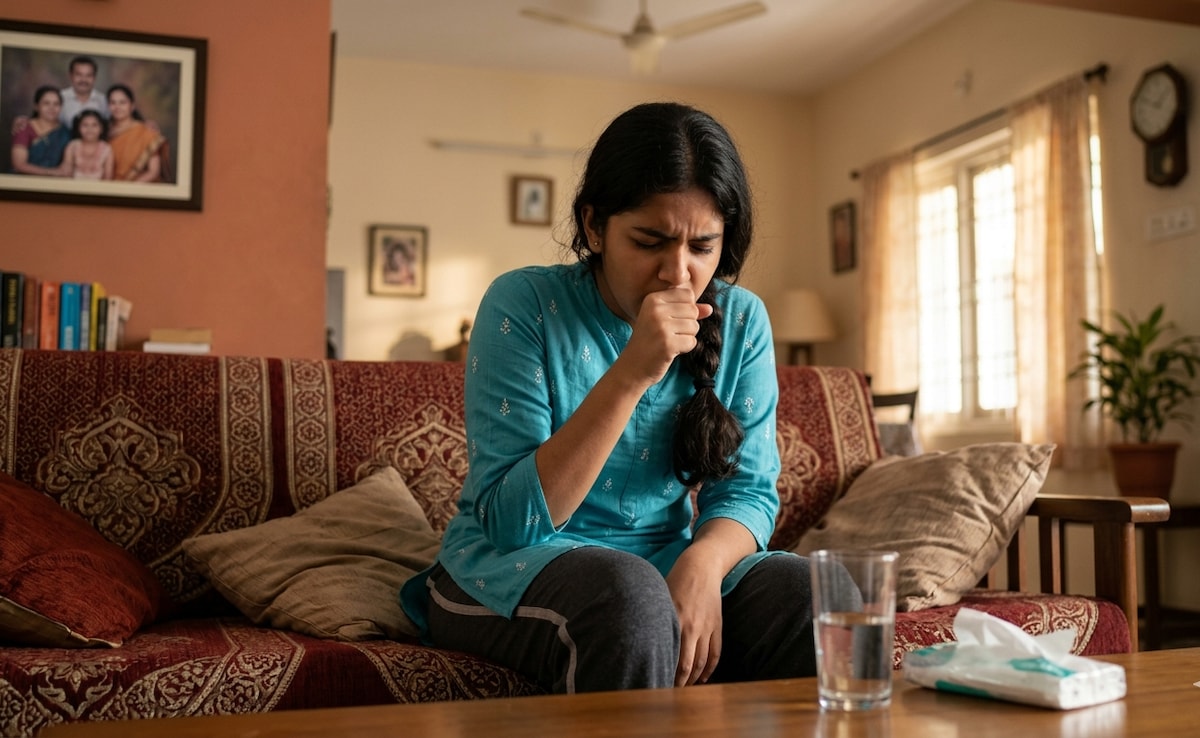
Extreme heat is no longer just a seasonal discomfort. Across many cities, rising temperatures are now worsening air pollution and smog, creating serious health risks, especially for people with asthma, Chronic Obstructive Pulmonary Disease (COPD), allergies, and other respiratory illnesses. Doctors are increasingly warning that heatwaves and polluted air together can become a dangerous "double burden" for the lungs.
Research shows that high temperatures can worsen air pollution, increase ground-level ozone, trap harmful particles in the air, and trigger breathing emergencies. People with existing lung diseases are among the most vulnerable.
Why Heatwaves Make Air Pollution Worse
During heatwaves, the atmosphere often becomes stagnant. Hot air gets closer and closer to the ground, preventing pollutants from dispersing properly. As a result, harmful pollutants such as PM2.5, PM10, nitrogen dioxide, and ozone begin to accumulate in the air.
High temperatures also accelerate chemical reactions between pollutants released from vehicle exhaust, industries, and smoke, increasing the formation of ground-level ozone - one of the major components of smog. This pollutant is highly irritating to the airways and lungs.
In many urban areas, concrete buildings, traffic congestion, lack of greenery, and the "urban heat island effect" further worsen the situation by trapping heat and pollutants for longer durations.
How Hot Polluted Air Affects The Lungs
Breathing already becomes harder during very hot weather because the body uses extra energy to cool itself. When polluted air is added to the mix, the respiratory system comes under even greater stress.
Hot and polluted air can:
- Irritate the airways
- Increase inflammation inside the lungs
- Trigger tightening of airway muscles
- Mucus becomes more viscous
- Reduce oxygen exchange
- Cause coughing, wheezing, and chest tightness
For people with asthma or COPD, these changes can quickly lead to flare-ups, breathing difficulty, or even hospitalisation. Studies have shown that hospital admissions and respiratory deaths increase during periods of high heat combined with poor air quality.
Why Asthma Patients Are More Vulnerable
People with asthma often experience worsening symptoms during heatwaves because heat and smog directly irritate sensitive airways.
Common triggers during extreme heat include:
- Ground-level ozone
- Dust particles
- Smoke
- High humidity
- Pollen
- Vehicle pollution
- Many asthma patients notice increased:
- Wheezing
- Breathlessness
- Chest tightness
- Night-time coughing
- Frequent inhaler use
Children are particularly vulnerable because their lungs are still developing and they breathe faster than adults, increasing exposure to pollutants.
COPD And Heatwaves: A Dangerous Combination
COPD patients are among the highest-risk groups during heatwaves. Their lungs are already damaged and less efficient at handling environmental stress.
When temperatures rise:
- Breathing becomes more demanding
- Oxygen levels may drop
- Airways may constrict
- Fatigue increases rapidly
Research suggests that COPD hospitalisation and mortality rates rise during prolonged heat exposure. Heatwaves can also worsen dehydration, which thickens mucus inside the lungs, making breathing even more difficult.
Smog Can Trigger Delayed Symptoms
One important concern is that the effects of heatwaves and smog are not always immediate. Respiratory symptoms may continue even several days after temperatures return to normal.
People may experience:
- Persistent cough
- Fatigue
- Increased sputum production
- Breathlessness
- Reduced exercise tolerance
- Disturbed sleep
This delayed impact often causes people to underestimate the health risks associated with heat exposure and poor air quality.
Warning Signs That Should Not Be Ignored
Immediate medical attention may be needed if a person develops:
- Severe shortness of breath
- Bluish lips or fingertips
- Chest pain
- Confusion
- Persistent wheezing
- Difficulty speaking due to breathlessness
- High fever with breathing difficulty
- Sudden worsening of asthma or COPD symptoms
Who Is Most At Risk?
Certain groups are more vulnerable during heatwaves and smog episodes:
- Elderly individuals
- Children
- Asthma patients
- COPD patients
- Smokers
- People with heart disease
- Outdoor workers
- Individuals living in crowded urban areas
People who already have reduced lung function may struggle even with short exposure to extreme heat and polluted air.
How To Protect Your Lungs During Heatwaves
Simple precautions can significantly reduce the risk of respiratory complications.
- Stay Indoors During Peak Heat: Avoid going outdoors between 11 AM and 4 PM when temperatures and pollution levels are usually highest.
- Monitor Air Quality: Check daily air quality index (AQI) updates and avoid outdoor activity during poor air quality days.
- Keep Indoor Air Clean: Keep windows closed during periods of high pollution. Use fans, air conditioning, or air purifiers if available.
- Stay Hydrated: Drink adequate water and fluids to prevent dehydration and keep airways moist.
- Avoid Heavy Exercise Outdoors: Intense physical activity during hot weather increases breathing rate and pollutant exposure.
- Continue Regular Medications: Asthma and COPD patients should continue inhalers and prescribed medications regularly. Rescue inhalers should always be kept nearby.
- Wear Loose, Light Clothing: This helps the body cool more effectively and reduces heat stress.
- Seek Medical Advice Early: Do not ignore worsening cough, wheezing, or breathlessness.
Climate Change And Respiratory Health
Doctors and researchers believe that climate change will continue increasing the frequency of heatwaves, poor air quality episodes, and respiratory illnesses globally.
This is becoming a growing public health concern, especially in densely populated urban regions where pollution levels are already high.
Experts emphasise that protecting respiratory health now requires not only medical management but also environmental awareness, cleaner air policies, urban greenery, and public education.
Final Thoughts
Heatwaves and smog are no longer separate environmental problems. Together, they create a serious threat to lung health, particularly for people living with asthma, COPD, and other respiratory diseases.
The combination of extreme heat, stagnant air, and pollution can silently strain the lungs, worsen breathlessness, and increase emergency respiratory conditions. Recognising early symptoms, taking preventive steps, staying hydrated, and reducing exposure to polluted outdoor air can help protect vulnerable individuals during extreme weather conditions.
As heatwaves become more frequent, awareness and timely precautions may play a major role in preventing respiratory emergencies and protecting long-term lung health.
(By Dr. Pranay Sai Chandragiri, Consultant Interventional Pulmonologist, Yashoda Hospitals, Hyderabad)
Disclaimer: The opinions expressed within this article are the personal opinions of the author. NDTV is not responsible for the accuracy, completeness, suitability, or validity of any information on this article. All information is provided on an as-is basis. The information, facts or opinions appearing in the article do not reflect the views of NDTV and NDTV does not assume any responsibility or liability for the same.
Published: May 23, 2026 18:32 IST
also read
 Written by Ambika Singh Kahma | Friday June 19, 2026
NDTV Lifeline's first episode gives India a wake-up call to recognise sleep apnea as a critical public health issue
- Reported by Ishika Verma | Friday June 19, 2026 , New Delhi
The measures, outlined under a newly notified winter air quality management framework, are intended to help authorities, businesses and residents prepare in advance for the period between November and February, when Delhi's air quality typically dete
- Edited by Nikhil Pandey | Friday June 19, 2026
An unprecedented Ukrainian drone strike on a major Moscow oil refinery has caused a bizarre environmental crisis, with oily "black rain" falling over parts of the Russian capital.
- Written by Dr Anindita Singh | Monday June 15, 2026
From a clinical point of view, infertility often develops quietly, without noticeable symptoms, especially in the early stages, and the whole process can look normal from the outside.
- Written by Shreya Goswami | Monday June 15, 2026
Naseeruddin Shah's moving portrayal of a man with dementia in Imtiaz Ali's latest movie highlights the emotional and practical challenges faced by caregivers.





................................ Advertisement ................................


Blog | Well Done, Delhi. You've Turned Lung Sacrifice Into A Badge Of HonourSaikat Kumar Bose
Monday November 10, 2025Till some years back, Delhiites would ask angry questions to those in power about the capitals annual tryst with toxic air. This has changed. Those in the driving seat dont see the need to answer now.
Opinion | Why Indians Have Just Given Up On Air Pollution CrisisTanushree Ganguly
Friday December 20, 2024While some may argue that people in Delhi are now more aware of air pollution than they were a decade back, my rebuttal would be that awareness does not mean that people are concerned.
Opinion | You Must Outrage Over Filthy Air More Than Once A YearJyoti Pande Lavakare
Tuesday December 10, 2024Delhi welcomed us with monsoon rains and mangos. We were home. Fast forward a couple of years, in the winter of 2012, I found myself in denial about something other parents, mostly expats, were calling toxic air.
Opinion | Delhi's Air Pollution Situation Is Like A Bad MarriageNishtha Gautam
Friday November 22, 2024On a good day, such as today, the AQI reading in Delhi is 407. We are jubilant at the sickly sunshine trickling through the slightly dissipated smog. At least its not 1600.
दिवाली... पराली... सियासी जुगाली!Ashwini kumar
Monday November 18, 2024दिल्ली-एनसीआर में प्रदूषण का समाधान तो आज तक मिला नहीं. हर साल चिंतित होकर हम-आप सांसों की तकलीफ के साथ-साथ दिल और ब्लड प्रेशर के मरीज भी क्यों बनें?


