- Home/
- Air Pollution Exposure Linked To Structural Changes In Adolescent Brain Affecting Mood, Memory: Study
Air Pollution Exposure Linked To Structural Changes In Adolescent Brain Affecting Mood, Memory: Study
Indo-Asian News Service | Updated: December 21, 2025 19:46 IST
New Delhi:
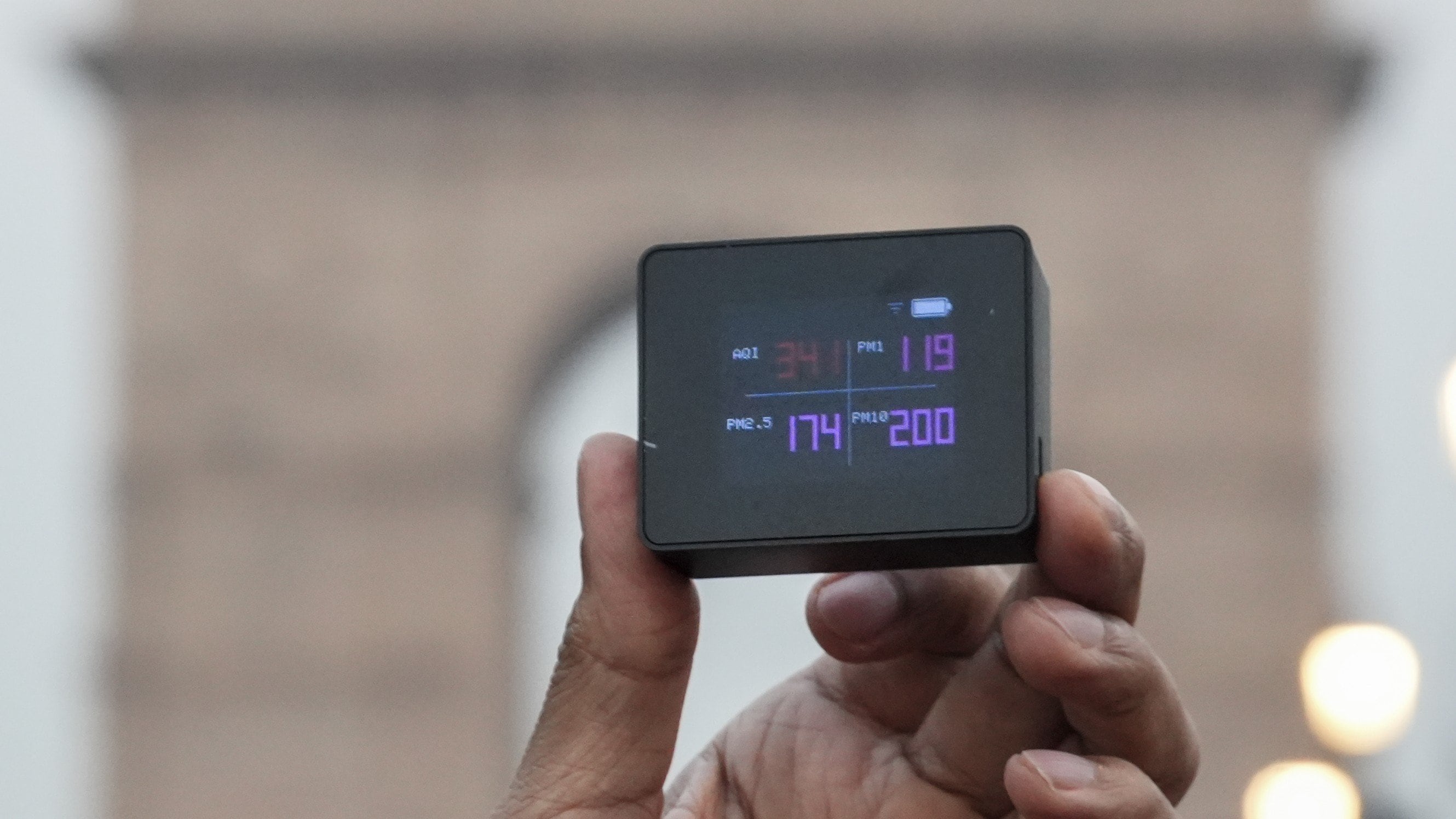
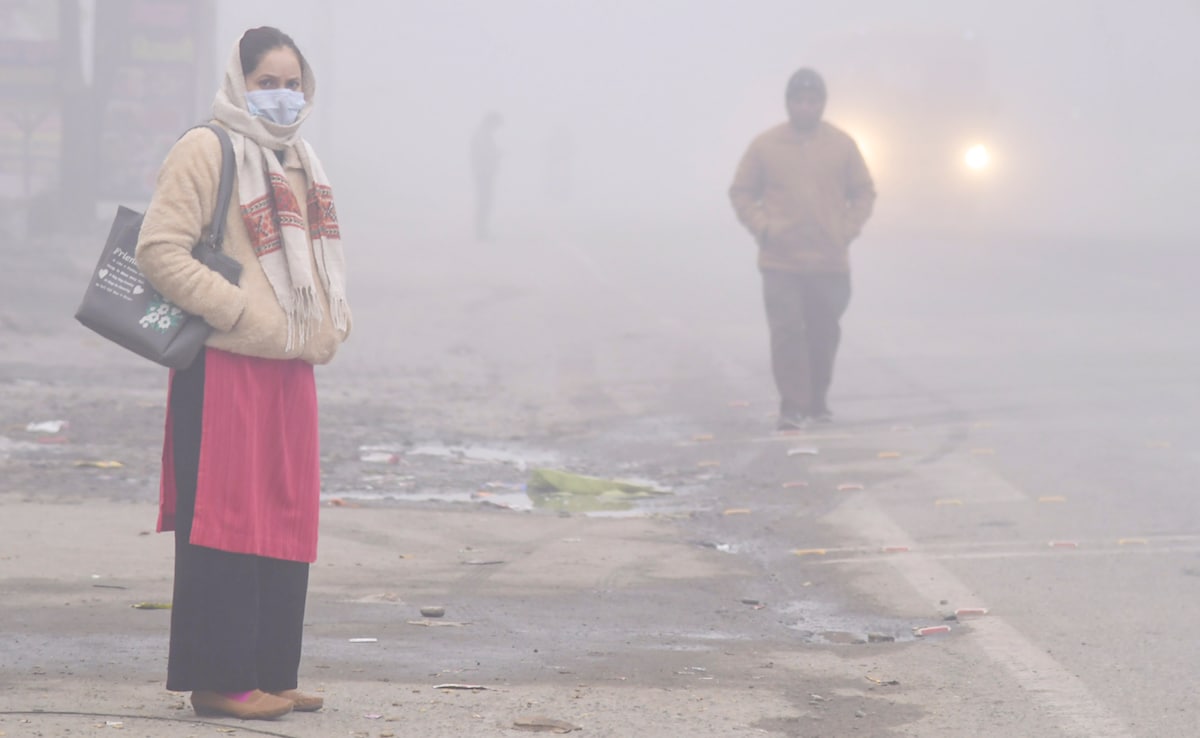
Exposure to air pollution may have serious implications for a child's developing brain and cause damage to language development, memory, and mood regulation, according to a study.
Air pollution causes harmful contaminants, such as particulate matter, nitrogen dioxide, and ozone, to circulate in the environment.
The study led by physician-scientists at Oregon Health & Science University in the US warned that exposure to air pollution is associated with structural changes in the adolescent brain, specifically in the frontal and temporal regions -- the areas responsible for executive function, language, mood regulation, and socioemotional processing.
"What we discovered was a slow and subtle effect happening on the brain, and while it might not be causing symptoms immediately, it could be shifting developmental trajectories and outcomes over time," said lead author Calvin Jara, resident in otolaryngology/head and neck surgeries in the OHSU School of Medicine.
For the study, the team analysed data from nearly 11,000 children.
The results, published in the journal Environmental Research, showed that baseline exposure to specific air pollutants in the early phase of adolescence, or the onset of puberty, generally ages 9 to 10, was associated with both persistent and developmental changes in cortical thickness -- a measurement of the structural maturation of the outer layer of the brain.
Atypical cortical thinning, especially thinning that is accelerated, can be an indication of an underlying neurological disruption and result in associated cognitive impairment.
Researchers warn that these structural changes in the brain could have impacts on a child's overall health, well-being, and life trajectory.
Alterations in the development of these critical brain regions could impair attention, memory, and emotional regulation, potentially leading to academic difficulties and behavioural concerns. Future research should continue to examine these broader long-term consequences, researchers said.
(Except for the headline, this story has not been edited by NDTV staff and is published from a syndicated feed.)
Published: December 20, 2025 11:48 IST
also read
Can Magnetic Nanoparticles Remove Microplastics From Blood? Class 12 Student From Rajasthan Develops Prototype
Written by Sambhav KumarIt's Not Just Your Lungs: Doctor Explains How Air Pollution Quietly Ages Your Skin
Written by Dr Sonali KohliAir Pollution Is Not A One-Ministry Problem, Says Dr Soumya Swaminathan
Written by Sneha Mordani
 Thursday October 22, 2026 , New Delhi
During the meeting, the Commission for Air Quality Management emphasised that all agencies must strictly comply with its statutory directions issued from time to time and ensure their strict implementation.
- Written by Sambhav Kumar | Wednesday October 21, 2026
Suramrit Singh Kohli developed NanoClear, a prototype using magnetic nanoparticles to capture microplastics from blood, currently in experimental stage.
- Written by Aishwarya Singh Chaudhary | Wednesday October 21, 2026
Delhi’s AQI rose from 179 to 244 within a day, prompting CAQM to impose GRAP Stage 1 restrictions across Delhi-NCR as forecasts indicate poor air quality will persist in the coming days.
- Wednesday October 21, 2026
The CAQM announced its decision through an order on Wednesday after Delhi's AQI was reported under the 'poor' category at 244 at 2 pm.
- Reported by Ishika Verma | Wednesday October 21, 2026
Companies will be paid for days when their machines achieve at least a 20% reduction in both PM2.5 and PM10, the tiny particles that make Delhi's air dangerous to breathe.


................................ Advertisement ................................




Opinion: Why Delhi's Smog Can't Be Fixed From SpaceDavid Fickling, Bloomberg
Monday October 19, 2026The clearest sign that Delhi is on a path to cleaner air would be a decline in the amount of paddy grown nearby, and therefore the acreage liable to be burned each year.
Don't Normalise Air Purifiers As Delhi Chokes | The Reason Why
Thursday December 11, 2025More than 90 cities in the world's top 100 polluting list are in India. With every passing year, the AQI is rising, reaching 'hazardous' levels.
Blog | Well Done, Delhi. You've Turned Lung Sacrifice Into A Badge Of HonourSaikat Kumar Bose
Monday November 10, 2025Till some years back, Delhiites would ask angry questions to those in power about the capitals annual tryst with toxic air. This has changed. Those in the driving seat dont see the need to answer now.
Opinion | Why Indians Have Just Given Up On Air Pollution CrisisTanushree Ganguly
Friday December 20, 2024While some may argue that people in Delhi are now more aware of air pollution than they were a decade back, my rebuttal would be that awareness does not mean that people are concerned.
Opinion | You Must Outrage Over Filthy Air More Than Once A YearJyoti Pande Lavakare
Tuesday December 10, 2024Delhi welcomed us with monsoon rains and mangos. We were home. Fast forward a couple of years, in the winter of 2012, I found myself in denial about something other parents, mostly expats, were calling toxic air.