


- Home/
- Air Pollution Linked To Risks In Male Fetal Development: Study
Air Pollution Linked To Risks In Male Fetal Development: Study
| Updated: July 30, 2026 11:07 IST
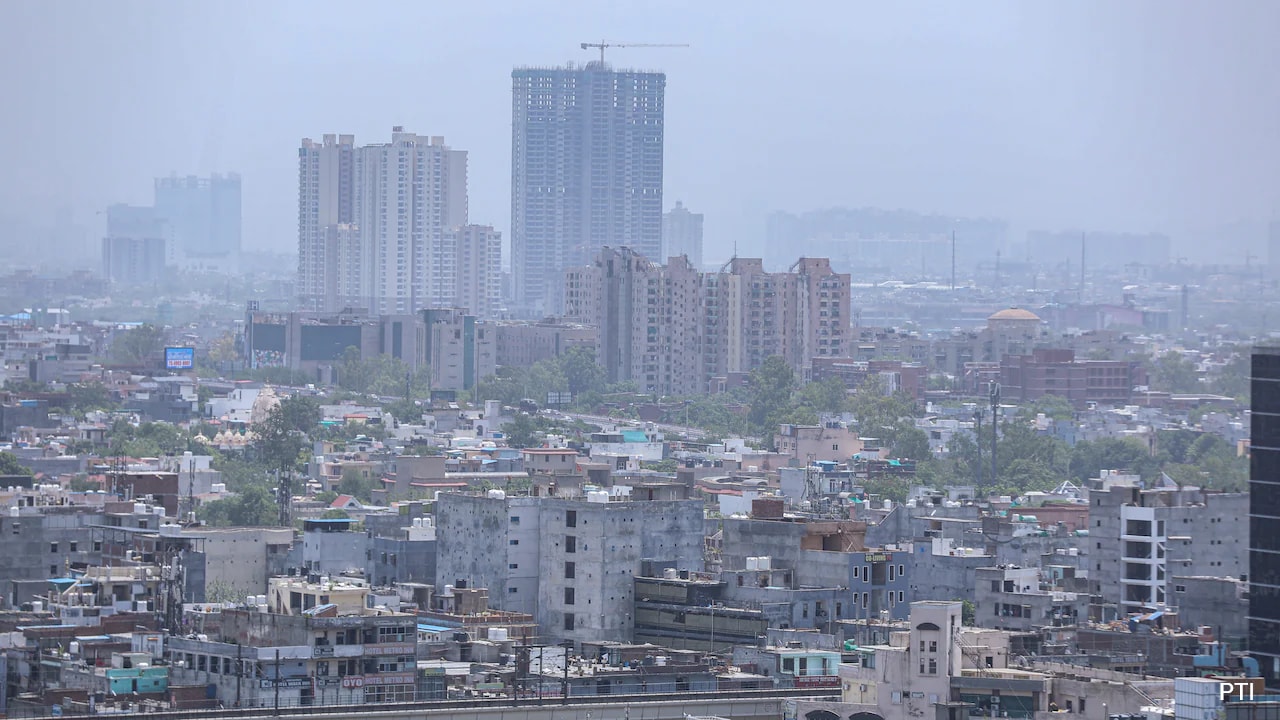
Air pollution has an effect on reproductive health of pregnant women
Highlights
- Exposure to polluted air during pregnancy may affect fetal male reproductive development
- Hypospadias involves abnormal urethral opening and is influenced by genetic and environmental factors
- Endocrine-disrupting chemicals in pollution may interfere with hormones critical to fetal growth
Pollution has long been associated with respiratory and cardiovascular diseases but a possible link between exposure to polluted air during pregnancy and its influence on foetal development, especially in the formation of the male reproductive system, has become a matter of concern for doctors and researchers. Doctors have called for more research in the area but point to growing evidence which suggests that certain pollutants may interfere with hormones critical to foetal growth, raising questions about their possible role in congenital conditions such as hypospadias.
Hypospadias, one of the most common congenital abnormalities affecting boys, occurs when the urethral opening develops on the underside of the penis instead of at the tip during fetal development.
Experts say the condition is believed to result from a combination of genetic and environmental factors and more attention is being paid to endocrine-disrupting chemicals present in air pollution and other environmental sources.
Dr Shandip Kumar Sinha, Director of Pediatric Surgery and Pediatric Urology at Medanta - The Medicity, Gurugram, said that development of the external genitalia depends on a finely balanced hormonal environment during early pregnancy.
"Any factor capable of disturbing these hormonal pathways, including exposure to endocrine-disrupting chemicals, is being actively studied for its possible role in congenital conditions like hypospadias," Sinha said.
He, however, cautioned that existing evidence does not establish pollution as a direct cause of the condition.
"Hypospadias is a multifactorial condition. Genetic predisposition, maternal health, hormonal influences and environmental exposures may all contribute. In most children, it is not possible to identify a single cause," Sinha said.
He said male reproductive organs begin forming during the first trimester of pregnancy, when hormones such as testosterone play a crucial role in normal genital development.
"Laboratory and epidemiological studies suggest that certain endocrine-disrupting chemicals can interfere with hormonal signalling during this critical developmental window. However, the current scientific evidence is not sufficient to conclude that air pollution alone causes hypospadias. More large-scale, long-term studies are needed to better understand this association," the doctor said.
Dr Prabudh Goel, Professor of Paediatric Surgery at AIIMS, Delhi, said hypospadias, in which the urinary opening develops on the underside of the penis instead of the tip, is among the most common congenital abnormalities in boys and its incidence appears to be rising globally.
"The condition results from a combination of genetic factors, inadequate androgen activity during a critical 8-to-16-week period of foetal development, and increasingly, exposure to endocrine-disrupting chemicals (EDCs) present in plastics, pesticides, industrial pollutants and polluted air.
"These chemicals can cross the placenta, interfere with hormonal signalling and may even alter epigenetic mechanisms that regulate gene expression, potentially affecting not only fetal development but future generations," he said.
Prenatal exposure to EDCs has also been linked to undescended testes, impaired sperm quality and a higher risk of testicular cancer in males, while in females it has been associated with early puberty, menstrual disorders, polycystic ovarian syndrome and reduced fertility, Goel said.
"Although more research is needed to establish direct causation, reducing unnecessary exposure to harmful chemicals, avoiding heating food in plastic containers, limiting pesticide exposure and ensuring regular antenatal care are prudent preventive measures," he said.
Sinha said air pollution should be viewed as one of several environmental risks rather than the sole factor behind congenital abnormalities.
"Expectant mothers should focus on good antenatal care, adequate nutrition and avoiding unnecessary exposure to pollutants, tobacco smoke and harmful chemicals wherever possible. While reducing air pollution remains a public health priority, pregnant women should not panic, as most pregnancies result in healthy babies," he said.
Doctors said hypospadias affects an estimated one in every 150-200 male births globally and is usually detected during routine examination soon after birth.
Sinha said the condition can be corrected successfully through reconstructive surgery, ideally performed between nine months and two years of age.
He stressed that parents should seek early evaluation by a paediatric surgeon if hypospadias is suspected, as timely treatment offers excellent functional and cosmetic outcomes in most children while reducing potential psychological concerns later in life.
Dr Raman Kumar, Chairman of the Academy of Family Physicians of India, said environmental health must be viewed as an integral part of maternal and child healthcare.
"Pregnancy is a particularly sensitive period, and reducing exposure to harmful environmental factors, wherever feasible, is a sensible preventive approach.
"While an individual has limited control over ambient air quality, simple measures such as avoiding outdoor activity during periods of severe pollution, ensuring good indoor ventilation, avoiding tobacco smoke and unnecessary chemical exposure, and adhering to regular antenatal check-ups can help support a healthy pregnancy," he said.
At the same time, improving air quality requires sustained public health and policy interventions, he added.
(Except for the headline, this story has not been edited by NDTV staff and is published from a syndicated feed.)
Published: July 30, 2026 11:03 IST
 Edited by Priyanka Negi | Wednesday November 11, 2026
An Indian student won the 2026 Diana Award for creating an affordable air filtration system for classrooms to reduce indoor pollution.
- Wednesday November 11, 2026
The team has come up with a Rs 140 filtration attachment that works with existing household fans.
- Written by Aishwarya Singh Chaudhary | Wednesday November 11, 2026
Pollution levels remain high across several Indian cities, prompting health concerns. Residents are advised to avoid outdoor exposure.
- Reported by Reet Kaur Sahni | Wednesday November 11, 2026
The CPCB has now broken its silence and issued a clarification on the core mechanics of India's National Air Quality Index (NAQI) framework, its design methodology, and its international alignment.
- Reported by Pallava Bagla | Wednesday November 11, 2026 , New Delhi
FICCI's report amounts to an unmistakable warning that the country's struggle with dirty air has reached a level that demands urgent action from governments at every level.


................................ Advertisement ................................


Opinion | Delhi Has Every Pollution Control Policy - Except One That Works
Monday November 09, 2026Every November, Delhi performs the same ritual. We check the AQI before stepping outdoors, children are kept indoors, masks reappear, schools consider shutting, construction is restricted, and emergency meetings are convened. Politicians blame the weather, neighbouring states, farmers, or firecrackers. And then, as the season changes, the urgency d...
दीवाली की चौखट पर दिल्ली में सांसों का संकट: 30 साल की स्टडी ने हरियाली को लेकर क्या बताया?
Thursday November 05, 2026अध्ययन में हरियाली की मात्रा के साथ उसके फैलाव और आपसी जुड़ाव को भी महत्वपूर्ण पाया गया. जिन इलाकों में हरियाली ज्यादा बिखरी हुई थी, वहां सतही तापमान अधिक रहा. इसके विपरीत, बड़े और आपस में जुड़े हरित क्षेत्रों में तापमान कम पाया गया.
Opinion: Why Delhi's Smog Can't Be Fixed From SpaceDavid Fickling, Bloomberg
Monday October 19, 2026The clearest sign that Delhi is on a path to cleaner air would be a decline in the amount of paddy grown nearby, and therefore the acreage liable to be burned each year.
Don't Normalise Air Purifiers As Delhi Chokes | The Reason Why
Thursday December 11, 2025More than 90 cities in the world's top 100 polluting list are in India. With every passing year, the AQI is rising, reaching 'hazardous' levels.
Blog | Well Done, Delhi. You've Turned Lung Sacrifice Into A Badge Of HonourSaikat Kumar Bose
Monday November 10, 2025Till some years back, Delhiites would ask angry questions to those in power about the capitals annual tryst with toxic air. This has changed. Those in the driving seat dont see the need to answer now.



