


- Home/
- Amid Poor Air Quality In Delhi, 'Orange' Alert Issued For Dense Fog On Monday
Amid Poor Air Quality In Delhi, 'Orange' Alert Issued For Dense Fog On Monday
Press Trust of India | Updated: December 28, 2025 23:10 IST
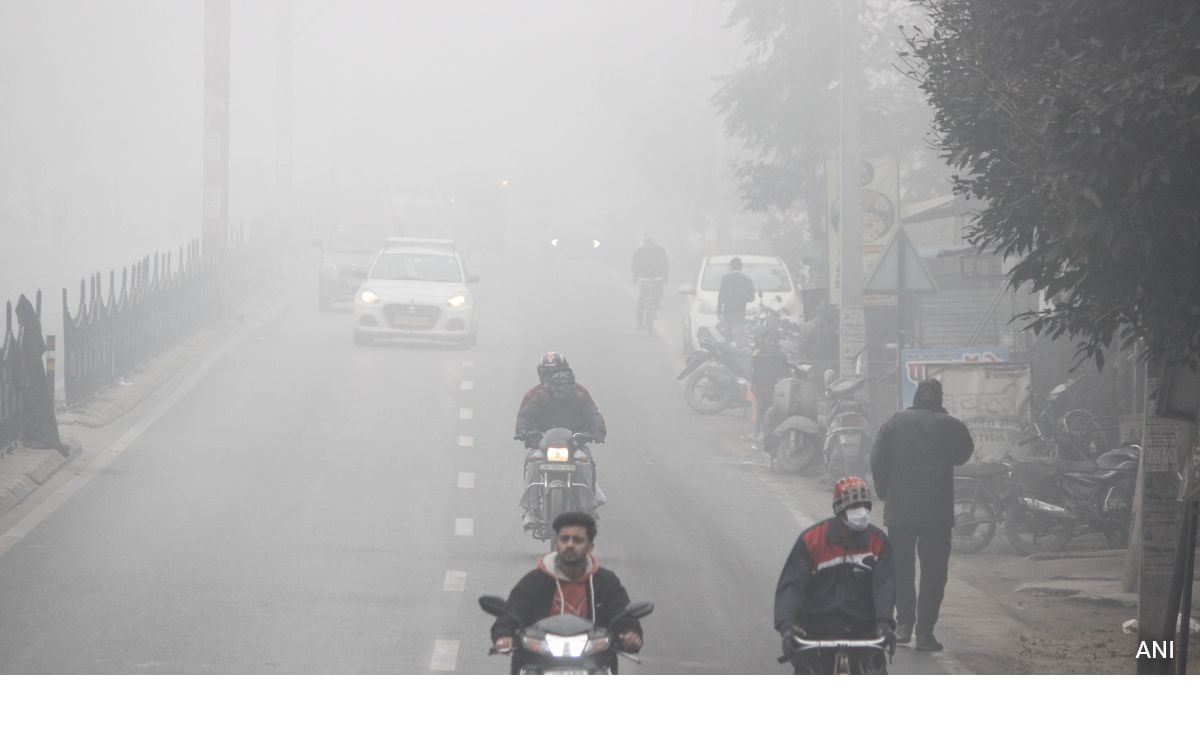
The city recorded a low of 6.3 degrees Celsius, 0.5 degrees below the season's average
New Delhi:
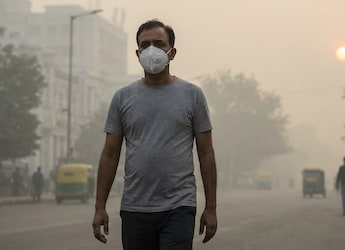
The national capital recorded air quality in the "very poor" category on Sunday with an overall Air Quality Index reading of 390, according to the Central Pollution Control Board (CPCB).
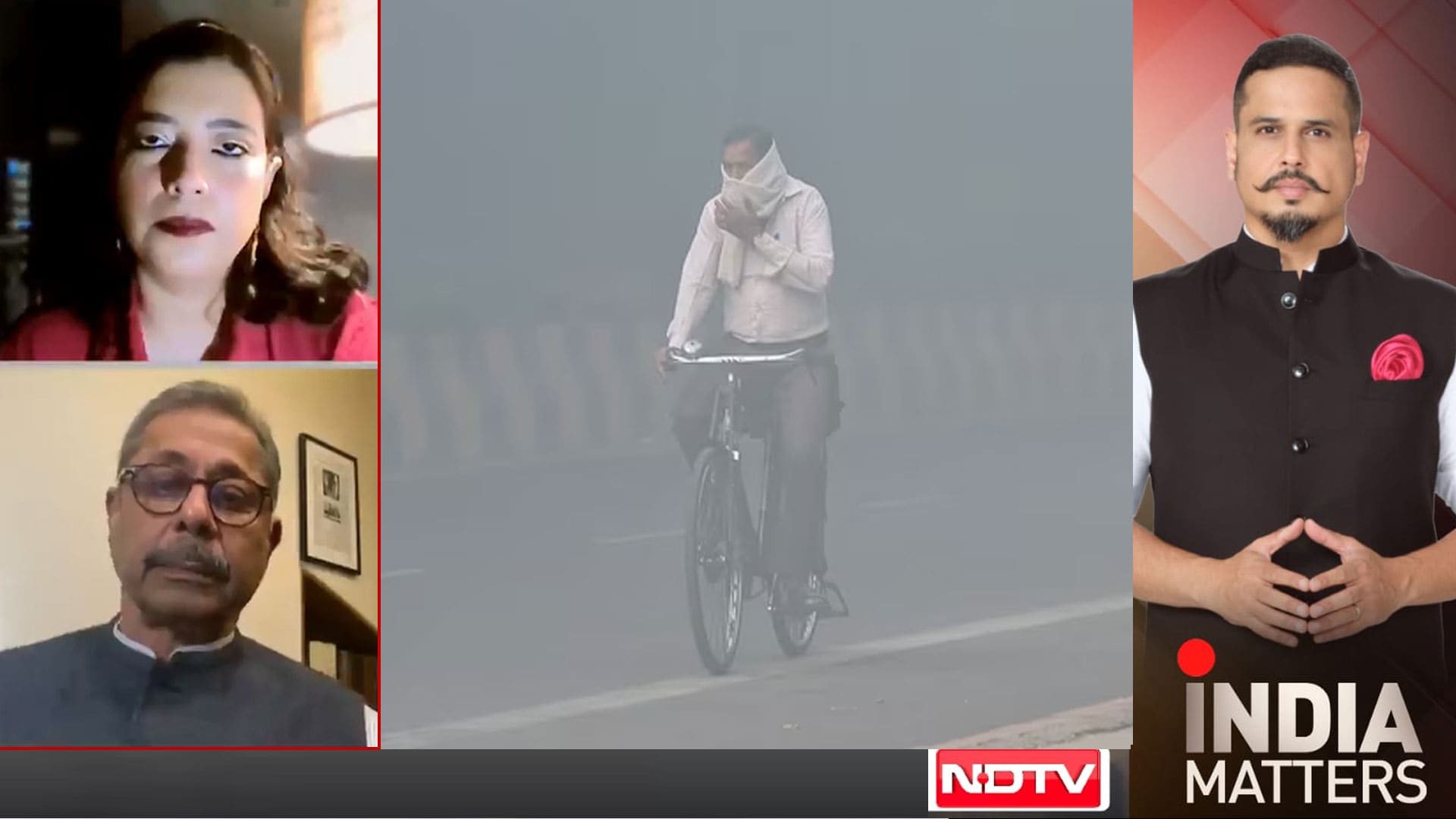
The meteorological department has issued orange alert of very dense fog for Monday, with maximum and minimum temperatures likely to hover around 22 and 7 degrees Celsius, respectively.
According to data on the CPCB's Sameer App, 19 monitoring stations in Delhi reported air quality in the "severe" category with Anand Vihar recording highest AQI of 457, while the remaining recorded "very poor" levels.
An AQI between 0 and 50 is considered "good", 51 to 100 "satisfactory", 101 to 200 "moderate", 201 to 300 "poor", 301 to 400 "very poor", and 401 to 500 "severe", according to CPCB standards.
The city recorded a low of 6.3 degrees Celsius, 0.5 degrees below the season's average, while the maximum temperature settled at 22.5 degrees Celsius, 2.1 notches above the seasonal average, the meteorological department said.
The humidity was recorded at 100 per cent at 5 .30 pm.
(Except for the headline, this story has not been edited by NDTV staff and is published from a syndicated feed.)
Published: December 28, 2025 19:54 IST
 Reported by Reet Kaur Sahni | Wednesday November 11, 2026
The CPCB has now broken its silence and issued a clarification on the core mechanics of India's National Air Quality Index (NAQI) framework, its design methodology, and its international alignment.
- Reported by Pallava Bagla | Wednesday November 11, 2026 , New Delhi
FICCI's report amounts to an unmistakable warning that the country's struggle with dirty air has reached a level that demands urgent action from governments at every level.
- Written by Sambhav Kumar | Tuesday November 10, 2026
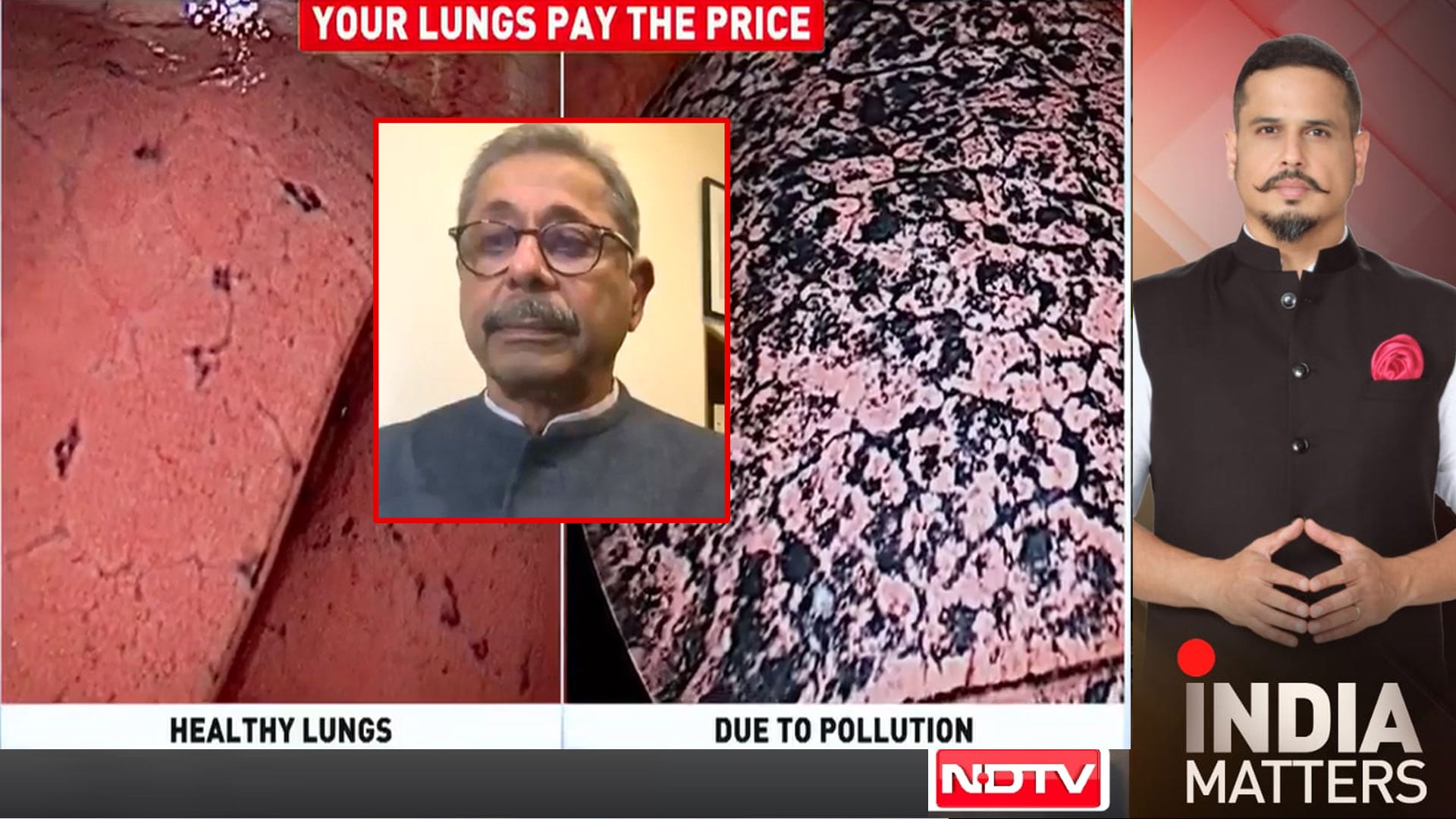
Prolonged exposure to air pollution in Delhi NCR can damage lungs silently without causing cough or breathlessness.
- Written by Debosmita Ghosh | Tuesday November 10, 2026
When the air quality becomes very poor or severe, the question is whether the benefits of walking still outweigh the health risks. Experts have specifically advised residents to avoid outdoor walks and exercise when pollution levels are high.
- Edited by Nikita Sharma | Tuesday November 10, 2026 , New Delhi
The only parts of India which appear to not be enveloped by the grey cover are the western states such as Rajasthan and Gujarat, and the northeastern states.

................................ Advertisement ................................



Opinion | Delhi Has Every Pollution Control Policy - Except One That Works
Monday November 09, 2026Every November, Delhi performs the same ritual. We check the AQI before stepping outdoors, children are kept indoors, masks reappear, schools consider shutting, construction is restricted, and emergency meetings are convened. Politicians blame the weather, neighbouring states, farmers, or firecrackers. And then, as the season changes, the urgency d...
दीवाली की चौखट पर दिल्ली में सांसों का संकट: 30 साल की स्टडी ने हरियाली को लेकर क्या बताया?
Thursday November 05, 2026अध्ययन में हरियाली की मात्रा के साथ उसके फैलाव और आपसी जुड़ाव को भी महत्वपूर्ण पाया गया. जिन इलाकों में हरियाली ज्यादा बिखरी हुई थी, वहां सतही तापमान अधिक रहा. इसके विपरीत, बड़े और आपस में जुड़े हरित क्षेत्रों में तापमान कम पाया गया.
Opinion: Why Delhi's Smog Can't Be Fixed From SpaceDavid Fickling, Bloomberg
Monday October 19, 2026The clearest sign that Delhi is on a path to cleaner air would be a decline in the amount of paddy grown nearby, and therefore the acreage liable to be burned each year.
Don't Normalise Air Purifiers As Delhi Chokes | The Reason Why
Thursday December 11, 2025More than 90 cities in the world's top 100 polluting list are in India. With every passing year, the AQI is rising, reaching 'hazardous' levels.
Blog | Well Done, Delhi. You've Turned Lung Sacrifice Into A Badge Of HonourSaikat Kumar Bose
Monday November 10, 2025Till some years back, Delhiites would ask angry questions to those in power about the capitals annual tryst with toxic air. This has changed. Those in the driving seat dont see the need to answer now.



