


- Home/
- "Can't Do It Alone": Maharashtra Minister Pankaja Munde's Mumbai AQI Appeal
"Can't Do It Alone": Maharashtra Minister Pankaja Munde's Mumbai AQI Appeal
| Updated: February 25, 2026 18:35 IST
New Delhi: 
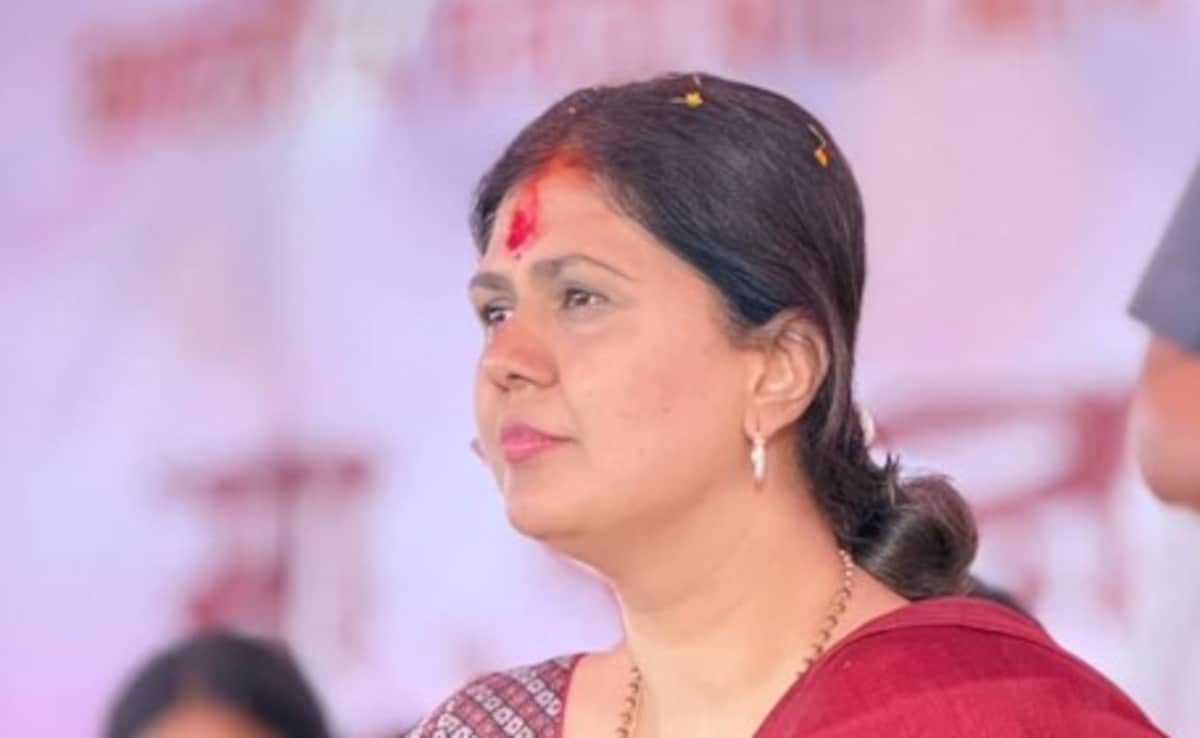
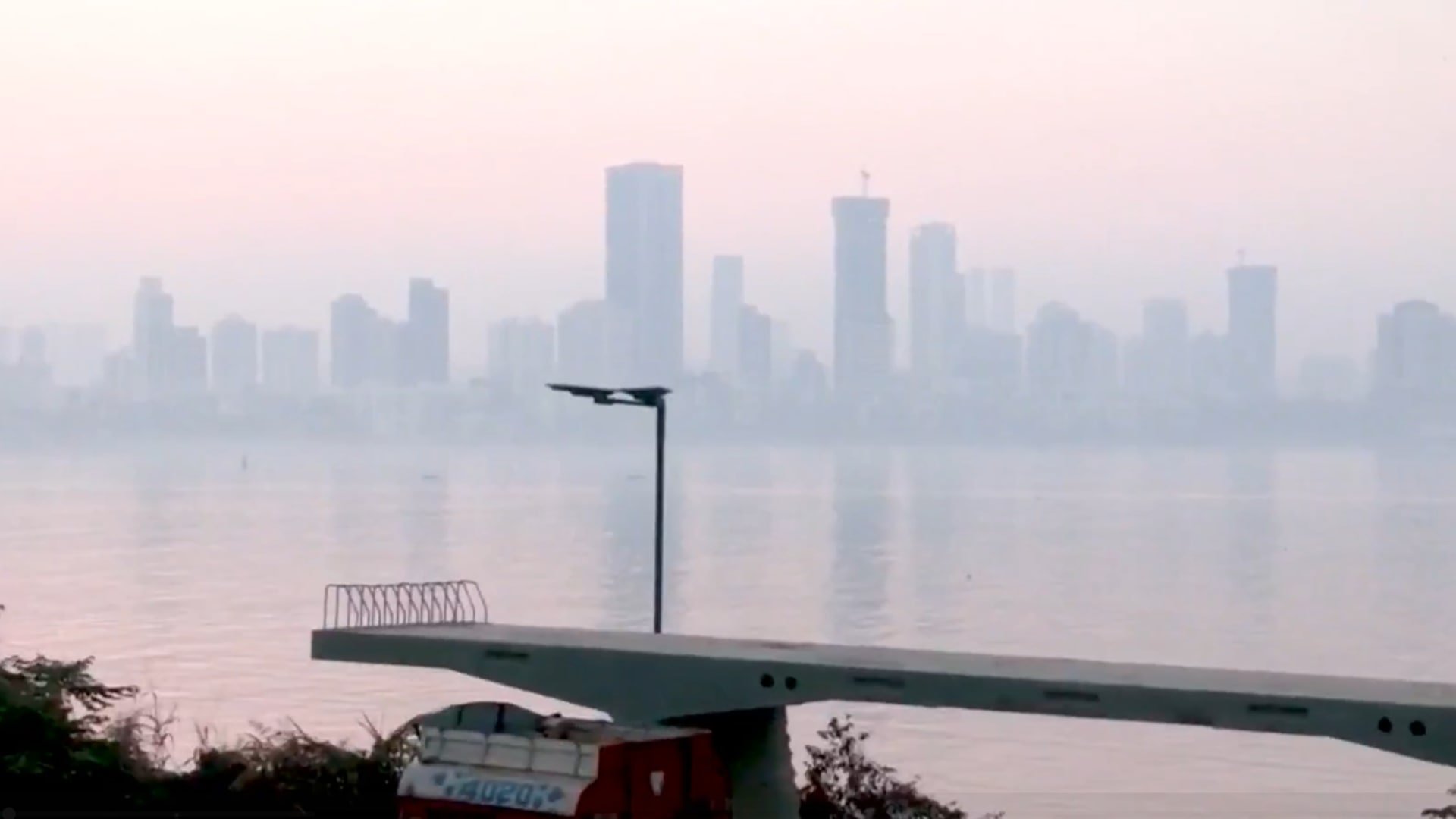
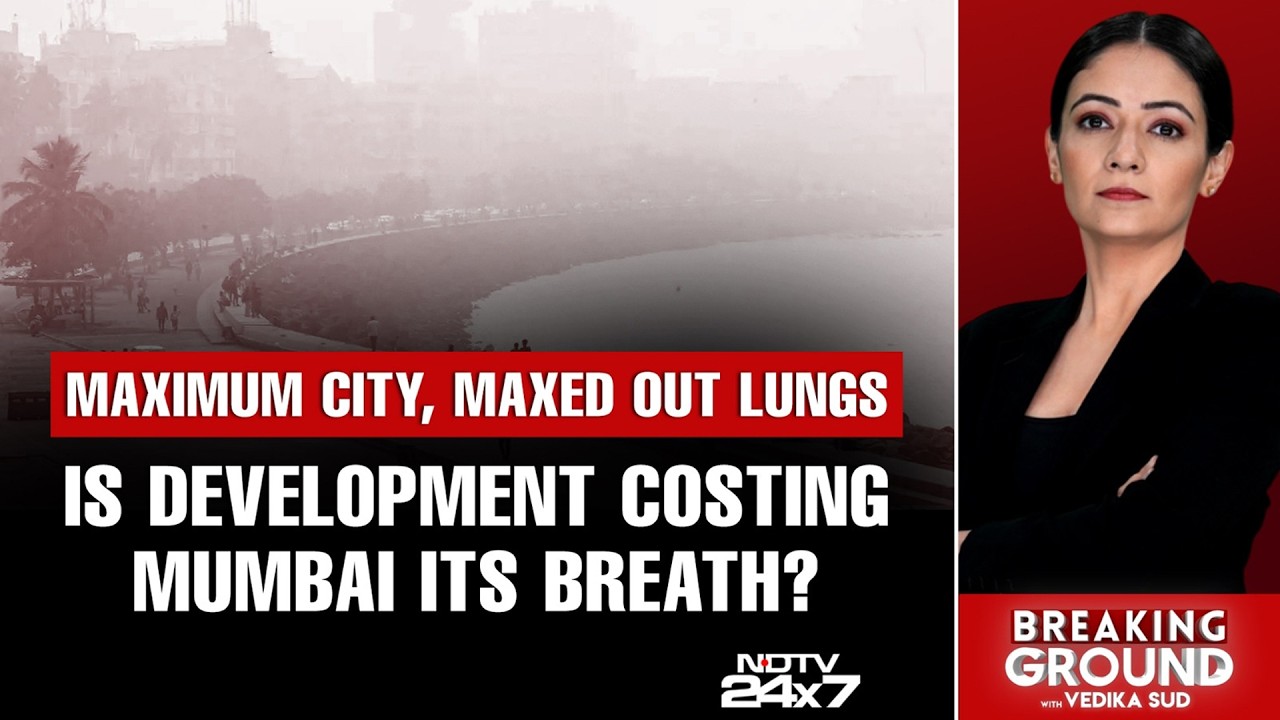
Air pollution is a concern not just for Mumbai but for countries and cities around the world, Maharashtra Environment Minister Pankaja Munde told NDTV Wednesday, after the 'maximum city' woke this morning to a blanket of grey toxic haze and smog for an eighth consecutive day.
"We are all working on climate change... we are asking people to participate in this movement because we cannot do it ourselves alone. Everybody has to be very responsible about their carbon emissions," the Bharatiya Janata Party leader said.
"In Mumbai, infrastructure development is happening... construction and metro work is going on. But when rules are violated, we issue 'stop work' notices," she said, declaring that over 1,100 such notices had been issued, though it is unclear what effect they had on AQI levels.
"Figures given in news reports are 600... 700... but such pollution never happened in Mumbai," she complained, adding, "My department works as a whistle blower... but it doesn't stop pollution. You should follow rules by authorities like Brihanmumbai Municipal Corporation."
Munde told NDTV the state government and city administration will use "maximum AI and technology to reduce human interface and get accurate results".
"If Mumbai residents cooperate air quality levels will improve in the coming days," she said.
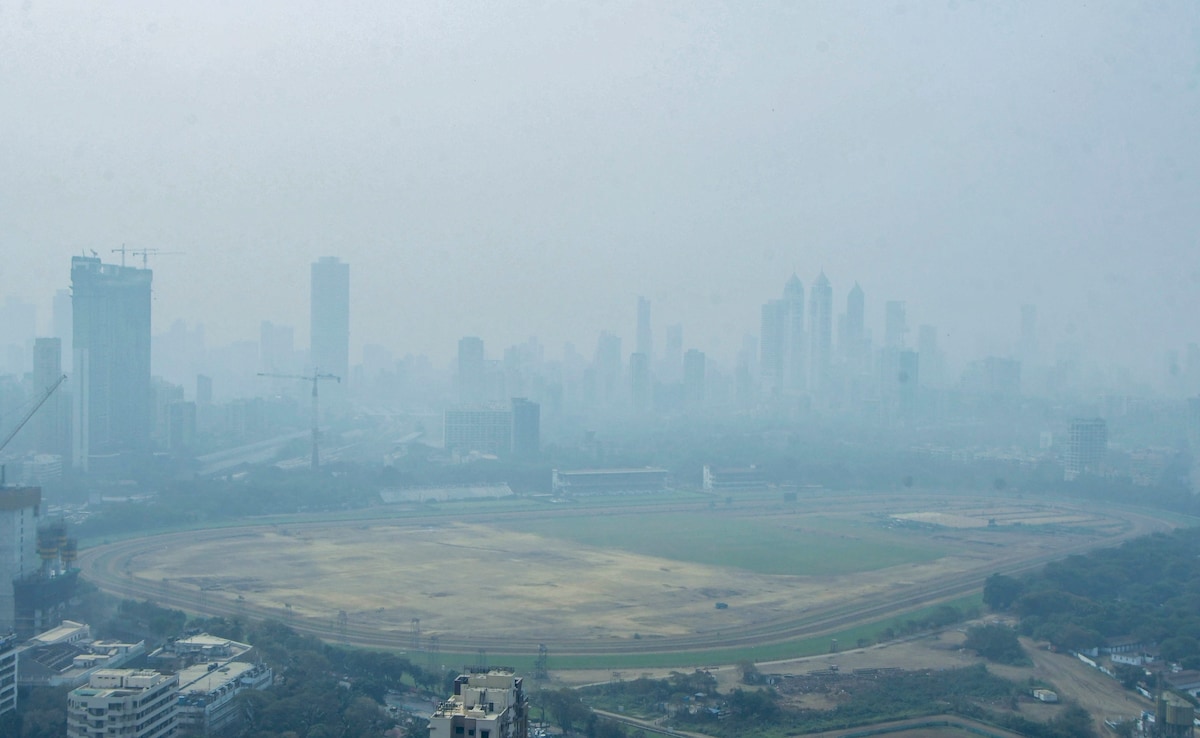
Mumbai Air Pollution: Experts say worsening AQI is not caused by a single factor. Photo: ANI
On Wednesday morning Mumbai's overall AQI, or air quality index, remained in the 'poor' to 'unhealthy' range, hovering around the 230 to 250 mark in many locations.
NDTV Special | Inside Mumbai's Worsening Air Pollution Crisis
Some areas fared far worse. BKC, Ghatkopar and Mulund reported readings well above 290, close to the severe category. Parts of Bandra, Worli and South Mumbai also recorded poor AQI.
Experts told NDTV deteriorating AQI levels are not caused by a single factor but by a combination of urban pressures that have intensified over recent years.
These include dust from roadworks and other construction, which accounts for around 30 per cent of PM10 and a significant share of fine PM2.5 particles.
Vehicular emissions, meanwhile, contribute roughly 16 per cent of PM2.5 levels.
Marine aerosols and atmospheric secondary aerosols also play a role due to the city's coastal location, but human activity is clearly dominant in driving poor air quality.
Published: February 25, 2026 18:33 IST
- Reported by Reet Kaur Sahni | Friday August 07, 2026
As per the ministry, prior Environmental Clearance becomes mandatory for data centres depending on their physical footprint under Schedule 8 of the EIA Notification, 2006.
- Written by Sambhav Kumar | Thursday August 06, 2026
Keerthy Suresh's 41-hour no-sleep stretch highlights the intense demands many professionals face, but experts warn that prolonged sleep deprivation should never become routine.
- Written by Sambhav Kumar | Wednesday August 05, 2026
Preliminary evidence suggests the blood filtration treatment could reduce some microplastic particles, though findings are limited and require more study.
- Monday August 03, 2026 , New Delhi
Study reveals black crust from pollution weakens Humayuns Tomb sandstone
- Written by Debosmita Ghosh | Saturday August 01, 2026
Lung cancer is often diagnosed at an advanced stage because its early symptoms are easy to overlook. A persistent cough is among the most commonly ignored warning signs.


................................ Advertisement ................................

Blog | Well Done, Delhi. You've Turned Lung Sacrifice Into A Badge Of HonourSaikat Kumar Bose
Monday November 10, 2025Till some years back, Delhiites would ask angry questions to those in power about the capitals annual tryst with toxic air. This has changed. Those in the driving seat dont see the need to answer now.
Opinion | Why Indians Have Just Given Up On Air Pollution CrisisTanushree Ganguly
Friday December 20, 2024While some may argue that people in Delhi are now more aware of air pollution than they were a decade back, my rebuttal would be that awareness does not mean that people are concerned.
Opinion | You Must Outrage Over Filthy Air More Than Once A YearJyoti Pande Lavakare
Tuesday December 10, 2024Delhi welcomed us with monsoon rains and mangos. We were home. Fast forward a couple of years, in the winter of 2012, I found myself in denial about something other parents, mostly expats, were calling toxic air.
Opinion | Delhi's Air Pollution Situation Is Like A Bad MarriageNishtha Gautam
Friday November 22, 2024On a good day, such as today, the AQI reading in Delhi is 407. We are jubilant at the sickly sunshine trickling through the slightly dissipated smog. At least its not 1600.
दिवाली... पराली... सियासी जुगाली!Ashwini kumar
Monday November 18, 2024दिल्ली-एनसीआर में प्रदूषण का समाधान तो आज तक मिला नहीं. हर साल चिंतित होकर हम-आप सांसों की तकलीफ के साथ-साथ दिल और ब्लड प्रेशर के मरीज भी क्यों बनें?


