


- Home/
- Childhood Asthma On The Rise: Causes, Triggers, And Management Strategies
Childhood Asthma On The Rise: Causes, Triggers, And Management Strategies
Written by Debosmita Ghosh | Updated: May 05, 2026 13:34 IST
Highlights
- World Asthma Day is observed annually on May 5 to raise asthma awareness and care
- Childhood asthma is rising due to genetics, environment, and lifestyle changes
- Common triggers include respiratory viruses, allergens, tobacco smoke, and pollution
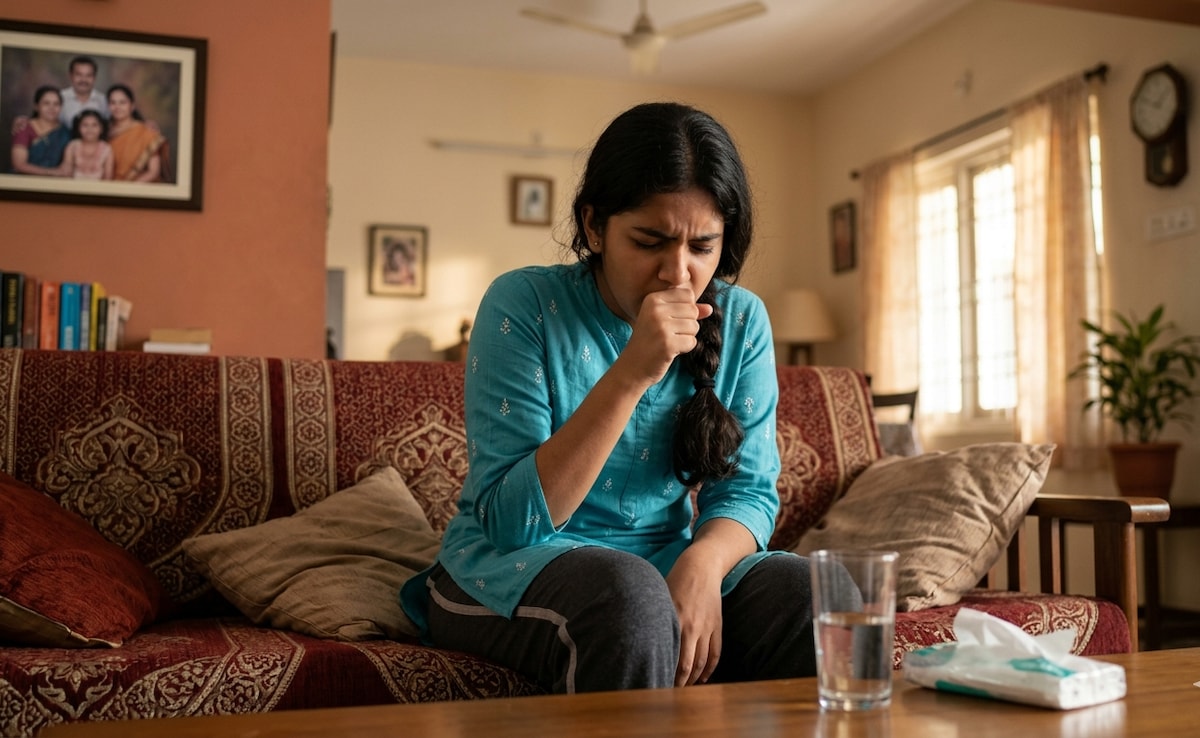
World Asthma Day is observed every year on May 5. The day aims to raise awareness on asthma wherein experts emphasise education, early diagnosis and improved care for asthma patients. Organised by the Global Initiative for Asthma (GINA), the theme for Asthma Day 2026 is "Access to anti-inflammatory inhalers for everyone with asthma - still an urgent need". The World Health Organisation (WHO) explains that asthma is a chronic lung disease affecting people of all ages. It is caused by inflammation and muscle tightening around the airways, which makes it harder to breathe. Symptoms can include coughing, wheezing, shortness of breath and chest tightness. These symptoms can be mild or severe and can come and go over time.
Asthma can affect people of any age. Speaking to NDTV, Dr. Tanushree Gahlot, Additional Director Respiratory Medicine, Fortis Hospital Greater Noida, said, "Childhood asthma is a known entity but it's on a rise in recent times with the ongoing changes in environment and lifestyles." Read on as Dr. Gahlot shares the causes, triggers and ways to manage childhood asthma.
Causes Of Childhood Asthma
Childhood asthma arises from a mix of genetic predisposition and environmental factors that inflame and narrow airways in children.
Genetics play a key role, as asthma often runs in families. A parent with asthma increases a child's risk of childhood asthma significantly. Allergies, such as to pollen or dust mites, are also present and this increases their susceptibility for overreactions.
Early respiratory infections, like those from viruses in infancy, can damage developing airways, increasing long-term vulnerability. Dr. Gahlot said, "It has become more prevalent with children spending more time indoors eating junk foods and studying online classes. Clearly their immunity is on a fall and diseases like allergy of skin and asthma are on the rise. Even if they do venture outside they tend to face the perils of pollutants like pm 2.5 and nitrous oxide in the air. This burns their airways and causes bronchitis inflammation of lungs."
Other factors like low birth weight, obesity, or even reduced breastfeeding may affect immune maturation.
Triggers Of Childhood Asthma
Triggers lead to acute episodes but don't cause the condition itself. They vary by child and often cause delayed responses. Common ones include respiratory viruses like colds, which inflame airways in most of the cases. Allergens such as pet dander, mold, pollen, or dust mites also tend to spark immune responses leading to mucous buildup and constriction. Irritants like tobacco smoke, strong odours from perfumes or cleaners, and air pollution directly aggravate sensitive linings.
Management Of Childhood Asthma
Childhood asthma management focuses on controlling symptoms, preventing attacks, and minimising long-term lung damage.
- To manage these perils of childhood asthma, a healthy lifestyle including early yoga and good eating habits should be encouraged and they should maintain their weight
- Regular outdoor play once in a while with less screens and regular vaccinations should be done to keep infections like flu in check.
- Regular visits with their family doctor and lung checks with PFT should be encouraged .
- Overuse of antibiotics and steroids should be discouraged and managed on a case to case basis.
- Inhalers if required should be taken and not avoided if prescribed by the doctor
- Avoid use of indigenous medicines which can lead to harmful effects.
- Minimise exposure to allergens. Use allergen-proof bedding, HEPA filters, and pet-free bedrooms, and control mold, smoke, and pollution indoors.
Disclaimer: This content including advice provides generic information only. It is in no way a substitute for a qualified medical opinion. Always consult a specialist or your own doctor for more information. NDTV does not claim responsibility for this information.
Published: May 05, 2026 13:21 IST
also read
 Written by Debosmita Ghosh | Friday June 26, 2026
One natural and effective way to improve lung capacity is through yoga. There are several yoga asanas that focus on opening the chest, improving posture, and encouraging deep, controlled breathing.
- Written by Ambika Singh Kahma | Friday June 19, 2026
NDTV Lifeline's first episode gives India a wake-up call to recognise sleep apnea as a critical public health issue
- Reported by Ishika Verma | Friday June 19, 2026 , New Delhi
The measures, outlined under a newly notified winter air quality management framework, are intended to help authorities, businesses and residents prepare in advance for the period between November and February, when Delhi's air quality typically dete
- Edited by Nikhil Pandey | Friday June 19, 2026
An unprecedented Ukrainian drone strike on a major Moscow oil refinery has caused a bizarre environmental crisis, with oily "black rain" falling over parts of the Russian capital.
- Written by Dr Anindita Singh | Monday June 15, 2026
From a clinical point of view, infertility often develops quietly, without noticeable symptoms, especially in the early stages, and the whole process can look normal from the outside.




................................ Advertisement ................................


Blog | Well Done, Delhi. You've Turned Lung Sacrifice Into A Badge Of HonourSaikat Kumar Bose
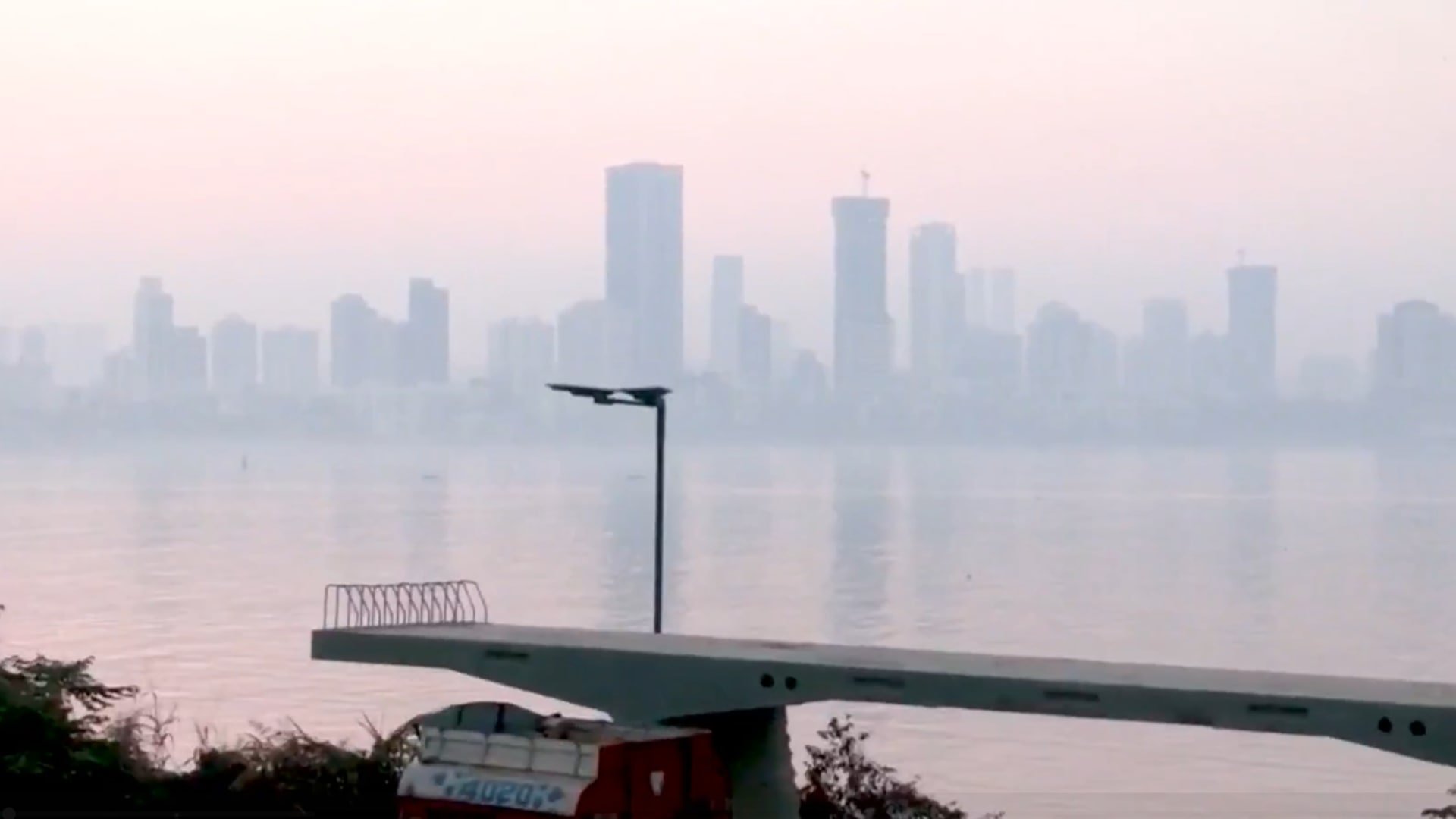
Monday November 10, 2025Till some years back, Delhiites would ask angry questions to those in power about the capitals annual tryst with toxic air. This has changed. Those in the driving seat dont see the need to answer now.
Opinion | Why Indians Have Just Given Up On Air Pollution CrisisTanushree Ganguly
Friday December 20, 2024While some may argue that people in Delhi are now more aware of air pollution than they were a decade back, my rebuttal would be that awareness does not mean that people are concerned.
Opinion | You Must Outrage Over Filthy Air More Than Once A YearJyoti Pande Lavakare
Tuesday December 10, 2024Delhi welcomed us with monsoon rains and mangos. We were home. Fast forward a couple of years, in the winter of 2012, I found myself in denial about something other parents, mostly expats, were calling toxic air.
Opinion | Delhi's Air Pollution Situation Is Like A Bad MarriageNishtha Gautam
Friday November 22, 2024On a good day, such as today, the AQI reading in Delhi is 407. We are jubilant at the sickly sunshine trickling through the slightly dissipated smog. At least its not 1600.
दिवाली... पराली... सियासी जुगाली!Ashwini kumar
Monday November 18, 2024दिल्ली-एनसीआर में प्रदूषण का समाधान तो आज तक मिला नहीं. हर साल चिंतित होकर हम-आप सांसों की तकलीफ के साथ-साथ दिल और ब्लड प्रेशर के मरीज भी क्यों बनें?


