


- Home/
- Delhi Air Quality Remains 'Poor' For 4th Day In A Row
 Written by Debosmita Ghosh | Saturday July 11, 2026
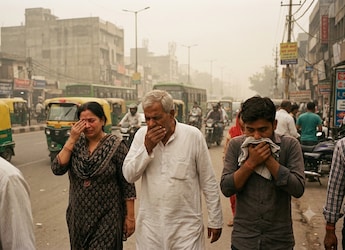
After nearly 25 years of treating chest diseases, he says the seasonal rise is expected. What continues to concern him is that many patients still delay seeking medical care, often arriving only after their condition has become much more serious.
- Thursday July 09, 2026 , New Delhi
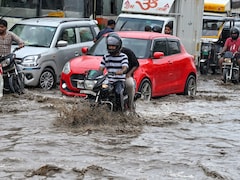
Apart from bringing down temperatures, the rainfall also improved Delhi's air quality, which is usually at high pollution levels. The Air Quality Index (AQI) stood at a 'satisfactory' 61 at 9 am.
- Reported by Aastha Ahuja | Tuesday July 07, 2026
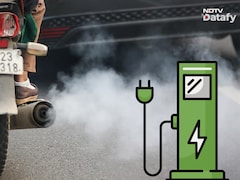
Delhi EV policy: From 1 April 2028, only new electric two-wheelers will be registered in Delhi.
- Reported by Subham Singh | Thursday July 02, 2026
The new policy proposes to stop the registration of new petrol-powered two-wheelers from April 2028 and restrict new registration of CNG-powered three-wheelers from the end of this year.
- Written by Rupashi Chhabra | Wednesday July 01, 2026
The invisible ozone gas in Delhi-NCR is affecting lung health. Here is what a new analysis highlights and why India needs to focus on implementing a multi-pollutant strategy.


................................ Advertisement ................................

Blog | Well Done, Delhi. You've Turned Lung Sacrifice Into A Badge Of HonourSaikat Kumar Bose
Monday November 10, 2025Till some years back, Delhiites would ask angry questions to those in power about the capitals annual tryst with toxic air. This has changed. Those in the driving seat dont see the need to answer now.
Opinion | Why Indians Have Just Given Up On Air Pollution CrisisTanushree Ganguly
Friday December 20, 2024While some may argue that people in Delhi are now more aware of air pollution than they were a decade back, my rebuttal would be that awareness does not mean that people are concerned.
Opinion | You Must Outrage Over Filthy Air More Than Once A YearJyoti Pande Lavakare
Tuesday December 10, 2024Delhi welcomed us with monsoon rains and mangos. We were home. Fast forward a couple of years, in the winter of 2012, I found myself in denial about something other parents, mostly expats, were calling toxic air.
Opinion | Delhi's Air Pollution Situation Is Like A Bad MarriageNishtha Gautam
Friday November 22, 2024On a good day, such as today, the AQI reading in Delhi is 407. We are jubilant at the sickly sunshine trickling through the slightly dissipated smog. At least its not 1600.
दिवाली... पराली... सियासी जुगाली!Ashwini kumar
Monday November 18, 2024दिल्ली-एनसीआर में प्रदूषण का समाधान तो आज तक मिला नहीं. हर साल चिंतित होकर हम-आप सांसों की तकलीफ के साथ-साथ दिल और ब्लड प्रेशर के मरीज भी क्यों बनें?


