


- Home/
- Delhi's First Cloud Seeding Trial Today: When And How It Will Be Done
Delhi's First Cloud Seeding Trial Today: When And How It Will Be Done
NDTV Newsdesk | Updated: October 28, 2025 10:47 IST

According to Central Pollution Control Board, the AQI in Delhi stood at 306 as of 8 am today.
New Delhi:
The Delhi government may conduct its first cloud seeding today if weather conditions are favourable, Environment Minister Manjinder Singh Sirsa has said.
The operation depends upon weather conditions in Kanpur as the aircraft designated for it is currently stationed there, the minister added.
"Regarding cloud seeding, as soon as the weather clears up in Kanpur, our aircraft will take off from there today. If it succeeds in taking off from there, cloud seeding will be done in Delhi today. Through that cloud seeding, there will be rainfall in Delhi. Right now, the visibility in Kanpur is 2000 metres. Visibility of 5000 metres is being awaited there. Visibility is low in Delhi too. We hope that this will be possible by 12.30-1 pm. Then it will take off from there, do cloud seeding here and return", Mr Sirsa said.
What Is Cloud Seeding
Cloud seeding is the process of adding special substances like silver iodide and dry ice to clouds to make it rain or snow in areas experiencing water scarcity, less snowfall, or to reduce hail and clear fog. It can be done using airplanes, rockets, or machines on the ground.
The formulation, developed by IIT Kanpur, includes silver iodide nanoparticles, iodised salt, and rock salt.
Why Delhi Is Pushing For Artificial Rain
The national capital is infamous for its air pollution problem. The city mostly experiences high levels of pollution throughout the year. In a bid to provide 'clean air' to its citizens, the Delhi government has been considering cloud seeding or artificial rain for months.
Delhi remained India's most polluted megacity by a wide margin during the 2024-25 winter, with an average PM2.5 concentration of 175 micrograms per cubic metre, according to an analysis by the Centre for Science and Environment.
The air pollution in the city is reducing citizens' life expectancy by an average of 11.9 years compared to the World Health Organisation's (WHO) guidelines, according to a report by the Energy Policy Institute at the University of Chicago (EPIC).
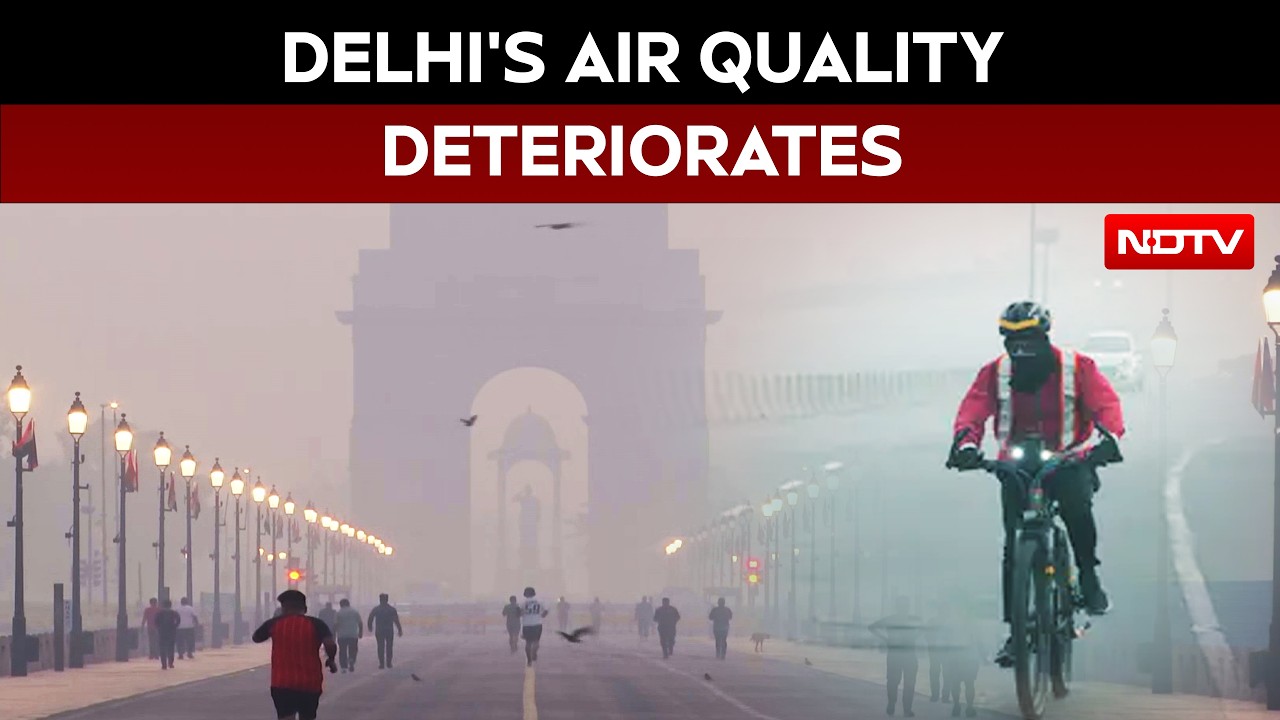
According to the Central Pollution Control Board (CPCB), the AQI in Delhi stood at 306 as of 8 am on today, classified as the 'very poor' category.
As of 8 am, the AQI in Anand Vihar was 321, RK Puram was 320, Siri Fort was 350, Bawana was 336, Burari Crossing was 326, Dwarka Sector 8 was 316, Mundka was 324, Narela was 303 and Punjabi Bagh was 323.
The Delhi government had signed a Memorandum of Understanding (MoU) with IIT Kanpur on September 25 to carry out five cloud seeding trials, all of which are planned in northwest Delhi.
The Directorate General of Civil Aviation (DGCA) had earlier granted permission to IIT Kanpur to conduct the trials any time between October 1 and November 30.
The Delhi Cabinet on May 7 had approved a proposal to conduct five cloud seeding trials at a total cost of Rs 3.21 crore.
However, the exercise has faced multiple postponements due to unfavourable weather and monsoon conditions, including deadlines set for May-end, early June, August, September and, most recently, the second week of October.
Published: October 28, 2025 10:03 IST
also read
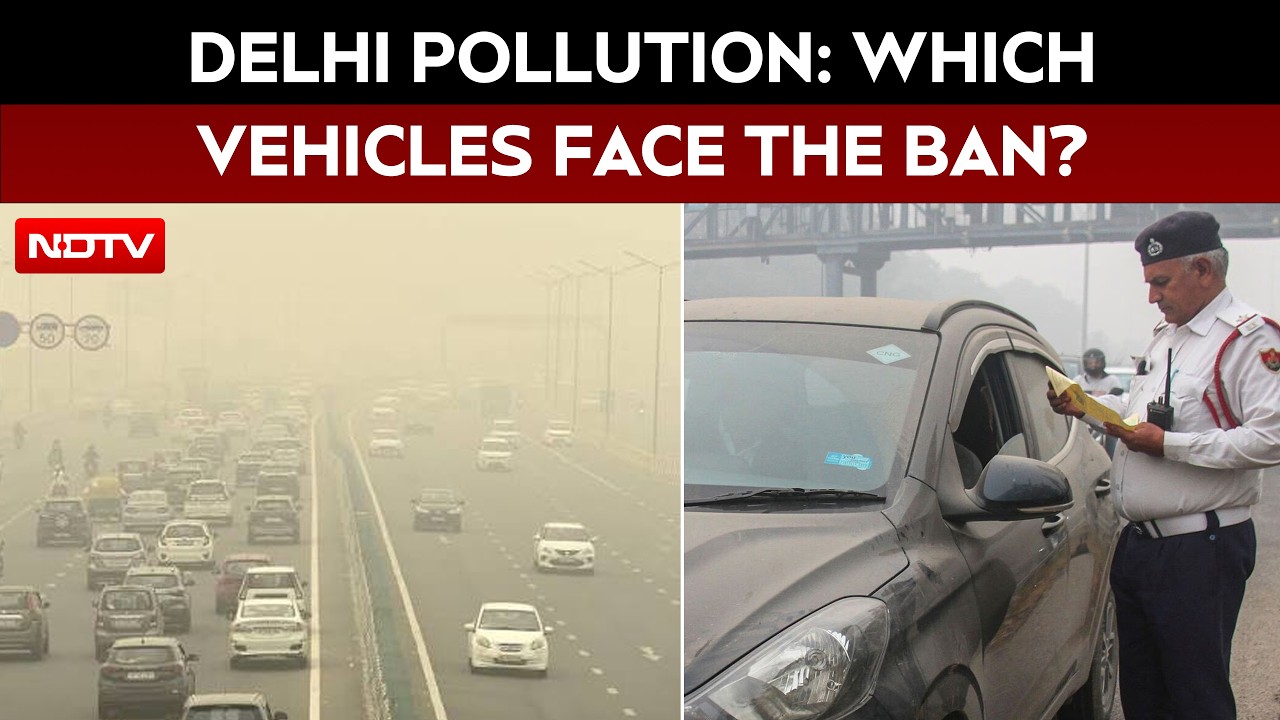
Delhi-NCR's New Pollution Rules Explained: Older Vehicles Banned, 50% WFH, And Strict Commute Curbs
Edited by Srishti Singh SisodiaAction On Ground Must Match Targets: Pollution Body On Punjab Stubble Burning
Reported by Ishika VermaOvernight Rain In Delhi Brings Winter Chill, Improves Air Quality
Asian News International
 Edited by Srishti Singh Sisodia | Sunday November 01, 2026
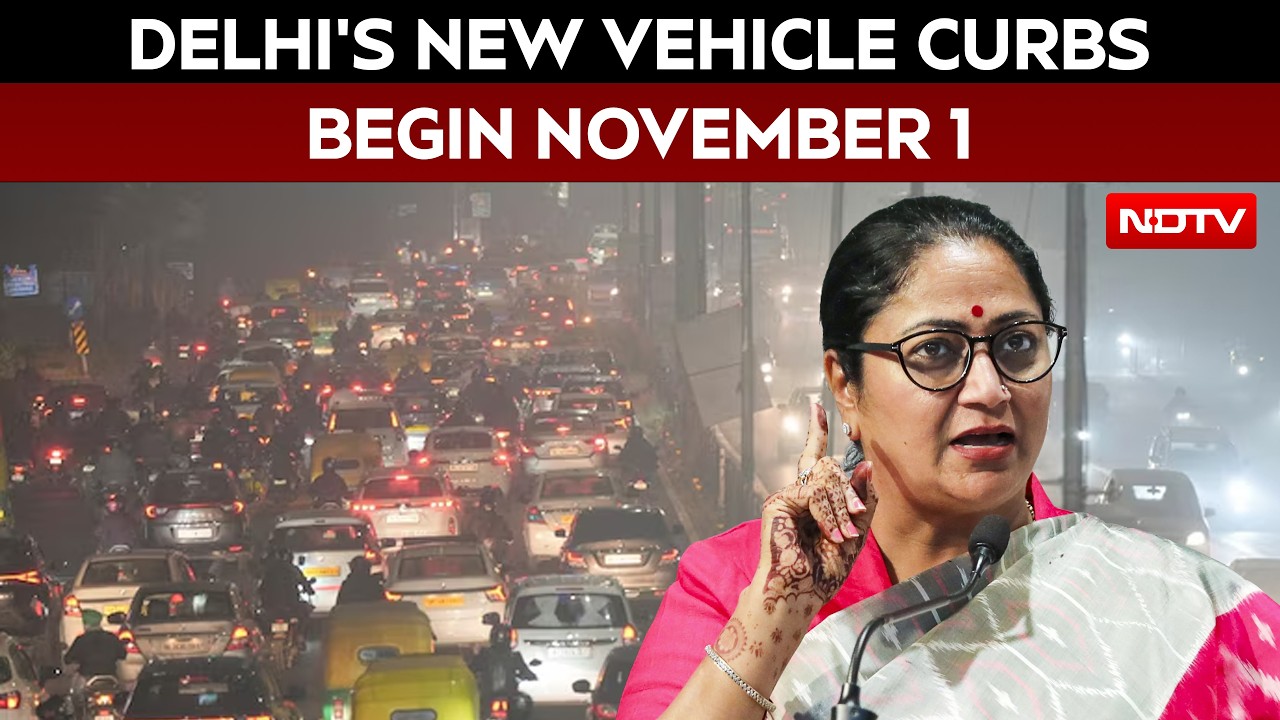
Delhi-NCR tightens pollution controls From November 1, 2026: The government said that E-challans will be generated against non-compliant vehicles.
- Written by Khushi Maheshwari | Sunday November 01, 2026
The Air Quality Index is a measure used to communicate air pollution levels and their potential impact on health. India's Central Pollution Control Board (CPCB) divides readings into six categories
- Reported by Ishika Verma | Saturday October 31, 2026 , New Delhi
The CAQM team visited several villages in Punjab, where farmers flagged difficulties in using crop residue management machinery to prevent stubble burning.
- Written by Niharika Raj | Saturday October 31, 2026
Kolkata, Chennai and Bengaluru remained in the poor category, with Bengaluru recording the lowest AQI among the six major metros.
- Written by Debosmita Ghosh | Saturday October 31, 2026
An air purifier mainly removes pollutants that pass through its filtration system. However, it does not stop pollution from being generated inside the house.

................................ Advertisement ................................

Opinion: Why Delhi's Smog Can't Be Fixed From SpaceDavid Fickling, Bloomberg
Monday October 19, 2026The clearest sign that Delhi is on a path to cleaner air would be a decline in the amount of paddy grown nearby, and therefore the acreage liable to be burned each year.
Don't Normalise Air Purifiers As Delhi Chokes | The Reason Why
Thursday December 11, 2025More than 90 cities in the world's top 100 polluting list are in India. With every passing year, the AQI is rising, reaching 'hazardous' levels.
Blog | Well Done, Delhi. You've Turned Lung Sacrifice Into A Badge Of HonourSaikat Kumar Bose
Monday November 10, 2025Till some years back, Delhiites would ask angry questions to those in power about the capitals annual tryst with toxic air. This has changed. Those in the driving seat dont see the need to answer now.
Opinion | Why Indians Have Just Given Up On Air Pollution CrisisTanushree Ganguly
Friday December 20, 2024While some may argue that people in Delhi are now more aware of air pollution than they were a decade back, my rebuttal would be that awareness does not mean that people are concerned.
Opinion | You Must Outrage Over Filthy Air More Than Once A YearJyoti Pande Lavakare
Tuesday December 10, 2024Delhi welcomed us with monsoon rains and mangos. We were home. Fast forward a couple of years, in the winter of 2012, I found myself in denial about something other parents, mostly expats, were calling toxic air.



