


- Home/
- Delhi Allows Only BS-VI, EV Goods Vehicles From November; 62 Traffic Hotspots Targeted
Delhi Allows Only BS-VI, EV Goods Vehicles From November; 62 Traffic Hotspots Targeted
Edited by Nikhil Pandey | Updated: April 04, 2026 13:05 IST
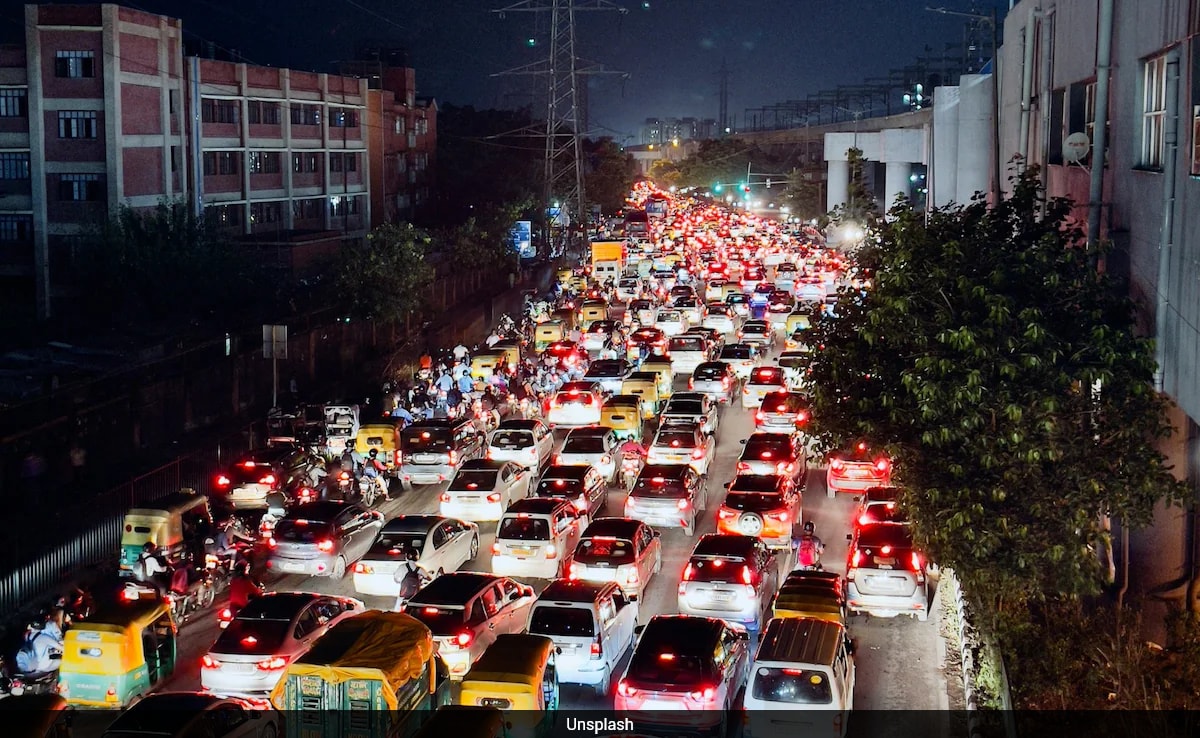
Efforts are underway to ease traffic congestion at 62 identified hotspots.
Delhi Chief Minister Rekha Gupta has launched the Air Pollution Mitigation Action Plan 2026, a sweeping initiative to tackle the capital's chronic air quality crisis, with tough new rules on vehicle emissions and a drive to ease congestion at dozens of pollution hotspots.
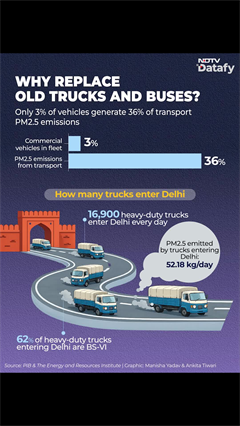
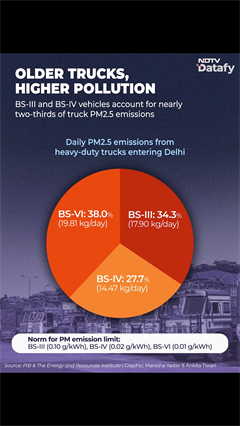
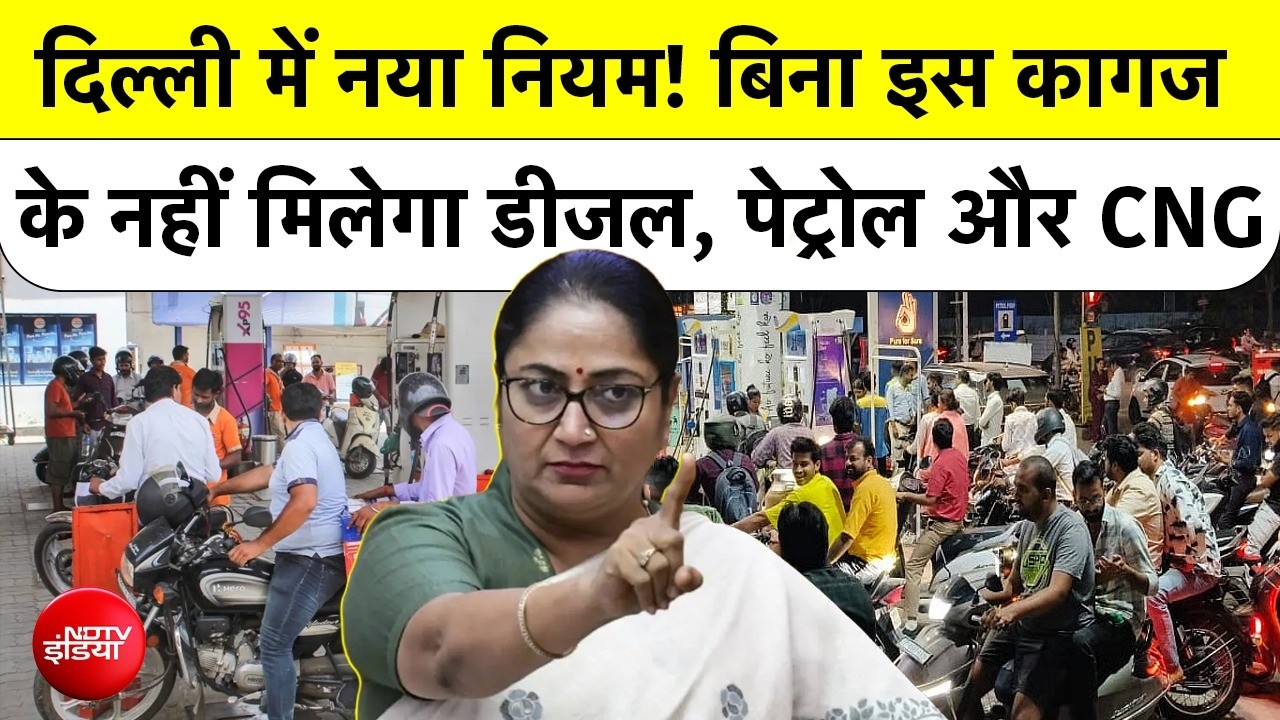
From 1 November, only goods vehicles meeting BS-VI standards or running on CNG or electricity will be permitted to enter Delhi. The restriction forms part of a broader zero-tolerance approach to vehicle emissions, backed by Automatic Number Plate Recognition cameras and digital tracking systems. The government is also enforcing a "No PUC, No Fuel" rule, under which vehicles without valid pollution-under-control certificates will be denied fuel.
The plan identifies 62 traffic hotspots across the city for targeted, time-bound interventions to ease congestion. A citywide Intelligent Traffic Management System is being rolled out alongside smart parking solutions and pricing reforms designed to cut road emissions. During periods of severe pollution, the government may also introduce staggered office timings, work-from-home arrangements and additional curbs on high-polluting vehicles.
To reduce dependence on private cars, the government aims to expand Delhi's bus fleet to 13,760 vehicles by 2028-29, with a preference for electric buses. Metro and rapid rail networks will be integrated with feeder buses, electric autos and shared transport services to improve last-mile connectivity. Some 32,000 electric vehicle charging points are also planned over the next four years, supported by an upcoming EV Policy 2026 focused on two-wheelers and commercial vehicles.
The plan covers 11 priority sectors in all, including road dust, construction activity, industrial emissions, waste management and biomass burning. Road dust will be tackled through mechanical sweepers, water sprinklers and anti-smog guns, with GPS tracking and a centralised dashboard monitoring operations in real time. Nearly 3,500 kilometres of roads are to be resurfaced with paved finishes and green buffers.
The government has set firm deadlines to clear Delhi's three legacy landfill sites: Okhla by July 2026, Bhalswa by December 2026 and Ghazipur by December 2027. A complete ban on biomass burning is already in force, with electric heaters being distributed as an alternative. Industrial units must now install online emission monitoring systems or face closure.
On the greening front, the government has pledged to plant 70 lakh trees, shrubs and bamboo plants in 2026-27, with a longer-term target exceeding one crore plantations.
CM Gupta said the plan was "not just a policy announcement" but "an enforcement-driven campaign powered by resources, technology and strict oversight," adding that clean air was a fundamental right for every Delhi resident.
Published: April 04, 2026 13:00 IST
 Reported by Reet Kaur Sahni | Friday August 07, 2026
As per the ministry, prior Environmental Clearance becomes mandatory for data centres depending on their physical footprint under Schedule 8 of the EIA Notification, 2006.
- Written by Sambhav Kumar | Thursday August 06, 2026
Keerthy Suresh's 41-hour no-sleep stretch highlights the intense demands many professionals face, but experts warn that prolonged sleep deprivation should never become routine.
- Written by Sambhav Kumar | Wednesday August 05, 2026
Preliminary evidence suggests the blood filtration treatment could reduce some microplastic particles, though findings are limited and require more study.
- Monday August 03, 2026 , New Delhi
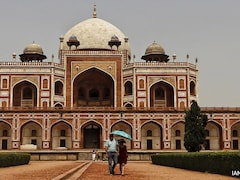
Study reveals black crust from pollution weakens Humayuns Tomb sandstone
- Written by Debosmita Ghosh | Saturday August 01, 2026
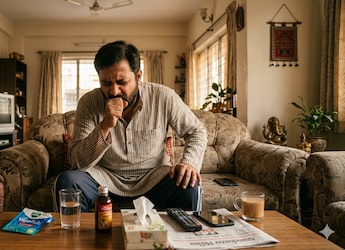
Lung cancer is often diagnosed at an advanced stage because its early symptoms are easy to overlook. A persistent cough is among the most commonly ignored warning signs.


................................ Advertisement ................................
Blog | Well Done, Delhi. You've Turned Lung Sacrifice Into A Badge Of HonourSaikat Kumar Bose
Monday November 10, 2025Till some years back, Delhiites would ask angry questions to those in power about the capitals annual tryst with toxic air. This has changed. Those in the driving seat dont see the need to answer now.
Opinion | Why Indians Have Just Given Up On Air Pollution CrisisTanushree Ganguly
Friday December 20, 2024While some may argue that people in Delhi are now more aware of air pollution than they were a decade back, my rebuttal would be that awareness does not mean that people are concerned.
Opinion | You Must Outrage Over Filthy Air More Than Once A YearJyoti Pande Lavakare
Tuesday December 10, 2024Delhi welcomed us with monsoon rains and mangos. We were home. Fast forward a couple of years, in the winter of 2012, I found myself in denial about something other parents, mostly expats, were calling toxic air.
Opinion | Delhi's Air Pollution Situation Is Like A Bad MarriageNishtha Gautam
Friday November 22, 2024On a good day, such as today, the AQI reading in Delhi is 407. We are jubilant at the sickly sunshine trickling through the slightly dissipated smog. At least its not 1600.
दिवाली... पराली... सियासी जुगाली!Ashwini kumar
Monday November 18, 2024दिल्ली-एनसीआर में प्रदूषण का समाधान तो आज तक मिला नहीं. हर साल चिंतित होकर हम-आप सांसों की तकलीफ के साथ-साथ दिल और ब्लड प्रेशर के मरीज भी क्यों बनें?


