


- Home/
- Delhi EV Policy 2026 Cleared: No Hybrid Benefits, EV-Only Push Gets Bigger
Delhi EV Policy 2026 Cleared: No Hybrid Benefits, EV-Only Push Gets Bigger
Reported by Ishika Verma | Updated: June 29, 2026 20:56 IST
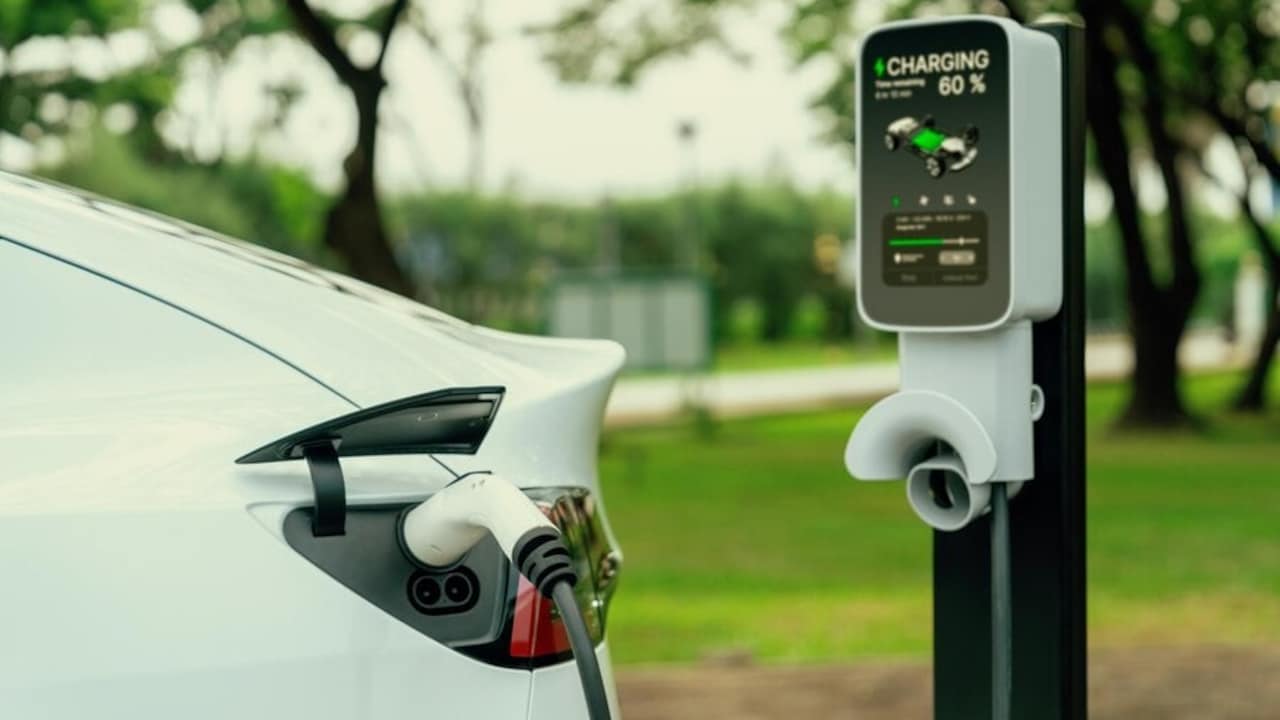
The policy introduces a three-year lock-in period for buyers availing government subsidies.
Highlights
- Delhi approved the EV Policy 2026, focusing only on battery electric vehicles, excluding hybrids
- Subsidies include up to Rs 1 lakh for electric goods carriers and scrapping incentives for old vehicles
- Delhi plans Rs 15,000 crore investment for 30,000 charging points and infrastructure expansion by 2030
New Delhi :
The Delhi Cabinet on Monday approved the Delhi EV Policy 2026, choosing to keep the capital's clean mobility roadmap focused exclusively on battery electric vehicles (EVs) by rejecting a proposal to extend incentives to strong hybrid cars.
The policy, which comes into effect on July 1 and will remain in force till March 31, 2030, lays out a roadmap to accelerate electric mobility through purchase subsidies, scrapping incentives, tax exemptions, charging infrastructure and phased registration deadlines for key vehicle segments.
Hybrid Incentives Dropped
The Cabinet's decision marks a significant departure from the draft policy, which had proposed a 50 per cent exemption on road tax and registration fees for strong hybrid cars priced up to Rs 30 lakh. That provision has been dropped from the final policy, signalling the government's decision to back only zero-tailpipe emission vehicles.
The government has instead chosen to concentrate its financial support on battery-powered EVs as part of its strategy to curb vehicular pollution.
EV-Only Registration Timeline
The policy retains the draft proposal on registration timelines, setting clear deadlines for the transition to electric mobility.
From January 1, 2027, only electric passenger and goods three-wheelers will be registered in Delhi.
From April 1, 2028, only electric two-wheelers will be eligible for registration in the national capital.
The move targets vehicle segments that account for a significant share of Delhi's traffic and vehicular emissions.
Subsidy Comes With A Three-Year Lock-In
The policy introduces a three-year lock-in period for buyers availing government subsidies.
Vehicles purchased with government incentives cannot be registered in another state during the first three years, preventing beneficiaries from immediately selling subsidised vehicles outside Delhi.
Road Tax Waiver, Rs 1 Lakh Scrapping Incentive
To encourage electric car adoption, the government has announced a 100 per cent exemption on road tax and registration fees for electric cars with an ex-showroom price of up to Rs 30 lakh registered in Delhi.
It has also introduced a Rs 1 lakh scrapping incentive for buyers purchasing a new electric car after scrapping a Delhi-registered BS-IV or older vehicle.
The incentive will be available if the new EV is purchased within six months of receiving the Certificate of Deposit (CoD) from an authorised vehicle scrapping facility and will be limited to the first one lakh eligible applicants.
Who Gets What: EV Subsidies Explained
The policy offers graded purchase incentives over three years:
Electric two-wheelers: Up to Rs 30,000 in the first year, Rs 20,000 in the second year and Rs 10,000 in the third year.
Electric three-wheelers: Up to Rs 50,000 in the first year, Rs 40,000 in the second year and Rs 30,000 in the third year.
N1 category electric goods carriers (up to 3.5 tonnes): Up to Rs 1 lakh.
Separate scrapping incentives include:
- Rs 10,000 for electric two-wheelers
- Rs 25,000 for electric three-wheelers
- Rs 1 lakh for electric four-wheelers
- Rs 50,000 for N1 trucks
- Rs 15,000 for Gramin Sewa vehicles
Special Push For Electric Trucks
To promote cleaner freight movement, the first 1,000 buyers of N2 category electric trucks carrying between 3.5 tonnes and 12 tonnes will receive a 10-year exemption from Delhi's "No Entry" timing restrictions, provided the vehicles are purchased within three months of the policy notification.
Rs 15,000 Crore For Charging Infrastructure
Chief Minister Rekha Gupta said the government would invest around Rs 15,000 crore over the next four years to expand charging infrastructure and promote electric mobility.
The government plans to install more than 30,000 EV charging points across Delhi. A dedicated online portal will process incentives through Direct Benefit Transfer (DBT), while investments will also be made in vehicle scrapping facilities and supporting infrastructure.
Calling the policy a roadmap to make Delhi pollution-free by 2030, the Chief Minister said the focus would remain on accelerating EV adoption across the city.
Experts Welcome Focus On Commercial EVs
Welcoming the policy's emphasis on commercial vehicles, Amit Bhatt, Managing Director (India) at the International Council on Clean Transportation, said faster adoption of electric two- and three-wheelers could significantly improve Delhi's air quality.
"These segments account for a large share of the city's vehicle fleet, and accelerating their transition to zero-emission vehicles can significantly reduce vehicular emissions, improve public health, and pave the way for a broader transition to zero-emission transport across all vehicle segments."
What The Policy Means For Delhi
With the Delhi EV Policy 2026, the government has drawn a clear line in favour of pure electric vehicles, dropping support for hybrid technology while introducing financial incentives and registration deadlines aimed at speeding up the transition to cleaner transport.
The policy combines subsidies, tax exemptions, scrapping incentives, charging infrastructure expansion and phased registration changes, making it one of Delhi's biggest electric mobility initiatives yet. It also signals that the capital's long-term strategy to combat vehicular pollution will rely on battery-powered EVs rather than hybrid vehicles.
Published: June 29, 2026 20:56 IST
also read
 Written by Debosmita Ghosh | Friday June 26, 2026
One natural and effective way to improve lung capacity is through yoga. There are several yoga asanas that focus on opening the chest, improving posture, and encouraging deep, controlled breathing.
- Written by Ambika Singh Kahma | Friday June 19, 2026
NDTV Lifeline's first episode gives India a wake-up call to recognise sleep apnea as a critical public health issue
- Reported by Ishika Verma | Friday June 19, 2026 , New Delhi
The measures, outlined under a newly notified winter air quality management framework, are intended to help authorities, businesses and residents prepare in advance for the period between November and February, when Delhi's air quality typically dete
- Edited by Nikhil Pandey | Friday June 19, 2026
An unprecedented Ukrainian drone strike on a major Moscow oil refinery has caused a bizarre environmental crisis, with oily "black rain" falling over parts of the Russian capital.
- Written by Dr Anindita Singh | Monday June 15, 2026
From a clinical point of view, infertility often develops quietly, without noticeable symptoms, especially in the early stages, and the whole process can look normal from the outside.




................................ Advertisement ................................

Blog | Well Done, Delhi. You've Turned Lung Sacrifice Into A Badge Of HonourSaikat Kumar Bose
Monday November 10, 2025Till some years back, Delhiites would ask angry questions to those in power about the capitals annual tryst with toxic air. This has changed. Those in the driving seat dont see the need to answer now.
Opinion | Why Indians Have Just Given Up On Air Pollution CrisisTanushree Ganguly
Friday December 20, 2024While some may argue that people in Delhi are now more aware of air pollution than they were a decade back, my rebuttal would be that awareness does not mean that people are concerned.
Opinion | You Must Outrage Over Filthy Air More Than Once A YearJyoti Pande Lavakare
Tuesday December 10, 2024Delhi welcomed us with monsoon rains and mangos. We were home. Fast forward a couple of years, in the winter of 2012, I found myself in denial about something other parents, mostly expats, were calling toxic air.
Opinion | Delhi's Air Pollution Situation Is Like A Bad MarriageNishtha Gautam
Friday November 22, 2024On a good day, such as today, the AQI reading in Delhi is 407. We are jubilant at the sickly sunshine trickling through the slightly dissipated smog. At least its not 1600.
दिवाली... पराली... सियासी जुगाली!Ashwini kumar
Monday November 18, 2024दिल्ली-एनसीआर में प्रदूषण का समाधान तो आज तक मिला नहीं. हर साल चिंतित होकर हम-आप सांसों की तकलीफ के साथ-साथ दिल और ब्लड प्रेशर के मरीज भी क्यों बनें?


