


- Home/
- "Higher Parking Fee, WFH": Inside Delhi's Plan To Combat Winter Air Pollution
"Higher Parking Fee, WFH": Inside Delhi's Plan To Combat Winter Air Pollution
Reported by Ishika Verma | Updated: June 19, 2026 13:45 IST

Large construction sites and commercial high-rise buildings will be required to deploy anti-smog guns
Highlights
- Delhi's winter pollution plan mandates no fuel sales without valid PUC certificates
- Entry of non-BS-VI commercial vehicles from outside Delhi restricted between Nov-Jan
- Parking fees doubled from November to February to curb private vehicle use
New Delhi :
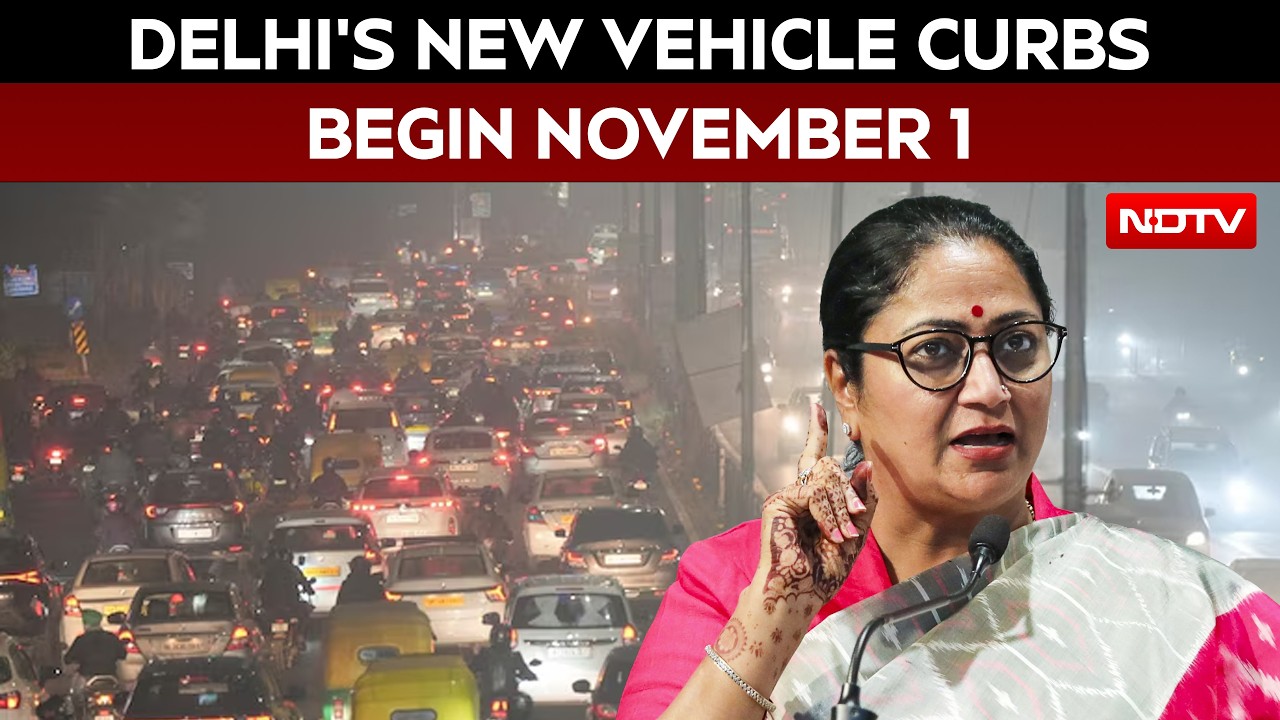
The Delhi government on Friday unveiled a winter pollution action plan that includes a "no fuel without PUC" rule, higher parking charges, work-from-home provisions and tighter restrictions on construction activity during the annual smog season.
The measures, outlined under a newly notified winter air quality management framework, are intended to help authorities, businesses and residents prepare in advance for the period between November and February, when Delhi's air quality typically deteriorates.
Chief Minister Rekha Gupta said the government has decided to announce potential restrictions months ahead of winter instead of introducing them after pollution levels spike.
"Potential restrictions and arrangements are being communicated months before winter sets in so that people do not face inconvenience later," the Chief Minister said.
What Delhi Residents Can Expect This Winter
Under the framework, fuel may be supplied at Delhi petrol pumps only to vehicles with a valid Pollution Under Control Certificate (PUCC).
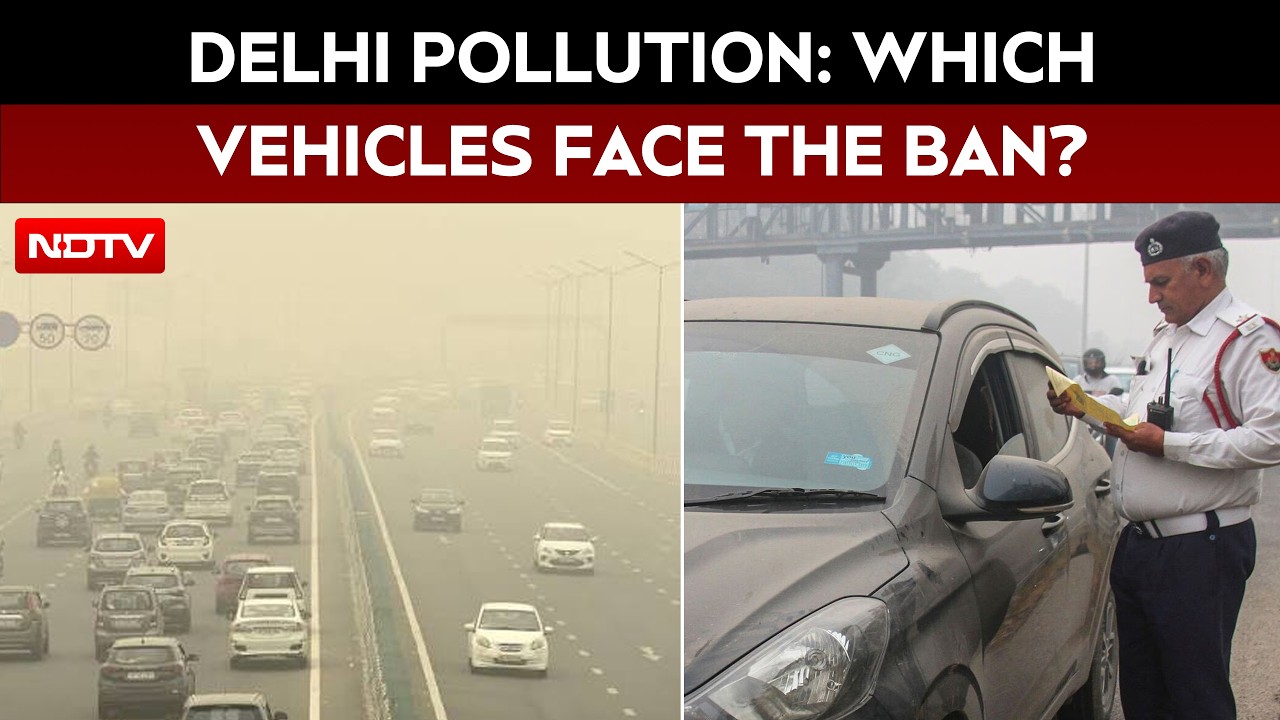
The government has also proposed restricting the entry of non-BS-VI commercial vehicles registered outside Delhi between November 1 and January 31. CNG vehicles, electric vehicles, emergency service vehicles and vehicles engaged in government work will be exempt.
Parking charges at authorised parking facilities will be doubled from November 1 to February 28 as part of efforts to discourage excessive use of private vehicles during the winter months.
The framework also provides for staggered office timings and work-from-home arrangements, with government and private offices operating at up to 50 per cent physical attendance. Essential and emergency services will be exempt.
No Fuel Without PUC, Entry Curbs For Older Vehicles
The notified framework places a major focus on reducing vehicular emissions, one of the key contributors to Delhi's winter pollution.
Besides linking fuel supply to valid PUC certificates, authorities may restrict the movement of older commercial vehicles entering the city during the peak pollution season.
Officials believe the advance notice will give vehicle owners, transport operators and businesses sufficient time to comply with the proposed measures before winter begins.
Construction Sites Face Stricter Dust-Control Rules
Construction and demolition activities between November 1 and January 31 will have to comply with prescribed dust-control norms.
Additional curbs may be imposed between December 10 and January 20, when pollution levels are usually at their highest. Essential and emergency projects may be exempted.
The movement of vehicles carrying construction material could also be regulated during periods of high pollution.
Large construction sites and commercial high-rise buildings will be required to deploy anti-smog guns, mist suppression systems and other dust-control measures.
Open Burning Under Drone Surveillance
The government has directed RWAs, institutions, contractors and other agencies to prevent the open burning of garbage, leaves and other materials.
It has also called for alternative heating arrangements for security guards and other workers who often rely on open fires during winter.
Field surveillance and drone-based monitoring will be expanded to detect violations, with environmental compensation charges and other penalties proposed for offenders.
Framework To Run Alongside GRAP
The framework has been notified under the Environment (Protection) Act, 1986, and will operate alongside the revised GRAP mechanism issued by the Commission for Air Quality Management.
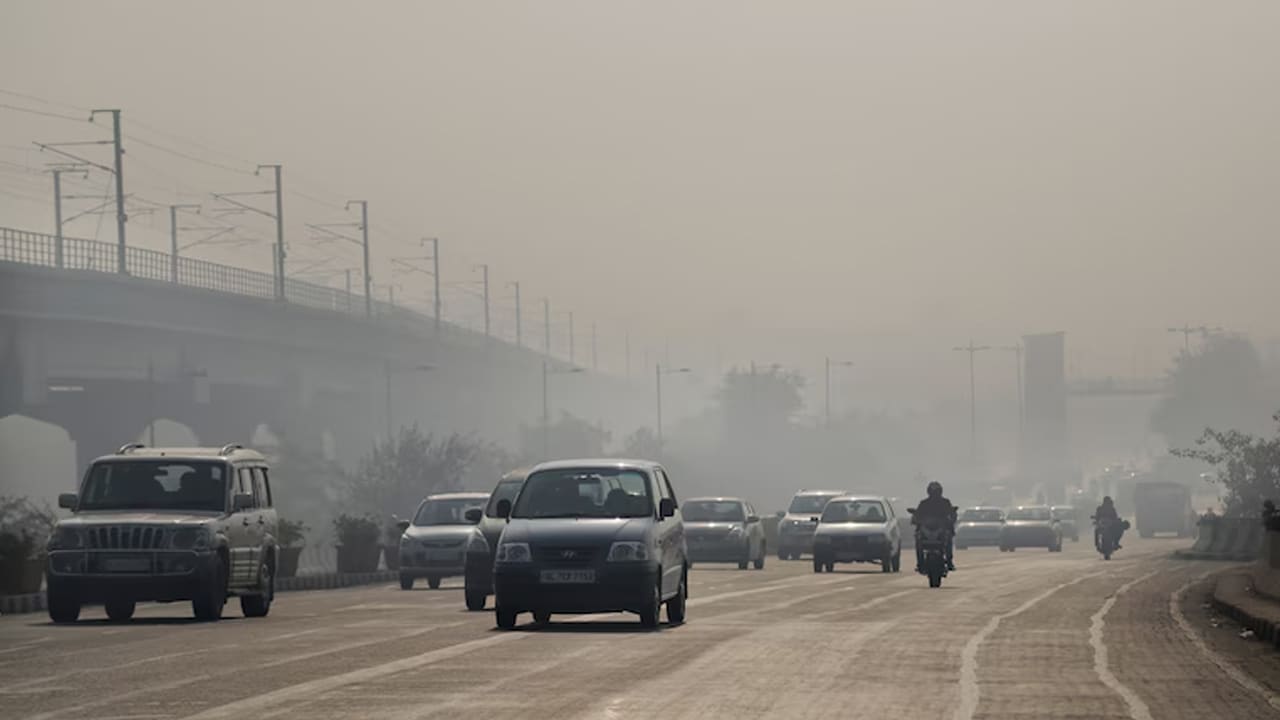
Delhi's air quality routinely falls into the "Very Poor" and "Severe" categories between November and February. The government said the advance framework is aimed at ensuring departments, agencies, businesses and residents are aware of potential restrictions well before winter and can plan accordingly.
Published: June 19, 2026 13:43 IST
 Edited by Aakanksha Singh | Monday November 02, 2026
Today's News Bulletin: Delhi battles hazardous air and a new set of pollution restrictions, while the Supreme Court weighs in on Diwali celebrations.
- Monday November 02, 2026 , New Delhi
The GRAP-II involves a series of restrictions that include mechanical or vacuum sweeping of roads and water sprinkling, raising parking fees to discourage the use of personal vehicles, increasing the frequency of Metro services and CNG and electric buses.
- Written by Vishesh Nagar | Monday November 02, 2026
Check the latest AQI readings for New Delhi, Mumbai, Bengaluru, Chennai, Hyderabad and Kolkata.
- Monday November 02, 2026 , New Delhi
Three monitoring stations recorded 'severe' air quality at 4 pm. Jahangirpuri reported the worst AQI at 436, followed by Rohini at 415 and Punjabi Bagh at 413.
- Edited by Mohd Asim | Monday November 02, 2026
Joining the attack on the actor, Mumbai Mayor Ritu Tawde also objected to the BMC engaging Dia Mirza, calling her anti-government and anti-Hindu



................................ Advertisement ................................
Opinion: Why Delhi's Smog Can't Be Fixed From SpaceDavid Fickling, Bloomberg
Monday October 19, 2026The clearest sign that Delhi is on a path to cleaner air would be a decline in the amount of paddy grown nearby, and therefore the acreage liable to be burned each year.
Don't Normalise Air Purifiers As Delhi Chokes | The Reason Why
Thursday December 11, 2025More than 90 cities in the world's top 100 polluting list are in India. With every passing year, the AQI is rising, reaching 'hazardous' levels.
Blog | Well Done, Delhi. You've Turned Lung Sacrifice Into A Badge Of HonourSaikat Kumar Bose
Monday November 10, 2025Till some years back, Delhiites would ask angry questions to those in power about the capitals annual tryst with toxic air. This has changed. Those in the driving seat dont see the need to answer now.
Opinion | Why Indians Have Just Given Up On Air Pollution CrisisTanushree Ganguly
Friday December 20, 2024While some may argue that people in Delhi are now more aware of air pollution than they were a decade back, my rebuttal would be that awareness does not mean that people are concerned.
Opinion | You Must Outrage Over Filthy Air More Than Once A YearJyoti Pande Lavakare
Tuesday December 10, 2024Delhi welcomed us with monsoon rains and mangos. We were home. Fast forward a couple of years, in the winter of 2012, I found myself in denial about something other parents, mostly expats, were calling toxic air.



