


- Home/
- Extreme Heat And Severe Air Pollution Make For A Lethal Combination, Know How It Impacts Your Health
Extreme Heat And Severe Air Pollution Make For A Lethal Combination, Know How It Impacts Your Health
Written by Debosmita Ghosh | Updated: June 30, 2026 19:47 IST

Highlights
- Delhi NCR experienced daytime feels-like temperatures above 50°C and highest June night temps in two years
- Average minimum temperature rose to 22.9°C, marking the warmest pre-monsoon nights since 2022
- Extreme heat and air pollution together increase risks of breathing issues, dehydration, and heart problems
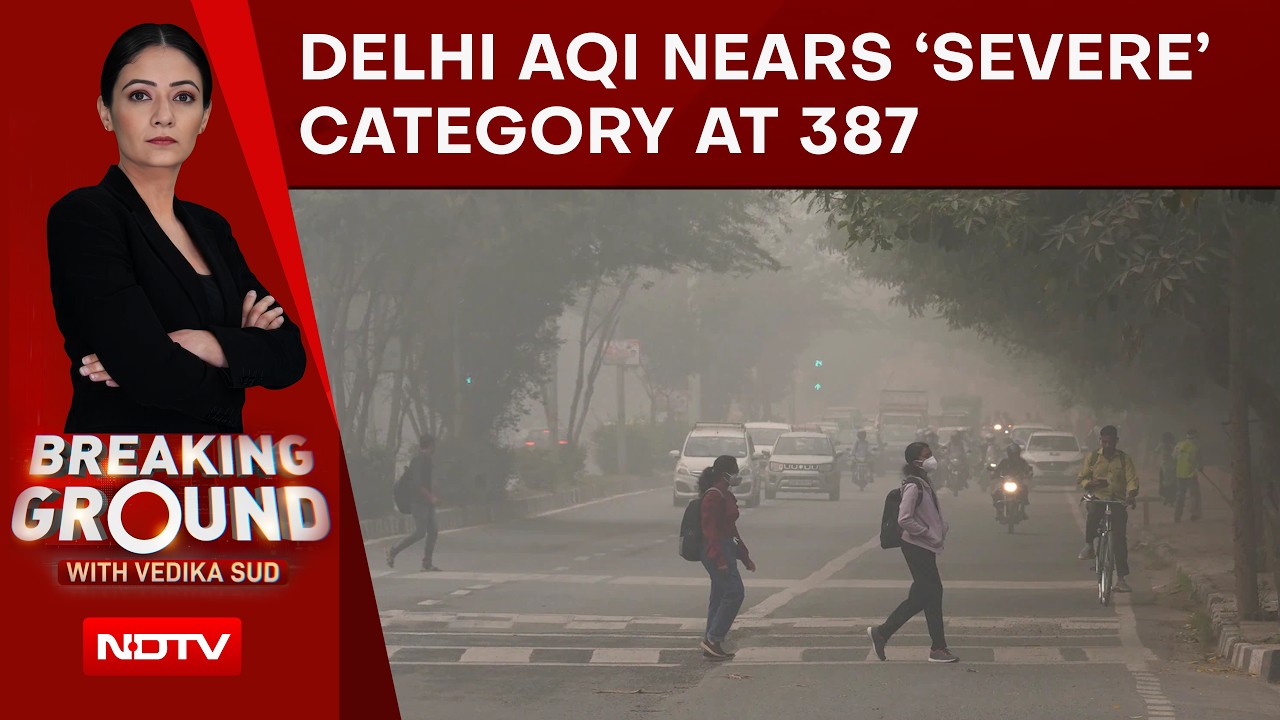
Delhi NCR has been witnessing extremely high temperatures and severe air quality. On Sunday, the "feels like" temperature was above 50 degrees Celsius during the day, and the night temperature was the highest for June in two years. According to IMD data accessed by PTI, Delhi recorded its warmest summer nights in four years, with the average minimum temperature during the March-June pre-monsoon period climbing to 22.9 degrees Celsius, the highest seasonal average since 2022. Delhi and its nearby cities have also been witnessing a drop in air quality.
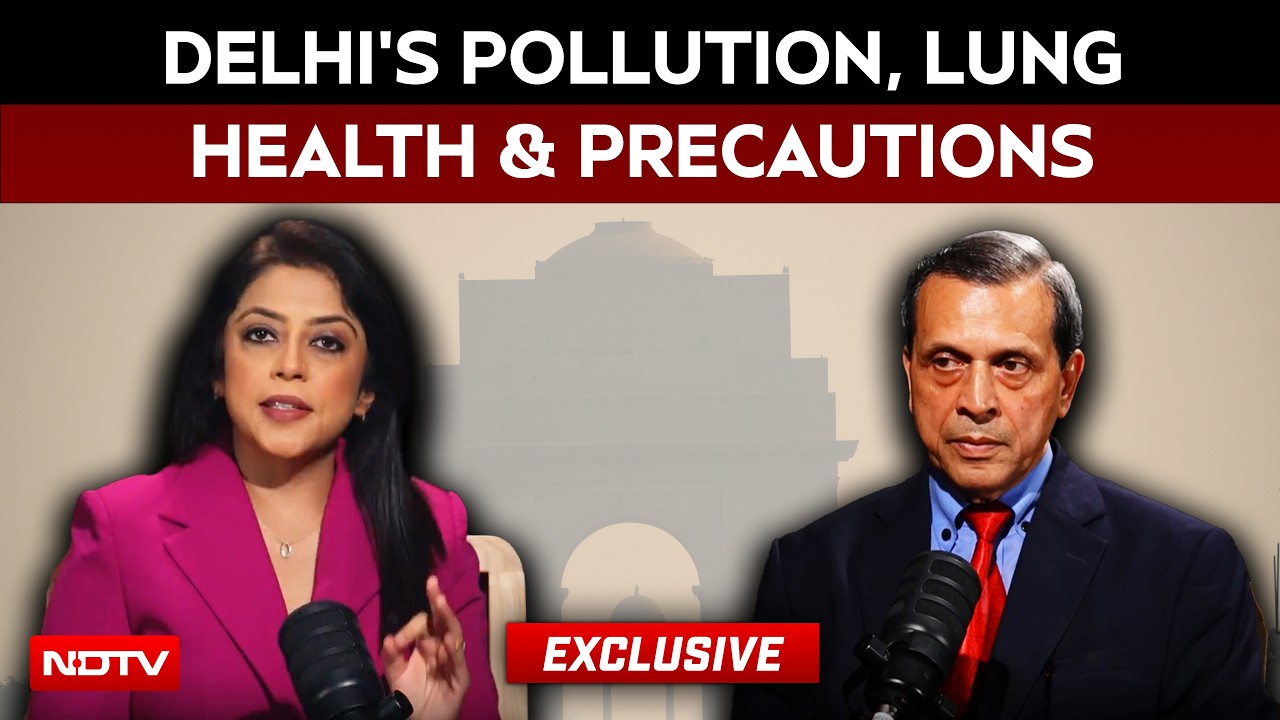
Extreme heat and severe air pollution are becoming major health concerns across the world. While both of these environmental conditions are dangerous on their own, together they can create a deadly combination that seriously affects human health. During periods of extreme heat, temperatures rise significantly above normal levels. At the same time, harmful pollutants such as fine particulate matter (PM2.5), ozone, nitrogen dioxide, and smoke often increase in the atmosphere. Hot weather can trap pollutants near the ground, making the air more toxic and difficult to breathe. As a result, people are exposed to both high temperatures and poor air quality simultaneously.
How Extreme Heat and Air Pollution Affect the Body
When the body is exposed to excessive heat, it works harder to maintain a normal temperature. Sweating increases, blood vessels widen, and the heart pumps faster. However, polluted air puts additional stress on the lungs and cardiovascular system. Together, these conditions can overwhelm the body's defence mechanisms.
Some common health impacts include:
- Breathing difficulties: Polluted air irritates the airways, causing coughing, wheezing, and shortness of breath. Heat can further worsen these symptoms.
- Increased risk of dehydration: High temperatures lead to excessive sweating and fluid loss, which may result in dizziness, weakness, and fatigue.
- Heart-related problems: The heart has to work harder during hot weather. Exposure to polluted air can increase the risk of high blood pressure, heart attacks, and strokes.
- Heat exhaustion and heatstroke: Severe heat exposure can lead to dangerous conditions such as heat exhaustion and heatstroke, both of which require immediate medical attention.
- Worsening of existing illnesses: People suffering from asthma, chronic obstructive pulmonary disease (COPD), diabetes, or heart disease may experience more severe symptoms.
Who Is Most At Risk?
Although everyone can be affected, certain groups are more vulnerable.
- Older adults, especially those above 65 years of age
- Infants and young children
- Pregnant women
- People with pre-existing heart or lung diseases
- Outdoor workers such as construction labourers, traffic police personnel, and delivery workers
These people may find it more difficult to regulate body temperature or cope with polluted air, increasing their risk of serious illness.
Warning Signs You Should Not Ignore
It is important to recognise early symptoms of heat stress and air pollution exposure. Get medical help if you notice:
- Persistent difficulty in breathing
- Chest pain or irregular heartbeat
- Severe headache or confusion
- Excessive weakness or fainting
- Nausea and vomiting
- Very high body temperature accompanied by dry skin
Ignoring these warning signs can lead to severe complications.
How to Protect Yourself
Simple precautions can reduce the harmful effects of extreme heat and air pollution.
- Stay indoors during the hottest hours of the day, usually between 12 noon and 4PM
- Drink plenty of water even if you do not feel thirsty
- Wear loose, light-coloured clothing
- Avoid strenuous outdoor activities during heatwaves
- Check daily air quality reports and limit outdoor exposure when pollution levels are high
- Keep windows closed during severe pollution episodes and use air purifiers if available
- Wear a well-fitted mask, such as an N95 mask, when stepping outdoors in heavily polluted conditions
Disclaimer: This content including advice provides generic information only. It is in no way a substitute for a qualified medical opinion. Always consult a specialist or your own doctor for more information. NDTV does not claim responsibility for this information.
Published: June 30, 2026 19:33 IST
also read
Lung Cancer Is No Longer Just A Smoker's Disease: Why More Non-Smokers And Women Are At Risk
Written by Ambika Singh KahmaGRAP III Imposed In Delhi-NCR Amid Rising Pollution Levels
Indo Asian News ServiceDelhi Air Pollution: Doctor Explains The 'Definitive Link' Between Heart Attacks And Air Pollution
Written by Sneha Mordani
 Reported by Sneha Mordani, Edited by Prapti Upadhayay | Friday November 06, 2026 , New Delhi
Dr Guleria said there is growing evidence, from India and abroad, that living for long in polluted air raises the risk of lung cancer. He said poor air exposes the lungs to mutations, and both lab studies and clinical data suggest the risk rises among non-smokers as well.
- Written by Ambika Singh Kahma | Friday November 06, 2026
Lung cancer cases are rising among women, younger people, and non-smokers, highlighting risks beyond tobacco such as air pollution.
- Written by Vishesh Nagar | Friday November 06, 2026
From Delhi's AQI of 275 to Bengaluru's 60, here's how air quality compares across six Indian cities.
- Friday November 06, 2026 , New Delhi
The Commission for Air Quality Management (CAQM) on Friday invoked Stage-III of the Graded Response Action Plan (GRAP) across Delhi and the entire National Capital Region, amid an increase in pollution levels in the National Capital Region (NCR).
- NDTV News Desk | Friday November 06, 2026 , Delhi
While GRAP-III is typically invoked when the air quality turns "severe" and the AQI hits 400, the pollution board invoked it early as a precautionary measure.
................................ Advertisement ................................
दीवाली की चौखट पर दिल्ली में सांसों का संकट: 30 साल की स्टडी ने हरियाली को लेकर क्या बताया?
Thursday November 05, 2026अध्ययन में हरियाली की मात्रा के साथ उसके फैलाव और आपसी जुड़ाव को भी महत्वपूर्ण पाया गया. जिन इलाकों में हरियाली ज्यादा बिखरी हुई थी, वहां सतही तापमान अधिक रहा. इसके विपरीत, बड़े और आपस में जुड़े हरित क्षेत्रों में तापमान कम पाया गया.
Opinion: Why Delhi's Smog Can't Be Fixed From SpaceDavid Fickling, Bloomberg
Monday October 19, 2026The clearest sign that Delhi is on a path to cleaner air would be a decline in the amount of paddy grown nearby, and therefore the acreage liable to be burned each year.
Don't Normalise Air Purifiers As Delhi Chokes | The Reason Why
Thursday December 11, 2025More than 90 cities in the world's top 100 polluting list are in India. With every passing year, the AQI is rising, reaching 'hazardous' levels.
Blog | Well Done, Delhi. You've Turned Lung Sacrifice Into A Badge Of HonourSaikat Kumar Bose
Monday November 10, 2025Till some years back, Delhiites would ask angry questions to those in power about the capitals annual tryst with toxic air. This has changed. Those in the driving seat dont see the need to answer now.
Opinion | Why Indians Have Just Given Up On Air Pollution CrisisTanushree Ganguly
Friday December 20, 2024While some may argue that people in Delhi are now more aware of air pollution than they were a decade back, my rebuttal would be that awareness does not mean that people are concerned.




