- Home/
- Heritage Meets Humanity: Ismail Khatri And The USHA Silai School Connection
Heritage Meets Humanity: Ismail Khatri And The USHA Silai School Connection
Team NDTV | Updated: January 30, 2025 13:30 IST
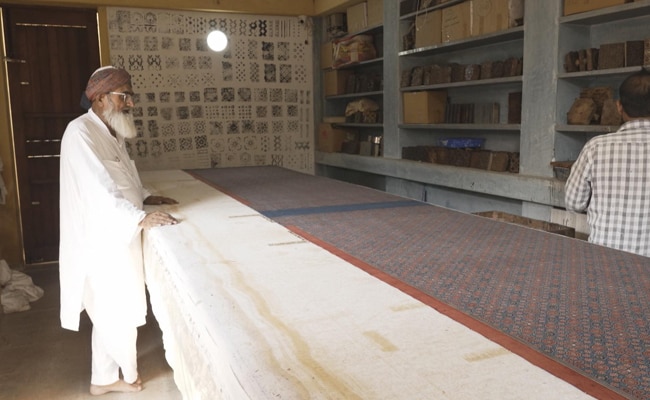
In the heart of Gujarat, where the winds carry tales of tradition and the earth paints a canvas of vibrant hues, resides a man who is not just a weaver, but a guardian of heritage. Ismail Khatri, a renowned Ajrakh artisan, has dedicated his life to preserving and promoting this ancient art form. His family-run business has been supplying high-quality, hand-printed fabrics to both domestic and international markets.
Ismail Khatri said,
"This work is very old for us. Our ancestors came from Sindh, and Rao Barmal Ji II brought this craft here. He was fond of the craft. Our ancestors chose the village of Dhamadka because there was a river where the clothes could be washed. We are the 9th generation here in Kutch."
The Empowering Journey Of Sanjay Vidyarthi And USHA Silai School
Ismail Khatri has transformed his home into a vibrant hub of traditional craftsmanship. His workshop buzzes with activity as artisans meticulously prepare Ajrakh products. From dyeing fabrics to creating intricate patterns, every step of the process is carried out with precision and passion.
Ismail Khatri said,
"The concept of Ajrakh is Sufi-ism. It doesn't have flowers, birds, or idols. It's more geometrical. When this work of Ajrakh started, many artisans got work, and it became a kind of market."
But it's not just Ismail Khatri's commitment to this art; his contribution extends to empowering communities beyond his craft. He has generously donated over 4,500 meters of cloth to USHA Silai Schools across India, directly impacting the lives of numerous women. Women have used this fabric during teaching and also to make salwar kurtas, bags, nighties, and other products for selling.
Ismail Khatri further added,
“I watched a show by NDTV about USHA then I contacted a nearby organization. They mentioned having some fabric that would be suitable for women learning cutting, so the fabric was given to USHA women for practice.”
Stitching A Future: How USHA And ISC Are Empowering Women Entrepreneurs In Pune
USHA's training cum production centers often require raw material like fabric to teach new batches of women. The fabric contributed by Ismail Khatri was distributed to several training cum production centers as per their requirement.
Coming from a family with a nine-generation-long legacy in this art form, Ismail Khatri has dedicated his life to preserving and promoting this ancient craft. He has earned many accolades, including the UNESCO Award Seal of Excellence for handicrafts. A recognition of his wider contribution to the field of crafts is his Honorary Doctorate from De Montfort University in Leicester, in 2003.
As the sun sets over Kutch, the legacy of Mr. Ismail Khatri and the countless others who support the USHA Silai School program continues to shine bright. It's a testament to the power of human kindness and the enduring spirit of giving.
Published: January 29, 2025 13:49 IST
also read
Important To Implement Environmental Rules To Sustain Gains Of Lockdown: Union Environment Minister Prakash Javadekar
PTIMumbai Based Green Champion Is Striving To Make The City The Cycling Capital By 2030
Reported by Ambika Singh KahmaDr Naresh Trehan On The Learnings From The Coronavirus Pandemic And How Technology Can Help Save The Environment
Written by Aastha Ahuja, Edited by Sonia Bhaskar
 Written by Sneha Mordani | Wednesday November 25, 2026
One person dies every 2nd day in Delhi due to Lung Cancer reveals data from an RTI query. Top Delhi Chest Surgeon says the number of a gross underestimate.
- Written by Debosmita Ghosh | Wednesday November 25, 2026
6,581 lung cancer cases were reported at AIIMS, Ram Manohar Lohia (RML) Hospital and the Delhi State Cancer Institute (DSCI) between January 1, 2020, and July 31, 2026. Safdarjung Hospital did not provide its total number of cases but reported 393 lung cancer deaths.
- Written by Shreya Goswami | Wednesday November 25, 2026
Air pollution may increase the risk of Alzheimer's disease and dementia by disrupting the brain's immune cells, a new study finds. With Indian cities facing high PM2.5 levels, researchers' findings raise fresh concerns about the long-term neurological effects of polluted air.
- Written by Amit Chaturvedi | Wednesday November 25, 2026
The sources of pollution identified by the study include vehicular traffic, construction, and commercial sources. It also said that stubble burning contributes to seasonal deterioration in the air quality in Delhi and areas around it.
- Wednesday November 25, 2026 , New Delhi
Air quality in Delhi remained in the poor category, with four monitoring stations recording 'very poor' readings.


................................ Advertisement ................................


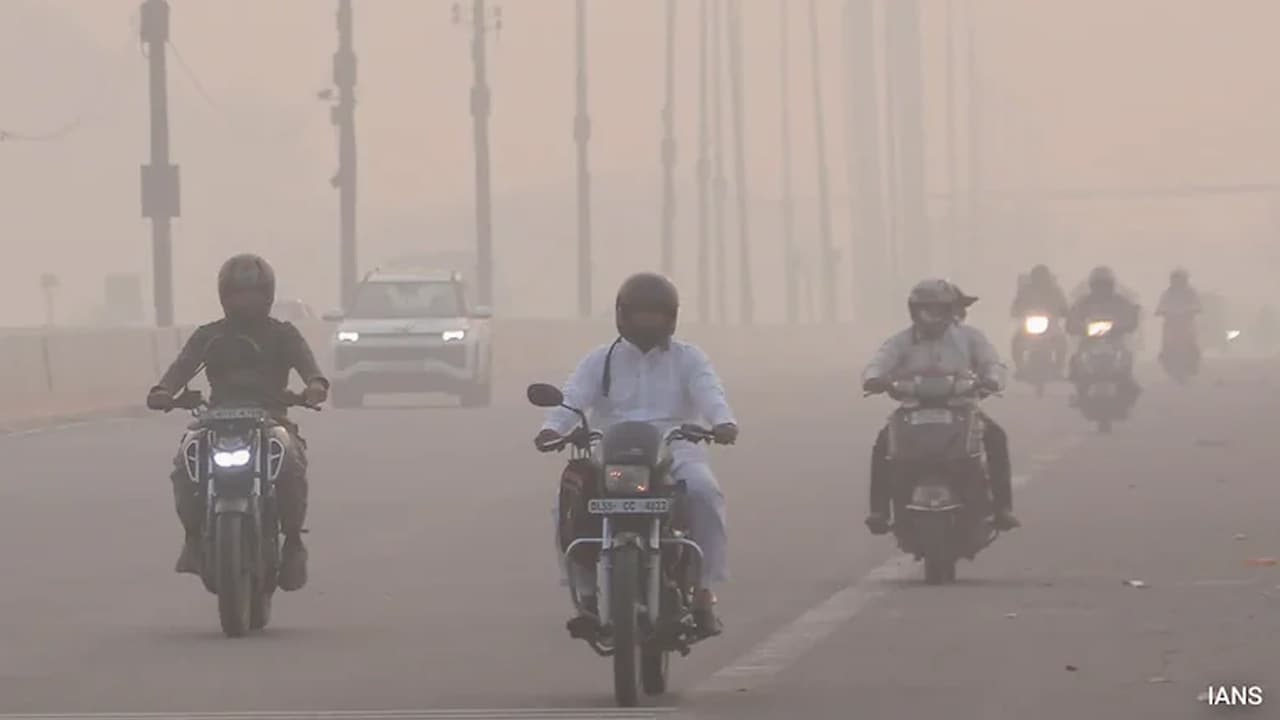
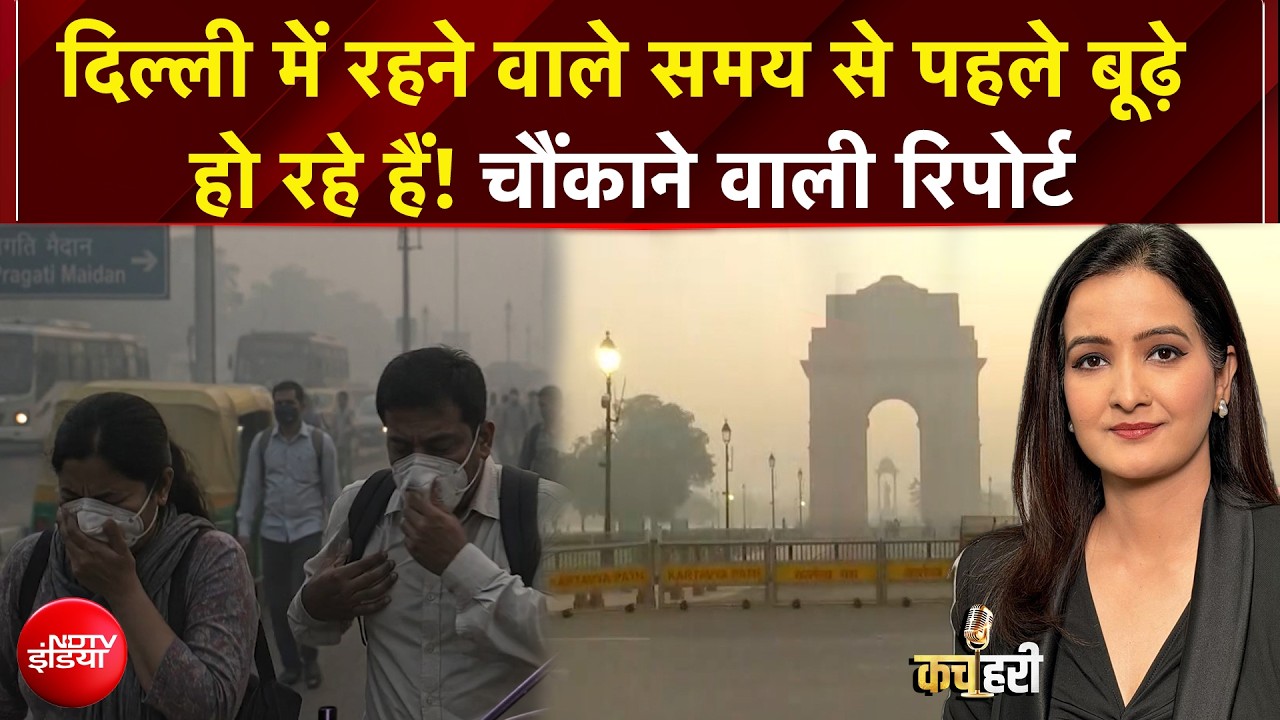

Opinion | Delhi Has Every Pollution Control Policy - Except One That Works
Monday November 09, 2026Every November, Delhi performs the same ritual. We check the AQI before stepping outdoors, children are kept indoors, masks reappear, schools consider shutting, construction is restricted, and emergency meetings are convened. Politicians blame the weather, neighbouring states, farmers, or firecrackers. And then, as the season changes, the urgency d...
दीवाली की चौखट पर दिल्ली में सांसों का संकट: 30 साल की स्टडी ने हरियाली को लेकर क्या बताया?
Thursday November 05, 2026अध्ययन में हरियाली की मात्रा के साथ उसके फैलाव और आपसी जुड़ाव को भी महत्वपूर्ण पाया गया. जिन इलाकों में हरियाली ज्यादा बिखरी हुई थी, वहां सतही तापमान अधिक रहा. इसके विपरीत, बड़े और आपस में जुड़े हरित क्षेत्रों में तापमान कम पाया गया.
Opinion: Why Delhi's Smog Can't Be Fixed From SpaceDavid Fickling, Bloomberg
Monday October 19, 2026The clearest sign that Delhi is on a path to cleaner air would be a decline in the amount of paddy grown nearby, and therefore the acreage liable to be burned each year.
Don't Normalise Air Purifiers As Delhi Chokes | The Reason Why
Thursday December 11, 2025More than 90 cities in the world's top 100 polluting list are in India. With every passing year, the AQI is rising, reaching 'hazardous' levels.
Blog | Well Done, Delhi. You've Turned Lung Sacrifice Into A Badge Of HonourSaikat Kumar Bose
Monday November 10, 2025Till some years back, Delhiites would ask angry questions to those in power about the capitals annual tryst with toxic air. This has changed. Those in the driving seat dont see the need to answer now.