- Home/
- How Mulethi-Ajwain Water Helps Improve Respiratory Health During Pollution - An Expert Weighs In
How Mulethi-Ajwain Water Helps Improve Respiratory Health During Pollution - An Expert Weighs In
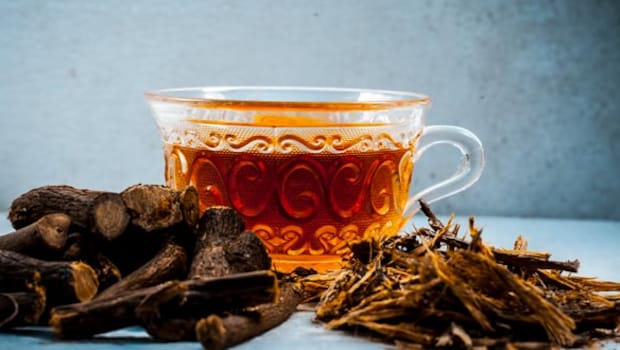
Ajwain-Methi Water Benefits: This Ayurvedic lung-soothing drink can offer comfort.
Highlights
- Mulethi, ajwain, ginger, jaggery, and water make up the Ayurvedic lung-soothing drink recipe.
- Mulethi has anti-inflammatory properties that soothe the respiratory tract and protect lungs.
- Ginger contains gingerol, which reduces lung inflammation and supports clearer breathing.
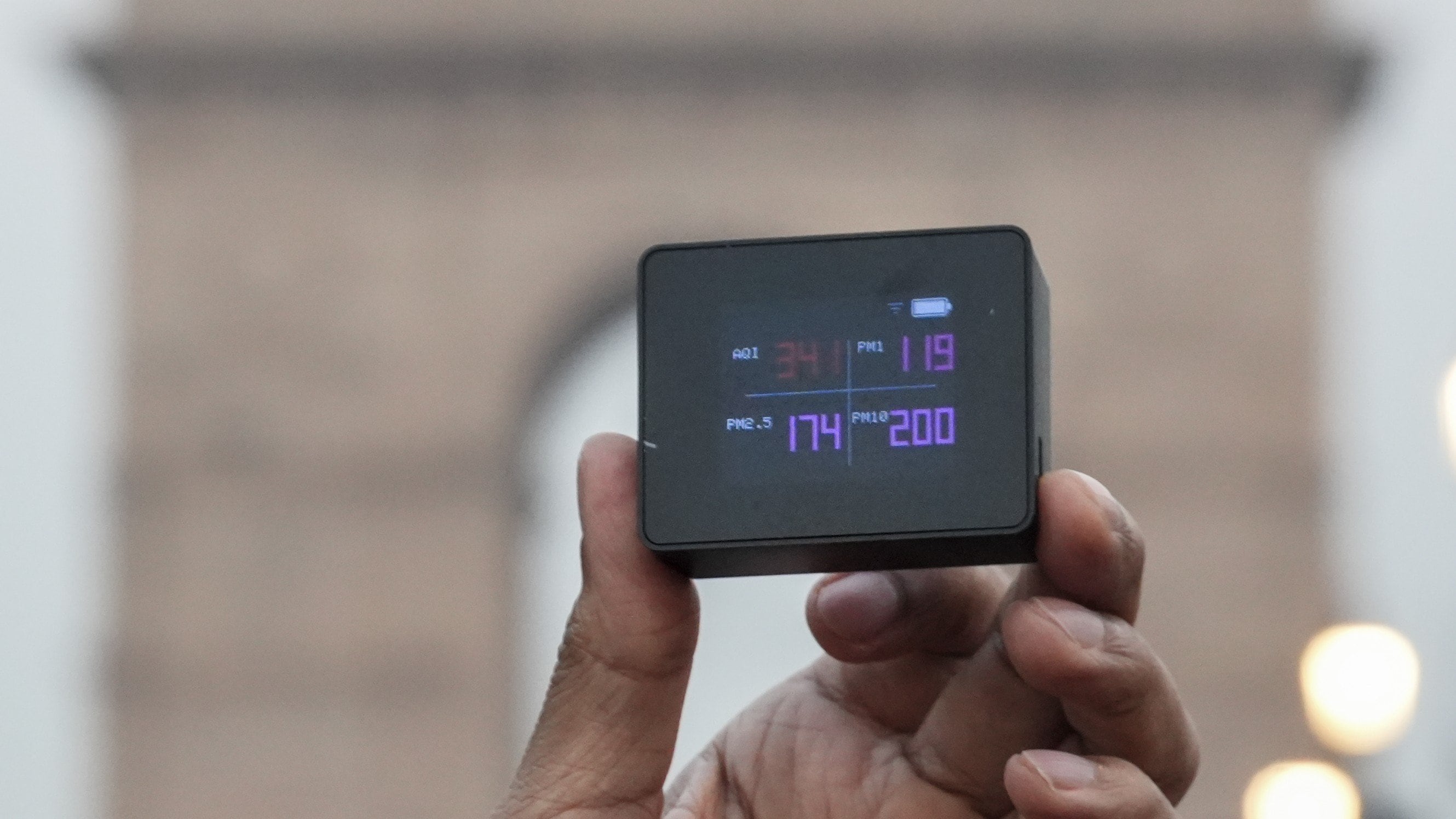
Every year after Diwali, the air becomes heavier, the skies turn grey, and breathing starts to feel like a task. This year too, AQI levels have shot up, with many people waking up with cough, congestion, headaches, sore throats and burning eyes. Amid this seasonal struggle, many are turning to home remedies for support. Nutritionist Lovneet Batra has shared a simple Ayurvedic drink on Instagram that, she says, may help soothe the respiratory tract and protect the lungs from pollution damage. While it's not a substitute for masks, filters or medical guidance, this easy morning ritual can be a helpful addition to your routine during peak pollution days.
Also Read: Promote Lung Health Naturally! Try This Ajwain Mulethi Kadha To Combat Air Pollution
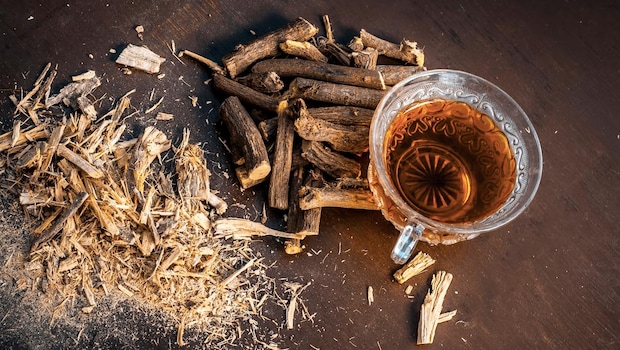
Photo Credit: iStock
Ayurvedic Morning Drink To Cleanse Lungs And Fight Pollution:
What You'll Need
- Mulethi (Licorice Root): 3-inch piece
- Ajwain (Carom Seeds): 1 tsp
- Fresh Ginger:1/2-inch piece
- Jaggery: 1/2 tsp (optional)
- Water
How To Prepare Mulethi-Ajwain Water
- Boil mulethi, ajwain and ginger in 1.5 cups of water.
- Let it simmer until the quantity reduces by half.
- Strain the drink, add jaggery and sip warm - preferably on an empty stomach in the morning.
Why Mulethi-Ajwain Water Helps Fight Pollution
1. Mulethi:
According to Lovneet, mulethi helps soothe the respiratory tract and calm constant irritation caused by polluted air. It is known for its anti-inflammatory properties, which may reduce swelling in the airways and make breathing feel easier. She adds that mulethi also acts as a protective barrier, helping shield the lungs from ongoing pollution-related damage.
2. Ginger:
Lovneet explains that ginger is rich in a compound called gingerol, which can help ease inflammation in the lungs and throat. By reducing irritation inside the airways, it may support clearer, smoother breathing, especially when pollution levels are high. She says its warming nature also improves circulation, helping the body naturally expel toxins.
3. Ajwain:
Ajwain is known for its strong antimicrobial and antioxidant benefits, which help the body fight harmful microbes we inhale in polluted environments. It also supports better digestion, preventing toxin build-up that can further burden the system. Its active compounds may strengthen the body's defense mechanism against pollutants and heavy metals.
4. Jaggery:
Jaggery has long been used in Indian households to cleanse the lungs and clear mucus from the respiratory tract. It is traditionally believed to help remove fine dust and pollutant particles that enter the body through the air we breathe. When combined with warm herbs and spices, it may assist in gentle detoxification from within.
Watch the full video below:
What Pollution Does to Your Lungs
Pollutants like PM2.5 and PM10 can travel deep into the lungs, causing inflammation, congestion, dryness, wheezing and long-term respiratory stress. They also weaken the mucosal lining, making the lungs more vulnerable to infections. This is why soothing, anti-inflammatory ingredients can offer supportive relief.
Who Can Benefit From This Drink
This ritual may be helpful for:
- Those who commute daily or spend long hours outdoors.
- People experiencing seasonal cough, sore throat or mild congestion.
- Anyone feeling dryness or discomfort due to polluted air.
How Often Should You Drink It?
Once a day in the morning is ideal. Since mulethi can impact blood pressure if consumed excessively, avoid taking it daily for long stretches. Stick to 10-14 days at a time during peak pollution.
Important Caution
Consult a medical professional first if you are:
- Pregnant or breastfeeding
- Suffering from high blood pressure
- Dealing with kidney issues or water retention
- On specific medications (consult your doctor)
Other Lung-Friendly Habits To Add
Along with this remedy, these habits can offer additional support:
- Wear an N95 mask when stepping outdoors
- Try steam inhalation with ajwain or eucalyptus
- Practice nasya (2-3 drops of warm ghee or sesame oil in nostrils, as per Ayurveda
- Include tulsi, turmeric, honey and warm water in your diet
- Use an air purifier indoors or keep windows closed during peak hours
We may not have control over outdoor air quality, but we can strengthen our body's inner defence. Along with masks, purifiers and medical guidance where needed, simple kitchen remedies, like this Ayurvedic lung-soothing drink can offer comfort and support during pollution season.
Published: October 21, 2025 18:35 IST
 Reported by Ankita Tiwari | Wednesday November 11, 2026 , New Delhi
According to a Centre for Science and Environment (CSE) report, the average PM2.5 concentration during the week before Diwali stood at 236 micrograms per cubic metre, almost double the 120 ug/m3 recorded in 2025. It was also the highest pre-Diwali average in three years.
- Wednesday November 11, 2026 , New Delhi
The transport sector is expected to be the largest contributor to pollution on Wednesday, while the impact of stubble burning is anticipated to increase on Thursday, potentially worsening air quality further over the next few days, according to Indian Institute of Tropical Meteorology models.
- Reported by Himanshu Shekhar Mishra, Edited by Anindita Sanyal | Wednesday November 11, 2026 , New Delhi
Air pollution in Delhi-NCR has worsened during the onset of winter (from October to mid-November) this year. This has been revealed in a new analysis by the Centre for Science and Environment or CSE, an organisation that monitors environmental issues.
- Written by Vishesh Nagar | Wednesday November 11, 2026
All 10 cities in the ranking fall under the 'Hazardous' category, with Bathinda recording the highest AQI, followed by Rewari and Faridkot.
- Written by Debosmita Ghosh | Wednesday November 11, 2026
Recent AQI data has also shown how pollution can change between night, early morning and daytime hours. In Delhi, pollution increased after sunset and in the early hours following Diwali, while levels fell later in the morning.

................................ Advertisement ................................




Opinion | Delhi Has Every Pollution Control Policy - Except One That Works
Monday November 09, 2026Every November, Delhi performs the same ritual. We check the AQI before stepping outdoors, children are kept indoors, masks reappear, schools consider shutting, construction is restricted, and emergency meetings are convened. Politicians blame the weather, neighbouring states, farmers, or firecrackers. And then, as the season changes, the urgency d...
दीवाली की चौखट पर दिल्ली में सांसों का संकट: 30 साल की स्टडी ने हरियाली को लेकर क्या बताया?
Thursday November 05, 2026अध्ययन में हरियाली की मात्रा के साथ उसके फैलाव और आपसी जुड़ाव को भी महत्वपूर्ण पाया गया. जिन इलाकों में हरियाली ज्यादा बिखरी हुई थी, वहां सतही तापमान अधिक रहा. इसके विपरीत, बड़े और आपस में जुड़े हरित क्षेत्रों में तापमान कम पाया गया.
Opinion: Why Delhi's Smog Can't Be Fixed From SpaceDavid Fickling, Bloomberg
Monday October 19, 2026The clearest sign that Delhi is on a path to cleaner air would be a decline in the amount of paddy grown nearby, and therefore the acreage liable to be burned each year.
Don't Normalise Air Purifiers As Delhi Chokes | The Reason Why
Thursday December 11, 2025More than 90 cities in the world's top 100 polluting list are in India. With every passing year, the AQI is rising, reaching 'hazardous' levels.
Blog | Well Done, Delhi. You've Turned Lung Sacrifice Into A Badge Of HonourSaikat Kumar Bose
Monday November 10, 2025Till some years back, Delhiites would ask angry questions to those in power about the capitals annual tryst with toxic air. This has changed. Those in the driving seat dont see the need to answer now.