


- Home/
- Indigo, Air India Seek To Restore Flights As 32 Airports Reopen
Indigo, Air India Seek To Restore Flights As 32 Airports Reopen
Indo-Asian News Service | Updated: May 12, 2025 17:52 IST

The 32 airports, which had been closed till May 15, are now available for operations. (Representational)
New Delhi:
India's largest airlines, IndiGo and Air India, on Monday said that their teams were working to gradually start operating flights to and from the 32 airports that the government has reopened following the de-escalation of hostilities on the Pakistani border.
"In line with the latest government directives, the airports are open for operations. We will progressively commence operations on the previously closed routes," IndiGo said in a statement.
"As services gradually return to normal, there may still be a few delays and last-minute adjustments... our teams will work diligently to restore seamless operations," the airline said.
IndiGo also recommended that passengers should check their flight status regularly for the latest updates.
It further stated that for passengers reconsidering their travel plans, change and cancellation fee waivers remain available until May 22 for travel to and from the affected airports.
#6ETravelUpdatepic.twitter.com/DfBfSws8l1
— IndiGo (@IndiGo6E) May 12, 2025
Air India said that following a notification from aviation authorities on the reopening of airports, the airline is working towards progressively commencing flights to and from Jammu, Srinagar, Leh, Jodhpur, Amritsar, Bhuj, Jamnagar, Chandigarh and Rajkot.
The Tata Group airline said that its teams were working on bringing operations at these airports back to normal. Air India also urged passengers to "stay tuned for further updates".
#TravelAdvisory
— Air India (@airindia) May 12, 2025
Following a notification from aviation authorities on the reopening of airports, Air India is working towards progressively commencing flights to and from Jammu, Srinagar, Leh, Jodhpur, Amritsar, Bhuj, Jamnagar, Chandigarh and Rajkot.
We appreciate your…
According to an Airports Authority of India statement, the 32 airports, which had been closed till May 15, "are now available for civil aircraft operations with immediate effect."
"It is recommended for travellers to check flight status directly with airlines and monitor airline's websites for regular updates," the statement added.
The Centre on Monday issued the NOTAM (Notice to Airmen) to reopen the 32 airports that had been shut down since May 9 due to the cross-border drone and missile attacks following heightened tensions between India and Pakistan in the wake of the Pahalgam massacre of 26 tourists by Islamabad-backed terrorists.
The airports that will gradually reopen include Chandigarh, Srinagar, Amritsar, Ludhiana, Bhuntar, Kishangarh, Patiala, Shimla, Kangra-Gaggal, Bathinda, Jaisalmer, Jodhpur, Bikaner, Halwara, Pathankot, Jammu, Leh, Mundra, Jamnagar, Hirasar, Porbandar, Keshod, Kandla, and Bhuj.
The airports will be opened gradually as, although the ceasefire announced following the Pakistan DGMO's (Director General of Military Operations) request is largely holding, the government does not want to take any chances.
"The night remained largely peaceful across Jammu and Kashmir and other areas along the International Border. No incidents have been reported, marking the first calm night in recent days," according to a statement issued by the Indian Army on Monday.
The opening of these airports which are close to the Pakistan border reflects a de-escalation in the cross-border hostilities which saw India successfully launching Operation Sindoor to avenge the Pahalgam killings.
The reopening will help to restore normalcy in flight operations which have undergone widespread disruption due to the conflict.
(Except for the headline, this story has not been edited by NDTV staff and is published from a syndicated feed.)
Published: May 12, 2025 17:51 IST
 Reported by Reet Kaur Sahni | Friday August 07, 2026
As per the ministry, prior Environmental Clearance becomes mandatory for data centres depending on their physical footprint under Schedule 8 of the EIA Notification, 2006.
- Written by Sambhav Kumar | Thursday August 06, 2026
Keerthy Suresh's 41-hour no-sleep stretch highlights the intense demands many professionals face, but experts warn that prolonged sleep deprivation should never become routine.
- Written by Sambhav Kumar | Wednesday August 05, 2026
Preliminary evidence suggests the blood filtration treatment could reduce some microplastic particles, though findings are limited and require more study.
- Monday August 03, 2026 , New Delhi
Study reveals black crust from pollution weakens Humayuns Tomb sandstone
- Written by Debosmita Ghosh | Saturday August 01, 2026
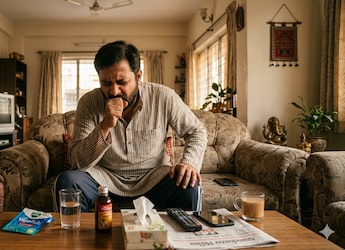
Lung cancer is often diagnosed at an advanced stage because its early symptoms are easy to overlook. A persistent cough is among the most commonly ignored warning signs.



................................ Advertisement ................................
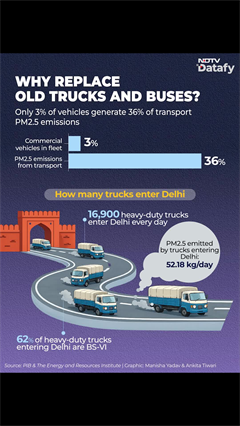

Blog | Well Done, Delhi. You've Turned Lung Sacrifice Into A Badge Of HonourSaikat Kumar Bose
Monday November 10, 2025Till some years back, Delhiites would ask angry questions to those in power about the capitals annual tryst with toxic air. This has changed. Those in the driving seat dont see the need to answer now.
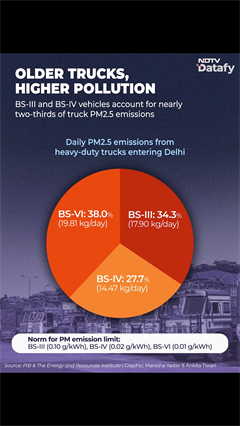
Opinion | Why Indians Have Just Given Up On Air Pollution CrisisTanushree Ganguly
Friday December 20, 2024While some may argue that people in Delhi are now more aware of air pollution than they were a decade back, my rebuttal would be that awareness does not mean that people are concerned.
Opinion | You Must Outrage Over Filthy Air More Than Once A YearJyoti Pande Lavakare
Tuesday December 10, 2024Delhi welcomed us with monsoon rains and mangos. We were home. Fast forward a couple of years, in the winter of 2012, I found myself in denial about something other parents, mostly expats, were calling toxic air.
Opinion | Delhi's Air Pollution Situation Is Like A Bad MarriageNishtha Gautam
Friday November 22, 2024On a good day, such as today, the AQI reading in Delhi is 407. We are jubilant at the sickly sunshine trickling through the slightly dissipated smog. At least its not 1600.
दिवाली... पराली... सियासी जुगाली!Ashwini kumar
Monday November 18, 2024दिल्ली-एनसीआर में प्रदूषण का समाधान तो आज तक मिला नहीं. हर साल चिंतित होकर हम-आप सांसों की तकलीफ के साथ-साथ दिल और ब्लड प्रेशर के मरीज भी क्यों बनें?


