


- Home/
- Lancet Identifies 17 Global Threats To Human Health, Urges Governments To Act
Lancet Identifies 17 Global Threats To Human Health, Urges Governments To Act
Written by Debosmita Ghosh | Updated: October 13, 2026 14:48 IST
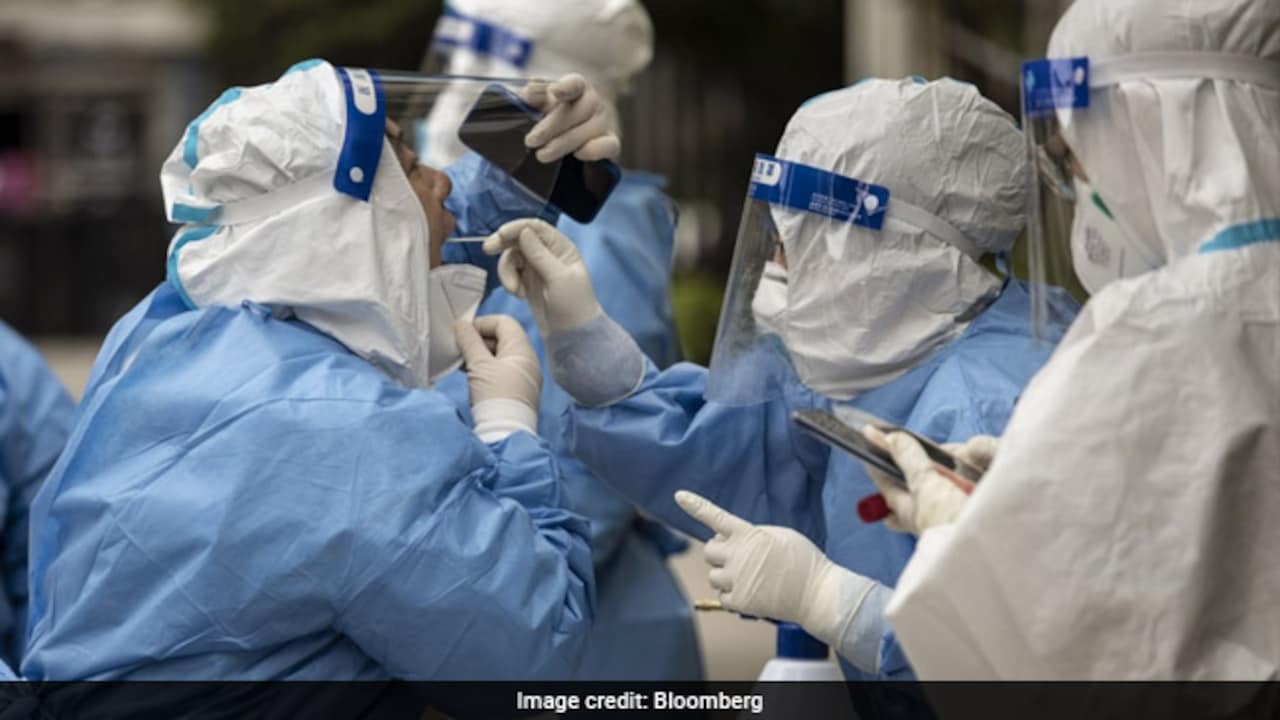
New infectious diseases can spread across borders and overwhelm health systems
Highlights
- The Lancet report identifies 17 major global health threats from 2025 to 2100
- Climate change, antimicrobial resistance, and malnutrition are key challenges already impacting public health
- The threats are interconnected, requiring combined policy action to reduce health losses and inequality
Climate change, drug-resistant infections, pandemics and rising obesity are among the major challenges that could affect human health in the coming decades. However, a new report published in The Lancet warns that the world faces a much wider range of threats, including nuclear conflict and the harmful use of artificial intelligence (AI). These risks could lead to enormous losses of healthy life by the end of the century if governments fail to act. The Lancet Commission on 21st Century Global Threats to Health has identified 17 major threats that could affect human health and survival between 2025 and 2100.
This assessment draws on evidence covering 204 countries and territories and examines how policy decisions, investments and new technologies could reduce their impact. The findings are particularly important for India because several of these threats, including air pollution, childhood malnutrition, high blood pressure and infectious diseases, are already major public health concerns.
Commission co-chair Professor Christopher JL Murray, Director of the Institute for Health Metrics and Evaluation, University of Washington, said, "The striking finding is not only the scale of these threats, but that humanity still has the agency to act. Across all 17 catastrophic threats, the decisions made by leaders today will shape the health and wellbeing of the next generation. But delaying action will only serve to shift and increase the costs into the future."
What Are The 17 Global Health Threats?
The Commission examined hundreds of potential threats before identifying 17 that could cause catastrophic harm and whose impact could be reduced through policy changes, funding or innovation. The threats include:
- Malicious use of artificial intelligence: AI could be deliberately used to cause harm, including potentially helping develop biological weapons.
- Nuclear conflict: A nuclear war could cause mass deaths, disrupt food production and threaten human survival.
- Air pollution: Polluted air increases the risk of respiratory and cardiovascular diseases.
- Antimicrobial resistance (AMR): Drug-resistant infections can make common infections harder to treat.
- Childhood malnutrition: Poor nutrition can affect children's growth, development and long-term health.
- Climate change: Rising temperatures and extreme weather can affect health, food supplies and living conditions.
- Conventional conflict: Wars cause deaths and injuries, displace populations and disrupt healthcare.
- Declining international health aid: Reduced funding can weaken healthcare and disease-prevention programmes.
- High alcohol consumption: Harmful drinking increases the risk of several diseases and premature death.
- High blood pressure: Uncontrolled hypertension raises the risk of heart disease and stroke.
- Income inequality: Unequal access to resources can widen health gaps between populations.
- Low educational attainment: Limited access to education can affect health awareness and economic opportunities.
- Naturally occurring pandemics: New infectious diseases can spread across borders and overwhelm health systems.
- Obesity: Excess body weight increases the risk of diabetes, heart disease and other chronic health conditions.
- Poor mental health: Mental health conditions can affect daily functioning and overall wellbeing.
- Smoking: Tobacco use remains a major cause of preventable illness and death.
- Unhealthy ageing: Age-related health problems can increase the need for medical care and long-term support.
The Commission considers these threats catastrophic because of the scale of potential health losses and the possibility of taking meaningful action to reduce them.
Why Are These Threats Connected?
Dr Murray said, "The estimates highlight how much health loss could be avoided in each area. Some are already imposing substantial health burdens today, while others carry a real danger if they materialize. Crucially, all 17 threats are interconnected, which is why they must be addressed together, not in isolation."
One of the report's key messages is that these threats cannot be addressed separately. Climate change, for example, can worsen food insecurity, increase exposure to extreme heat and aggravate existing health problems. These effects can also place additional pressure on healthcare systems and deepen inequality.
Similarly, conflict can damage hospitals, interrupt vaccination programmes and restrict access to essential medicines. Poverty and low educational attainment can make it harder for people to obtain healthcare or understand health risks. Meanwhile, antimicrobial resistance could make infections more difficult to treat, increasing the dangers associated with routine medical procedures.
The Commission also highlights the enormous potential health losses associated with climate change. Limiting global warming to around 1.8 degrees Celsius, rather than allowing it to reach 4.4 degrees Celsius, could prevent an estimated 1.89 billion years of healthy life from being lost by 2100. The report also warns about nuclear conflict and the malicious use of AI, which could have severe consequences despite uncertainty about their likelihood.
What Does The Commission Recommend?
The Commission proposes three broad steps: build readiness, back breakthroughs and track threats.
- Build readiness: Governments should strengthen health systems so they can prevent, identify and respond to crises before they become widespread.
- Back breakthroughs: Higher investment is needed in areas such as vaccines, antibiotics, treatments for obesity and climate technologies. Innovation should be supported by safeguards and efforts to ensure that its benefits reach people who need them.
- Track threats: Governments should regularly assess emerging risks and use reliable data to identify changing patterns. This would help policymakers prepare for future challenges rather than respond only after a crisis begins.
How Could These Threats Impact India?
For India, the report highlights the need to tackle existing health challenges while preparing for future risks. Air pollution, childhood malnutrition, obesity, high blood pressure and poor mental health require sustained attention. Climate change could further worsen these problems through extreme heat, food insecurity and disruptions to essential services. India also needs stronger surveillance systems, responsible antibiotic use and better preparedness for emerging infectious diseases. Addressing these challenges together could help protect vulnerable communities and reduce the long-term burden on healthcare services.
Disclaimer: This content including advice provides generic information only. It is in no way a substitute for a qualified medical opinion. Always consult a specialist or your own doctor for more information. NDTV does not claim responsibility for this information.
Published: October 13, 2026 14:11 IST
also read
The Economic Cost Of Toxic Air: How Pollution Impacts Workforce Productivity And Healthcare Spending
Written by Dr Sabine KapasiWorld Pneumonia Day: 7 Reasons Why The Disease Claims So Many Lives In India And How to Prevent It
Written by Debosmita GhoshDelhi AQI Slips To 'Very Poor' Category: 7 Essential Precautions For Children Returning To School Post-Diwali
Written by Varsha Vats
 Thursday November 12, 2026 , Gurugram
Residents of flats worth crores say they are paying for clean air themselves, as societies put machines on rooftops and deploy water-sprinkling vehicles on roads.
- The Economic Cost Of Toxic Air: How Pollution Impacts Workforce Productivity And Healthcare SpendingWritten by Dr Sabine Kapasi | Thursday November 12, 2026
India pays for toxic air every year, through lost wages, hospital bills and slower growth, writes Dr. Sabine Kapasi.
- Written by Debosmita Ghosh | Thursday November 12, 2026
Pneumonia starts when an infection reaches the lungs and causes inflammation. The immune system responds to the infection, causing the air sacs to become inflamed and fill with fluid or pus. As the lungs become affected, oxygen exchange becomes harder.
- Written by Varsha Vats | Thursday November 12, 2026
Exposure to pollutants can harm your child's developing lungs and trigger symptoms such as cough, blocked nose, shortness of breath, and a scratchy throat.
- Written by Vaishnavi Mishra | Thursday November 12, 2026
Mumbai recorded an AQI of 154, in the poor category, with PM2.5 at 76 g/m and PM10 at 130 g/m, despite sunny skies and 28 degrees Celsius.
................................ Advertisement ................................
Opinion | Delhi Has Every Pollution Control Policy - Except One That Works
Monday November 09, 2026Every November, Delhi performs the same ritual. We check the AQI before stepping outdoors, children are kept indoors, masks reappear, schools consider shutting, construction is restricted, and emergency meetings are convened. Politicians blame the weather, neighbouring states, farmers, or firecrackers. And then, as the season changes, the urgency d...
दीवाली की चौखट पर दिल्ली में सांसों का संकट: 30 साल की स्टडी ने हरियाली को लेकर क्या बताया?
Thursday November 05, 2026अध्ययन में हरियाली की मात्रा के साथ उसके फैलाव और आपसी जुड़ाव को भी महत्वपूर्ण पाया गया. जिन इलाकों में हरियाली ज्यादा बिखरी हुई थी, वहां सतही तापमान अधिक रहा. इसके विपरीत, बड़े और आपस में जुड़े हरित क्षेत्रों में तापमान कम पाया गया.
Opinion: Why Delhi's Smog Can't Be Fixed From SpaceDavid Fickling, Bloomberg
Monday October 19, 2026The clearest sign that Delhi is on a path to cleaner air would be a decline in the amount of paddy grown nearby, and therefore the acreage liable to be burned each year.
Don't Normalise Air Purifiers As Delhi Chokes | The Reason Why
Thursday December 11, 2025More than 90 cities in the world's top 100 polluting list are in India. With every passing year, the AQI is rising, reaching 'hazardous' levels.
Blog | Well Done, Delhi. You've Turned Lung Sacrifice Into A Badge Of HonourSaikat Kumar Bose
Monday November 10, 2025Till some years back, Delhiites would ask angry questions to those in power about the capitals annual tryst with toxic air. This has changed. Those in the driving seat dont see the need to answer now.



