


- Home/
- Lost Your Voice? It Could Be Air Pollution, Cold, Reflux Or These Other Causes
Lost Your Voice? It Could Be Air Pollution, Cold, Reflux Or These Other Causes
Written by Shreya Goswami | Updated: November 25, 2025 11:17 IST
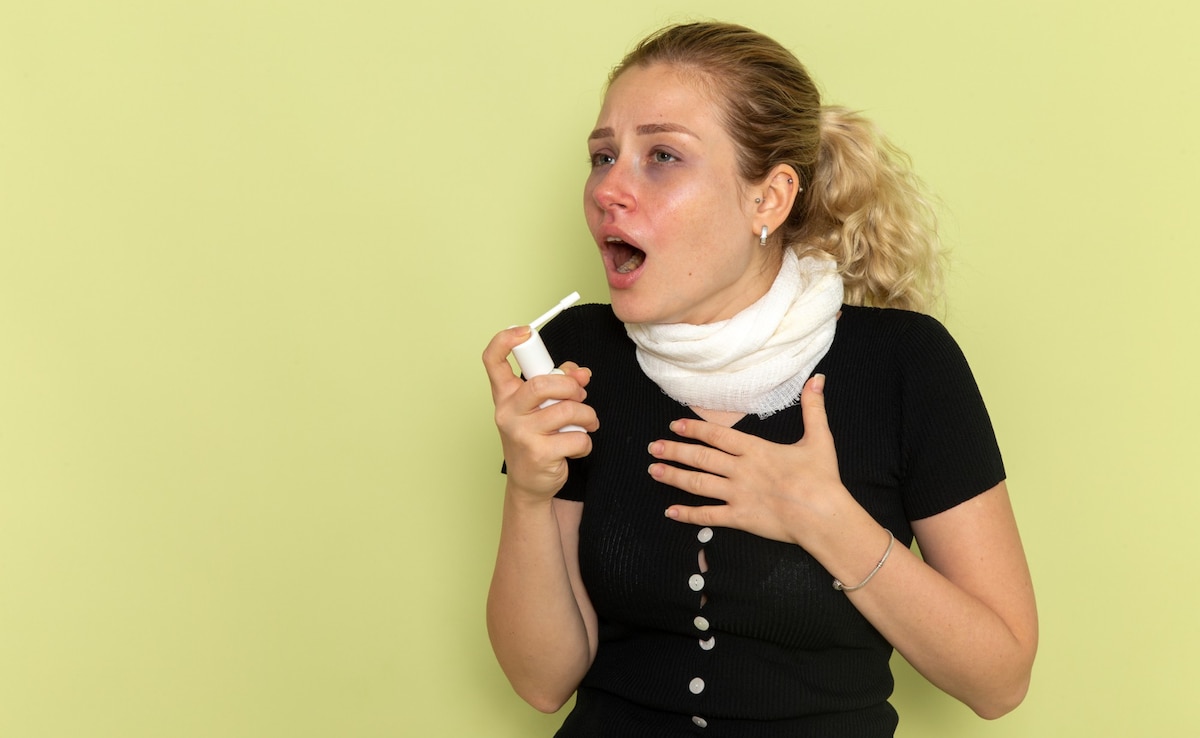
From air pollution to acid reflux to vocal over-use, a variety of factors can inflame your vocal cords
Losing your voice or waking up raspier than usual can be unsettling, especially if you rely on clear speech for work or daily life. If you live in parts of India where air quality has been worsening, like in Delhi-NCR, you might immediately assume pollutants have impacted your voice, or the increasingly cold weather has. While the common cold and throat infections are indeed frequent culprits, there are several other less obvious causes. From air pollution to acid reflux to vocal over-use, a variety of factors can inflame or strain your vocal cords, leading to hoarseness or even complete voice loss (aphonia). Understanding these triggers is important not just for healing, but for preventing lasting damage.
What Causes Voice Loss?
1. Air Pollution and Environmental Irritants
Chronic exposure to air pollution, fine particulate matter (PM), chemical fumes, allergens, and second-hand smoke, can irritate and inflame the larynx (voice box). Research shows that inhaling toxic pollutants can injure the mucosa of the vocal folds, leading to long-term voice issues. A laboratory study found that polycyclic aromatic hydrocarbons (PAHs) in polluted air trigger inflammatory responses in vocal-fold cells, impairing their function. Even low-level, chronic exposure, as experienced in urban areas, may subtly weaken your voice over time.
2. Upper Respiratory Infections (Coughs, Colds)
Acute viral infections, like the common cold or flu, are primary causes of acute laryngitis, a temporary inflammation of the vocal cords. These infections cause swelling of the cords, reducing their ability to oscillate properly and resulting in hoarseness or loss of voice. Recovery usually happens in a couple of weeks with rest, fluids and voice rest. If symptoms last beyond two weeks, medical evaluation is recommended.
3. Acid Reflux (GERD or Laryngopharyngeal Reflux)
One often overlooked cause is gastroesophageal reflux disease (GERD), or its subtler form, laryngopharyngeal reflux (LPR). Stomach acid can travel up to the larynx, irritating and damaging the vocal cords. (NIDCD) People with reflux-related voice issues may not always feel typical heartburn. Instead, they may complain of frequent throat clearing, cough, a globus sensation (lump in throat), or subtle voice changes. Managing this involves dietary changes (avoiding acidic or spicy food), weight management, and medications like proton-pump inhibitors when prescribed.
4. Vocal Strain Or Overuse
Overusing your voice, through prolonged shouting, singing, speaking loudly or in noisy environments, can injure the delicate vocal folds. This kind of misuse causes microtrauma, swelling, and fatigue of the vocal folds, leading to hoarseness. Professionals who depend on their voice (singers, teachers, public speakers) are especially vulnerable. Treatment often involves voice rest, therapy with a speech-language pathologist, and learning vocal hygiene techniques.
5. Allergies And Postnasal Drip
Allergens, like pollen, dust mites, pet dander, or chronic sinus issues can contribute to hoarseness. Irritants cause post-nasal drip (mucus draining into the throat), which in turn inflames the larynx. Allergic rhinitis is a frequent trigger of chronic laryngitis, according to clinical reviews. Treating allergies and controlling nasal drainage often improve voice quality.
6. Medication And Inhaled Drugs
Certain medications can dry out or irritate vocal cords. For instance, inhaled corticosteroids used by asthma patients can lead to fungal or chemical laryngitis if precautions (like rinsing after use) aren't followed. Other drugs such as antihistamines, diuretics, or ACE inhibitors may also indirectly affect voice by changing the mucosal environment.
7. Lesions, Nodules And Polyps
Prolonged inflammation or vocal misuse can lead to structural changes on the vocal cords. These include nodules ("singer's nodules"), polyps, or cysts, which interfere with the normal vibration of the cords. In some cases, benign lesions may require surgical removal or voice therapy.

Photo Credit: Freepik
8. Neurological Conditions
Voice changes or loss can also stem from nerve-related issues. For example, vocal cord paralysis can result from nerve injury (due to surgery, cancer or viral infection), stroke or neurological diseases like Parkinson's. Rare disorders like spasmodic dysphonia, a neurological condition, lead to involuntary spasms in the vocal folds that disrupt speech.
9. Other Systemic Conditions
Underactive thyroid (hypothyroidism), systemic autoimmune diseases, or even laryngeal cancer can manifest as hoarseness. If voice loss lasts more than three weeks, or is accompanied by pain, weight loss or difficulty swallowing, a specialist should be consulted.
Recovery Tips And When to Seek Help
- Voice rest and hydration: Drink plenty of water, avoid whispering, and rest your voice, especially during illness or irritation.
- Avoid irritants: Stay away from smoke, polluted air, strong chemicals or allergens. Use masks or air purifiers if necessary.
- Manage reflux: Follow diet and medication advice if acid reflux is suspected. Reducing intake of acidic or spicy foods, not eating late, and elevating the head while sleeping can help.
- Voice therapy: Speech-language pathologists can teach you healthy voice use, especially if you're prone to vocal strain.
- Limit inhaled steroid side-effects: Rinse your mouth or drink water after using inhalers to reduce risk of local irritation or fungal infection.
- See an ENT: If hoarseness persists more than three weeks, or comes with red flags like throat pain, trouble swallowing, breathing issues or lumps, consult an otolaryngologist.
- Get a laryngoscopy: An ENT may use an endoscope to visually inspect the vocal cords for lesions, inflammation or nerve damage.
Losing your voice isn't always a benign, brief inconvenience. While common causes like colds and shouting are often to blame, environmental factors, especially air pollution, and underlying medical conditions like acid reflux, vocal misuse, allergies or nerve damage can also impair your voice. Paying attention to recovery habits, protecting your vocal health, and seeking early diagnosis when symptoms persist makes a big difference. If your hoarseness lingers for more than a few weeks, or worsens, a specialist consultation can help unearth the real cause, and get your voice back to its best.
Disclaimer: This content including advice provides generic information only. It is in no way a substitute for a qualified medical opinion. Always consult a specialist or your own doctor for more information. NDTV does not claim responsibility for this information.
Published: November 24, 2025 16:05 IST
also read
 Written by Ambika Singh Kahma | Friday June 19, 2026
NDTV Lifeline's first episode gives India a wake-up call to recognise sleep apnea as a critical public health issue
- Reported by Ishika Verma | Friday June 19, 2026 , New Delhi
The measures, outlined under a newly notified winter air quality management framework, are intended to help authorities, businesses and residents prepare in advance for the period between November and February, when Delhi's air quality typically dete
- Edited by Nikhil Pandey | Friday June 19, 2026
An unprecedented Ukrainian drone strike on a major Moscow oil refinery has caused a bizarre environmental crisis, with oily "black rain" falling over parts of the Russian capital.
- Written by Dr Anindita Singh | Monday June 15, 2026
From a clinical point of view, infertility often develops quietly, without noticeable symptoms, especially in the early stages, and the whole process can look normal from the outside.
- Written by Shreya Goswami | Monday June 15, 2026
Naseeruddin Shah's moving portrayal of a man with dementia in Imtiaz Ali's latest movie highlights the emotional and practical challenges faced by caregivers.





................................ Advertisement ................................




Blog | Well Done, Delhi. You've Turned Lung Sacrifice Into A Badge Of HonourSaikat Kumar Bose
Monday November 10, 2025Till some years back, Delhiites would ask angry questions to those in power about the capitals annual tryst with toxic air. This has changed. Those in the driving seat dont see the need to answer now.
Opinion | Why Indians Have Just Given Up On Air Pollution CrisisTanushree Ganguly
Friday December 20, 2024While some may argue that people in Delhi are now more aware of air pollution than they were a decade back, my rebuttal would be that awareness does not mean that people are concerned.
Opinion | You Must Outrage Over Filthy Air More Than Once A YearJyoti Pande Lavakare
Tuesday December 10, 2024Delhi welcomed us with monsoon rains and mangos. We were home. Fast forward a couple of years, in the winter of 2012, I found myself in denial about something other parents, mostly expats, were calling toxic air.
Opinion | Delhi's Air Pollution Situation Is Like A Bad MarriageNishtha Gautam
Friday November 22, 2024On a good day, such as today, the AQI reading in Delhi is 407. We are jubilant at the sickly sunshine trickling through the slightly dissipated smog. At least its not 1600.
दिवाली... पराली... सियासी जुगाली!Ashwini kumar
Monday November 18, 2024दिल्ली-एनसीआर में प्रदूषण का समाधान तो आज तक मिला नहीं. हर साल चिंतित होकर हम-आप सांसों की तकलीफ के साथ-साथ दिल और ब्लड प्रेशर के मरीज भी क्यों बनें?


