


- Home/
- Inside Mumbai's Worsening Air Pollution Crisis
Inside Mumbai's Worsening Air Pollution Crisis
Reported by Radhika Ramaswamy | Updated: February 26, 2026 09:16 IST
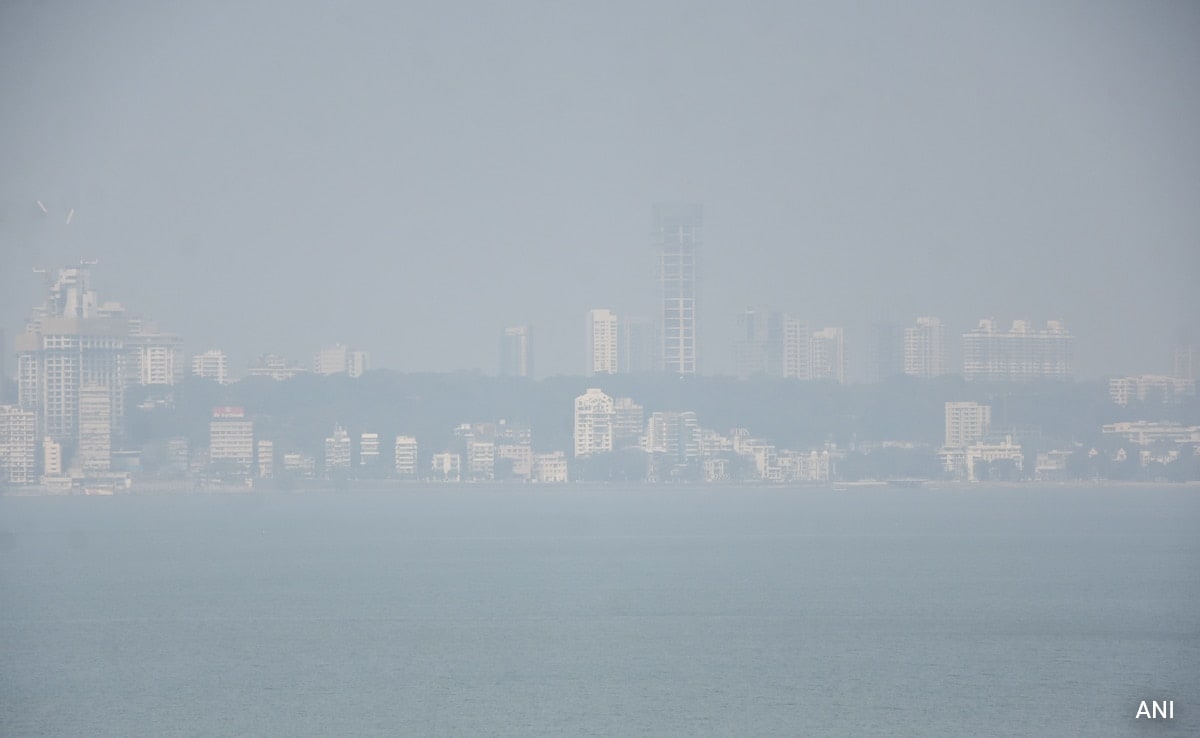
Mumbai Air Pollution: Experts say Mumbai's worsening air quality is not caused by a single factor.
Highlights
- Mumbai's air quality remained poor to unhealthy, with AQI readings up to 318 in some areas
- Road and construction dust contribute about 30% of particulate pollution in the city
- Maharashtra health officials link rising pollution to increased lung cancer cases in Mumbai
Mumbai: 
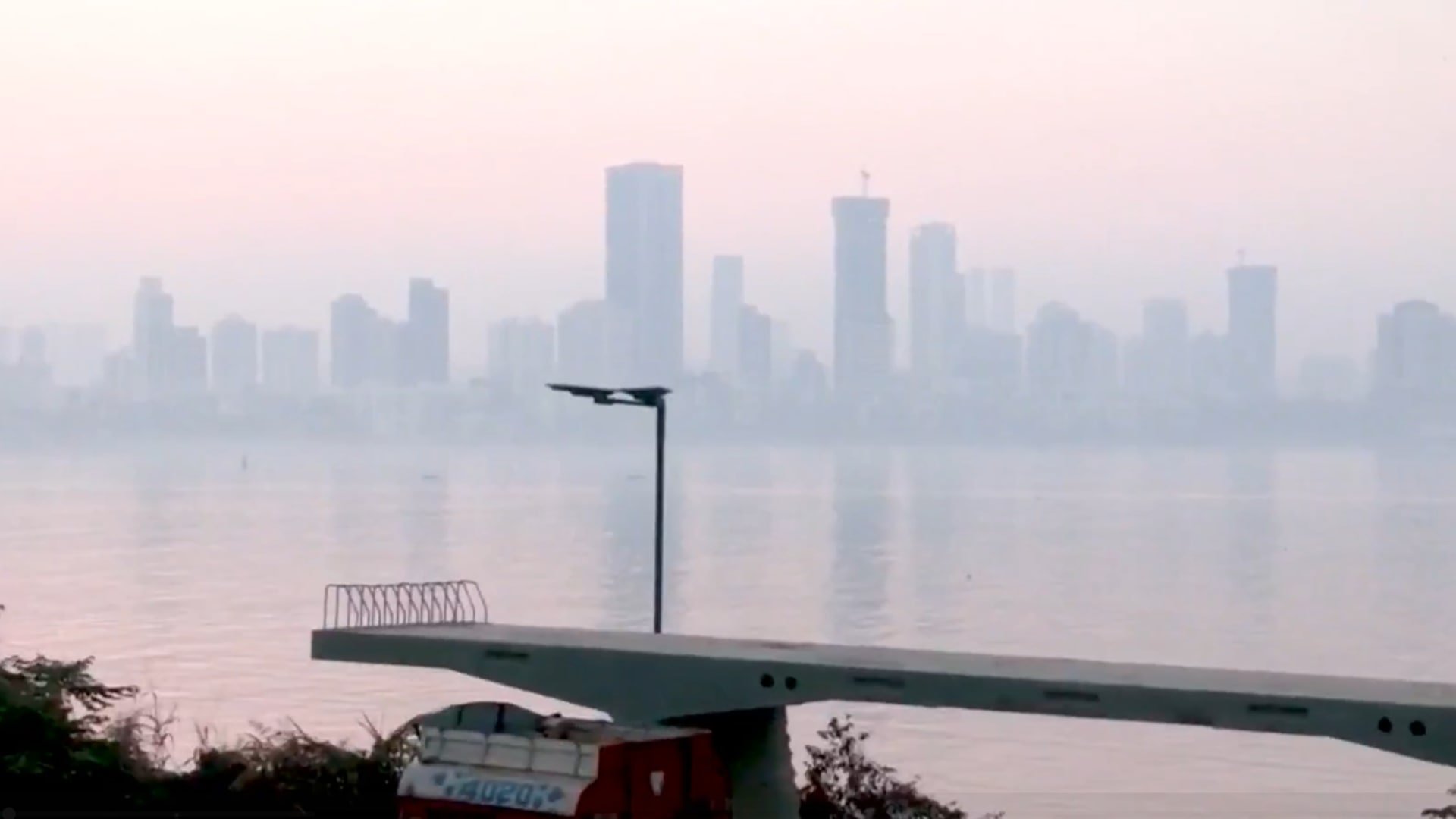
Mumbai woke up to yet another blanket of haze on Tuesday morning, with a grey veil hanging over the skyline from Bandra to South Mumbai. What was once a sea-facing promenade known for crisp coastal breezes now opens to blurred high-rises and the smell of dust.
The city's overall Air Quality Index (AQI) on February 25 remained in the poor to unhealthy range, hovering around the 230-250 mark in several locations. Some pockets fared far worse. BKC, Ghatkopar and Mulund reported readings well above 290, close to the severe category. Parts of Bandra, Worli and South Mumbai also recorded poor AQI.
A Week Of Wild Swings
Over the past seven days, Mumbai's air quality has fluctuated sharply:
- February 17: AQI 123 (Poor)
- February 18: AQI 78 (Moderate)
- February 19: AQI 153 (Poor)
- February 20: AQI 318 (Severe)
- February 21: AQI 259 (Unhealthy)
- February 22: AQI 240 (Unhealthy)
- February 23: AQI 190 (Poor)
- February 24: AQI around 250 (Unhealthy)
The spike to 318 on February 20 marked the week's worst day, when air quality entered the severe bracket, hazardous even for healthy individuals.
Inside Mumbai's Worsening Air Pollution Crisishttps://t.co/K4WqANr2km
— NDTV (@ndtv) February 26, 2026
Watch this special report by NDTV's @radhika1705pic.twitter.com/2HCf8sTc4N
What's Driving Mumbai's Air Pollution?
Experts say Mumbai's worsening air quality is not caused by a single factor but by a combination of urban pressures that have intensified over recent years. As per studies, resuspended road and construction dust remains one of the biggest contributors to particulate pollution in the city, accounting for around 30% of PM10 and a significant share of fine PM2.5, while vehicular emissions contribute roughly 16% of PM2.5 levels. Marine aerosols and atmospheric secondary aerosols also play a role due to the city's coastal location, but human activity is clearly dominant in driving poor air quality.
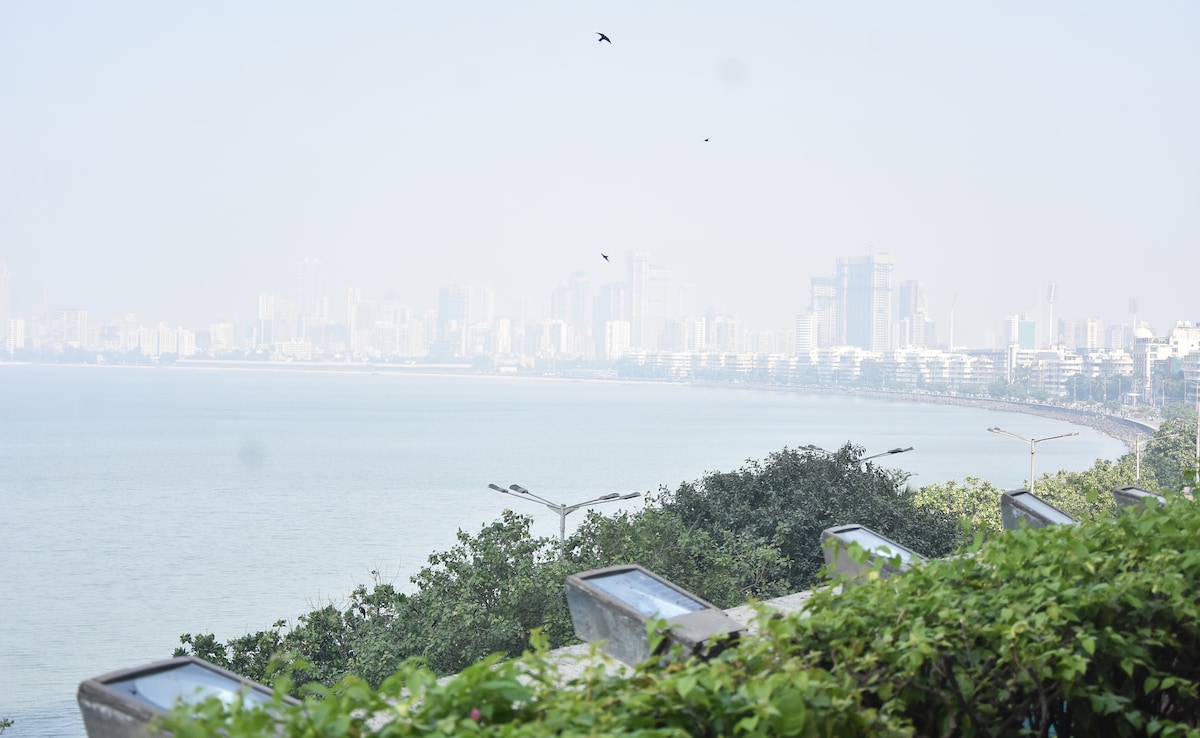
Maharashtra health department has informed the state assembly that rising pollution levels are contributing significantly to lung cancer cases in Mumbai. Photo Credit: ANI
Bhagwan Khesbat of Waatavaran, an environmental organisation, said, "Road dust, traffic congestion and large-scale construction activity together make up the bulk of the airborne particulate load in Mumbai. Heavy-duty vehicles and demolition works add significantly to the problem. Studies show that traffic and construction dust together are responsible for a large share of particulate matter, nearly 29% from road and building activity alone, followed by power plants and diesel engines."
Moreover, sources such as industrial emissions, open waste burning and background dust from soil and other combustion processes add to the cumulative pollution burden. Khesbat added, "Seasonal weather patterns, especially low wind speeds and temperature inversions, trap pollutants close to the ground, which worsens the smoggy conditions we are seeing.
"Zero Accountability", Say Residents
At Carter Road in Bandra, a popular sea-facing promenade, frustration was evident among early-morning walkers. "All these buildings are under construction, this should stop... it's insane. Zero accountability," said Pankaj Shah, a resident. "The worst is the BMC sweeping dry mud. Everyone is sick - my friends are sick. There is filth all over."
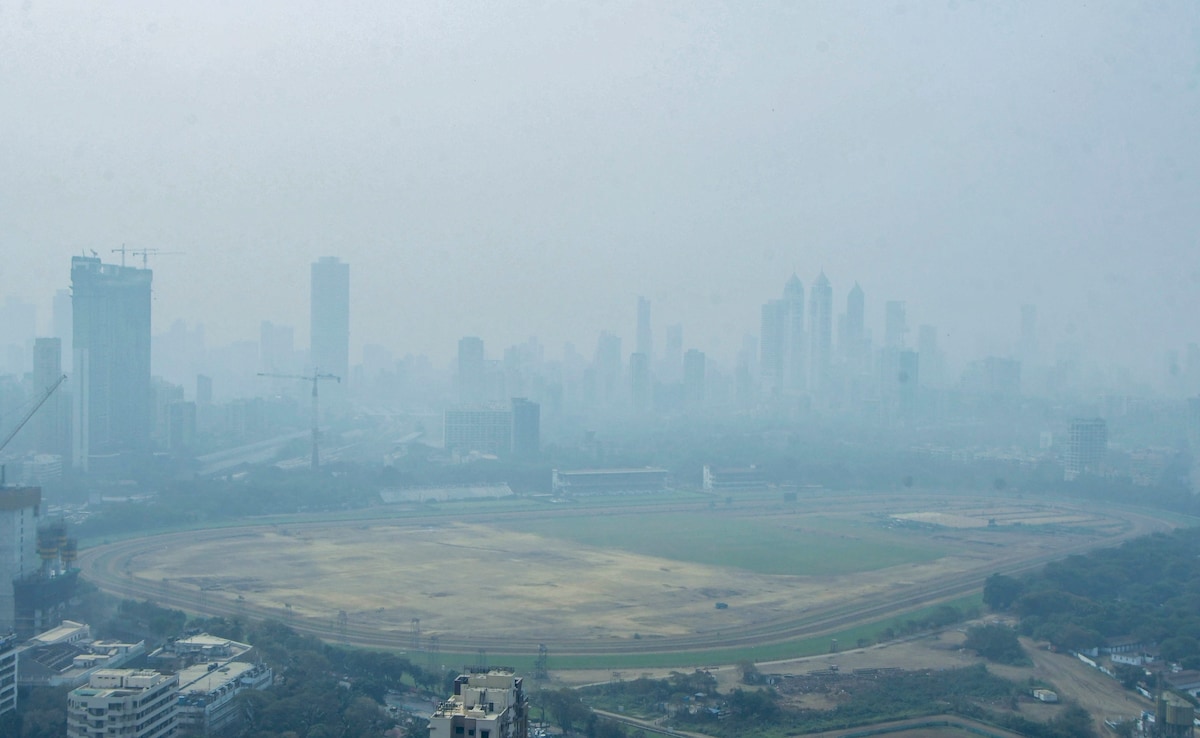
Opposition in Maharashtra was quick to criticise the government's handling of the crisis. Photo Credit: ANI
Another resident, Avik Naz, checking real-time readings on his phone, said, "AQI is 307 at 8 am. No hopes from the government or BMC. Even after the High Court blasted them, they are not doing anything. The full city is sold to builders. We are tax-paying citizens."
Activists Say Enforcement Not Enough
Environmental activist Sumaira Abdulali said the problem goes far beyond monitoring.
"The pace of construction has increased here dramatically. After the High Court slammed the authorities, the BMC began measuring air quality more closely, but measuring air quality and actually achieving clean air are two different things," she said.
Drawing comparisons with global cities, she added, "When Shanghai decided to clean up its air, it did so by taking stringent, systemic measures. We are unable to do that here. We sell apartments as 'high-end' and 'world-class', but the process of construction itself is not world-class." She argued that global technologies to minimise dust are readily available but underutilised. "There are technologies available worldwide that prevent this kind of mess. We are simply not using them." Calling stop-work notices a short-term fix, Abdulali said, "Issuing stop-work notices is a temporary solution. The BMC should lead by example. Government projects are also polluting, it's not just private developers."
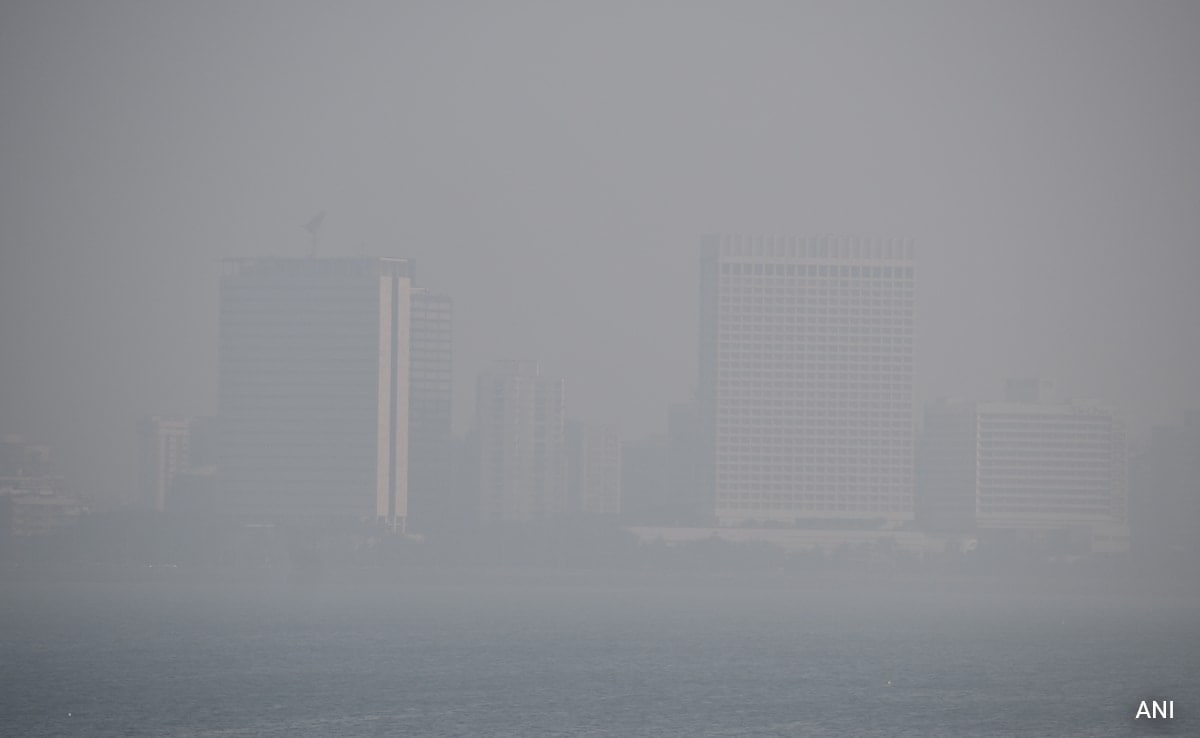
Bombay High Court has taken an increasingly active role in addressing Mumbai's air pollution.
She urged the civic body to invest its substantial budget in model, pollution-friendly construction. "Cement-mixing equipment should not be placed on roads. Dust control must be systematic. If the BMC demonstrates how to build responsibly, the private sector will have to follow."
Celebrities Speak Out
Actor Saiyami Kher, known for her outdoor fitness routine and long-distance running, said the worsening air quality has directly altered her daily life.
"I've had to cut down on running outdoors because the AQI levels are simply not safe. You can feel it in your breathing," she said, adding that on several mornings she chose to stay indoors rather than risk exposure.
Expressing frustration, she said, "We pay so much in taxes, for what? For air that we cannot breathe? It's upsetting. There are clear health issues. People are coughing, children are affected. This is not just an inconvenience; it's about public health."
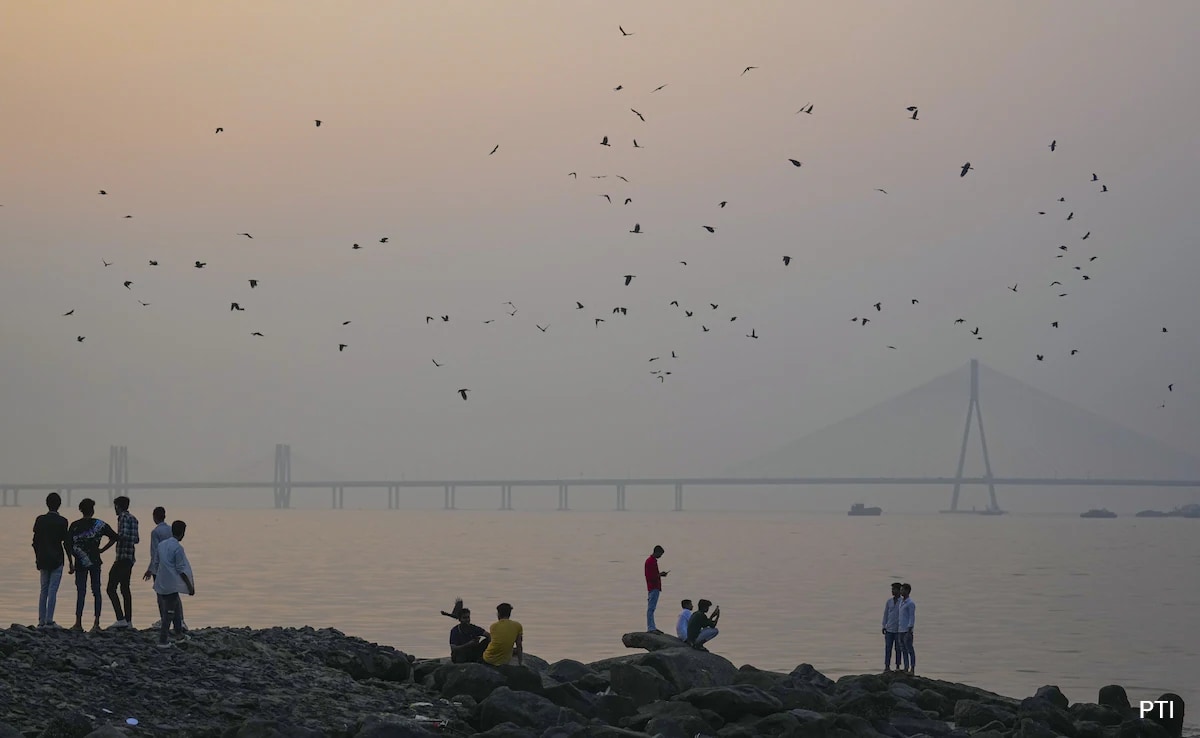
Construction sites in Mumbai are required to strictly install real-time air quality monitors.
At the same time, Kher stressed that responsibility does not rest solely with authorities.
"Yes, the BMC and the government have a huge role to play, and they must act decisively. But citizens also have to come forward collectively. We can't just complain and move on. We need to raise our voices, demand accountability, plant more trees, support greener initiatives and do whatever is necessary to help the environment. Clean air should be a shared responsibility."
She added, "If we truly love this city, we need to protect it, not just expect someone else to fix it."
Health Concerns Intensify
The Maharashtra health department has informed the state assembly that rising pollution levels are contributing significantly to lung cancer cases in Mumbai. Findings from a recent cancer screening drive indicated that lung cancer accounted for 57 per cent of detected cases, raising alarm among health officials.
Doctors warn that prolonged exposure to fine particulate matter, particularly PM2.5, increases the risk of chronic respiratory diseases, cardiovascular illness and lung cancer, even among non-smokers.
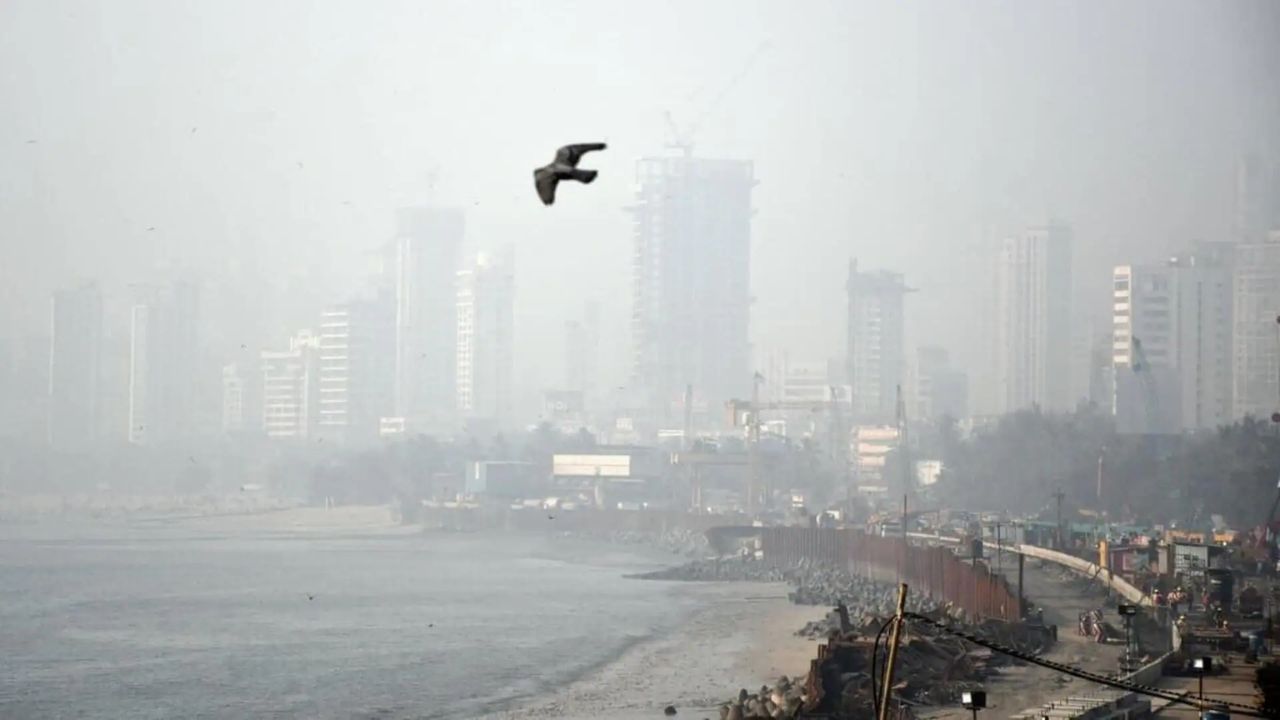
Nearly 88 per cent of active construction sites have installed low-cost air quality sensors.
"It is a question of the health of citizens," said another resident, Nandita Shah. "I've been suffering from a cough because of dust and allergies for the last two weeks. We are very upset. The BMC doesn't care."
Government Action And High Court Oversight
State Environment Minister Pankaja Munde told the Maharashtra Assembly that between October 2025 and January 2026, authorities issued 1,981 show-cause notices and 1,047 stop-work orders to construction sites violating environmental norms under the 'Clean Air' initiative.
Nearly 88 per cent of active construction sites have installed low-cost air quality sensors, she said, adding that 678 projects were halted on January 16 alone for failing to comply with sensor norms.
BMC officials say they have deployed water tankers and misting machines to suppress road dust and set up flying squads to inspect sites. "We have been cracking down on construction sites that flout norms. Strict instructions have been issued, and we are doing surprise inspections as well."
Construction sites in Mumbai are required to strictly install real-time air quality monitors, control dust by installing and operating dust suppression systems, cover debris and material stockpiles, enclose or netting work areas, sprinkle water regularly, and ensure all trucks leave the site covered and clean, as mandated under CPCB and BMC dust control norms aimed at reducing particulate pollution.
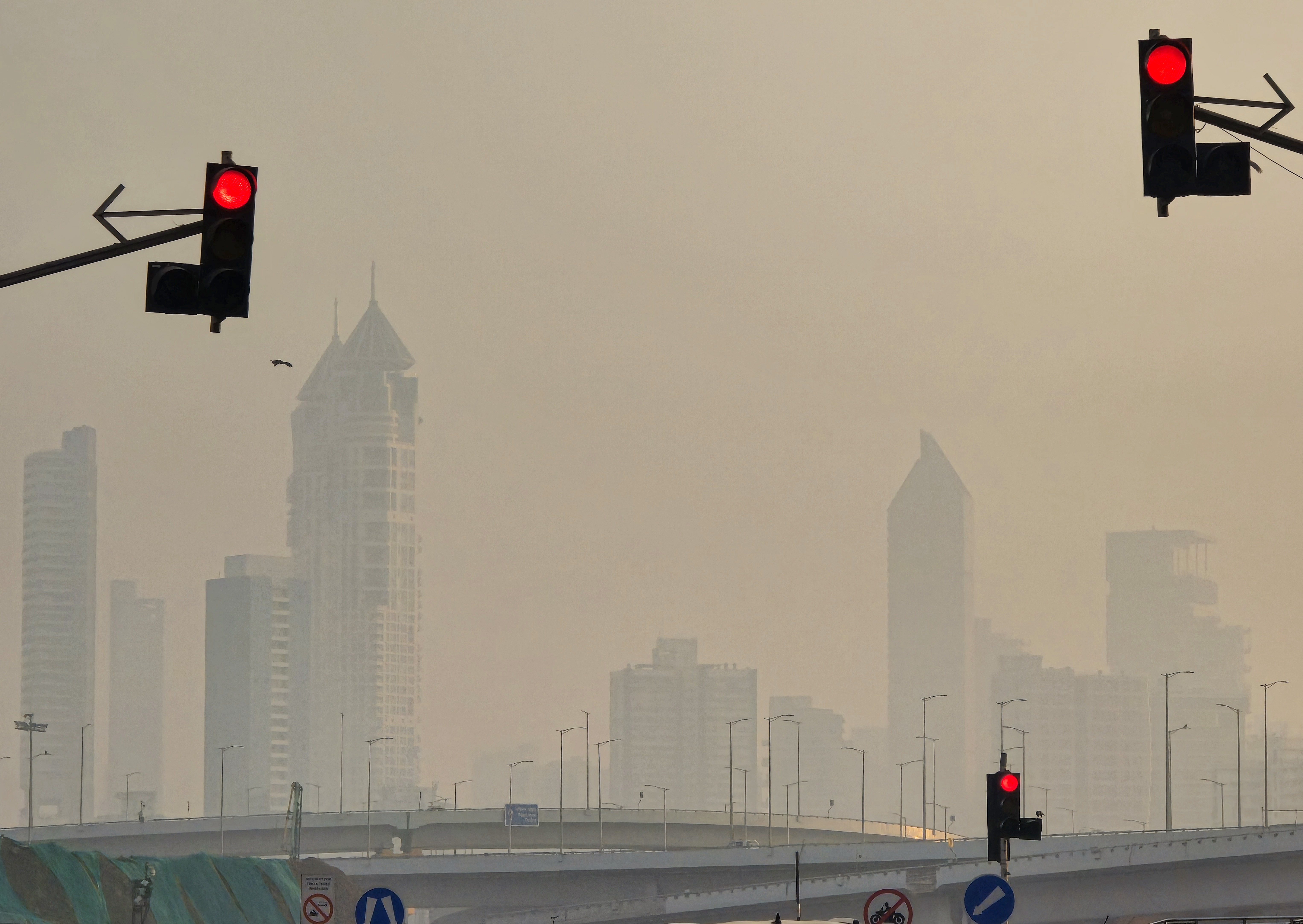
The spike to 318 on February 20 marked the week's worst day.
Questioning the credibility of some publicly circulated data, Munde said, "How much trust should we place in the apps through which we monitor these figures? Objections are being created against development, and incorrect data is being shown." Munde maintained that official data from the Maharashtra Pollution Control Board (MPCB) is being relied upon. "We provide data from the MPCB. Wherever pollution levels increase, action will be taken."
High Court Intervention
The Bombay High Court has taken an increasingly active role in addressing Mumbai's air pollution, expressing frustration at what it termed "insufficient monitoring" by civic authorities. A bench led by Chief Justice Shree Chandrashekhar and Justice Gautam Ankhad formed a high-powered committee to supervise compliance with earlier court directives aimed at curbing pollution in Mumbai and Navi Mumbai.
In another recent development, the court ordered the formation of a robust technical cell to monitor large facilities such as the Kanjurmarg dumping site, which has been linked to odour and air quality complaints in surrounding residential areas. The court also mandated expedited installation of odour-containing covers at the site, citing the constitutional right to life and the need to protect citizens' health.
Opposition Attacks Administration
The Opposition in Maharashtra was quick to criticise the government's handling of the crisis.
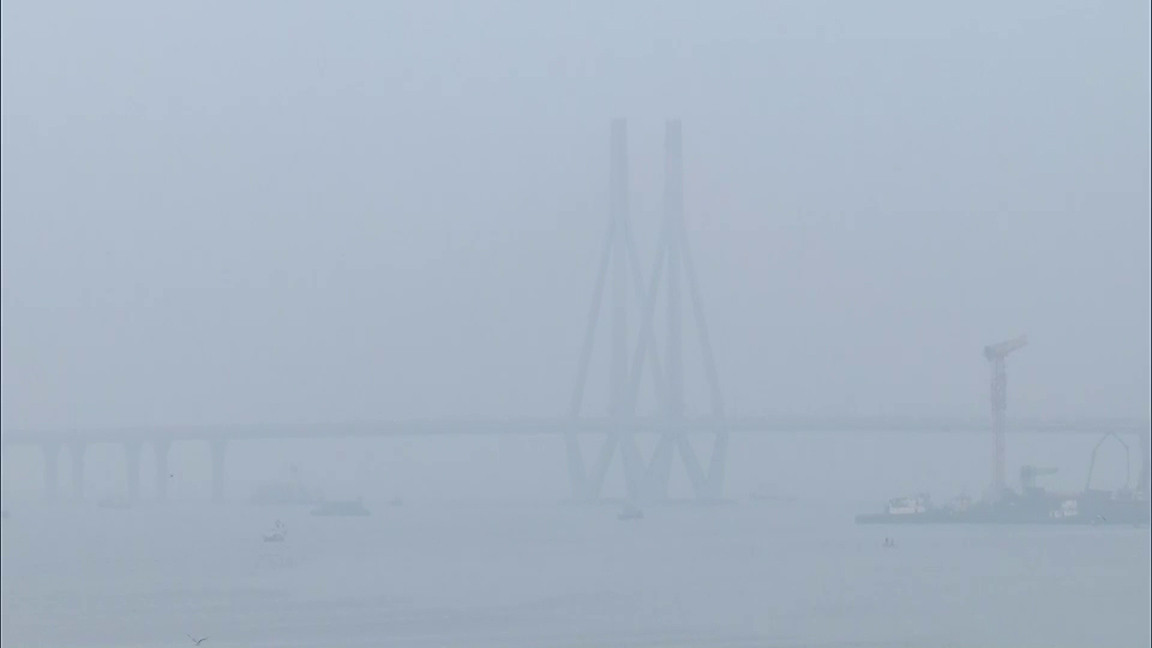
Experts say Mumbai's worsening air quality is not caused by a single factor.
Shiv Sena (UBT) leader Aditya Thackeray has called for stricter enforcement and questioned whether temporary measures were enough. He has demanded an immediate halt to all private construction activity for at least a week, until air quality improves. In his letter to the BMC commissioner, Thackeray said the "obnoxious levels of pollution" were a hassle for citizens. "No city in the world can attract visitors, investment or even keep its own citizens healthy with such pollution."
Congress leader Aslam Shaikh linked the pollution crisis to broader governance issues. "Thousands of crores were spent under the name of development and beautification... but the public had to bear the inflated expenditure," he said, alleging misplaced priorities while environmental issues worsened.
A City At A Tipping Point
For a city that prides itself on resilience and ambition, pollution is becoming a defining urban challenge.
From residents coughing on morning walks and wearing masks while jogging to activists demanding systemic reform, from celebrities speaking up to courts stepping in, Mumbai's air crisis is no longer a seasonal issue.
As the haze lingers over the Arabian Sea, the pressing question remains, can India's financial capital balance rapid development with its citizens' fundamental right to breathe clean air?
Published: February 25, 2026 15:23 IST
- Reported by Reet Kaur Sahni | Friday August 07, 2026
As per the ministry, prior Environmental Clearance becomes mandatory for data centres depending on their physical footprint under Schedule 8 of the EIA Notification, 2006.
- Written by Sambhav Kumar | Thursday August 06, 2026
Keerthy Suresh's 41-hour no-sleep stretch highlights the intense demands many professionals face, but experts warn that prolonged sleep deprivation should never become routine.
- Written by Sambhav Kumar | Wednesday August 05, 2026
Preliminary evidence suggests the blood filtration treatment could reduce some microplastic particles, though findings are limited and require more study.
- Monday August 03, 2026 , New Delhi
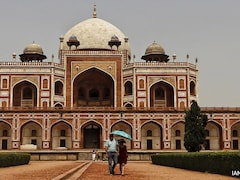
Study reveals black crust from pollution weakens Humayuns Tomb sandstone
- Written by Debosmita Ghosh | Saturday August 01, 2026
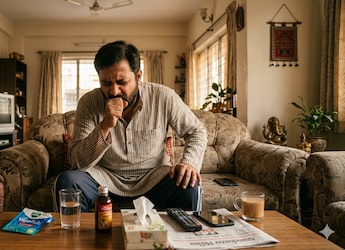
Lung cancer is often diagnosed at an advanced stage because its early symptoms are easy to overlook. A persistent cough is among the most commonly ignored warning signs.


................................ Advertisement ................................

Blog | Well Done, Delhi. You've Turned Lung Sacrifice Into A Badge Of HonourSaikat Kumar Bose
Monday November 10, 2025Till some years back, Delhiites would ask angry questions to those in power about the capitals annual tryst with toxic air. This has changed. Those in the driving seat dont see the need to answer now.
Opinion | Why Indians Have Just Given Up On Air Pollution CrisisTanushree Ganguly
Friday December 20, 2024While some may argue that people in Delhi are now more aware of air pollution than they were a decade back, my rebuttal would be that awareness does not mean that people are concerned.
Opinion | You Must Outrage Over Filthy Air More Than Once A YearJyoti Pande Lavakare
Tuesday December 10, 2024Delhi welcomed us with monsoon rains and mangos. We were home. Fast forward a couple of years, in the winter of 2012, I found myself in denial about something other parents, mostly expats, were calling toxic air.
Opinion | Delhi's Air Pollution Situation Is Like A Bad MarriageNishtha Gautam
Friday November 22, 2024On a good day, such as today, the AQI reading in Delhi is 407. We are jubilant at the sickly sunshine trickling through the slightly dissipated smog. At least its not 1600.
दिवाली... पराली... सियासी जुगाली!Ashwini kumar
Monday November 18, 2024दिल्ली-एनसीआर में प्रदूषण का समाधान तो आज तक मिला नहीं. हर साल चिंतित होकर हम-आप सांसों की तकलीफ के साथ-साथ दिल और ब्लड प्रेशर के मरीज भी क्यों बनें?


