


- Home/
- No Major Indian City Has Safe AQI, Not Even Once In A Decade, Finds Study
No Major Indian City Has Safe AQI, Not Even Once In A Decade, Finds Study

A decade after the Centre launched its National Clean Air Programme, a new analysis of air quality data from 2015 till 2025 has delivered a stark verdict: not a single major Indian city has breathed truly safe air in the past ten years.
The most striking revelation from non-governmental organisation Climate Trends' long-term study across 11 metros is that even Bengaluru, long celebrated as India's cleanest big city, has never once recorded an annual average in the "good" category. Its AQI has hovered stubbornly between 65 and 90 for the entire period, always above the safe threshold of 50. In practical terms, that means even India's "greenest" metropolis has exposed its residents to unhealthy air every single day for ten straight years.
Delhi remains the national capital of toxic air. Despite cloud seeding, a push for cleaner fuels, electric buses, and countless emergency action plans, the city's annual average AQI still lingers around 180 in 2025, barely better than the nightmare peaks above 250 recorded in 2016. This year offered a natural experiment: farm-fire incidents in Punjab and Haryana plummeted, yet Delhi's winter smog arrived earlier and thicker than ever. The reason, meteorologists say, is simple and terrifying. Zero rainfall since 1 October, unusually weak Western Disturbances, and a thickening temperature inversion have turned the Indo-Gangetic plain into a giant atmospheric trap. Pollutants have nowhere to go; the Himalayas block escape to the north, slow north-westerly winds crawl across the plains, and cold, heavy air pins the polluted air close to the ground.
The story repeats across the north. Lucknow and Varanasi, which routinely crossed 200 in the late 2010s, have improved since 2020 but still breathe air that would be classified "unhealthy" in most countries. Ahmedabad, Kolkata, Mumbai, Chennai, Chandigarh, and Visakhapatnam all show the same pattern: moderate but never safe, with occasional dips that tease hope before the next spike erases the gains.
Local sources (vehicles, construction dust, roadside cooking, small industries) now dominate more than episodic villains like crop burning. When winter meteorology aligns against the region, as it has in 2025, even dramatic reductions in one pollution source cannot clear the sky. "We are fighting physics as much as emissions," says Mahesh Palawat of Skymet Weather, pointing to the inversion layer that acts like a lid on a pressure cooker.
For millions of street vendors, traffic police, delivery workers, and construction labourers who spend their days outside, the consequences are measured in shortened lives and hospital visits. Researchers warn that moving to another Indian city is no escape as the entire urban map is shaded in varying degrees of red and orange.
Published: November 28, 2025 19:31 IST
 Written by Shreya Goswami | Thursday October 01, 2026
October's changing temperatures, dry air, dust and rising pollution can leave Delhi-NCR residents with a scratchy throat, cough or hoarseness.
- Written by Dr Shivanshu Raj Goyal | Thursday October 01, 2026
Since most people spend a lot of time indoors, the air quality indoors becomes essential in relation to respiratory health. Considering different environments, air inside can contain dirt, allergens and several pollutants from multiple sources.
- Wednesday September 30, 2026 , France
In a new analysis covering the first eight months of 2026, the European Union's Copernicus Climate Atmosphere Monitoring Service (CAMS) highlighted the close relationship between climate change and air pollution.
- Reported by Reet Kaur Sahni | Tuesday September 29, 2026
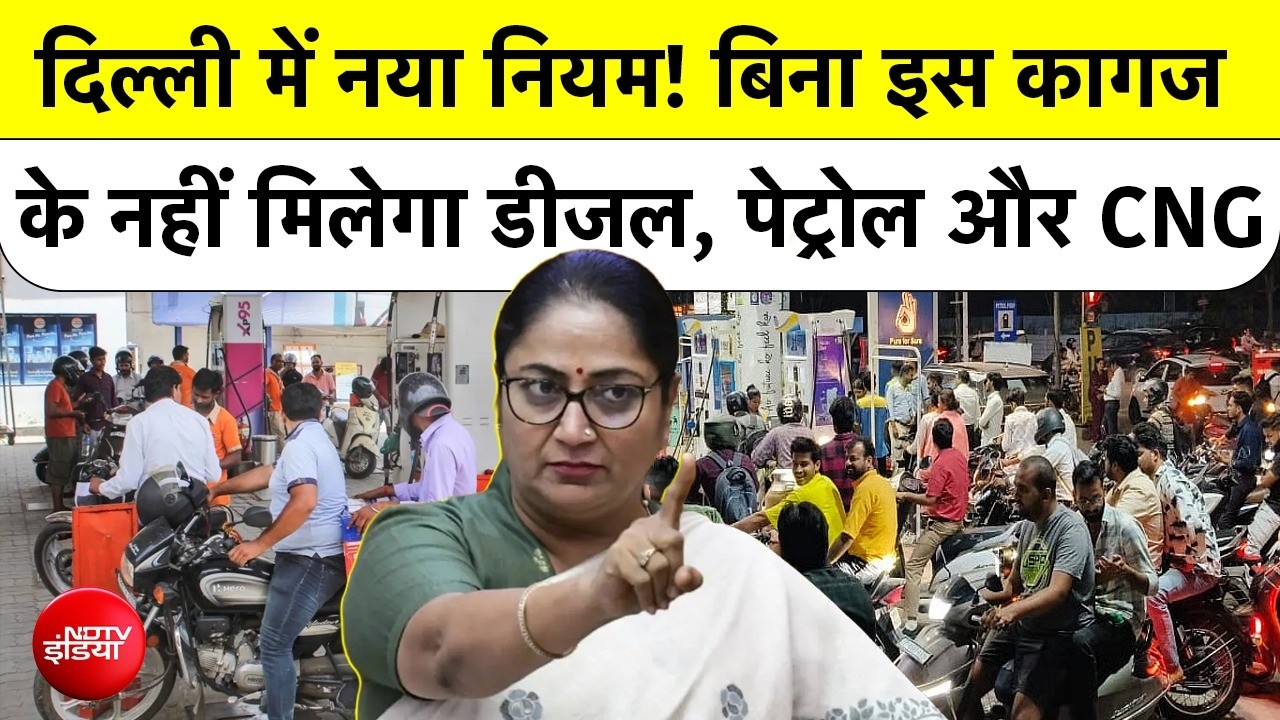
Starting November 1, petrol and diesel vehicles registered outside Delhi and not meeting BS-VI standards will be banned from entering the city, though CNG and electric vehicles are exempt.
- Written by Dr Sabine Kapasi | Tuesday September 29, 2026
Air pollution is often discussed as a cause of respiratory disease, but its effects extend to the heart and blood vessels.



................................ Advertisement ................................

Blog | Well Done, Delhi. You've Turned Lung Sacrifice Into A Badge Of HonourSaikat Kumar Bose
Monday November 10, 2025Till some years back, Delhiites would ask angry questions to those in power about the capitals annual tryst with toxic air. This has changed. Those in the driving seat dont see the need to answer now.
Opinion | Why Indians Have Just Given Up On Air Pollution CrisisTanushree Ganguly
Friday December 20, 2024While some may argue that people in Delhi are now more aware of air pollution than they were a decade back, my rebuttal would be that awareness does not mean that people are concerned.
Opinion | You Must Outrage Over Filthy Air More Than Once A YearJyoti Pande Lavakare
Tuesday December 10, 2024Delhi welcomed us with monsoon rains and mangos. We were home. Fast forward a couple of years, in the winter of 2012, I found myself in denial about something other parents, mostly expats, were calling toxic air.
Opinion | Delhi's Air Pollution Situation Is Like A Bad MarriageNishtha Gautam
Friday November 22, 2024On a good day, such as today, the AQI reading in Delhi is 407. We are jubilant at the sickly sunshine trickling through the slightly dissipated smog. At least its not 1600.
दिवाली... पराली... सियासी जुगाली!Ashwini kumar
Monday November 18, 2024दिल्ली-एनसीआर में प्रदूषण का समाधान तो आज तक मिला नहीं. हर साल चिंतित होकर हम-आप सांसों की तकलीफ के साथ-साथ दिल और ब्लड प्रेशर के मरीज भी क्यों बनें?


