


- Home/
- Pollution Body Admits No Research Has Been Done Behind Overage Vehicle Ban
Pollution Body Admits No Research Has Been Done Behind Overage Vehicle Ban
Reported by Tanushka Dutta | Updated: August 08, 2025 20:48 IST
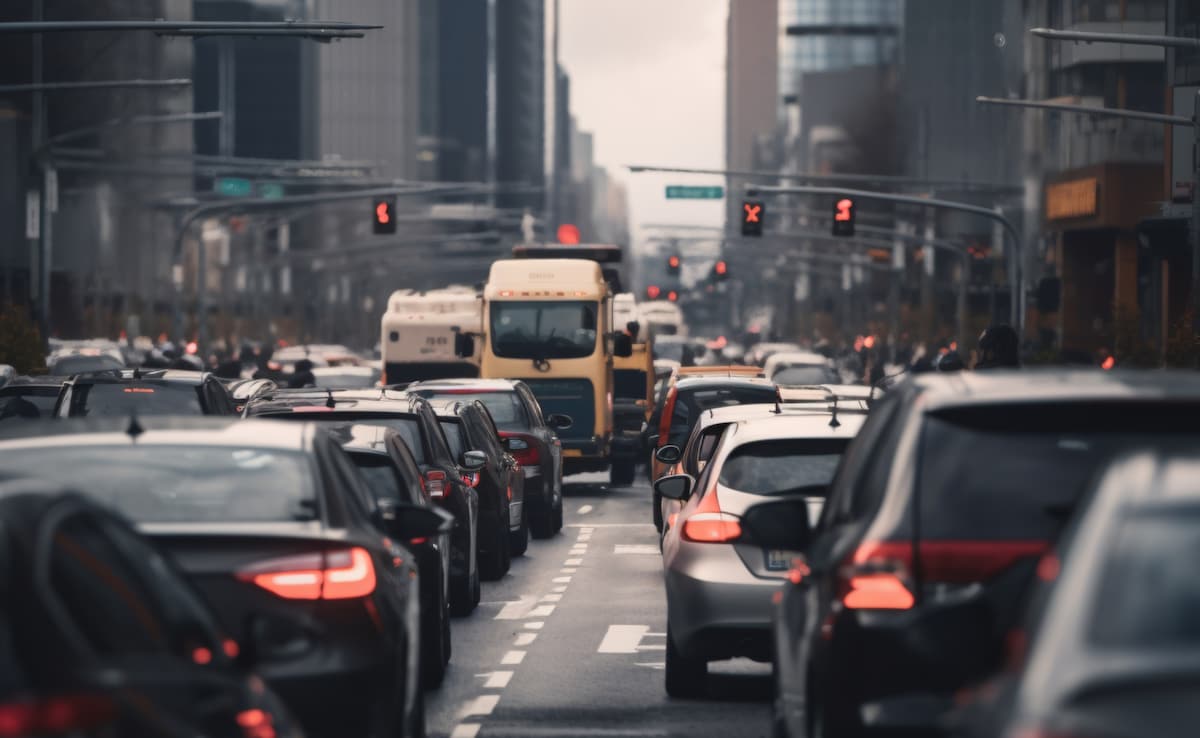
Delhi fuel stations shouldn't supply petrol to old vehicles, the CAQM said. (Representational)
Highlights
- The CAQM has not conducted research on pollution from old diesel and petrol vehicles in Delhi-NCR
- The ban on overage vehicles is based on National Green Tribunal and Supreme Court orders
- The fuel supply ban to old vehicles in Delhi was postponed to October 31 due to implementation issues
New Delhi:
The Commission for Air Quality Management (CAQM) has not conducted any scientific study or pollution research regarding the environmental impact of 10-year-old diesel and 15-year-old petrol vehicles, prior to imposing restrictions on their usage, a Right To Information (RTI) response to a query filed by an individual, Amit Gupta, has revealed.
The ban on older vehicles-a matter that has directly impacted thousands of vehicle owners in Delhi-NCR-was imposed, the CAQM clarified, was not an independent one, but a compliance measure based on prior judicial directions issued by the National Green Tribunal (NGT) in Vardhman Kaushik Vs. Union of India & Or, and the Supreme Court order in M.C. Mehta Vs. Union of India & Ors.
The RTI reply also includes a reference to a letter dated July 3, 2025, received from the Government of NCT, Delhi, which appears to have been enclosed as part of the information provided to the applicant.
Citizens unsatisfied with the RTI response have been advised to file an appeal within 30 days with the First Appellate Authority, the Director at CAQM.
With no scientific research conducted or cited, the response dated July 28, 2025, raises questions regarding the evidence base for the decision to ban vehicles purely based on age. Environment activists have earlier pointed out that emissions depend on maintenance and usage patterns rather than age alone. For now, the Commission has disposed of the RTI request, making it clear that the policy is rooted in judicial compliance rather than fresh empirical research. The lack of empirical backing raises concerns over the effectiveness of blanket bans.
Published: August 08, 2025 15:07 IST
 Written by Shreya Goswami | Thursday October 01, 2026
October's changing temperatures, dry air, dust and rising pollution can leave Delhi-NCR residents with a scratchy throat, cough or hoarseness.
- Written by Dr Shivanshu Raj Goyal | Thursday October 01, 2026
Since most people spend a lot of time indoors, the air quality indoors becomes essential in relation to respiratory health. Considering different environments, air inside can contain dirt, allergens and several pollutants from multiple sources.
- Wednesday September 30, 2026 , France
In a new analysis covering the first eight months of 2026, the European Union's Copernicus Climate Atmosphere Monitoring Service (CAMS) highlighted the close relationship between climate change and air pollution.
- Reported by Reet Kaur Sahni | Tuesday September 29, 2026
Starting November 1, petrol and diesel vehicles registered outside Delhi and not meeting BS-VI standards will be banned from entering the city, though CNG and electric vehicles are exempt.
- Written by Dr Sabine Kapasi | Tuesday September 29, 2026
Air pollution is often discussed as a cause of respiratory disease, but its effects extend to the heart and blood vessels.



................................ Advertisement ................................

Blog | Well Done, Delhi. You've Turned Lung Sacrifice Into A Badge Of HonourSaikat Kumar Bose
Monday November 10, 2025Till some years back, Delhiites would ask angry questions to those in power about the capitals annual tryst with toxic air. This has changed. Those in the driving seat dont see the need to answer now.
Opinion | Why Indians Have Just Given Up On Air Pollution CrisisTanushree Ganguly
Friday December 20, 2024While some may argue that people in Delhi are now more aware of air pollution than they were a decade back, my rebuttal would be that awareness does not mean that people are concerned.
Opinion | You Must Outrage Over Filthy Air More Than Once A YearJyoti Pande Lavakare
Tuesday December 10, 2024Delhi welcomed us with monsoon rains and mangos. We were home. Fast forward a couple of years, in the winter of 2012, I found myself in denial about something other parents, mostly expats, were calling toxic air.
Opinion | Delhi's Air Pollution Situation Is Like A Bad MarriageNishtha Gautam
Friday November 22, 2024On a good day, such as today, the AQI reading in Delhi is 407. We are jubilant at the sickly sunshine trickling through the slightly dissipated smog. At least its not 1600.
दिवाली... पराली... सियासी जुगाली!Ashwini kumar
Monday November 18, 2024दिल्ली-एनसीआर में प्रदूषण का समाधान तो आज तक मिला नहीं. हर साल चिंतित होकर हम-आप सांसों की तकलीफ के साथ-साथ दिल और ब्लड प्रेशर के मरीज भी क्यों बनें?


