


- Home/
- Super El Nino Health Impacts: Doctors Explain How Indians Will Be Affected, Share Precautions
Super El Nino Health Impacts: Doctors Explain How Indians Will Be Affected, Share Precautions
Written by Shreya Goswami | Updated: April 28, 2026 17:50 IST
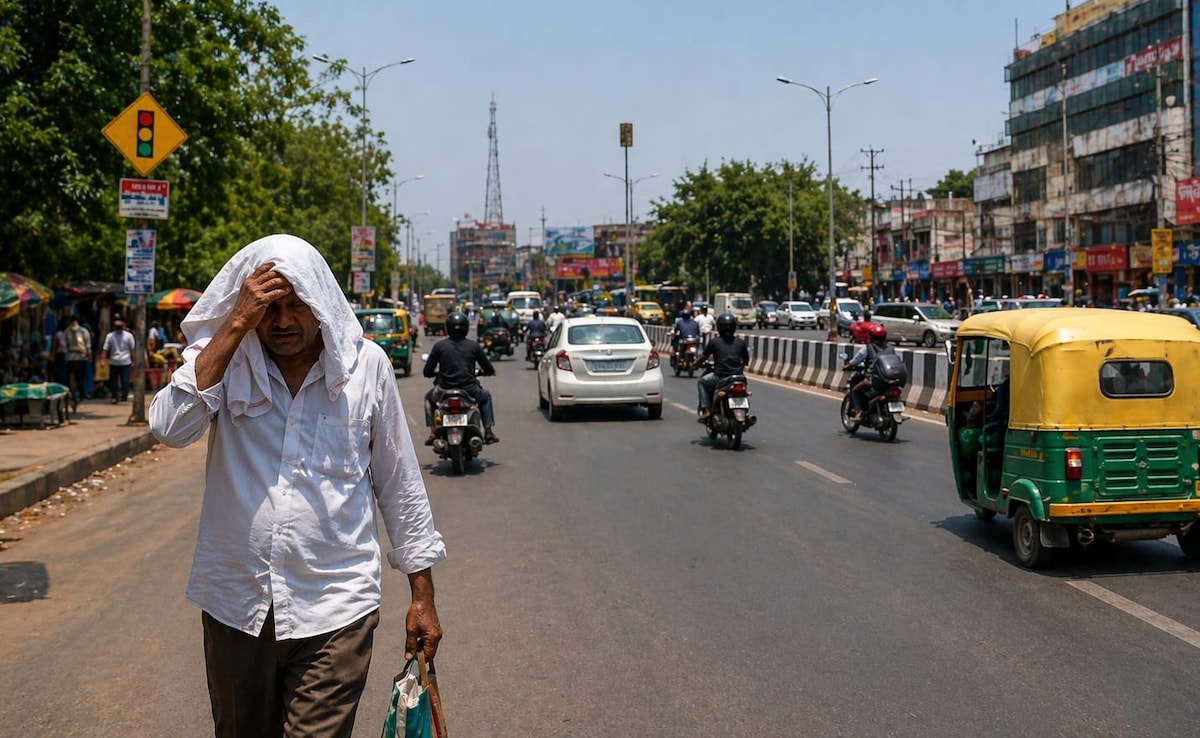
The cascading effects of a Super El Nino can strain both individuals and healthcare systems
Highlights
- El Nino's intensification into Super El Nino worsens heatwaves and disrupts rainfall in India
- Heatwaves increase heatstroke, dehydration, especially among children, elderly, and chronic patients
- High temperatures worsen air pollution, triggering asthma and respiratory issues in vulnerable groups
Climate events are no longer distant environmental phenomena; they are increasingly shaping public health outcomes. Among them, El Nino, a warming of ocean surface temperatures in the Pacific, has far-reaching consequences across the globe. When intensified into a "Super El Nino" its effects become even more pronounced, disrupting weather systems and amplifying extreme conditions. In India, this can mean prolonged heatwaves, erratic rainfall, water scarcity in some regions, and flooding in others. While these changes are often discussed in terms of agriculture and the economy, doctors warn that the health implications are just as serious, and often underestimated.
From dehydration and heatstroke to respiratory illnesses and vector-borne diseases, the cascading effects of a Super El Nino can strain both individuals and healthcare systems. Vulnerable populations, including children, the elderly, and those with chronic illnesses, are particularly at risk.
As India braces for increasingly unpredictable weather patterns, understanding how such climate events impact health, and what can be done to mitigate these risks, has never been more important. Here's what doctors say about the potential health impacts of a Super El Nino and how to stay protected.
What is a Super El Nino and why does it matter for health?
El Nino is a natural climate pattern, but a "Super El Nino" significantly amplifies its effects. According to the World Meteorological Organization (WMO), strong El Nino events are linked to higher global temperatures and increased frequency of extreme weather events.
"Super El Nino typically raises baseline temperatures and reduces rainfall across parts of India, which translates on the ground into longer, more intense heat waves, poorer air quality, and higher risk of dehydration-related illness," Dr. Swati Maheshwari, Additional Director - Internal Medicine, Fortis Manesar, explains. This combination of heat and environmental stress creates multiple pathways for health risks.
Also Read: 'Super El Nino' In 2026? Possible Global Climate Impacts Explained
Rising heatwaves and dehydration risks
One of the most immediate impacts is the surge in heat-related illnesses. "From a medical perspective, we expect a rise in heat exhaustion and heat stroke, especially among outdoor workers, children, the elderly, and people with chronic conditions like heart disease, kidney disease, or diabetes," says Dr. Maheshwari.
The World Health Organization (WHO) warns that heatwaves can overwhelm the body's ability to regulate temperature, leading to life-threatening conditions. Symptoms such as dizziness, confusion, and reduced sweating should not be ignored. "Prolonged heatwaves increase cases of dehydration, heat exhaustion, and heatstroke. We often see a spike in hospital visits during extreme heat periods," adds Dr. Manoj Kumar, Consultant - Internal Medicine, Manipal Hospital, Vijayawada.
Air pollution and respiratory issues
Heat doesn't act alone, it worsens air quality. "High temperatures also worsen pollution and dust levels, aggravating asthma and other respiratory problems," Dr. Maheshwari notes. Higher temperatures accelerate the formation of ground-level ozone, a harmful pollutant that can trigger breathing difficulties, especially in urban areas. People with asthma, chronic obstructive pulmonary disease (COPD), or allergies may experience more frequent flare-ups during such periods.
Water, food safety, and infectious diseases
Erratic rainfall patterns linked to El Nino can create a dual burden, drought in some areas and flooding in others. "El Nino disrupts rainfall patterns. Some regions face drought, leading to water scarcity and poor sanitation, while others may experience intense, erratic rains that increase the risk of vector-borne diseases like dengue and malaria," Dr. Kumar explains.
The National Centre for Vector Borne Diseases Control (NCVBDC) in India highlights that stagnant water during irregular rainfall creates ideal breeding grounds for mosquitoes. Dr. Maheshwari also warns: "Food and water contamination during erratic weather can increase diarrheal illnesses."
Hidden impacts: Sleep, fatigue, and productivity
Beyond visible illnesses, there are subtler health effects. "Persistent heat leads to sleep disturbance, fatigue, and reduced work capacity, quietly affecting overall health," says Dr. Maheshwari. High nighttime temperatures disrupt sleep cycles, which can impact mental health, immunity, and cognitive function over time.
"Crop disruptions can affect nutrition, particularly in vulnerable populations, increasing risks of deficiencies and weakened immunity," Dr. Kumar also points to broader implications.
Who is most at risk?
Both experts highlight vulnerable groups:
- Outdoor workers
- Children
- Elderly individuals
- People with chronic illnesses (heart, kidney, diabetes)
- Individuals on medications like diuretics or blood pressure drugs
"People on medications such as diuretics or blood pressure drugs should be extra cautious and consult their doctor if symptoms worsen," advises Dr. Maheshwari.
Precautions: What can Indians do?
The good news is that many risks are preventable with simple, consistent measures. "Avoid outdoor exposure during peak heat hours (12-4 pm), stay well hydrated with water and oral rehydration solutions rather than just sugary drinks, wear loose, light-coloured cotton clothing, and never ignore early warning signs," Dr. Maheshwari recommends.
Dr. Kumar adds: "Stay well-hydrated even if you don't feel thirsty... Ensure proper storage of water and food to prevent contamination. Using mosquito protection nets, repellents, and eliminating stagnant water is critical."
Key preventive steps include:
- Hydration: Drink water regularly; include ORS during extreme heat.
- Limit sun exposure: Avoid stepping out during peak afternoon hours.
- Protect against mosquitoes: Use nets, repellents, and remove stagnant water.
- Maintain hygiene: Ensure safe food and drinking water.
- Community care: "Checking on vulnerable individuals, ensuring access to clean drinking water, and creating shaded, ventilated spaces can significantly reduce harm," Dr. Maheshwari emphasises.
A Super El Nino is not just a climate anomaly, it is a public health challenge with far-reaching consequences. From heatwaves and pollution to infections and nutrition risks, its impact touches multiple aspects of daily life in India. However, doctors stress that awareness and preparedness can significantly reduce these risks. By adopting simple preventive measures and staying alert to early warning signs, individuals and communities can protect themselves against the health effects of extreme climate events.
Disclaimer: This content, including advice, provides generic information only. It is in no way a substitute for a qualified medical opinion. Always consult a specialist or your own doctor for more information. NDTV does not claim responsibility for this information.
Published: April 28, 2026 17:31 IST
also read
 Edited by Nikhil Pandey | Friday June 19, 2026
An unprecedented Ukrainian drone strike on a major Moscow oil refinery has caused a bizarre environmental crisis, with oily "black rain" falling over parts of the Russian capital.
- Written by Dr Anindita Singh | Monday June 15, 2026
From a clinical point of view, infertility often develops quietly, without noticeable symptoms, especially in the early stages, and the whole process can look normal from the outside.
- Written by Shreya Goswami | Monday June 15, 2026
Naseeruddin Shah's moving portrayal of a man with dementia in Imtiaz Ali's latest movie highlights the emotional and practical challenges faced by caregivers.
- Written by NDTV Health Desk , Edited by Debosmita Ghosh | Friday June 12, 2026
The nutritionist explains that most people stay indoors, travel in cars, wear sunscreen, and avoid peak sun hours — all of which can prevent the body from producing sufficient vitamin D.
- Written by Dr Aseem Kumar Samar | Friday June 12, 2026
Tobacco-related cancers like oral, throat, and lung are often diagnosed late due to symptom normalization among users.


................................ Advertisement ................................
Blog | Well Done, Delhi. You've Turned Lung Sacrifice Into A Badge Of HonourSaikat Kumar Bose
Monday November 10, 2025Till some years back, Delhiites would ask angry questions to those in power about the capitals annual tryst with toxic air. This has changed. Those in the driving seat dont see the need to answer now.
Opinion | Why Indians Have Just Given Up On Air Pollution CrisisTanushree Ganguly
Friday December 20, 2024While some may argue that people in Delhi are now more aware of air pollution than they were a decade back, my rebuttal would be that awareness does not mean that people are concerned.
Opinion | You Must Outrage Over Filthy Air More Than Once A YearJyoti Pande Lavakare
Tuesday December 10, 2024Delhi welcomed us with monsoon rains and mangos. We were home. Fast forward a couple of years, in the winter of 2012, I found myself in denial about something other parents, mostly expats, were calling toxic air.
Opinion | Delhi's Air Pollution Situation Is Like A Bad MarriageNishtha Gautam
Friday November 22, 2024On a good day, such as today, the AQI reading in Delhi is 407. We are jubilant at the sickly sunshine trickling through the slightly dissipated smog. At least its not 1600.
दिवाली... पराली... सियासी जुगाली!Ashwini kumar
Monday November 18, 2024दिल्ली-एनसीआर में प्रदूषण का समाधान तो आज तक मिला नहीं. हर साल चिंतित होकर हम-आप सांसों की तकलीफ के साथ-साथ दिल और ब्लड प्रेशर के मरीज भी क्यों बनें?


