


- Home/
- Tulsi Ginger Honey Tea: A Simple Remedy To Protect Your Throat Amid Rising Pollution
Tulsi Ginger Honey Tea: A Simple Remedy To Protect Your Throat Amid Rising Pollution
| Updated: October 22, 2025 13:03 IST

Highlights
- Tulsi Ginger Honey Tea soothes the throat and supports respiratory health during pollution.
- Tulsi has antibacterial and antiviral properties that help combat infections and congestion.
- Ginger acts as a natural anti-inflammatory to reduce throat irritation and clear airways.
As soon as the festive season fades and winter slowly sets in, the air around us starts to get heavier - not just with a chill, but with rising pollution levels. For many of us, that means a scratchy throat, a persistent cough, and the constant need to clear our voice. While air purifiers and masks can help, sometimes the best remedies come straight from the kitchen. One of the simplest and most soothing drinks you can turn to right now is Tulsi Ginger Honey Tea - a comforting blend that warms you from within and protects your throat naturally.
There's something deeply calming about wrapping your hands around a cup of hot tea on a cold, smoggy morning. But Tulsi Ginger Honey Tea is not just about comfort; it's about healing. Each of its ingredients has been part of traditional Indian remedies for centuries, valued for their ability to boost immunity, fight infections, and support respiratory health.
Also Read: 10 Foods That Can Help You Breathe Better
Tulsi (Holy Basil), often called the 'Queen of Herbs', is a staple in many Indian households. Nutritionist Rupali Datta tels us that its antibacterial and antiviral properties help combat seasonal infections and ease congestion. Ginger, with its warm and slightly spicy flavour, is a natural anti-inflammatory that soothes an irritated throat and helps clear the airways. Honey not only adds sweetness but also acts as a natural demulcent - coating the throat and relieving dryness or soreness. Together, these three ingredients make a powerful trio that supports overall wellness, especially when pollution levels are high.

Tulsi offers many health benefits.
Photo Credit: Canva
How to Make Tulsi Ginger Honey Tea
Making this tea at home takes only a few minutes, and you don't need anything fancy. Here's a simple recipe you can follow:
Ingredients:
- 1 cup of water
- 4-5 fresh tulsi leaves (or 1 teaspoon dried tulsi)
- 1 small piece of ginger (about 1 inch), crushed
- 1 teaspoon honey (preferably raw)
- A few drops of lemon juice (optional)
Method:
- Bring a cup of water to a gentle boil.
- Add the crushed ginger and tulsi leaves to the water.
- Let it simmer for 5-7 minutes until the aroma fills the air.
- Turn off the heat and strain the tea into a cup.
- Allow it to cool slightly before stirring in the honey. (Avoid adding honey to boiling water as high temperatures can destroy its beneficial enzymes.)
- Add a few drops of lemon juice if you like a hint of tang.
- Sip it warm and slowly - let it coat your throat and soothe that scratchy feeling.
Why Tulsi Ginger Honey Works Against Pollution:
1. Tulsi for Immunity and Detoxification
Tulsi is known for its powerful adaptogenic properties, meaning it helps the body adapt to stress - whether environmental, physical, or emotional. It helps flush out toxins, reduces inflammation in the respiratory tract, and strengthens the immune system, making it easier for your body to fight off pollutants and infections.
2. Ginger for Inflammation and Congestion
When your throat feels raw or you're struggling with phlegm, ginger comes to the rescue. It contains compounds like gingerol that have anti-inflammatory effects, helping reduce irritation and clear nasal congestion. Ginger also aids digestion, which indirectly supports your immune health.
3. Honey for Soothing and Healing
Honey is nature's own cough syrup. It has antimicrobial properties that can help fight throat infections, while its smooth texture provides instant relief from dryness and irritation. It also helps balance the strong flavours of tulsi and ginger, making the tea pleasant to drink.
Also Read: 5 Green Foods To Add To Your Grocery List For Health Benefits

Tulsi tea can be made with other useful ingredients.
When and How Often to Drink Tulsi Ginger Honey Tea
For best results, drink Tulsi Ginger Honey Tea twice a day - once in the morning to clear your airways and energise your system, and once in the evening to unwind after a day spent in polluted air. If you feel a sore throat coming on, have it warm before bedtime to prevent it from worsening overnight.
You don't need to rely on complicated remedies to protect yourself during high pollution days. Sometimes, the simplest solutions are the most effective. Tulsi Ginger Honey Tea is not only easy to make but also deeply nourishing. It keeps your throat clear, strengthens your immunity, and provides a sense of comfort when the air outside feels harsh.
So, the next time you wake up to a hazy morning, skip the packaged drink and brew yourself this natural elixir instead. It's a small daily ritual that can make a big difference to your health.
Published: October 21, 2025 17:34 IST
 Reported by Pallava Bagla | Thursday November 12, 2026 , New Delhi
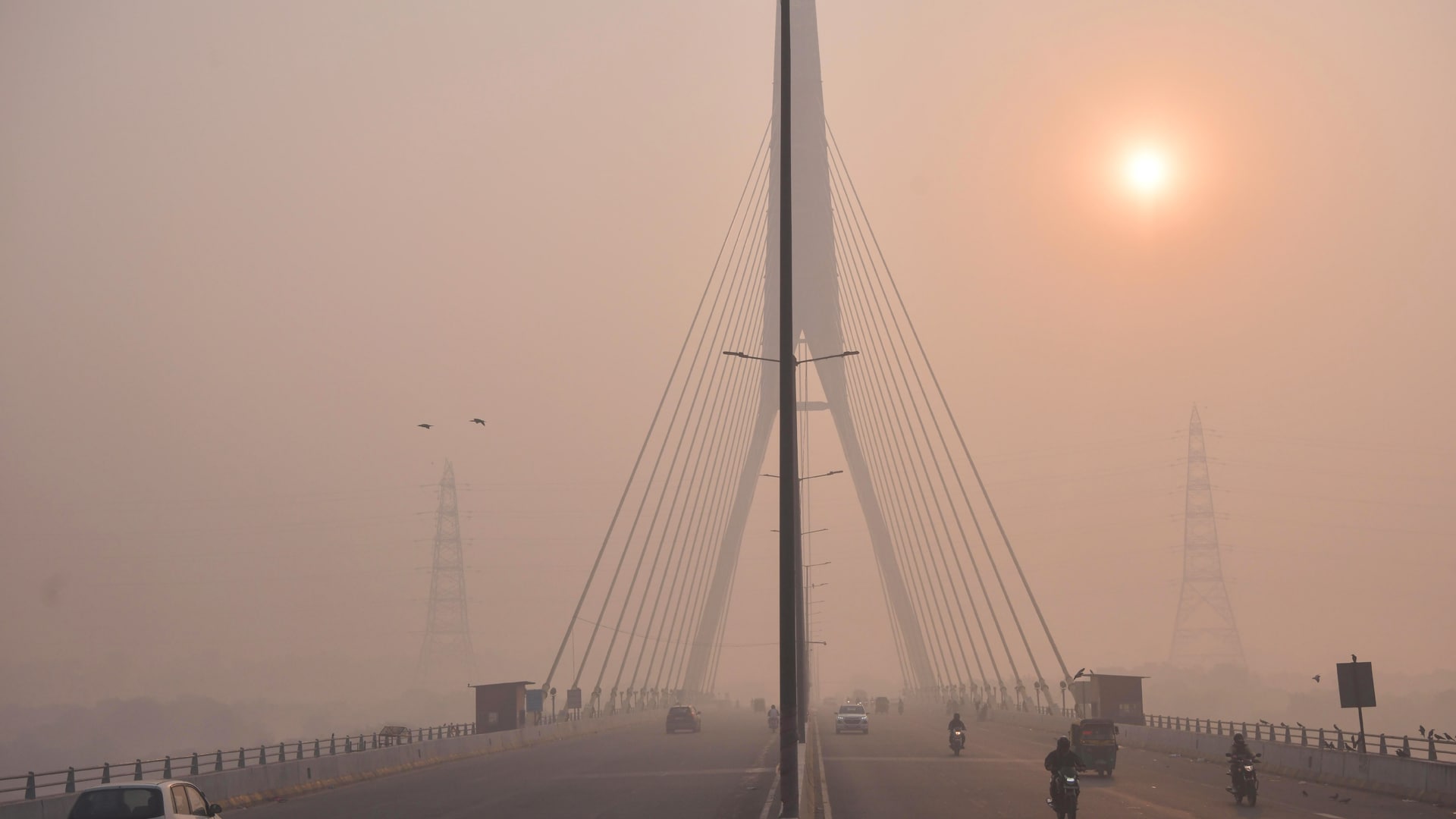
All are hoping for rain that may wash away the toxic cloud hanging overhead. But the weather office ended that hope today, saying rain is unlikely in the plains. There might be some over the Himalayan region, but none is expected in Delhi, where the pollution has reached severe levels.
- Reported by Ankita Tiwari | Wednesday November 11, 2026 , New Delhi
According to a Centre for Science and Environment (CSE) report, the average PM2.5 concentration during the week before Diwali stood at 236 micrograms per cubic metre, almost double the 120 ug/m3 recorded in 2025. It was also the highest pre-Diwali average in three years.
- Wednesday November 11, 2026 , New Delhi
The transport sector is expected to be the largest contributor to pollution on Wednesday, while the impact of stubble burning is anticipated to increase on Thursday, potentially worsening air quality further over the next few days, according to Indian Institute of Tropical Meteorology models.
- Reported by Himanshu Shekhar Mishra, Edited by Anindita Sanyal | Wednesday November 11, 2026 , New Delhi
Air pollution in Delhi-NCR has worsened during the onset of winter (from October to mid-November) this year. This has been revealed in a new analysis by the Centre for Science and Environment or CSE, an organisation that monitors environmental issues.
- Written by Vishesh Nagar | Wednesday November 11, 2026
All 10 cities in the ranking fall under the 'Hazardous' category, with Bathinda recording the highest AQI, followed by Rewari and Faridkot.

................................ Advertisement ................................


Opinion | Delhi Has Every Pollution Control Policy - Except One That Works
Monday November 09, 2026Every November, Delhi performs the same ritual. We check the AQI before stepping outdoors, children are kept indoors, masks reappear, schools consider shutting, construction is restricted, and emergency meetings are convened. Politicians blame the weather, neighbouring states, farmers, or firecrackers. And then, as the season changes, the urgency d...
दीवाली की चौखट पर दिल्ली में सांसों का संकट: 30 साल की स्टडी ने हरियाली को लेकर क्या बताया?
Thursday November 05, 2026अध्ययन में हरियाली की मात्रा के साथ उसके फैलाव और आपसी जुड़ाव को भी महत्वपूर्ण पाया गया. जिन इलाकों में हरियाली ज्यादा बिखरी हुई थी, वहां सतही तापमान अधिक रहा. इसके विपरीत, बड़े और आपस में जुड़े हरित क्षेत्रों में तापमान कम पाया गया.
Opinion: Why Delhi's Smog Can't Be Fixed From SpaceDavid Fickling, Bloomberg
Monday October 19, 2026The clearest sign that Delhi is on a path to cleaner air would be a decline in the amount of paddy grown nearby, and therefore the acreage liable to be burned each year.
Don't Normalise Air Purifiers As Delhi Chokes | The Reason Why
Thursday December 11, 2025More than 90 cities in the world's top 100 polluting list are in India. With every passing year, the AQI is rising, reaching 'hazardous' levels.
Blog | Well Done, Delhi. You've Turned Lung Sacrifice Into A Badge Of HonourSaikat Kumar Bose
Monday November 10, 2025Till some years back, Delhiites would ask angry questions to those in power about the capitals annual tryst with toxic air. This has changed. Those in the driving seat dont see the need to answer now.



