
- Home/
- Frontier Needles Of Resilience: Usha Silai School Empowers Border Women
Frontier Needles Of Resilience: Usha Silai School Empowers Border Women
Team NDTV | Updated: February 12, 2026 12:42 IST
New Delhi:
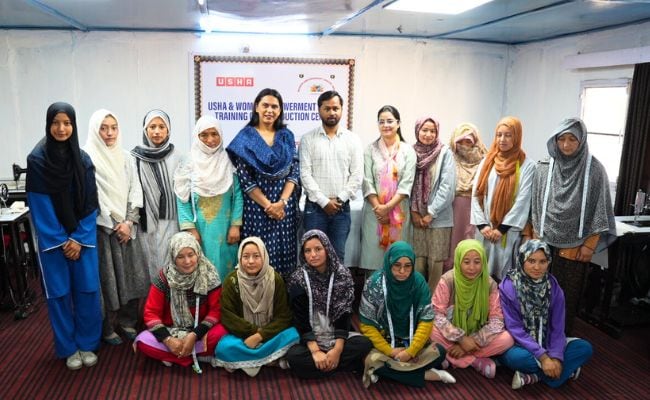
Thin mountain air bites at Turtuk's Karakoram edges, where Shakila Bano's fingers, once idle in tribal hardship, now guide Usha machines with precision. In 2018, Samaarambh Foundation, backed by NHPC and Usha International, launched a 7-day intensive for 30 Balti women—frocks, laptop bags, pillow covers emerging from frosty looms. "Never dreamed of this," Shakila beams, "Usha, Samaarambh, NHPC taught suits, covers—Inshallah, girls toil ahead."[script] Myank Khantwal notes their diligence, untapped sans resources; Uttam Lal hails skilling as family-core empowerment. These Training Cum Production Centres (TCPCs) sustain beyond training: women earn regularly, inspiring kin in Line of Control shadows. Sakina Bano envisions home suits, mentoring peers—self-reliance blooming where opportunities starved.
From resource voids to economic hubs, Usha's model fortifies remote sentinels, blending craft with community sinew.
Kargil's Empowerment Citadel
Snow-veiled Khumbathang in Kargil pulses differently since 2002's Women Empowerment Centre (WEC) under 8 Mountain Division. Chairperson Shikha Krishnan recalls: resilient Ladakhi women craved platforms beyond basic frocks. Partnering Usha, 15 completed 25-day professional tailoring—precision stitches forging not just garments, but purpose. "They travelled far daily," she says, "unsatisfied sans earnings; Usha's brand elevated them." WEC expands: beautician modules, soap-making, oils—home-viable sidelines to tailoring.
Women from villages bond, sharing resilience amid harsh weathers, birthing leadership. "Train professionally," Krishnan urges, "they'll become pros." Impact ripples: home earnings dignify families, preserve crafts, seed more schools. In border bastions, needles knit security—stronger homes, steadfast outposts.
Border Bamboo Symphony
Assam's Dakhinkuchi, hugging Bhutan, hums at the 14th Indo-Bhutan Friendship Fair—fabrics flowing sans protocols. Grameen Vikas Manch's TCPC, HDFC-funded under HRDP, births Birgwshri Fashion and Home Accessories Unit: 12 women master residential training—sewing, cutting, Bodo Aronnai-infused designs for bags, utilities. Jeevan Bhattaray lauds the fair's unity amid diverse communities. Sunita Baro, once tethered to cattle and silkworm whims, now blends Dokhona heritage with modern flair. "Struggles in bordering life eased," she shares, Fair visibility catapulting local produce cross-border. From hesitation to collective decisions—sourcing, marketing, quality—they're entrepreneurs, not laborers. TCPC symbolizes rhythm in bamboo groves: stability where wage whims ruled.
Threads Binding the Nation
Kushalta Ke Kadam chronicles these border bonds: Usha's 2018 Ladakh thrust with Samaarambh-NHPC; Army's 2002 WEC evolution; Assam's fair-fueled collectives. Shakila's joy, Shikha's vision, Sunita's leap echo Uttam Lal: skilled women transform families, regions. TCPCs ensure continuity—production hubs yielding steady incomes, expansions eyed. In unforgiving terrains—scarce resources, isolation—these alliances prove development defends as fiercely as borders. Women, once overlooked, now lead: mentoring, earning, preserving culture amid strategy. From Turtuk's tribes to Kargil's kin, Dakhinkuchi's dreamers, Usha forges belonging. As Krishnan vows, "Vision: trained professionals." Sunita adds cross-border commerce. High altitudes to forested fringes, machines silent at dusk hum promises: empowerment reaches outposts, fortifying India from within. One stitch safeguards sovereignty—self-reliant women, unbreakable frontiers.
Published: February 12, 2026 12:34 IST
 Team NDTV | Monday February 16, 2026
Odisha's Suchismita Sahu, Rajasthan's Preeti Prajapat, Manipur's Akhirun—Usha Silai School's Kushalta Ke Kadam celebrates these awardees, from homemakers to master trainers earning accolades
- Team NDTV | Thursday February 12, 2026
From Ladakh peaks to Assam fringes, Usha Silai School trains tribal women in Turtuk, Kargil & Dakhinkuchi—crafting livelihoods with armed forces, NHPC & NGOs. Stitching national resilience
- Team NDTV | Thursday January 29, 2026
From West Bengal's transgender tailors to Telangana's tribal seamstresses and Meghalaya's embroidery revivalists, Usha Silai School's Kushalta Ke Kadam partners with NIRDPR and state governments
- Team NDTV | Tuesday February 03, 2026
In Odisha's mining heartlands, Mahanadi Coalfields Limited teams with Usha Silai School's Kushalta Ke Kadam and Gram Utthan, empowering tribal women turning them into entrepreneurs
Do you want to be a part of the huge change that Usha Silai School is bringing about in the lives of millions of rural women? With just a simple click of a button, you can now contribute towards the opening of an Usha Silai School or support various other aspects of the school.
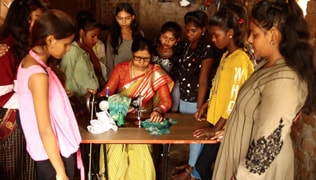
Kushalta Ke Kadam, an initiative by USHA Silai School and NDTV has entered its eighth season. The aim is to empower more women across rural India by teaching them sewing skills and helping them open new doors of opportunities for themselves. The initiative encourages rural women to become financially independent and entrepreneurs by taking up sewing and training others in their respective communities.
Since 2011, the USHA Silai School initiative has trained more than 12 lakh rural women through over 33,000 Silai schools, spanning over 20,751 villages across India.
The women earn Rs. 4,000 – 5,000 per month on an average, with the highest recorded monthly earning being Rs. 84,000 in a month. This earning works as a catalyst towards building their self-confidence, reducing gender inequities, and raising their stature within their families and in society at large.
Kushalta ke Kadam: Aiming for Independence Through Stitching
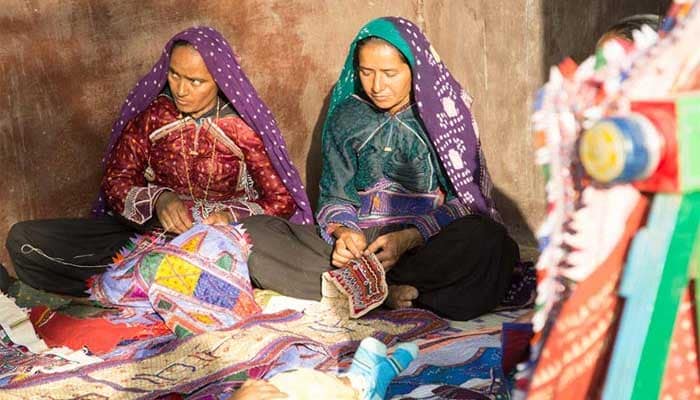
Rebari girls grow up learning traditional embroidery, which along with their new found sewing skills developed at Usha Silai Schools, is helping them earn a living.
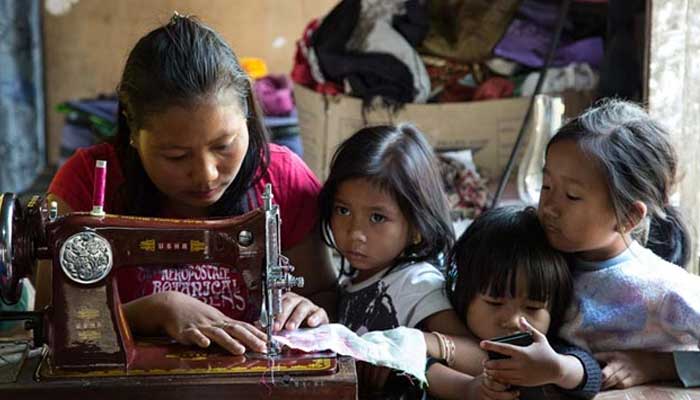
Usha Silai School has empowered many rural women to support their family and send their children to school.
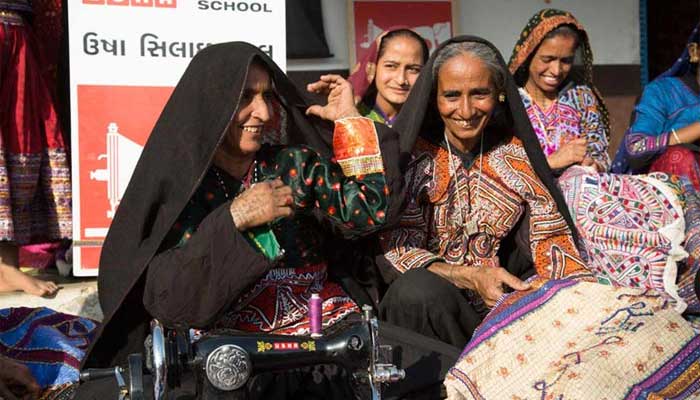
The Usha Silai School, established in a small nondescript village that goes by the name of Kottai, is helping empower people from varied communities.
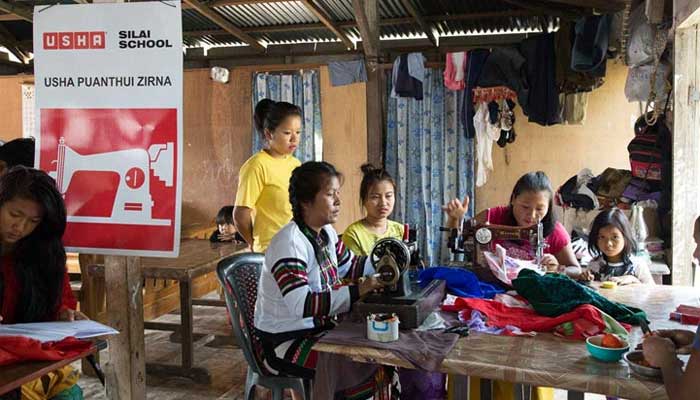
The all-inclusive Usha Silai School Programme covers the entire nation from hamlets tucked between hills to villages cast by the sea.
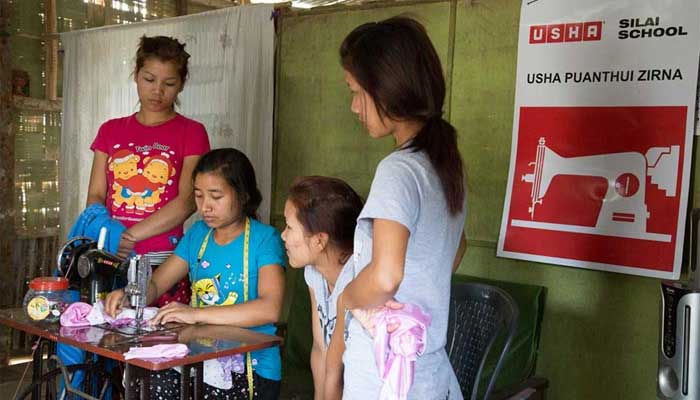
Vegetables farmers from the Mizoram hills earn very little given the topography of the area. Usha Silai Schools have played an important part in this region by skilling women to financially contribute towards their households.
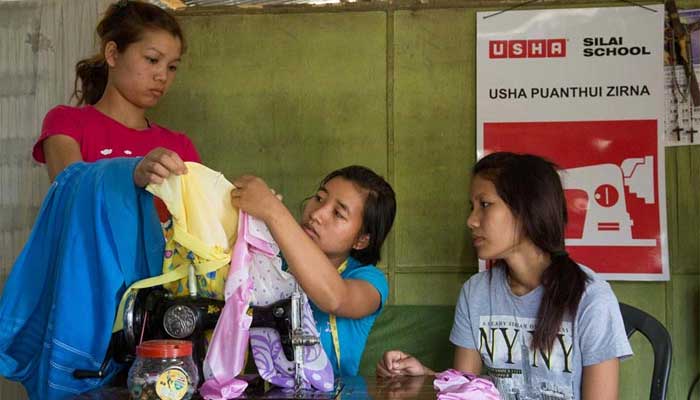
Usha Silai School learner Lucy has trained seven other women in her community, helping them to become financially independent.
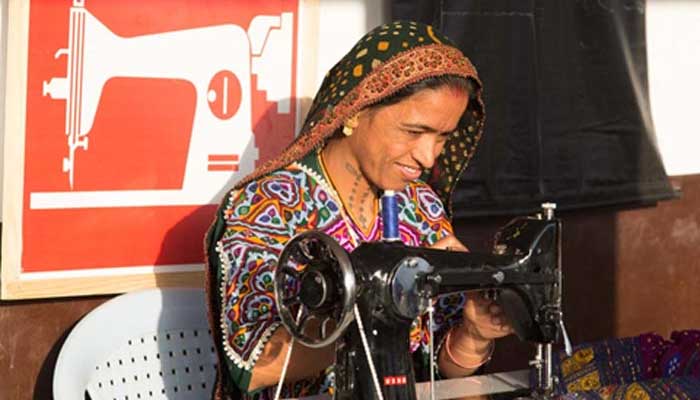
Women like Kaviben from the nomadic Rebari community are finally laying down their roots as they begin to gain financial independence and thereby stability through Usha Silai School.
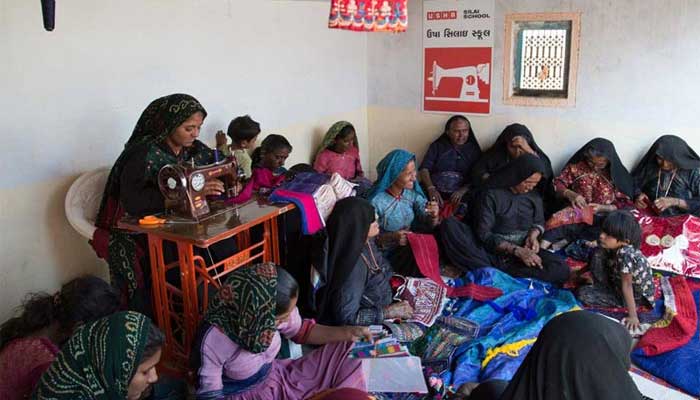
Usha Silai School, located in the Gujarat's Bhuj village, is enabling rural women to earn as much as Rs. 2,500-4,000 each month.
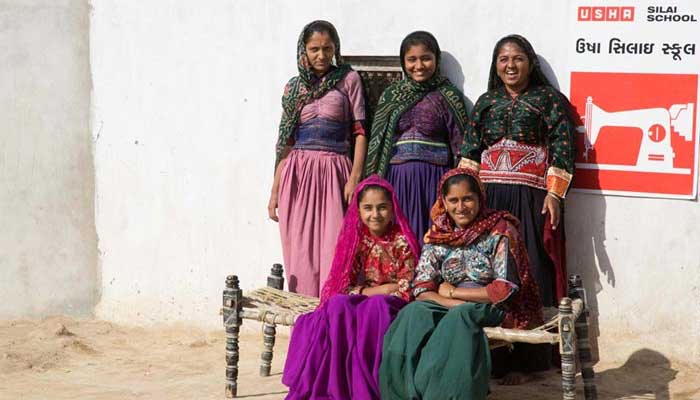
Usha Silai School, in association with a Gujarat based NGO called Kala Raksha, is trying to bring about a Silai revolution in Bhuj.
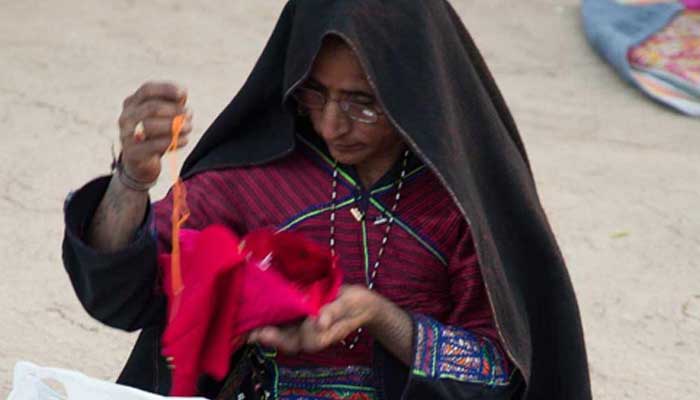
Besides training other women from their community, many Usha Silai School learners have become entrepreneurs in their own right.
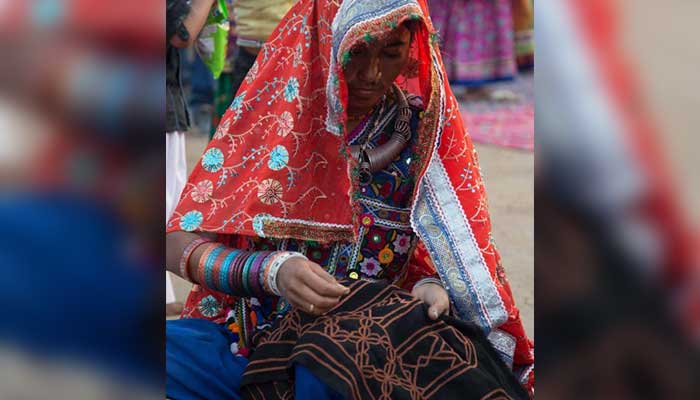
With sewing becoming easily accessible and lucrative, the silai schools are also helping revive traditional motifs and designs.
