
- Home/
- How USHA Silai School Didis Are Stitching Freedom And Transforming Rural India
How USHA Silai School Didis Are Stitching Freedom And Transforming Rural India
Written by Team NDTV | Updated: December 11, 2025 17:21 IST
New Delhi:
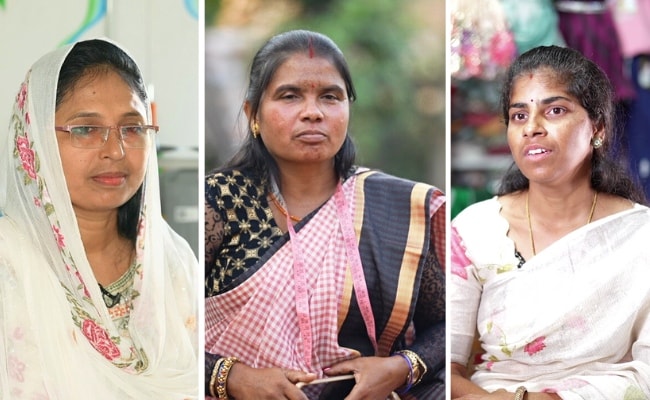
From remote villages to busy small towns, women across India are rewriting their futures with the help of the USHA Silai School Program. What started as a sewing class has blossomed into a movement where women earn, lead, and inspire. To expand this circle of empowerment, USHA now trains its own Silai School entrepreneurs as Master Trainers, ensuring every skilled woman becomes a mentor for many more. These Silai School Didis are stitching together stronger families and stronger communities. In an episode of Usha Kushalta ke Kadam, NDTV followed the journeys of three extraordinary women: Lalita, Yashira, and Pushpkala.
Jharkhand: Lalita Kumari
In the traditional Oraon tribal community of Jharkhand, women's roles are often confined to the home. But Lalita Kumari, from Patratoli village in Lohardaga, chose a different path. Lalita recalls her early life,
Before joining the Usha Silai School, my life was like that of a simple housewife… I had studied nursing, but after marriage night shifts became impossible. Someone suggested I go for sewing training in Ranchi. I said I wouldn't go alone, so two of my friends also applied with me. After nine days of training, each of us returned with a sewing machine.
It wasn't easy. There were doubts, criticism, and hesitation from her community.
When I started going to the shop for work, people said women from our Adivasi community cannot progress. But I ignored them and continued forward.
Soon, Lalita began teaching other women. She said,
When my students opened their own shops and earned money, I felt proud, like planting a tree and watching it bear fruit. I teach them more than sewing, how to speak, how to earn, how not to depend on anyone, and how not to be afraid.
Manita Oraon, her student, said, “Seeing Lalita didi, I want to open my own shop one day.” Another student, Gange Kumari, said, “I used to work as a construction labourer. Now, after learning from Lalita didi, I run my home on my own income.” Lalita also revived the traditional Laal Paar saree, once fading from the Oraon community.
Our traditional attire had disappeared. I tried using social media to bring it back. When people come to me during festivals to collect their dresses, I feel proud that our culture has returned.
Today, Lalita is the Secretary of the Mahila Mandal, a respected voice in village meetings, and a trusted advisor to NGOs and officials.
Bihar: Yashira
Anjum In Gaya, Bihar, Yashira Anjum's life once felt suffocating. She grew up in a community where girls were rarely allowed to step outside their homes.
My life was very difficult. I wanted to study, but I was not allowed to go out. After matric exams, I was married off. Even after marriage, no one allowed me to step outside to work.
In 2019, everything changed when she was introduced to the Usha Silai School through the Bhojpur Mahila Kala Kendra. “My husband didn't allow it at first, but I insisted on going to see what it was about,” she said. She returned with a sewing machine, certificate, and Silai School board. Within two days, 20 women enrolled to learn from her. She helped other women open their own centres. "I wanted other women to stand on their feet. Many women now earn Rs 20,000-25,000 a month,” she said.
Today, she has trained over 5,000 women and collaborates with NGOs like Save the Children and Pratham. She earns Rs 30,000-35,000 a month and plays an active role in local governance. Her student, Anjali Kumari, shared,
Earlier I earned only ₹2,000–3,000. Now I earn up to Rs 10,000 a month.
Ummul Khair Fatma said, “After learning from Yashira, we can earn when needed and don't have to depend on anyone.” Yashira said, “If we teach skills to many women, that skill stays with them forever, it never fades.”
Telangana: Pushpakala
In Vikarabad district, Telangana, Pushpakala's life was once confined to her home. Her family survived on her husband's limited income, and she dreamed of contributing but didn't know how. Everything changed when she joined the Usha Silai School through the KP Foundation. Her coordinator remembers,
She was very shy and dependent. After joining Usha, she gained confidence and learned how to run a business.
With one sewing machine, she started at home. Today, she trains nearly 40 women, many earning their own income. With guidance, she began taking government uniform orders and expanded her business. Today, her family earns Rs 1.5-2 lakh per month. Her NGO partner explained,
Usha does not just train women, they support them with machines and kits. That's why women like Pushpakala have been able to open their own shops and grow.
Pushpakala built a new home, invested in her children's education, and teaches financial literacy to women. She helps resolve disputes, guides women on loans, and encourages them to dream bigger. Her students say,
After three months of training, I now earn Rs 20,000 a month. I am financially independent because of Pushpakala ma'am.
In her village, she is proudly known as “Silai Didi”, the woman who stitches progress. These Silai Didis are proof that one stitch can weave a brighter, stronger future for everyone.
Published: December 10, 2025 19:47 IST
 Team NDTV | Monday February 16, 2026
Odisha's Suchismita Sahu, Rajasthan's Preeti Prajapat, Manipur's Akhirun—Usha Silai School's Kushalta Ke Kadam celebrates these awardees, from homemakers to master trainers earning accolades
- Team NDTV | Thursday February 12, 2026
From Ladakh peaks to Assam fringes, Usha Silai School trains tribal women in Turtuk, Kargil & Dakhinkuchi—crafting livelihoods with armed forces, NHPC & NGOs. Stitching national resilience
- Team NDTV | Thursday January 29, 2026
From West Bengal's transgender tailors to Telangana's tribal seamstresses and Meghalaya's embroidery revivalists, Usha Silai School's Kushalta Ke Kadam partners with NIRDPR and state governments
- Team NDTV | Tuesday February 03, 2026
In Odisha's mining heartlands, Mahanadi Coalfields Limited teams with Usha Silai School's Kushalta Ke Kadam and Gram Utthan, empowering tribal women turning them into entrepreneurs
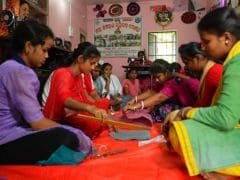
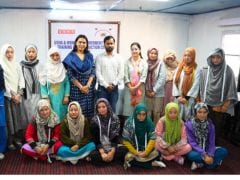
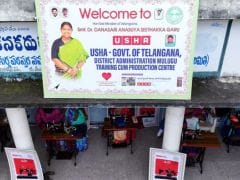
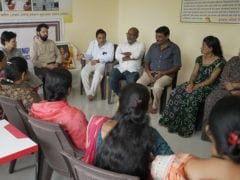
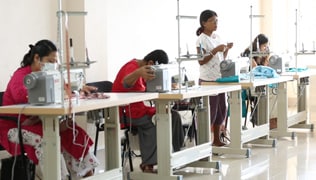
Do you want to be a part of the huge change that Usha Silai School is bringing about in the lives of millions of rural women? With just a simple click of a button, you can now contribute towards the opening of an Usha Silai School or support various other aspects of the school.
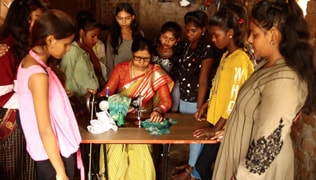
Kushalta Ke Kadam, an initiative by USHA Silai School and NDTV has entered its eighth season. The aim is to empower more women across rural India by teaching them sewing skills and helping them open new doors of opportunities for themselves. The initiative encourages rural women to become financially independent and entrepreneurs by taking up sewing and training others in their respective communities.
Since 2011, the USHA Silai School initiative has trained more than 12 lakh rural women through over 33,000 Silai schools, spanning over 20,751 villages across India.
The women earn Rs. 4,000 – 5,000 per month on an average, with the highest recorded monthly earning being Rs. 84,000 in a month. This earning works as a catalyst towards building their self-confidence, reducing gender inequities, and raising their stature within their families and in society at large.
Kushalta ke Kadam: Aiming for Independence Through Stitching
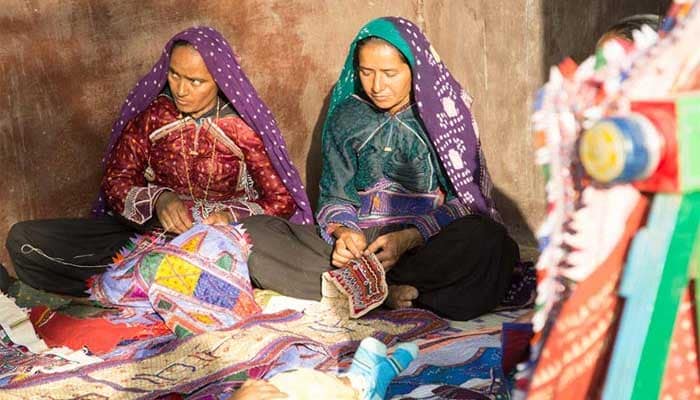
Rebari girls grow up learning traditional embroidery, which along with their new found sewing skills developed at Usha Silai Schools, is helping them earn a living.
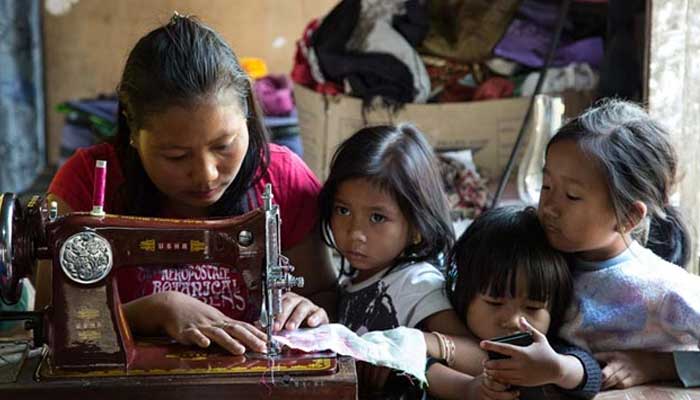
Usha Silai School has empowered many rural women to support their family and send their children to school.
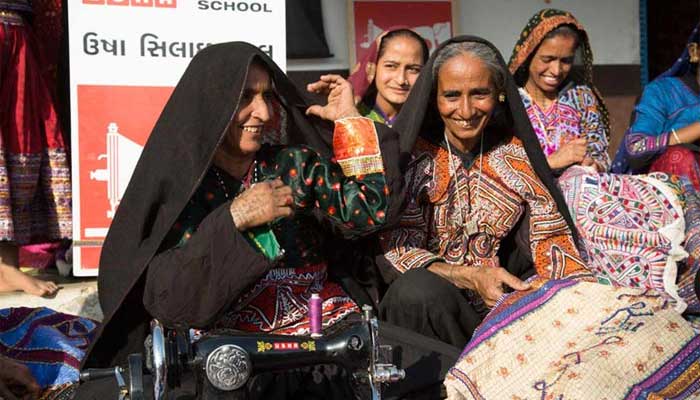
The Usha Silai School, established in a small nondescript village that goes by the name of Kottai, is helping empower people from varied communities.
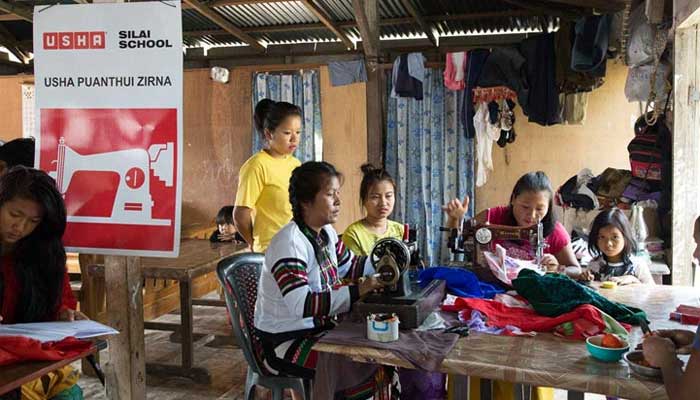
The all-inclusive Usha Silai School Programme covers the entire nation from hamlets tucked between hills to villages cast by the sea.
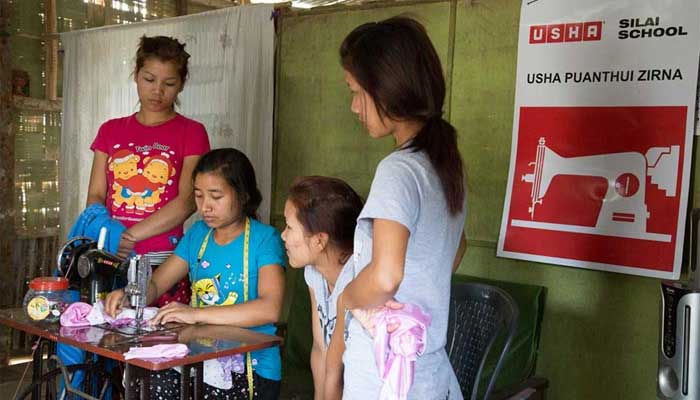
Vegetables farmers from the Mizoram hills earn very little given the topography of the area. Usha Silai Schools have played an important part in this region by skilling women to financially contribute towards their households.
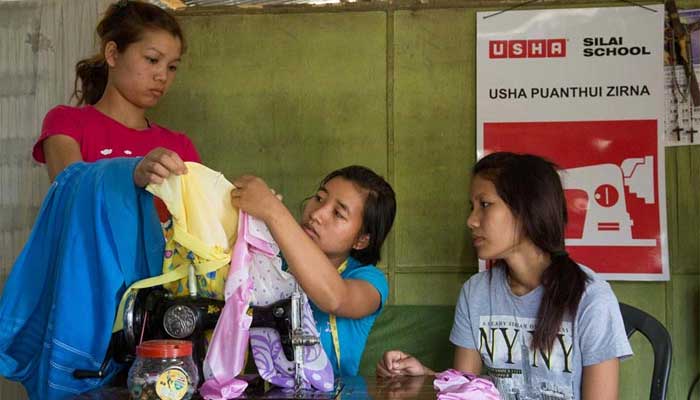
Usha Silai School learner Lucy has trained seven other women in her community, helping them to become financially independent.
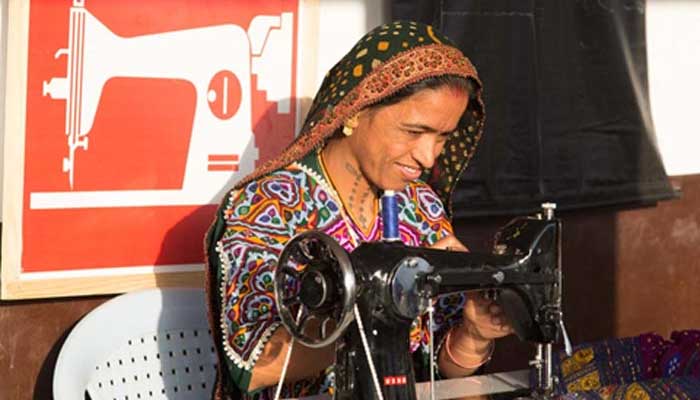
Women like Kaviben from the nomadic Rebari community are finally laying down their roots as they begin to gain financial independence and thereby stability through Usha Silai School.
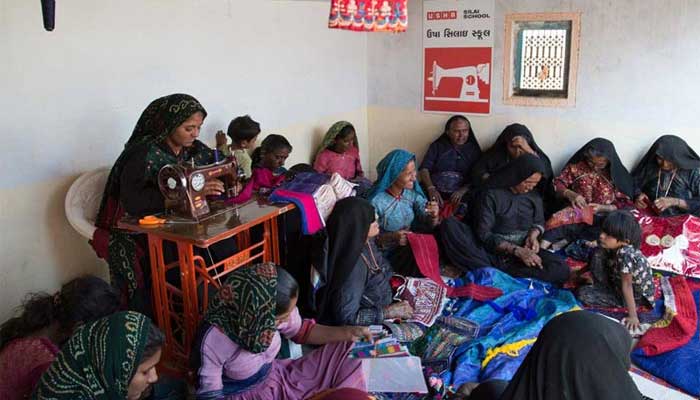
Usha Silai School, located in the Gujarat's Bhuj village, is enabling rural women to earn as much as Rs. 2,500-4,000 each month.
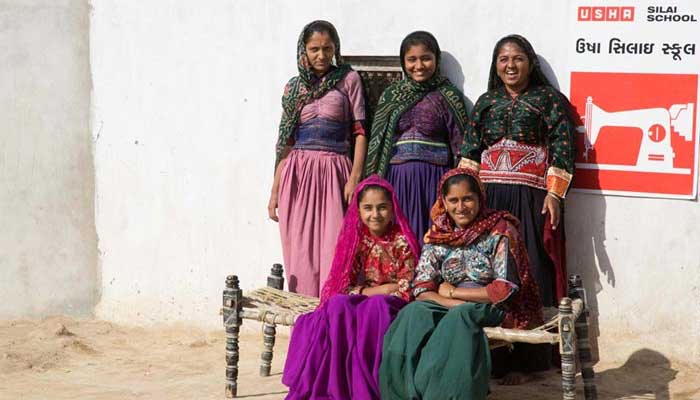
Usha Silai School, in association with a Gujarat based NGO called Kala Raksha, is trying to bring about a Silai revolution in Bhuj.
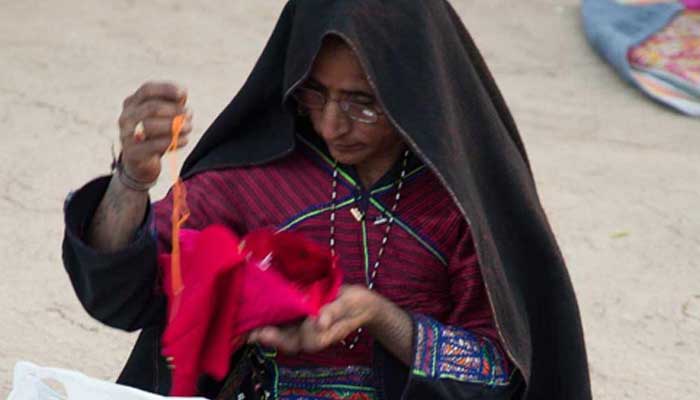
Besides training other women from their community, many Usha Silai School learners have become entrepreneurs in their own right.
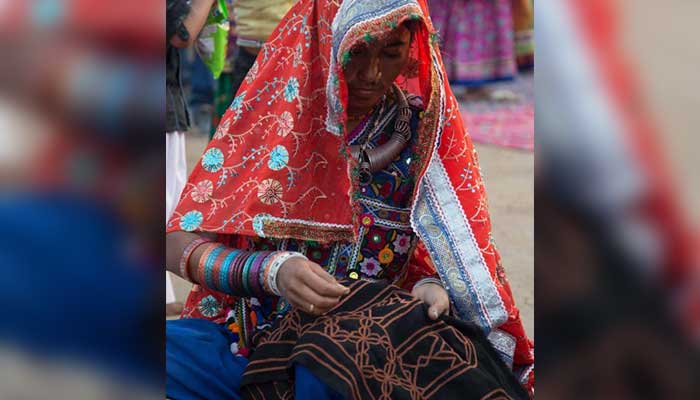
With sewing becoming easily accessible and lucrative, the silai schools are also helping revive traditional motifs and designs.
