
- Home/
- Threads Of Change: Mothers And Daughters Rise Together Through USHA Silai Schools
Threads Of Change: Mothers And Daughters Rise Together Through USHA Silai Schools
Written by Team NDTV | Updated: December 11, 2025 17:16 IST
New Delhi: 
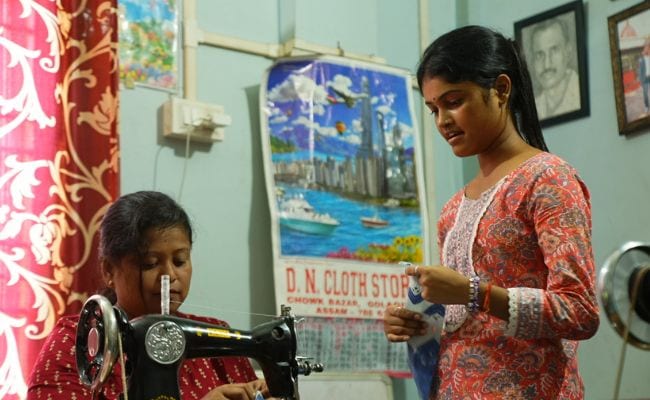
Across India, thousands of women are stitching new futures for themselves and their families through the USHA Silai School Program. What began as a sewing initiative has grown into a powerful movement of economic independence, confidence, and intergenerational change. To meet the rising demand for trainers, USHA also began training its own Silai School entrepreneurs as Master Trainers, creating a cycle where empowered women go on to empower others.
Kanta's Story: From Abuse To Independence
In a small village in the Samba district of Jammu and Kashmir, Kanta lived through domestic violence, isolation, and financial hardship. In 2020, after leaving her marriage and moving to her brother's home, she joined the Silai School program.
She trained, began teaching village women, took tailoring orders, and even worked in border areas as a local resource person. Today, she earns Rs 10,000- Rs 20,000 per month and has become a role model for her children.
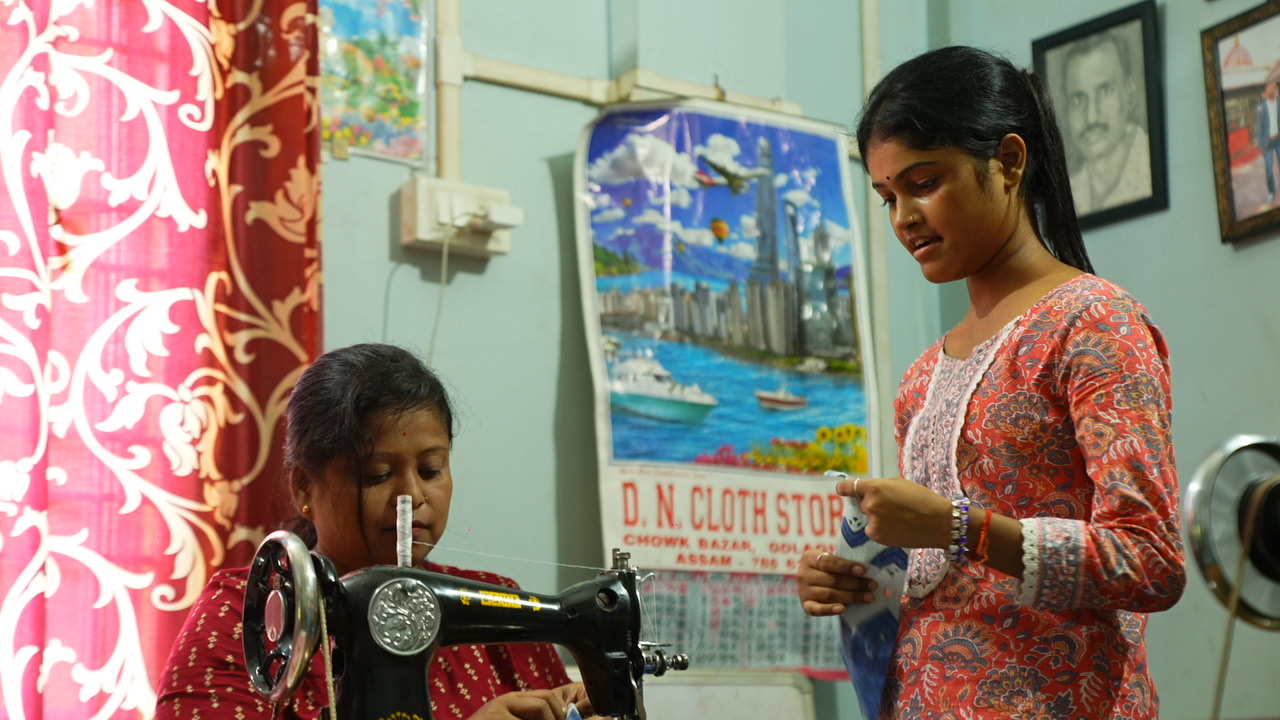
Her daughter, Tanya, now dreams alongside her.
Shayista Ayoub, Program Manager, Usha International Limited, J&K, told NDTV,
Every woman has different struggles she is facing. Here is how Tanya has supported her mother. So they are setting the example that by supporting each other they can reach the heights they have dreamed of.
A Ripple Effect On Families
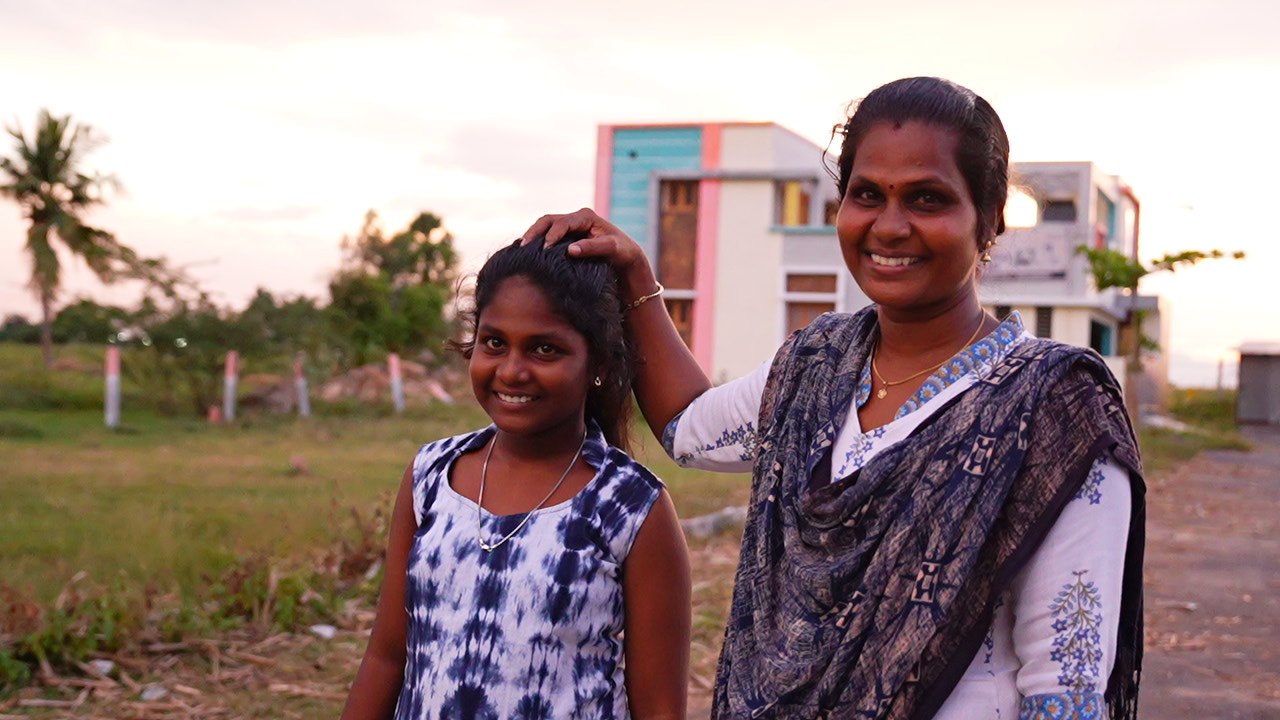
Mary Rupa Tete, HOD, Usha Social Services, told NDTV,
When women start earning, they start contributing to a lot of other things like more nutritious food for the family, better quality education for the children, and access to better health facilities to name a few.
She added,
When children start observing their mothers, it unleashes their own creativity… broadens their own aspirations.
A Delhi University impact study found that many Silai School children are now aiming to become entrepreneurs, not just employees.
Assam: Lakhi Debnath And Daughter Priya
Over 2,000 km away in Bokakhat, Assam, Lakhi Debnath transformed her life after joining the Silai School. Earlier dependent on her husband's modest income, she began stitching for neighbours and soon built a warm, lively learning space at home.
Her daughter Priya quietly learned beside her. What began as play grew into passion.
Today, Priya works at a renowned fashion house in Delhi, carrying forward her mother's legacy.
Tamil Nadu: Fabiola And Ishanika Working As A Team
In Poor Palampattu village, Villupuram district, Fabiola has been teaching sewing for over ten years and has trained more than 100 women. She earns Rs 20,000 - Rs 25,000 per month, helping her family buy a new house, gold, and even a lorry for her husband's business.
Her daughter Ishanika, now 19, learned by watching her mother. She picked up new techniques online, including Ahri embroidery, pearl work, and jewellery making. With her earnings, she funded her education, bought gold, a two-wheeler, and appliances, all before finishing her first year of college.
She is now pursuing a B.Sc in Fashion Technology, working alongside her mother as an equal partner.
Across India, the USHA Silai School Program is creating powerful mother-daughter stories.
Published: December 01, 2025 14:27 IST
- Team NDTV | Monday February 16, 2026
Odisha's Suchismita Sahu, Rajasthan's Preeti Prajapat, Manipur's Akhirun—Usha Silai School's Kushalta Ke Kadam celebrates these awardees, from homemakers to master trainers earning accolades
- Team NDTV | Thursday February 12, 2026
From Ladakh peaks to Assam fringes, Usha Silai School trains tribal women in Turtuk, Kargil & Dakhinkuchi—crafting livelihoods with armed forces, NHPC & NGOs. Stitching national resilience
- Team NDTV | Thursday January 29, 2026
From West Bengal's transgender tailors to Telangana's tribal seamstresses and Meghalaya's embroidery revivalists, Usha Silai School's Kushalta Ke Kadam partners with NIRDPR and state governments
- Team NDTV | Tuesday February 03, 2026
In Odisha's mining heartlands, Mahanadi Coalfields Limited teams with Usha Silai School's Kushalta Ke Kadam and Gram Utthan, empowering tribal women turning them into entrepreneurs
Do you want to be a part of the huge change that Usha Silai School is bringing about in the lives of millions of rural women? With just a simple click of a button, you can now contribute towards the opening of an Usha Silai School or support various other aspects of the school.
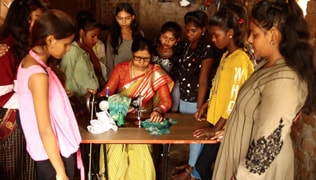
Kushalta Ke Kadam, an initiative by USHA Silai School and NDTV has entered its eighth season. The aim is to empower more women across rural India by teaching them sewing skills and helping them open new doors of opportunities for themselves. The initiative encourages rural women to become financially independent and entrepreneurs by taking up sewing and training others in their respective communities.
Since 2011, the USHA Silai School initiative has trained more than 12 lakh rural women through over 33,000 Silai schools, spanning over 20,751 villages across India.
The women earn Rs. 4,000 – 5,000 per month on an average, with the highest recorded monthly earning being Rs. 84,000 in a month. This earning works as a catalyst towards building their self-confidence, reducing gender inequities, and raising their stature within their families and in society at large.
Kushalta ke Kadam: Aiming for Independence Through Stitching
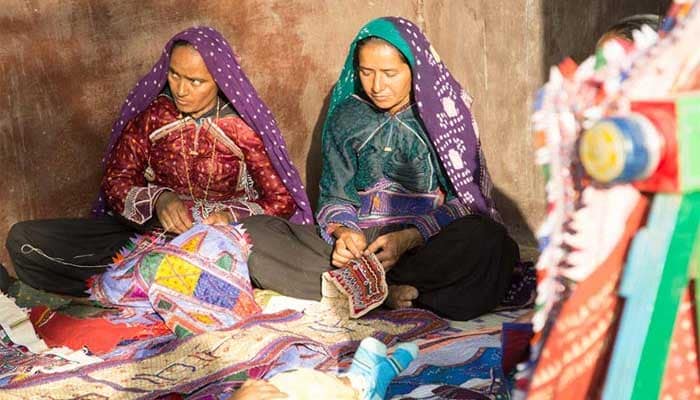
Rebari girls grow up learning traditional embroidery, which along with their new found sewing skills developed at Usha Silai Schools, is helping them earn a living.
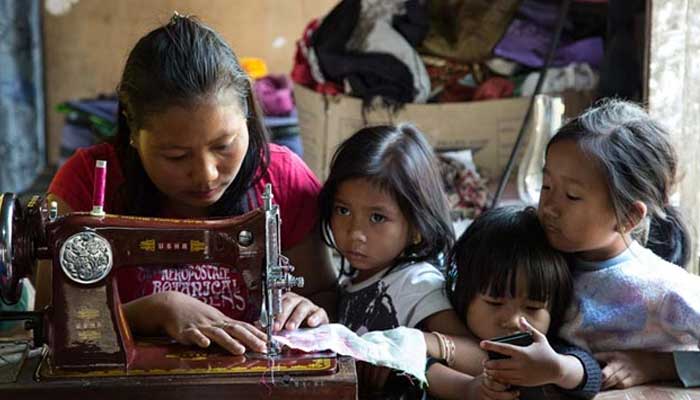
Usha Silai School has empowered many rural women to support their family and send their children to school.
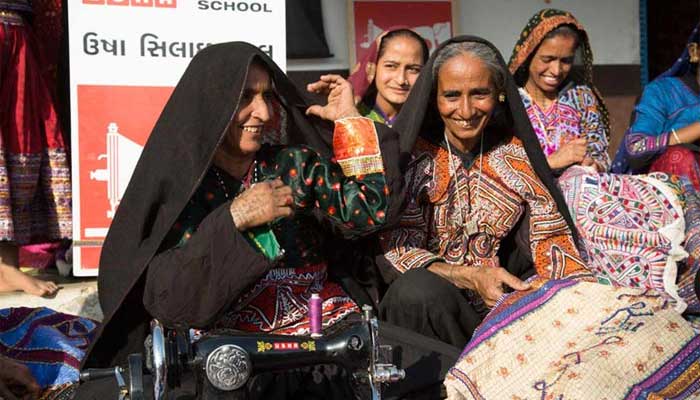
The Usha Silai School, established in a small nondescript village that goes by the name of Kottai, is helping empower people from varied communities.
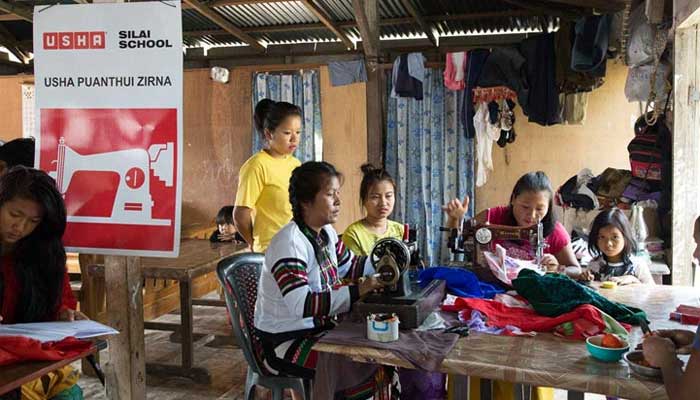
The all-inclusive Usha Silai School Programme covers the entire nation from hamlets tucked between hills to villages cast by the sea.
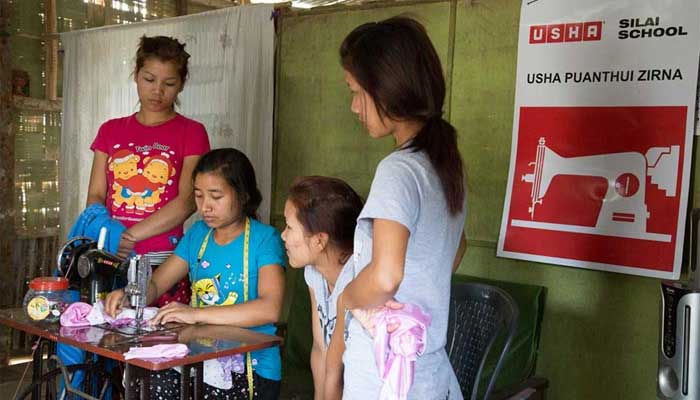
Vegetables farmers from the Mizoram hills earn very little given the topography of the area. Usha Silai Schools have played an important part in this region by skilling women to financially contribute towards their households.
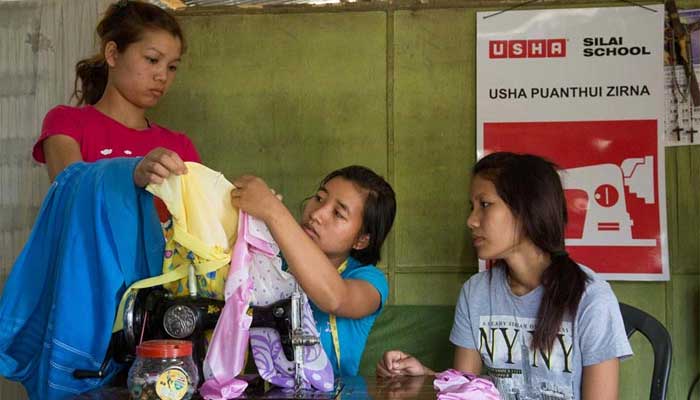
Usha Silai School learner Lucy has trained seven other women in her community, helping them to become financially independent.
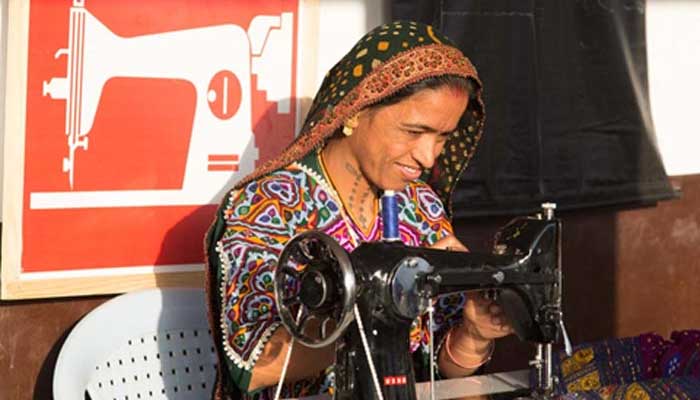
Women like Kaviben from the nomadic Rebari community are finally laying down their roots as they begin to gain financial independence and thereby stability through Usha Silai School.
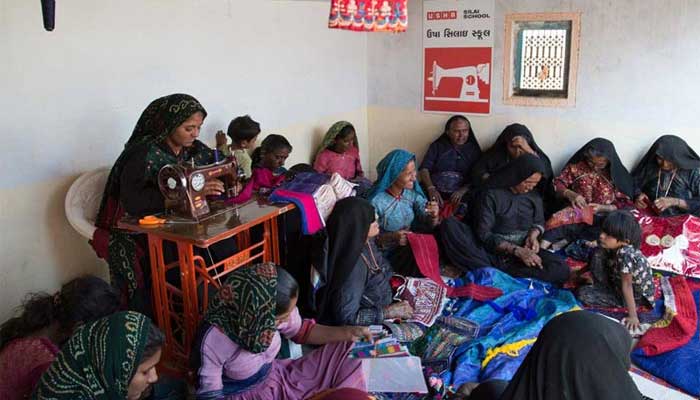
Usha Silai School, located in the Gujarat's Bhuj village, is enabling rural women to earn as much as Rs. 2,500-4,000 each month.
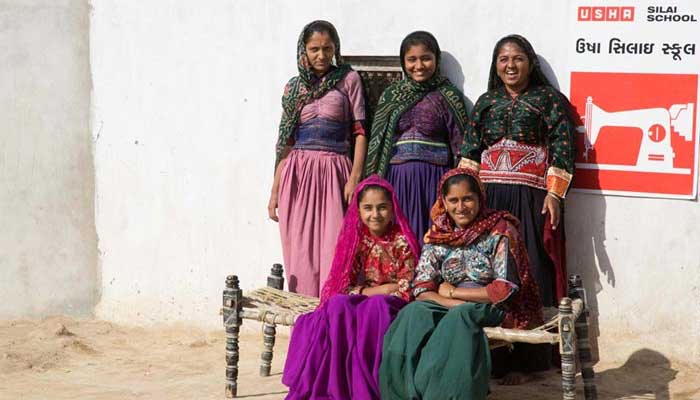
Usha Silai School, in association with a Gujarat based NGO called Kala Raksha, is trying to bring about a Silai revolution in Bhuj.
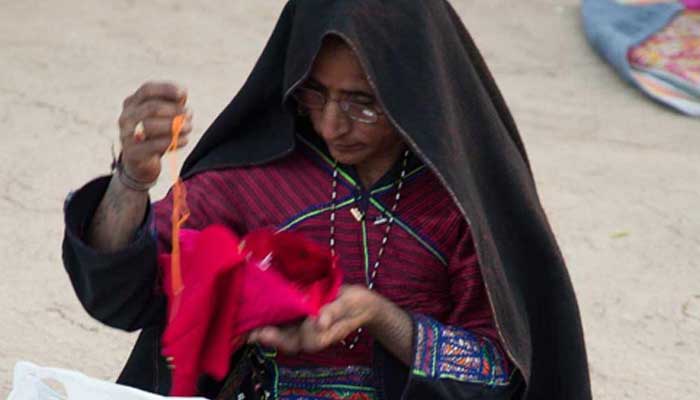
Besides training other women from their community, many Usha Silai School learners have become entrepreneurs in their own right.
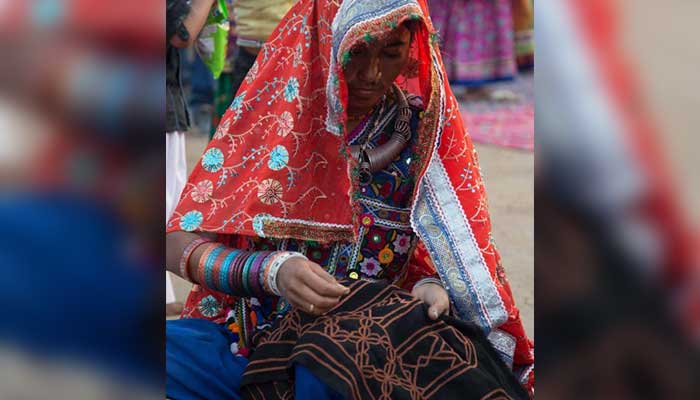
With sewing becoming easily accessible and lucrative, the silai schools are also helping revive traditional motifs and designs.
