
- Home/
- Threads of Inclusion: Usha Silai School Weaves Dignity For The Marginalised
Threads of Inclusion: Usha Silai School Weaves Dignity For The Marginalised
Team NDTV | Updated: January 29, 2026 16:46 IST
New Delhi:
In West Bengal's shadowed margins, 15 transgender individuals thread needles under NIRDPR's Action Lab, their machines humming defiance against multi-dimensional poverty. Partnered with CIRDAP, PLEQSUS India Foundation, and Usha Silai School, five excel in high-end apparel, poised for market dominance—proving skilling trumps begging, birthing role models and trans-led enterprises.
Tribal Stitches In Mulugu
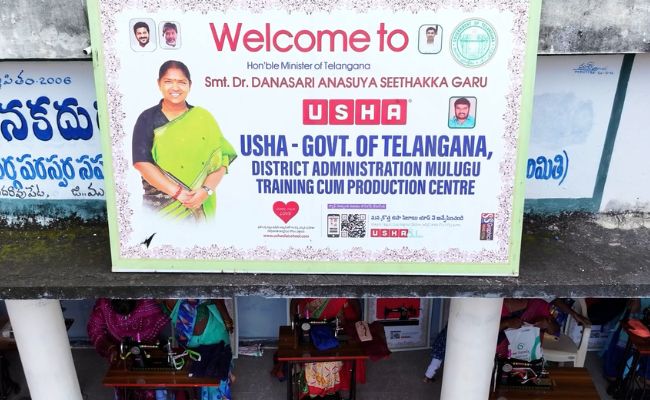
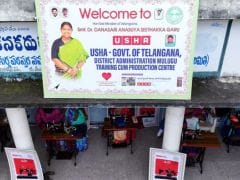
Telangana's Mulugu forests echo with 80 women's pedals at Chalwai centre, sparked by District Collector T.S. Divakara's vision. Usha Entrepreneurs Initiative trains the poorest, securing ₹1 lakh school uniform orders for steady ₹5,000-6,000 incomes—funding education without spousal aid, as Prashanthi masters stitches in 14 days.[script] From shy homemakers to confident group leaders, they teach others, fueling circular economies.
Heritage Revival In Meghalaya
Meghalaya's matrilineal hills bloom via six-year Usha-MSRLS pact: 17 Training Cum Production Centres skill 250+ women, spotlighted at Saras Aajivika Fairs' ramps. Khneng embroidery, fading from four to two villages, revives through modern tailoring—empowering fields-women as designers, blending tradition with bulk orders.[script] CEO Ram Krishna hails their enthusiasm; Conrad Sangma champions localised livelihoods.
Policy To Pedal
Kushalta Ke Kadam spotlights government synergies: NIRDPR's unreached focus aligns with Usha's 14-year expertise, providing machines, curricula, and linkages for self-employment. Dr. Sandhya Gopakumaran envisions enterprises; Avinava Dutta seeds community employers.[script] Sudeb Suvana dreams trans-led companies defying gender norms in timeless tailoring.
A Shared Horizon
These collaborations scale inclusion—transgenders from streets to shops, tribals from dependence to dignity, Meghalayans from fields to fairs. Usha's model ensures sustainability: handholding, bulk orders, alumni networks toward equitable growth.[script] No one left behind; every stitch advances Viksit Bharat. Adopt at ushasilaischool.com.
Published: January 29, 2026 16:38 IST
 Team NDTV | Monday February 16, 2026
Odisha's Suchismita Sahu, Rajasthan's Preeti Prajapat, Manipur's Akhirun—Usha Silai School's Kushalta Ke Kadam celebrates these awardees, from homemakers to master trainers earning accolades
- Team NDTV | Thursday February 12, 2026
From Ladakh peaks to Assam fringes, Usha Silai School trains tribal women in Turtuk, Kargil & Dakhinkuchi—crafting livelihoods with armed forces, NHPC & NGOs. Stitching national resilience
- Team NDTV | Thursday January 29, 2026
From West Bengal's transgender tailors to Telangana's tribal seamstresses and Meghalaya's embroidery revivalists, Usha Silai School's Kushalta Ke Kadam partners with NIRDPR and state governments
- Team NDTV | Tuesday February 03, 2026
In Odisha's mining heartlands, Mahanadi Coalfields Limited teams with Usha Silai School's Kushalta Ke Kadam and Gram Utthan, empowering tribal women turning them into entrepreneurs
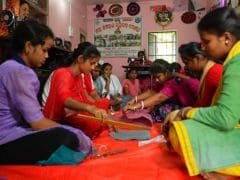
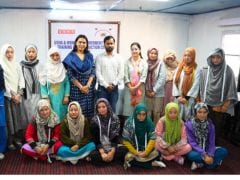
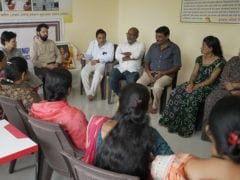
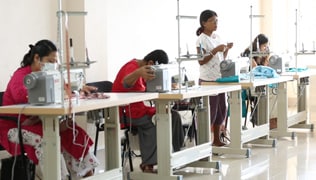
Do you want to be a part of the huge change that Usha Silai School is bringing about in the lives of millions of rural women? With just a simple click of a button, you can now contribute towards the opening of an Usha Silai School or support various other aspects of the school.
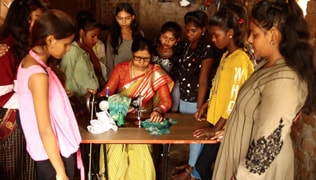
Kushalta Ke Kadam, an initiative by USHA Silai School and NDTV has entered its eighth season. The aim is to empower more women across rural India by teaching them sewing skills and helping them open new doors of opportunities for themselves. The initiative encourages rural women to become financially independent and entrepreneurs by taking up sewing and training others in their respective communities.
Since 2011, the USHA Silai School initiative has trained more than 12 lakh rural women through over 33,000 Silai schools, spanning over 20,751 villages across India.
The women earn Rs. 4,000 – 5,000 per month on an average, with the highest recorded monthly earning being Rs. 84,000 in a month. This earning works as a catalyst towards building their self-confidence, reducing gender inequities, and raising their stature within their families and in society at large.
Kushalta ke Kadam: Aiming for Independence Through Stitching
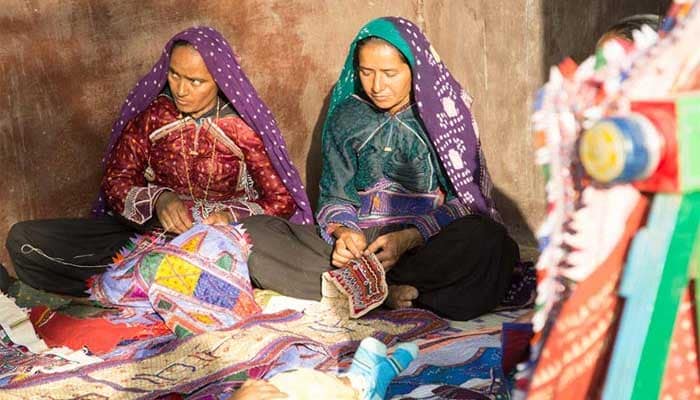
Rebari girls grow up learning traditional embroidery, which along with their new found sewing skills developed at Usha Silai Schools, is helping them earn a living.
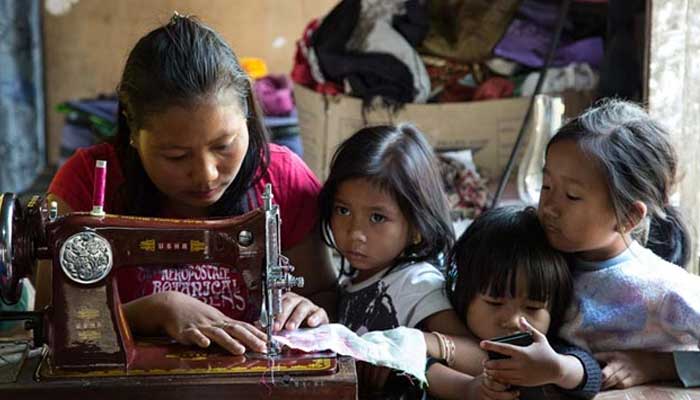
Usha Silai School has empowered many rural women to support their family and send their children to school.
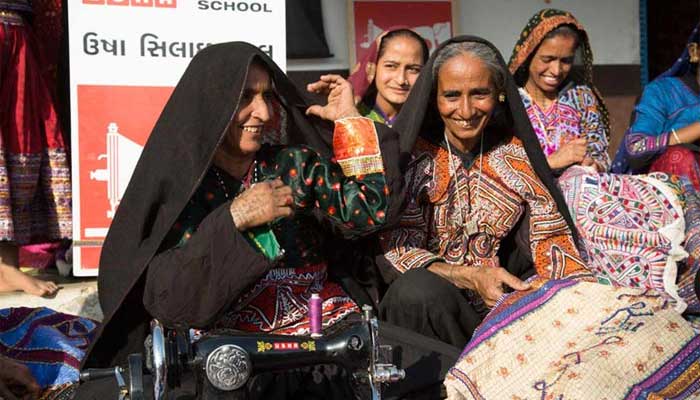
The Usha Silai School, established in a small nondescript village that goes by the name of Kottai, is helping empower people from varied communities.
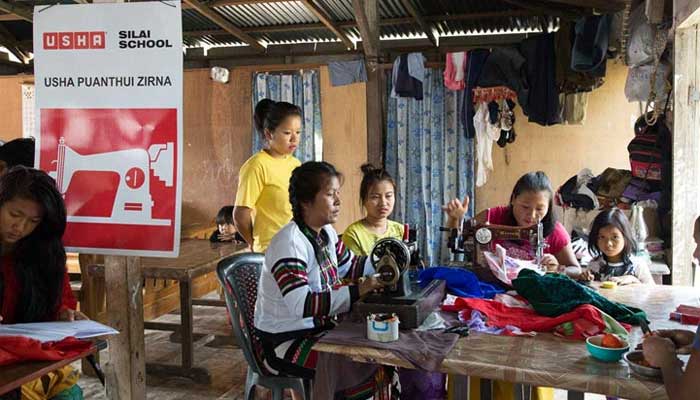
The all-inclusive Usha Silai School Programme covers the entire nation from hamlets tucked between hills to villages cast by the sea.
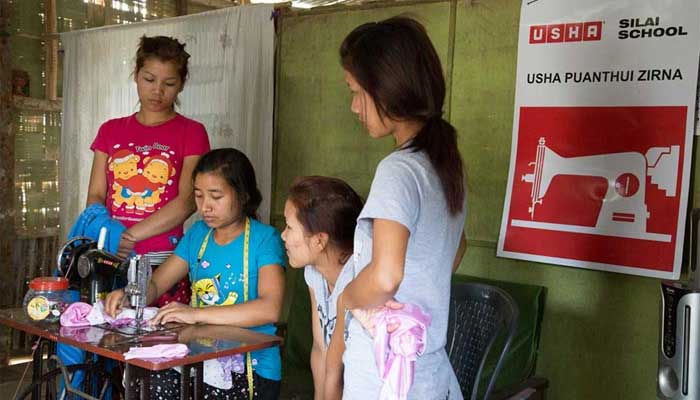
Vegetables farmers from the Mizoram hills earn very little given the topography of the area. Usha Silai Schools have played an important part in this region by skilling women to financially contribute towards their households.
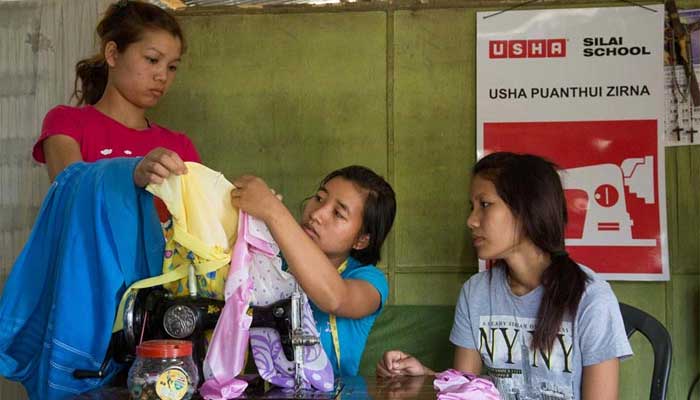
Usha Silai School learner Lucy has trained seven other women in her community, helping them to become financially independent.
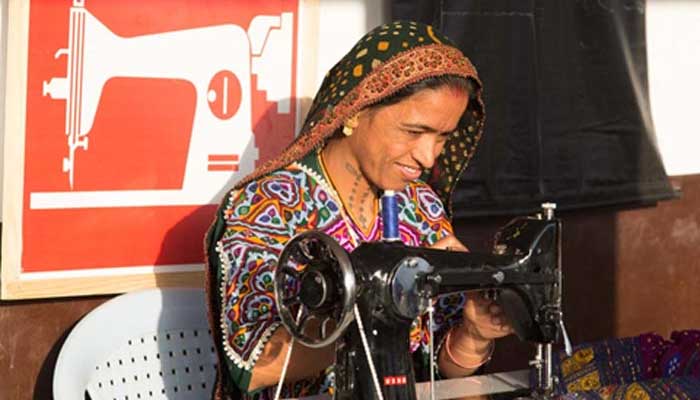
Women like Kaviben from the nomadic Rebari community are finally laying down their roots as they begin to gain financial independence and thereby stability through Usha Silai School.
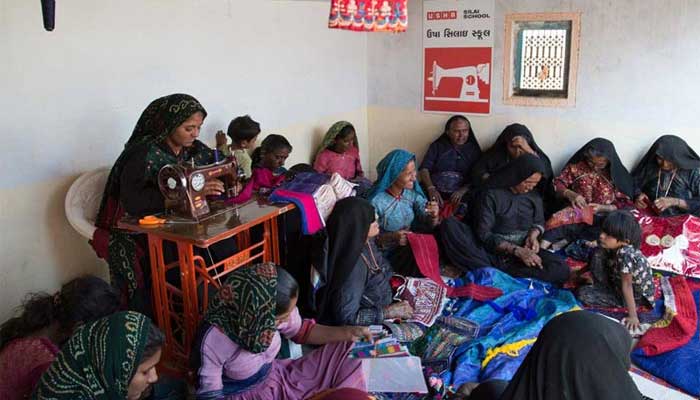
Usha Silai School, located in the Gujarat's Bhuj village, is enabling rural women to earn as much as Rs. 2,500-4,000 each month.
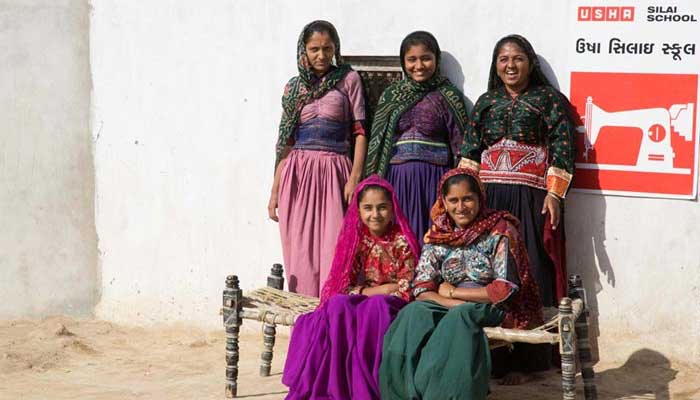
Usha Silai School, in association with a Gujarat based NGO called Kala Raksha, is trying to bring about a Silai revolution in Bhuj.
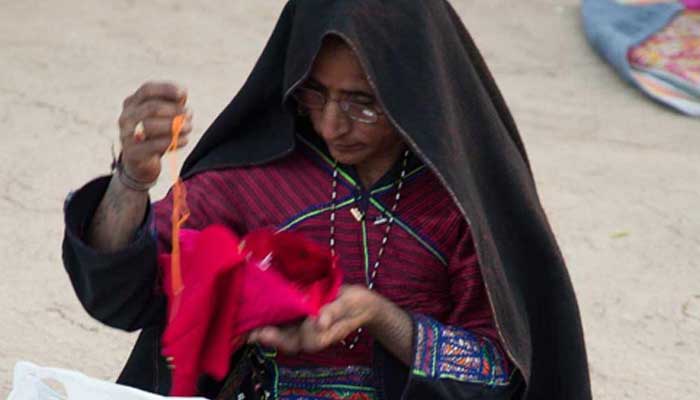
Besides training other women from their community, many Usha Silai School learners have become entrepreneurs in their own right.
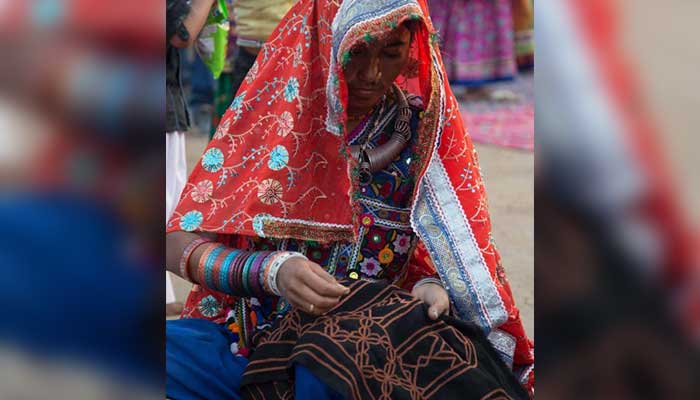
With sewing becoming easily accessible and lucrative, the silai schools are also helping revive traditional motifs and designs.
