




- Home/
- Coal To Canvas: PSU Partnerships Stitch Odisha's Tribal Dreams
Coal To Canvas: PSU Partnerships Stitch Odisha's Tribal Dreams
Team NDTV | Updated: February 03, 2026 11:54 IST
New Delhi:
Amid Jharsuguda's coal dust, Rambati Saura's fingers dance across the Usha pedal, birthing uniforms from scraps. Once bound by housework in tribal Lamptibahal, the Swablambi programme—Mahanadi Coalfields Limited (MCL), Gram Utthan, and Usha Silai School—ignited her path, boosting orders and income post-25-day training. Now mentoring low-literacy girls, she funds her children's future, embodying Kushalta Ke Kadam's ripple effect across 100 schools.
Village Visions in Jalgaon
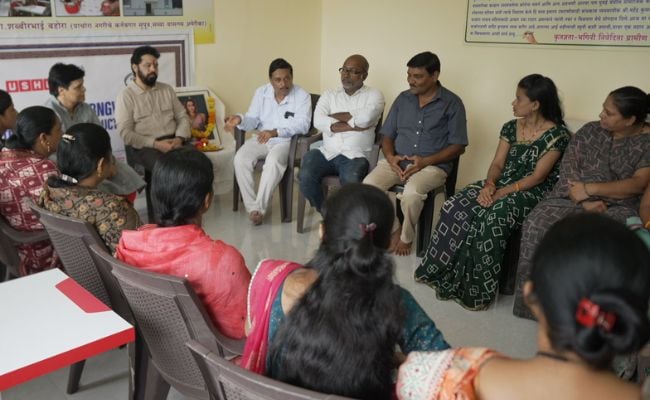
In Maharashtra's Pachora, Madhuri Sonawane balances childcare and stitches at Bhagini Nivedita Gramin Vigyan Niketan's (BNGVN) hub. Padma Shri Neelima Mishra's vision, fused with Usha's expertise, trains rural women for home-based garment units, earning ₹5,000-10,000 amid scarce jobs. Ratna Patil, sole breadwinner for her disabled husband, refines skills from farm distractions to professional precision.
Urban Threads in Mumbai
Mumbai's Sir Ratan Tata Institute (SRTI) hums as HM, a novice, envisions custom designs. This 1928 legacy, now with Usha's 25-day course, trains 15 vulnerable women from slums in baby clothes and sarees, blending employability with low-investment home ventures. Rutuja Suryawanshi scales her post-graduation passion into a brand, confidence soaring.
Skill Synergy in Haryana
Palwal's Shri Vishwakarma Skill University (SVSU) pulses with 7-day intensives under Guru Shishya Kaushal Samman Yojana. Prof. Dinesh Kumar's Centre of Excellence equips 30 rural women with industry-grade machines for seat covers and jobs, backed by alumni handholding and certifications. Prof. Jyoti Rana ensures self-sustainability, from enterprises to economic contributions.
Partnerships Woven Strong
Kushalta Ke Kadam with NDTV spotlights these synergies: MCL's CSR funds 15,000-16,000 women; BNGVN scales to industrial links; SRTI fosters resilience; SVSU bridges academia-industry. Tribal voices like Geeta Tanti expand shops, proving PSUs amplify Usha's model nationwide. Visit ushasilaischool.com to adopt and extend the thread.
Published: January 21, 2026 18:05 IST
also read
In Karnataka's Chikkballapur, Nutritional Rehabilitation Centres Are Pulling Children Out Of Malnutrition
Reported by Maya Sharma, Written by Aastha Ahuja#Reimagine Telethon: How Can We Protect The Vulnerable Children Affected By COVID-19? Experts, Social Workers & Celebrities Discuss
Written by Anisha BhatiaHow Odisha Government Is Taking The School To Children's Home, Ensuring Learning During COVID-19 Pandemic
Reported by Saurabh Gupta, Written by Aastha Ahuja