




- Home/
- Threads of Inclusion: Usha Silai School Weaves Dignity For The Marginalised
Threads of Inclusion: Usha Silai School Weaves Dignity For The Marginalised
Team NDTV | Updated: January 29, 2026 16:46 IST
New Delhi:
In West Bengal's shadowed margins, 15 transgender individuals thread needles under NIRDPR's Action Lab, their machines humming defiance against multi-dimensional poverty. Partnered with CIRDAP, PLEQSUS India Foundation, and Usha Silai School, five excel in high-end apparel, poised for market dominance—proving skilling trumps begging, birthing role models and trans-led enterprises.
Tribal Stitches In Mulugu
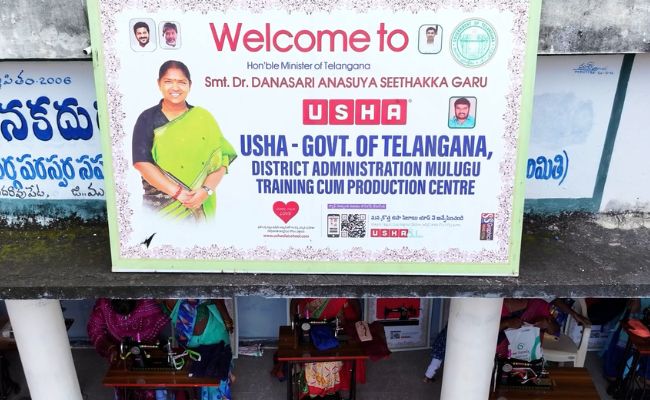
Telangana's Mulugu forests echo with 80 women's pedals at Chalwai centre, sparked by District Collector T.S. Divakara's vision. Usha Entrepreneurs Initiative trains the poorest, securing ₹1 lakh school uniform orders for steady ₹5,000-6,000 incomes—funding education without spousal aid, as Prashanthi masters stitches in 14 days.[script] From shy homemakers to confident group leaders, they teach others, fueling circular economies.
Heritage Revival In Meghalaya
Meghalaya's matrilineal hills bloom via six-year Usha-MSRLS pact: 17 Training Cum Production Centres skill 250+ women, spotlighted at Saras Aajivika Fairs' ramps. Khneng embroidery, fading from four to two villages, revives through modern tailoring—empowering fields-women as designers, blending tradition with bulk orders.[script] CEO Ram Krishna hails their enthusiasm; Conrad Sangma champions localised livelihoods.
Policy To Pedal
Kushalta Ke Kadam spotlights government synergies: NIRDPR's unreached focus aligns with Usha's 14-year expertise, providing machines, curricula, and linkages for self-employment. Dr. Sandhya Gopakumaran envisions enterprises; Avinava Dutta seeds community employers.[script] Sudeb Suvana dreams trans-led companies defying gender norms in timeless tailoring.
A Shared Horizon
These collaborations scale inclusion—transgenders from streets to shops, tribals from dependence to dignity, Meghalayans from fields to fairs. Usha's model ensures sustainability: handholding, bulk orders, alumni networks toward equitable growth.[script] No one left behind; every stitch advances Viksit Bharat. Adopt at ushasilaischool.com.
Published: January 29, 2026 16:38 IST
also read
In Karnataka's Chikkballapur, Nutritional Rehabilitation Centres Are Pulling Children Out Of Malnutrition
Reported by Maya Sharma, Written by Aastha Ahuja#Reimagine Telethon: How Can We Protect The Vulnerable Children Affected By COVID-19? Experts, Social Workers & Celebrities Discuss
Written by Anisha BhatiaHow Odisha Government Is Taking The School To Children's Home, Ensuring Learning During COVID-19 Pandemic
Reported by Saurabh Gupta, Written by Aastha Ahuja