




- Home/
- Usha Silai School Creates Employment Opportunities For Women, Promotes Sustainability In Meghalaya's Mairang
Usha Silai School Creates Employment Opportunities For Women, Promotes Sustainability In Meghalaya's Mairang
Team NDTV | Updated: December 05, 2023 14:33 IST
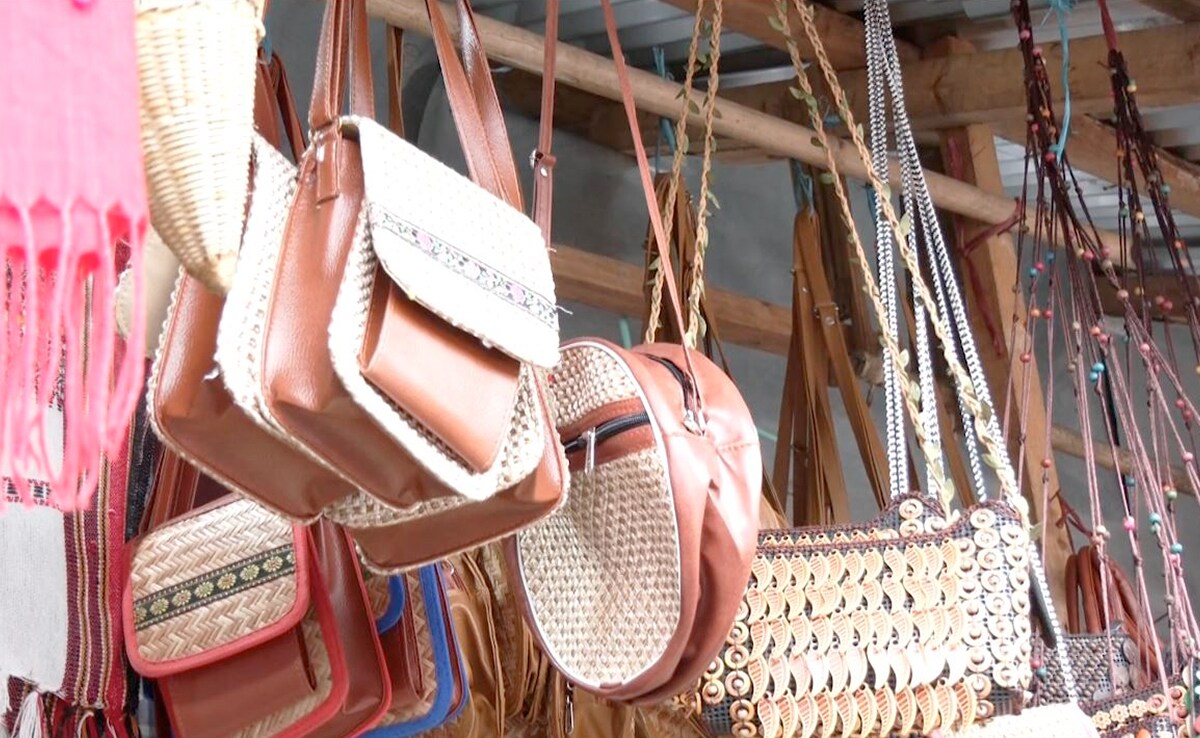
Almost 100 kilometres north of Meghalaya's Mawlynnong - Asia's cleanest village, lies the village of Mairang, where Usha's Training Cum Production Centre is providing women with employment opportunities while also protecting the environment. With the Meghalaya State Pollution Control Board and Forest and Environment Departments enforcing plastic waste management rules and the government encouraging the use of jute and cloth bags, the Meghalaya State Rural Livelihoods Society saw this as an opportunity to both combat pollution and create employment opportunities for women across the state.
And that is what led to their collaboration with the USHA Silai School to set up training centers in Meghalaya. Now, the women are skilled enough to make much more than jute and cloth bags. Bhalang Jana, a former daily wage labourer, turned into an entrepreneur after taking training at the Usha Silai School in December 2022. Sharing her transformative journey, Bhalang said,
My first training was here. After joining USHA, my tailoring skills improved. Then I opened a shop to sell products in the local market in Mairang.
She highlighted the positive impact of the training, enabling her to increase her productivity and said,
Earlier at home, I could make only three to four frocks using a single sewing machine, but now I know how to use an electric machine. After buying the electric Usha sewing machine, I can make around 10 frocks in a day; my skill has leveled up.
This training has helped the women create beautiful and useful products, such as jute bags, baskets and mats. The jute products crafted by the women are sold in the local market, providing them with an additional source of income.
The training has empowered other women like Laraplang Wahlang, another beneficiary of the training given at the centre in Mairang. After completing her daily chores, she travels to the USHA Silai school by taxi to enhance her stitching and sewing skills on jute products. Laraplang makes carry bags, tiffin bags, file cases, pencil pouches, and flask bags, which are in huge demand. She likes making clothes, particularly for children and women. She added,
Sometimes we get orders worth Rs. 500-1000, we prepare every item of the product. I have been working hard, and want to collaborate with schools to make uniforms for children, ensuring a steady source of income. I also want to train other women to help them earn a livelihood like I do.
Laraplang wishes to support her husband, the sole breadwinner of the family, add to the family income and provide education to her children. She also aspires to set up a shop.
The trainer is a familiar face in the small village of Mairang. He has been associated with Usha Silai training for almost five years. And now with the training in making jute bags, he is convinced that jute bags are an even better option than those made of cloth.
The association between Usha Silai School and the Meghalaya State Rural Livelihoods Society was started with two demonstration centres but their success led to the opening of 16 new Training Cum Production Centres, covering several districts across Meghalaya.
The women of Mairang are now skilled to take bulk orders from Usha and other local orders for jute products. This initiative and training not only provides the women with an additional source of income, it also helps promote the use of locally produced, eco-friendly products.
Published: December 14, 2023 14:33 IST
also read
In Karnataka's Chikkballapur, Nutritional Rehabilitation Centres Are Pulling Children Out Of Malnutrition
Reported by Maya Sharma, Written by Aastha Ahuja#Reimagine Telethon: How Can We Protect The Vulnerable Children Affected By COVID-19? Experts, Social Workers & Celebrities Discuss
Written by Anisha BhatiaHow Odisha Government Is Taking The School To Children's Home, Ensuring Learning During COVID-19 Pandemic
Reported by Saurabh Gupta, Written by Aastha Ahuja