

- Home/
- How A Malayalam Thriller On Nipah Virus Is A Scary Reminder Of What Went Wrong In Kerala
How A Malayalam Thriller On Nipah Virus Is A Scary Reminder Of What Went Wrong In Kerala
Written by Anjali Choudhury | Updated: February 03, 2026 09:50 IST
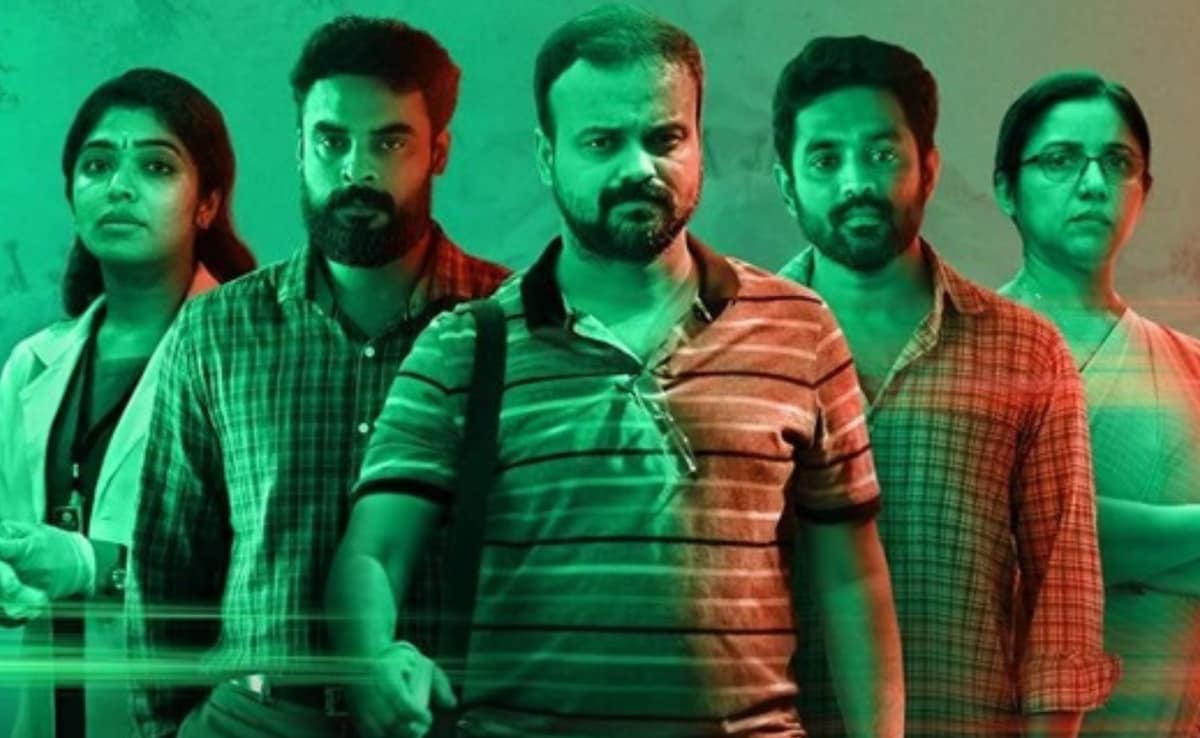
A poster of the Malayalam film Virus.
Highlights
- In early 2026, Nipah returned to headlines after two confirmed cases were reported in West Bengal
- This reminded people of the 2018 outbreak, which began in Kozhikode with the death of a young man
- Now, people are revisiting the Malayalam film that focused on this outbreak in Kerala
The Nipah virus has long been viewed as one of the world's most dangerous pathogens, with a high fatality rate and no licensed vaccine or specific treatment.
When Kerala reported its first Nipah outbreak in May 2018, the crisis shocked the country and drew global attention.
A year later, Malayalam film Virus revisited those events. Today, as India closely watches confirmed Nipah cases reported in West Bengal in early 2026, the film's message feels disturbingly relevant again.
How The Malayalam Film Virus Turns A Real Tragedy Into A Warning On Screen
The 2018 outbreak began in Kozhikode with the death of a young man. What initially appeared as a medical mystery soon turned into a public health emergency. Before Nipah was identified, the virus spread within hospital settings, infecting caregivers and healthcare workers. Several deaths occurred before authorities understood the scale of the threat.
Directed by Aashiq Abu and released in 2019, Virus is not a conventional disaster film. It avoids dramatic exaggeration and instead presents a detailed, almost clinical account of how the outbreak unfolded.
Set in Kozhikode, the film follows the chain of infections from the first unexplained death to the growing alarm inside hospitals and government offices.
What makes Virus a scary reminder of what went wrong is its focus on systems rather than villains. There is no single hero who saves the day. Instead, the film shows how confusion, delayed diagnosis, and lack of preparedness created the conditions for the virus to spread. Doctors struggle to identify the illness, nurses unknowingly expose themselves, and administrators race against time with limited information.
The ensemble cast reflects real-life roles rather than fictional saviours. Characters based on doctors, public health officials and administrators highlight how many people were involved once the crisis was recognised.
Revathi's portrayal of the health minister highlights the importance of leadership, but the film never hides the fact that decisive action came only after lives were already lost.
In doing so, Virus directly connects to the uncomfortable truth behind its story: containment succeeded, but only after irreversible damage.
Leadership, Coordination, And The Cost Of Delay
Once Nipah was confirmed, Kerala's response shifted rapidly. Thousands were quarantined and monitored, advisories were issued, and districts beyond Kozhikode, including Malappuram, were placed under strict observation.
A multi-disciplinary team led by the National Centre for Disease Control (NCDC) arrived, with technical support from the World Health Organisation.
The film reflects this phase as a moment of intense coordination. Laboratories worked around the clock, contact tracing was expanded, and experimental treatment options were explored, including sourcing a monoclonal antibody from Australia.
The outbreak was declared over in June 2018, less than a month after it began. However, the numbers told a harsh story: of the 18 confirmed cases, 16 people died. The response worked, but it came after a devastating loss.
Why The Story Matters Again During The 2026 Nipah Alert
In early 2026, Nipah returned to headlines after two confirmed cases were reported in West Bengal. Official data from the Union Health Ministry and the NCDC made it clear that the situation was limited and contained. Nearly 200 contacts were traced, all tested negative, and no new cases were detected.
Authorities repeatedly warned against exaggerated reports circulating on social media. Despite this, several Asian countries introduced precautionary airport screenings, reflecting how seriously Nipah is still viewed worldwide.
And now, with India once again watching Nipah closely, Virus reads less like a film based on past events and more like a warning that continues to hold relevance. The situation in West Bengal may be limited and under control, but the virus's history shows how quickly early delays and uncertainty can change the course of an outbreak.
Also Read | When Amaal Mallik Had To Take Rs 5 Lakh Loan For A Surgery: "During My 12th Exam, My Whole Face Had Broken"
Published: February 02, 2026 21:00 IST
NDTV in partnership with UBER is launching a sustained campaign 'Roshan Dilli' to try and raise safety standards in India's capital, New Delhi.
Our focus is to try and improve lighting in public spaces in the city. Lighting is a key factor in shaping women's perceptions of safety
The initiative will provide a platform for all stakeholders to discuss our goal of improving safety standards, to start a conversation about safety of women in the country
It will also highlight various interventions and solutions that help to make women safe and put the spotlight on what more can be done.
The campaign will accentuate the need for Safety to be a shared responsibility
The need for gender sensitization and how law enforcement and civil society through checks and education can try and make women safer
We hope you will join us and help make New Delhi a safer city for women.


