




'somya srivastava' - 22 News Result(s)
 Written by Somya Srivastava , Edited by Sonia Bhaskar | Tuesday April 23, 2019
2006 brought Nithari, Uttar Pradesh, into the headlines and presented the world with one of the most convoluted and inhuman stories of violence and murder ever
 Written by Somya Srivastava , Edited by Gopi Karelia | Friday June 08, 2018
With agriculture being one of the primary sources of livelihood in West Bengal, here's how USHA Silai School created an alternative employment in the state
 Written by Somya Srivastava , Edited by Sonia Bhaskar | Tuesday April 23, 2019
USHA Silai Sschool is helping women in Nagaland carve out their own destinies through stitching and sewing
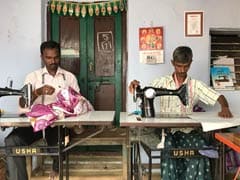 Written by Somya Srivastava , Edited by Sonia Bhaskar | Wednesday May 09, 2018
Men from rural parts of Tamil Nadu have enrolled themselves for the USHA Silai School programme and are now earning a stable income meet their household expenses
 Written by Somya Srivastava , Edited by Sonia Bhaskar | Friday April 27, 2018
Women from four different zones collaborated with prestigious fashion designers and launched their own clothing line Silai that was displayed at the Lakme Fashion Week 2018. Here's their rags to riches story
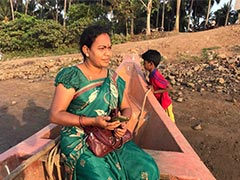 Written by Somya Srivastava , Edited by Sonia Bhaskar | Saturday April 21, 2018
The migration rate in some of the villages of Andhra Pradesh have seen a dip after the state partnered with USHA Silai school to set up training centres that not only improve the skills of rural women and men but also enable them to become financially independent
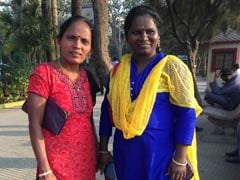 Written by Somya Srivastava , Edited by Sonia Bhaskar | Tuesday March 06, 2018
From the grassroot level to the big stage of the fashion world, USHA Silai School women have come a long way. Right from the moment they boarded the plane, a first for all of them, everything about this journey has been a life changing experience for all the women
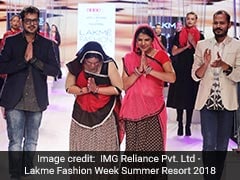 Written by Somya Srivastava , Edited by Sonia Bhaskar | Friday April 20, 2018
Under the guidance of Amit Vijaya and Richard Pandav of the AMRICH fashion label, Silai School women from Jaipur and Ahmedabad not only learnt new sewing techniques but was also part of the ideation process that established the Silai label
 Written by Somya Srivastava , Edited by Sonia Bhaskar | Friday April 20, 2018
Two designers, Sayantan Sarkar and Sreejith Jeevan, worked their way to understanding their teams skills, training them in areas they lacked and preparing the women to create something they had never done before
 Written by Somya Srivastava , Edited by Sonia Bhaskar | Wednesday February 21, 2018
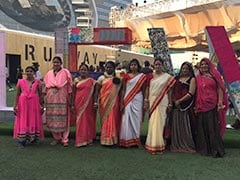
Breaking age-old shackles and moving forward towards a bright new future, USHA Silai School women were introduced to the larger business dynamics of the fashion industry in India
 Written by Somya Srivastava , Edited by Sonia Bhaskar | Friday February 02, 2018
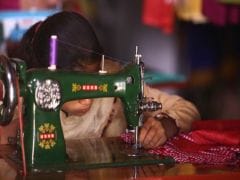
Rural women trained in Usha Silai School from different parts of the country, work in collaboration with prominent designers from the fashion world to design trend-setting clothing lines and step out into the world of business
 Written by Somya Srivastava , Edited by Sonia Bhaskar | Monday July 31, 2017
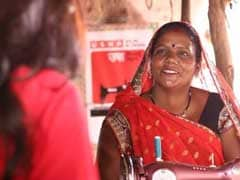
Hailing from a family of manual scavengers, Bhagwanta Bai and Anusuya were also forced to join the practice. However both the women decided to opt out of the family's profession and create a legacy of their own
 Written by Somya Srivastava , Edited by Sonia Bhaskar | Sunday July 30, 2017
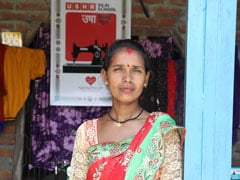
When financial crisis didn't end despite migrating to Nepal from Bihar, Sangeeta Dhawan decided to brush up on her sewing skills and reinvent her life
 Written by Somya Srivastava , Edited by Sonia Bhaskar | Monday July 31, 2017
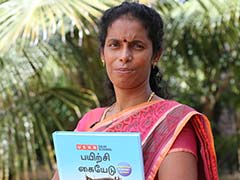
Nagawani and Jermegini had to leave Sri Lanka during the Civil War and years later when they returned, they had to start their lives from scratch. Amidst poverty and lack of economic opportunities, the two women took up tailoring as their careers and stitched their own futures
 Written by Somya Srivastava , Edited by Sonia Bhaskar | Friday July 14, 2017
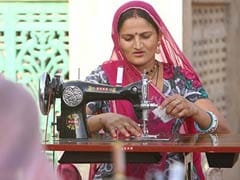
Married off at 15, mother by 16, Gomi Devi's life would have been similar to all other women of the region, silently leading a life, hidden behind the veil
 Written by Gopi Karelia and Somya Srivastava , Edited by Sonia Bhaskar | Thursday July 06, 2017
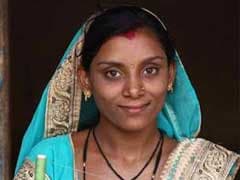
Madhya Pradesh's Kanha Tiger Reserve is one of the most popular national parks attracting many tourists buy at home does not have too many alternative sources of income available. Phuliya Bai and Rekha Rahangdale joined the Usha Silai programme and soon they turned entrepreneurs and started their own training schools to teach stitching to other women.
 Written by Somya Srivastava , Edited by Sonia Bhaskar | Friday June 30, 2017
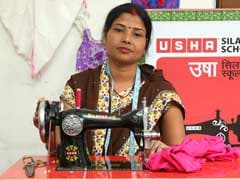
Sewing is a good way for women to move ahead in life. Girls and women can become entrepreneurs even if they only start off by opening a boutique or becoming a tailor: Poonam Verma
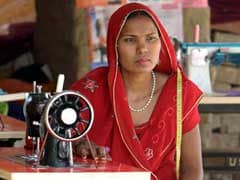 Written by Somya Srivastava , Edited by Sonia Bhaskar | Friday June 30, 2017
Lajjawati had to suffer from acute poverty and had to battle with gender biases until she decided to learn stitching and empower herself
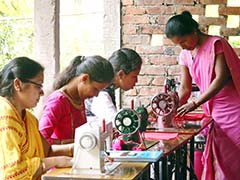 Written by Somya Srivastava , Edited by Sonia Bhaskar | Friday June 30, 2017
She took to stitching for extra income to run her household, but it changed her life and life of others in her village.
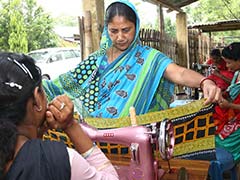 Written by Somya Srivastava , Edited by Sonia Bhaskar | Friday June 30, 2017
In a district like Golaghat which has rampant crimes like abduction, rape and slavery, Mumtaz Begum a single mother of three children empowered herself by taking stitching classes
 Written by Somya Srivastava , Edited by Sonia Bhaskar | Friday June 30, 2017
Kalpana's story is about how not to let poverty and tragedy shatter you, instead use it to break the shackles of societal norms and rebuild life with determination and dignity.
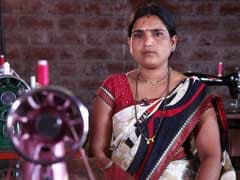 Written by Somya Srivastava , Edited by Sonia Bhaskar | Friday June 30, 2017
She not only change the course of her life but her children's too. Read the success story of Chhotibai, a women entrepreneur.


Family Survival Kits
This includes basic ration like Atta (Wheat flour), Dal (pulses) Spices, Sugar, cooking oil along with Corona protective gear like masks, bathing and washing soaps, detergent etc. for disadvantaged elders and their family.
Elder Helpline
(1800-180-1253) which rescues of abandoned elders, deals with cases of abuse and abandonment, provides groceries and medication to elders during the lockdown, counsels those in distress, information related to services available etc. The helpline works as the co-ordination unit linking elders to various institutions such as old age homes, hospitals, geriatric specialists, police, government etc.
Protective Hygiene Kits
This is for elders and their family, to fight COVID 19 which include Sanitizers, Mask, Tissues, Handwash etc.
Free Medicines and Healthcare
In many states our Mobile Healthcare Unit (MHU) teams are reaching out to elder beneficiaries suffering from chronic ailments and delivering them their much-needed medications, through home visits and within their community. In some areas, our Mobile Healthcare Units, are operating as an ambulance as per the request of district officers and local authorities are transporting patients to hospitals for their treatments and check-ups. Each MHU has a doctor, pharmacist and a social worker. The Unit also educates and makes elders & their family members aware of the preventive measures in case of diseases such as COVID etc. We have nearly 160 MHUs spread across the country. Many elders also cannot afford to go to private hospitals or walk long distances to the local Primacy Healthcare centre or Govt hospitals, where the lines are invariably long and they are unable to stand. This MHU is their only source of free healthcare, helping them live a healthy and dignified life.
Elder-Self-Help-Groups
Support to rural destitute Elder-Self-Help–Groups, who have lost all their earnings and savings during this disaster, and have no other livelihood or means of survival.


NDTV is the broadcast partner for a 2-hour telethon by HelpAge India to raise donations to meet the basic needs of the elderly most affected by the lockdown imposed due to the COVID-19 outbreak. The donations are received by HelpAge India and shall be utilized according to a plan prepared and monitored by them.
NDTV has no role to play in the use of donations and will not be liable for any claim(s) made by any person or entity, including any statutory or governmental authority, arising out of the collection or utilization of these donations.