- Home/
- Latest Stories

COP28: GEAPP Presents TETD Communique For An Actionable Roadmap Towards Energy Transition
Posted by Team NDTV | Thursday November 30, 2023India has committed to ambitious targets, including a 45 per cent reduction in emissions intensity by 2030 and sourcing 50 per cent of electric power from non-traditional sources
- Posted by Team NDTV | Thursday November 23, 2023
Energy Transitions Innovation Challenge (ENTICE) aims to encourage innovation in sustainable energy solutions and support entrepreneurs
- Team NDTV | Thursday November 23, 2023
The document, Blueprint for a People-Positive Energy Transition, will work as a guide and offer a roadmap to expedite a sustainable energy transition for India and the world. The document offers essential principles and an actionable plan that will help in the long run
- Team NDTV | Thursday November 23, 2023
Global Energy Alliance for People and Planet (GEAPP) works towards delivering transformational programs to accelerate equitable energy transition in developing and emerging economies
- Posted by Team NDTV | Thursday November 23, 2023
The G20 leaders committed to accelerating clean and affordable energy transitions. The baton has been picked up by the Global Energy Alliance for People and Planet (GEAPP)


- Written by Amit Chaturvedi | Thursday October 29, 2026
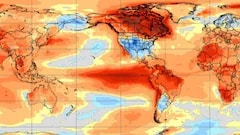
El Nino warms surface temperatures in the central and eastern equatorial Pacific Ocean, bringing worldwide changes in winds, pressure and rainfall patterns.
- Wednesday October 28, 2026
Published by the British medical journal ahead of the COP 31 climate summit in November, the 10th edition of the report brought together 146 researchers from 30 countries to assess the impact of climate change on the health of the world's population.
- Friday October 23, 2026 , Berlin
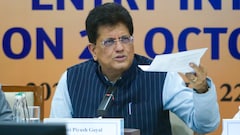
Piyush Goyal called out developed nations for historically contributing the lion's share of global carbon emissions while reneging on their pledged financial and technological support to developing and vulnerable nations under the Paris Agreement.
- Reported by Aishvarya Jain | Thursday October 22, 2026 , New Delhi
Om Birla said terrorism remained a serious global challenge and expressed hope that the issue would receive particular attention during the forum.
- Friday October 23, 2026
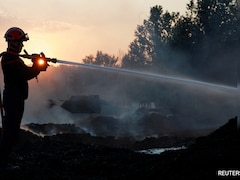
Across the continent, vital infrastructure suffered. Wildfires destroyed homes, hospitals overheated, transport broke down and cooling systems in fridges and air conditioners failed.
- Wednesday October 21, 2026 , France
Even if countries deliver their latest climate pledges in full, global temperatures could still rise 2.6C above pre-industrial levels by 2100, said the annual Emissions Gap Report.
- Edited by Kritika Bobal | Sunday October 11, 2026
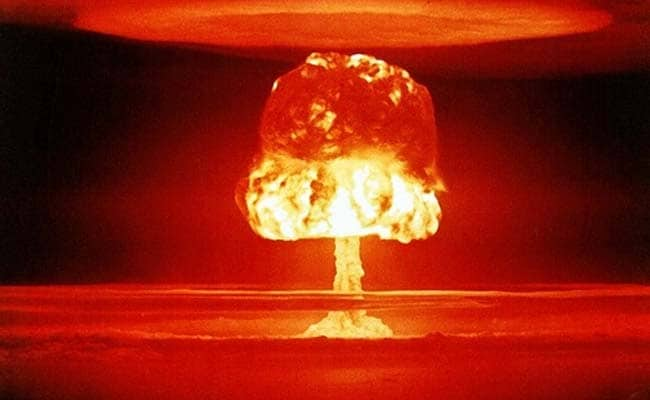
Nuclear war and the misuse of artificial intelligence (AI) could put the future of humanity at risk, a new report stated.
- Edited by Astitva Raj | Saturday October 10, 2026
The findings come as Antarctica continues to lose ice amid changing environmental conditions.
- Written by Amit Chaturvedi | Friday October 09, 2026
From changing ocean currents to extreme weather, scientists are watching a combination of climate signals that could influence temperatures, rainfall and ecosystems in the months ahead.
- Thursday October 08, 2026
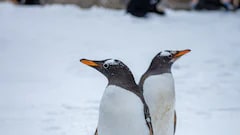
The researchers suggest that the "alarming declines" should lead to chinstrap penguins being redesignated as "endangered" by the International Union for Conservation of Nature (IUCN).
- Written by Amit Chaturvedi | Thursday October 08, 2026
For October-November-December, the anomaly is forecast to reach approximately 3.7 degrees Celsius above normal due to El Nino.
- Thursday October 08, 2026 , Switzerland
El Nino warms surface temperatures in the central and eastern equatorial Pacific Ocean, bringing worldwide changes in winds, pressure and rainfall patterns.
- Edited by Srishti Singh Sisodia | Tuesday October 06, 2026
Ocean currents and global weather systems are deeply interconnected. Scientists warn that a weakening AMOC directly impacts the Indian Summer Monsoon.
- Reported by Pallava Bagla | Monday October 05, 2026 , New Delhi
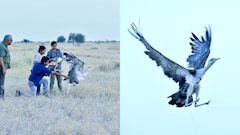
The Great Indian Bustard itself represents a stark reminder of what is at stake. Once widespread across India's grasslands and deserts, the species now survives in fragmented and highly vulnerable populations.
- Edited by Nikhil Pandey | Thursday October 01, 2026
Seven of Earth's nine planetary boundaries have now been breached, with scientists warning that growing pressure on climate, biodiversity, freshwater and other natural systems is increasing the risk of irreversible environmental changes.
- Written by Amit Chaturvedi | Thursday October 01, 2026
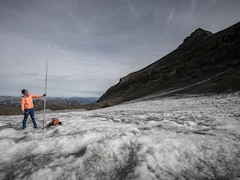
The accelerated glacier melt could have ripples across the continent because Switzerland, the water tower of Europe, feeds some of its most important rivers - the Danube, Po, Rhine and Rhone.
- Wednesday September 30, 2026 , France
In a new analysis covering the first eight months of 2026, the European Union's Copernicus Climate Atmosphere Monitoring Service (CAMS) highlighted the close relationship between climate change and air pollution.
- Tuesday September 29, 2026 , New York
"Where are the United Nations?" Alexandra Hill Tinoco, the foreign minister of El Salvador, asked Monday. "Do we have an organisation that is still relevant?"
- Reported by Kishor Kumar Rawat, Edited by Amit Chaturvedi | Monday September 28, 2026
Dr DP Dobhal, former senior scientist at the Wadia Institute of Himalayan Geology, told NDTV that Himalayan glaciers receive snow during both the monsoon and winter seasons.
- Monday September 28, 2026 , Mexico City
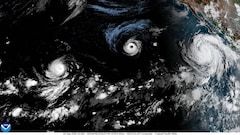
United Nations experts have predicted an exceptionally strong cycle of the El Nino climate phenomenon, which causes global changes in winds and rainfall.