




'climate change' - 1000 News Result(s)
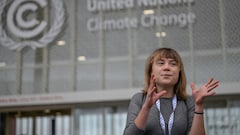 Associated Press | Wednesday | November 11, 2026
The COP31 conference is being held in the Turkish resort city of Antalya following a year of deadly climate-related disasters, including heat waves and floods, and another energy shock caused by the Iran war.
 Reported by Gaurie DwivediTuesday | November 10, 2026
As negotiators meet in Antalya, the debate is shifting from whether India can grow cleanly to who will pay for it.
 Tuesday | November 10, 2026
The summit comes after a year of punishing heatwaves in Europe, major wildfires in Indonesia and catastrophic floods in Nepal, with an exceptionally strong El Nino weather phenomenon fuelling more climate chaos.
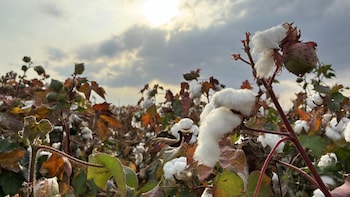 Saturday | November 07, 2026
Tensions over water supply have existed in the Middle East, the world's most water-stressed region, for decades. Syria and neighboring Iraq have long accused Turkey, which sits further upstream, of restricting flows, which Turkey denies.wo
 AFP | Wednesday | November 04, 2026 , Switzerland
The UN agency's report, released days before the COP31 climate change conference kicks off, proposed heat-health warning systems and climate-resilient infrastructure for drinking water and sanitation.
 Written by Sambhav KumarTuesday | November 03, 2026
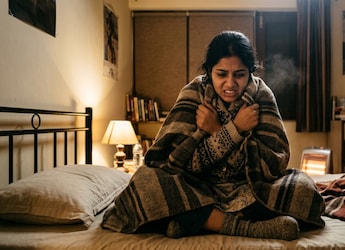
People with both chronic health conditions and socioeconomic disadvantages face over ten times higher mortality risk during extreme heat and cold events.
 Edited by Priyanka NegiSunday | November 01, 2026
UGC urges colleges to hold activities during BRICS Sustainable Lifestyle Week 2026 from November 1 to 7 under Mission LiFE to promote eco-friendly habits.
 Written by Noor Ul HaqFriday | October 30, 2026
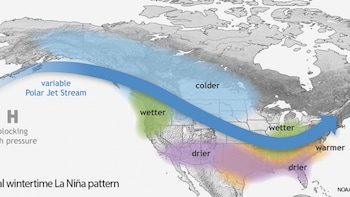
Scientists are watching whether the strong El Nino will give way to La Nina in 2027, a possible shift that could reshape global rainfall, temperatures and extreme weather patterns.
 Written by Amit ChaturvediFriday | October 30, 2026
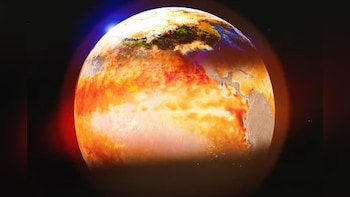
El Nino and La Nina alternate as part of the ENSO cycle, but not according to a fixed or predictable schedule.
 Written by Sambhav KumarThursday | October 29, 2026
Stroke recovery requires more than treating the initial brain injury. Speech and language therapy, physiotherapy, occupational therapy and psychological support can all contribute to rehabilitation, depending on the patient's needs.
 Written by Sambhav KumarThursday | October 29, 2026
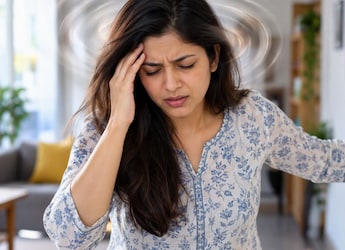
Sudden, persistent dizziness with imbalance or neurological symptoms may signal a stroke affecting the brainstem or cerebellum.
 Written by Amit ChaturvediThursday | October 29, 2026
El Nino warms surface temperatures in the central and eastern equatorial Pacific Ocean, bringing worldwide changes in winds, pressure and rainfall patterns.
 Written by Shafat MirWednesday | October 28, 2026
India's Ministry of Environment, Forest and Climate Change said in a statement on Wednesday that it had taken the cheetah's death 'seriously'.
 Wednesday | October 28, 2026
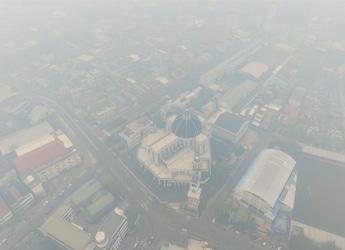
Published by the British medical journal ahead of the COP 31 climate summit in November, the 10th edition of the report brought together 146 researchers from 30 countries to assess the impact of climate change on the health of the world's population.
 AFP | Wednesday | October 28, 2026 , France
Climate change must be declared a "global health emergency" to shape governments' policies after heat caused three million deaths between 2016 and 2023.
 Friday | October 23, 2026 , Berlin
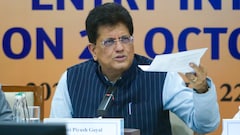
Piyush Goyal called out developed nations for historically contributing the lion's share of global carbon emissions while reneging on their pledged financial and technological support to developing and vulnerable nations under the Paris Agreement.
 Friday | October 23, 2026
More than half of the people who died in Europe's heat were age 85 or older, but the stifling temperatures also killed more than 800 people between the ages of 20 and 44.
 Reported by Aishvarya JainThursday | October 22, 2026 , New Delhi
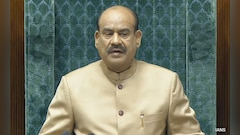
Om Birla said terrorism remained a serious global challenge and expressed hope that the issue would receive particular attention during the forum.
 Friday | October 23, 2026
Across the continent, vital infrastructure suffered. Wildfires destroyed homes, hospitals overheated, transport broke down and cooling systems in fridges and air conditioners failed.
 Wednesday | October 21, 2026 , France
Even if countries deliver their latest climate pledges in full, global temperatures could still rise 2.6C above pre-industrial levels by 2100, said the annual Emissions Gap Report.
 Written by Sneha MordaniThursday | October 15, 2026
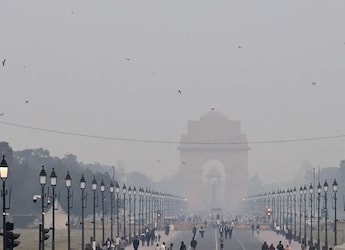
Air pollution increases the risk of respiratory and cardiovascular diseases. Addressing it requires sustained action across multiple sectors, including transport, industry, household fuels and waste management.
 Written by Shreya GoswamiThursday | October 15, 2026
India has scored just 2 out of 32 in a global assessment of how countries integrate health into climate action plans. The findings raise concerns about air pollution, extreme heat and the need to protect public health as climate risks intensify.
 Written by Debosmita GhoshTuesday | October 13, 2026
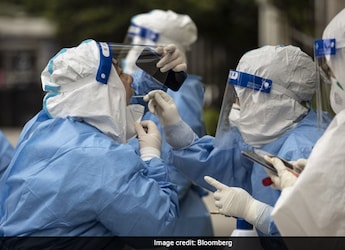
The Commission considers these threats catastrophic because of the scale of potential health losses and the possibility of taking meaningful action to reduce them.
 Edited by Kritika BobalSunday | October 11, 2026
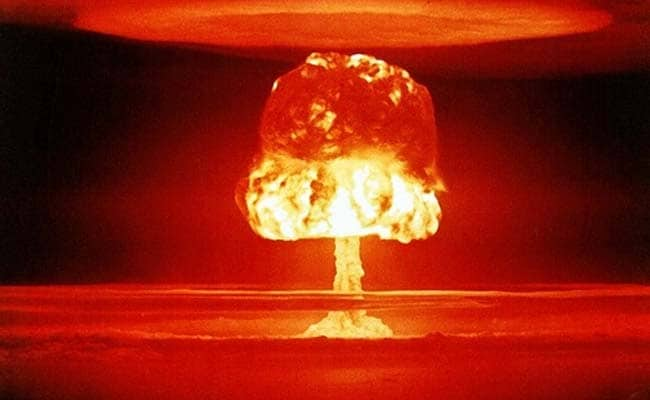
Nuclear war and the misuse of artificial intelligence (AI) could put the future of humanity at risk, a new report stated.
'climate change' - 2 Photo Result(s)

 Posted by Team NDTV | Thursday November 30, 2023
India has committed to ambitious targets, including a 45 per cent reduction in emissions intensity by 2030 and sourcing 50 per cent of electric power from non-traditional sources
- Posted by Team NDTV | Thursday November 23, 2023
Energy Transitions Innovation Challenge (ENTICE) aims to encourage innovation in sustainable energy solutions and support entrepreneurs
- Team NDTV | Thursday November 23, 2023
The document, Blueprint for a People-Positive Energy Transition, will work as a guide and offer a roadmap to expedite a sustainable energy transition for India and the world. The document offers essential principles and an actionable plan that will help in the long run


