


- Home/
- After 17 Years In Exile, Bangladesh's Tarique Rahman Set To Become PM
After 17 Years In Exile, Bangladesh's Tarique Rahman Set To Become PM
Edited by Anwesha Singh | Updated: February 13, 2026 09:51 IST
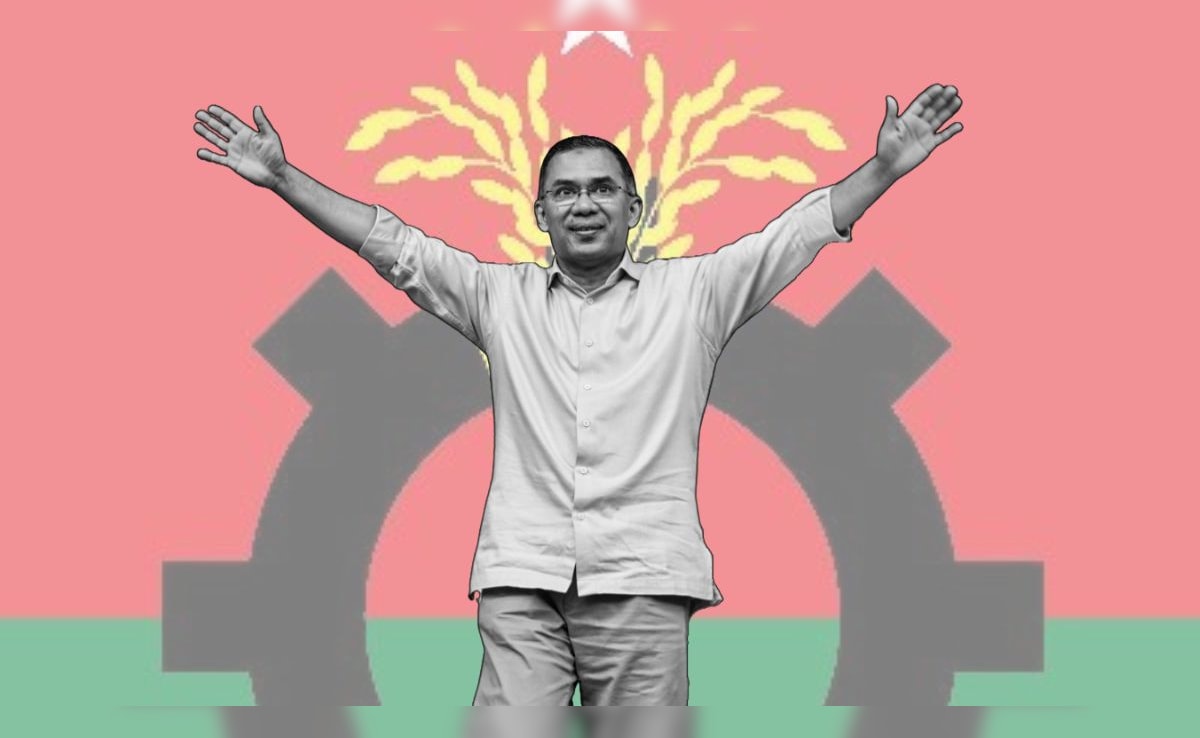
Tarique Rahman was arrested by caretaker government in May 2007 and held for 17 months
Highlights
- Tarique Rahman-led BNP is set for a decisive win in Bangladesh's national election
- Rahman won seats in Dhaka-17 and Bogura-6 after returning from 17 years in exile
- US congratulated BNP and Rahman, expressing hopes for shared prosperity and security
New Delhi/Dhaka: 
Tarique Rahman-led Bangladesh Nationalist Party (BNP) raced towards a decisive win in the crucial national election held on Thursday, setting the stage for Rahman, 60, to become Bangladesh's next prime minister.
Tarique, who returned to the country after 17 years in exile in the UK, has been elected from both Dhaka-17 and Bogura-6, according to unofficial results from the Election Commission (EC) and party sources, The Daily Star reported.
On Friday, Prime Minister Narendra Modi congratulated Rahman and the BNP for a "decisive victory".
"I convey my warm congratulations to Mr Tarique Rahman on leading BNP to a decisive victory in the parliamentary elections in Bangladesh," the prime minister said in a post on X.
"This victory shows the trust of the people of Bangladesh in your leadership."
PM Modi assured the incoming dispensation that India will continue to stand in "support of a democratic, progressive and inclusive Bangladesh."
"I look forward to working with you to strengthen our multifaceted relations and advance our common development goals," he said.
I convey my warm congratulations to Mr. Tarique Rahman on leading BNP to a decisive victory in the Parliamentary elections in Bangladesh.
— Narendra Modi (@narendramodi) February 13, 2026
This victory shows the trust of the people of Bangladesh in your leadership.
India will continue to stand in support of a democratic,…
The United States also congratulated Rahman on his "historic victory."
US Ambassador to Bangladesh Brent T Christensen wrote on X, "Congratulations to the people of Bangladesh on a successful election and to the Bangladesh Nationalist Party and Tarique Rahman on your historic victory. The United States looks forward to working with you to realize shared goals of prosperity and security for both our countries."
Congratulations to the people of Bangladesh on a successful election and to the Bangladesh Nationalist Party and Tarique Rahman on your historic victory. The United States looks forward to working with you to realize shared goals of prosperity and security for both our countries.
— Ambassador Brent T. Christensen (@USAmbBangladesh) February 13, 2026
The BNP entered the electoral race as the front-runner, contesting 292 out of 300 seats and sharing the rest with smaller partners. Facing the BNP was an 11-party alliance led by Jamaat-e-Islami.
BNP election committee spokesman Mahdi Amin told reporters the party was on track to win at least two-thirds of seats, adding that Tarique Rahman had won both seats he had run in.
Follow LIVE Updates
Senior BNP leader Ruhul Kabir Rizvi, in a party statement, claimed a "sweeping victory," without giving figures, and called on followers to give thanks in prayer on Friday rather than celebrate on the streets.
Who Is Tarique Rahman?
Tarique Rahman, 60, is the eldest son of former Bangladesh President Ziaur Rahman and three-time Prime Minister Khaleda Zia. He returned to the country from exile after nearly 17 years, following his mother's death, and quickly emerged as a frontrunner for the prime minister's post in the absence of the Awami League, which could not contest because its registration was suspended.
Rahman was elected BNP chief after Khaleda Zia died. He had been serving as the acting chairman of the BNP before that. Days after Khaleda Zia's demise, Rahman formally assumed office as Chairman of the BNP in December 2025.
He is often called the "dark prince" and is said to have been the de facto boss from 2001 to 2006 during a coalition government led by the BNP and Jamaat-e-Islami, while Khaleda Zia was prime minister. At the time, Rahman worked out of Hawa Bhaban, a two-floor building with a "wind tunnel," described as a "shadow PMO."
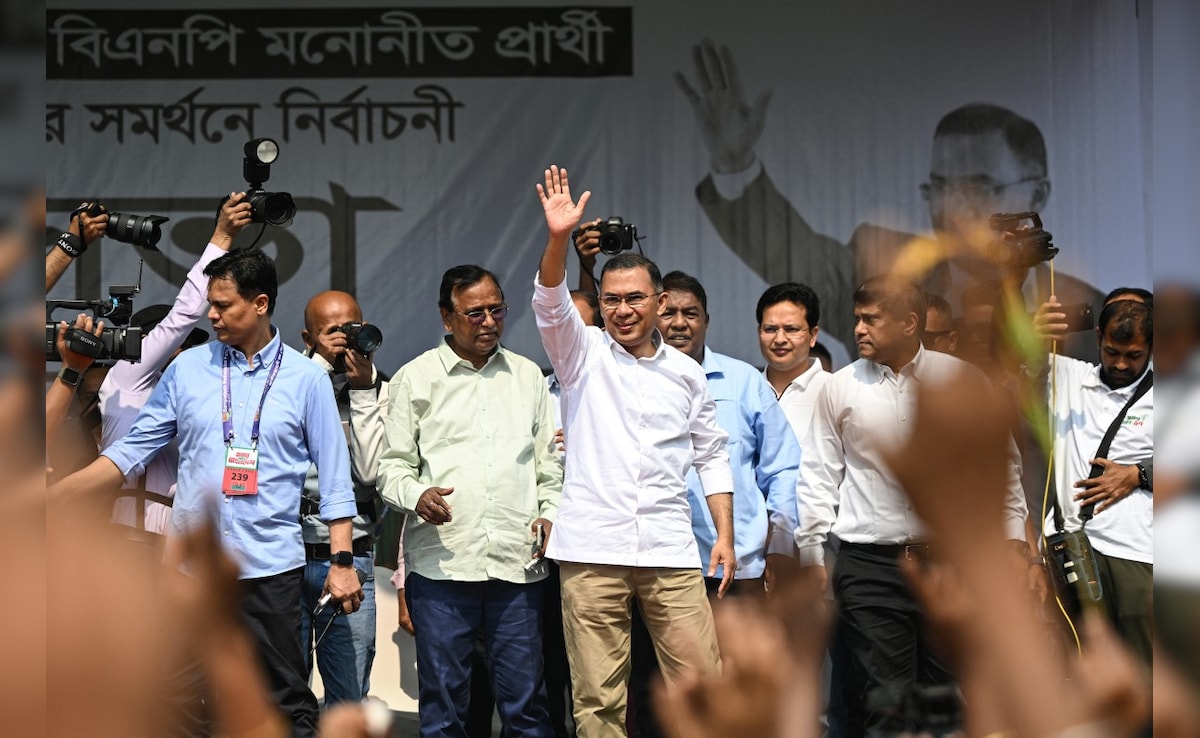
The period between 2006 and 2008 was marked by violent civil unrest, with the BNP and Awami League squabbling over an election that was supposed to be held by mid-November 2006. The chaos brought a military 'caretaker' government, which allegedly curtailed fundamental freedoms and even tried to engineer a political alternative without Zia or Hasina. The 2008 election was then held, with the Awami League emerging as the winner.
Rahman was arrested by the caretaker government in May 2007 and held for 17 months on various charges. He was convicted in absentia on multiple counts, including money laundering, as well as in a case linked to the alleged plot to assassinate Hasina. The verdicts were overturned after Hasina was ousted in a student-led uprising in August 2024.
He later moved to London for medical treatment after being allegedly tortured in custody.
What Rahman Said About India
One of the biggest geopolitical challenges facing the new government will be rebuilding relations with India. Under Sheikh Hasina, India was Bangladesh's closest ally, but ties severely frayed after her government fell and have become outwardly hostile in recent months.
Rahman acknowledged that there were "issues" with India and said he would only want "a relationship of mutual respect, mutual understanding," The Guardian reported.
Questioned on whether India and Bangladesh could rebuild a friendship while Delhi continued to give a safe haven to Hasina and hundreds of her party members, Rahman said, "That depends." "It has to be on them too."
One of the most immediate tests for a new BNP-led government will be managing this relationship with India, which was closest to Bangladesh under Hasina but has deteriorated in recent months.
Published: February 13, 2026 08:38 IST


