Prolonged exposure to polluted air with PM 2.5 particulate matter, which is 30 times thinner than a strand of hair, can increase the risk of type 2 diabetes, a new study suggests.
A study by Lancet, a leading medical journal, outlines how 20% of type 2 diabetes is linked to chronic exposure to PM 2.5 pollutants. These fine pollutants are emitted from oil, diesel, biomass, and gasoline combustion. The study has wider implications in India due to increasing pollution and exposure of a large population to harmful air.
The Lancet Study
The PM 2.5 pollutant is often termed as a killer and is a major component of air pollution in urban areas. The study suggests that short-term exposure to PM 2.5 increases the risk of insulin resistance by triggering the autonomic nervous system, which is a pathway toward cardiovascular diseases.
The study found that a monthly exposure to PM 2.5 pollutants led to an increase in blood sugar levels and a prolonged exposure (almost a year) led to a 20% increase in risk of type 2 diabetes.
The link between air pollution and diabetes is higher in men groups from lower socioeconomic groups and those with comorbidities. Evidence suggests that PM2.5 is associated with chronic kidney disease in populations both with and without diabetes.
Around 537 million suffer from type 2 diabetes and half of them are unaware that they are diabetic.
Meanwhile, in India, an estimated 77 million people above the age of 18 years are suffering from diabetes (type 2) and nearly 25 million are prediabetics (at a higher risk of developing diabetes in the future), according to WHO.
Polluted Air In Indian Cities
Bihar's Begusarai emerged as the world's most polluted metropolitan area while Delhi was identified as the capital city with the poorest air quality, according to the World Air Quality Report. The national capital has ranked the most polluted capital city in the world four times since 2018.
With an average annual PM2.5 concentration of 54.4 micrograms per cubic metre, India had the third worst air quality out of 134 countries in 2023 after Bangladesh (79.9 micrograms per cubic metre) and Pakistan (73.7 micrograms per cubic metre), according to the World Air Quality Report 2023 by Swiss organisation IQAir.
In 2022, India was ranked as the eighth most polluted country with an average PM2.5 concentration of 53.3 micrograms per cubic metre.
It is estimated that 1.36 billion people in India experience PM2.5 concentrations exceeding the World Health Organisation (WHO) recommended annual guideline level of 5 micrograms per cubic metre, the report said.
- With inputs from PTI
Mumbai Pollution Linked To 57% Of Lung Cancer Cases: Maharashtra Government Warns of Health Crisis
Written by Shreya GoswamiInside Bengal's 800-Km "Green Wall" Along Jharkhand Border To Fight Air Pollution
Reported by Rittick MondalUnited Nations Approves First Carbon Credits Under Paris Agreement
Agence France-PresseRising air pollution in Mumbai is now being linked to 57% of lung cancer cases, the Maharashtra government told the state assembly.
The Mamata Banerjee-led government plans to set up an 800-km long greeen corridor, which will work as a "bioshield" - a forested area that would act as a "Green Wall" - along the Jharkhand border to intercept pollutants entering Bengal.
The United Nations announced the approval of the first carbon credits under a global market aimed at reducing emissions, a mechanism that has faced scrutiny over greenwashing concerns.
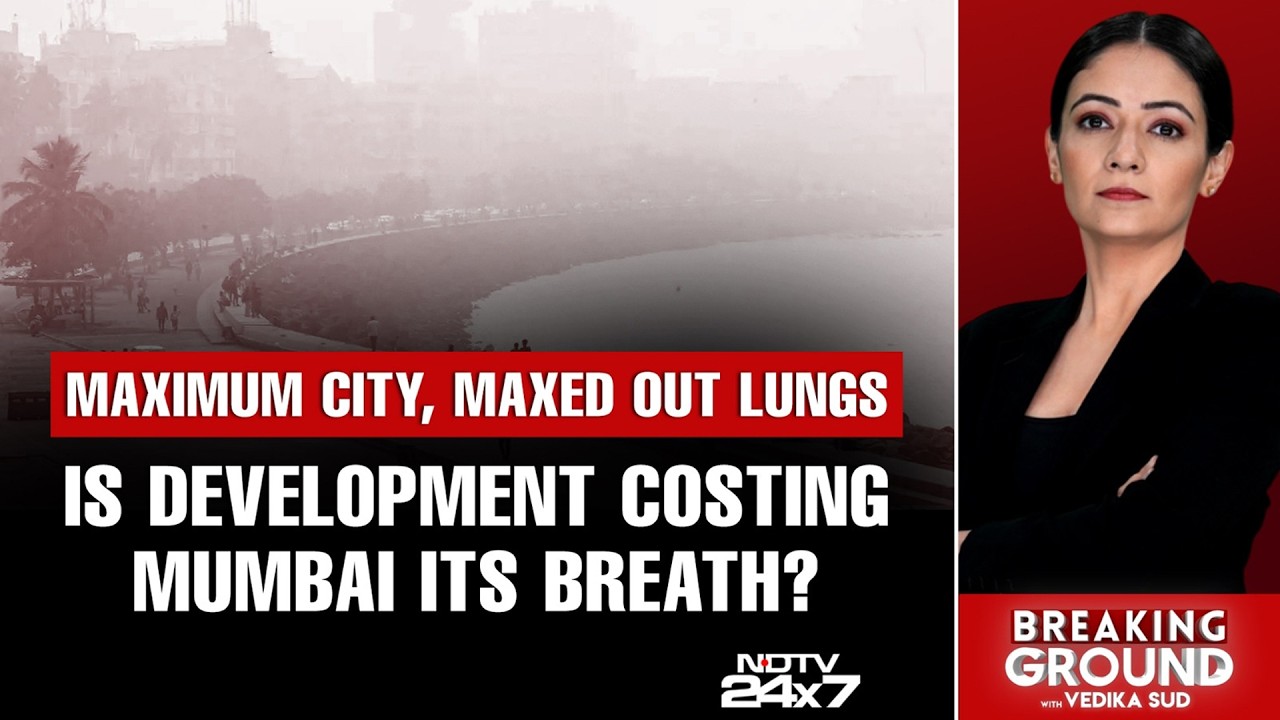
Air pollution is a concern not just for Mumbai but for countries and cities around the world, Maharashtra Environment Minister Pankaja Munde told NDTV Wednesday, after the city woke this morning to a blanket of smog for an eighth straight day.
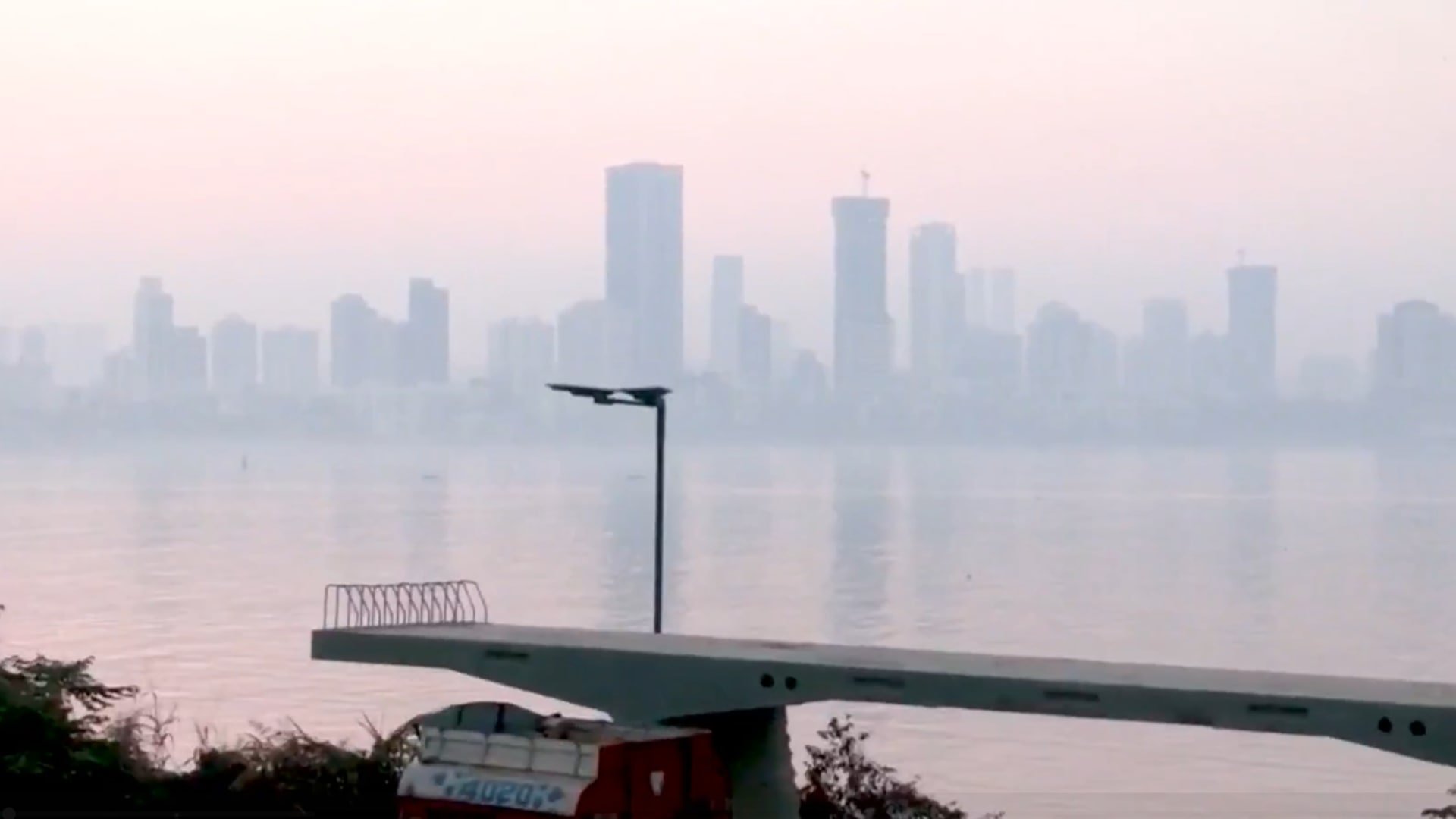
Mumbai woke up to yet another blanket of haze on Tuesday morning, with a grey veil hanging over the skyline from Bandra to South Mumbai.
................................ Advertisement ................................
Blog | Well Done, Delhi. You've Turned Lung Sacrifice Into A Badge Of HonourSaikat Kumar Bose
Monday November 10, 2025Till some years back, Delhiites would ask angry questions to those in power about the capitals annual tryst with toxic air. This has changed. Those in the driving seat dont see the need to answer now.
Opinion | Why Indians Have Just Given Up On Air Pollution CrisisTanushree Ganguly
Friday December 20, 2024While some may argue that people in Delhi are now more aware of air pollution than they were a decade back, my rebuttal would be that awareness does not mean that people are concerned.
Opinion | You Must Outrage Over Filthy Air More Than Once A YearJyoti Pande Lavakare
Tuesday December 10, 2024Delhi welcomed us with monsoon rains and mangos. We were home. Fast forward a couple of years, in the winter of 2012, I found myself in denial about something other parents, mostly expats, were calling toxic air.
Opinion | Delhi's Air Pollution Situation Is Like A Bad MarriageNishtha Gautam
Friday November 22, 2024On a good day, such as today, the AQI reading in Delhi is 407. We are jubilant at the sickly sunshine trickling through the slightly dissipated smog. At least its not 1600.
दिवाली... पराली... सियासी जुगाली!Ashwini kumar
Monday November 18, 2024दिल्ली-एनसीआर में प्रदूषण का समाधान तो आज तक मिला नहीं. हर साल चिंतित होकर हम-आप सांसों की तकलीफ के साथ-साथ दिल और ब्लड प्रेशर के मरीज भी क्यों बनें?