


- Home/
- Action On Ground Must Match Targets: Pollution Body On Punjab Stubble Burning
Action On Ground Must Match Targets: Pollution Body On Punjab Stubble Burning
Reported by Ishika Verma | Updated: October 31, 2026 23:25 IST
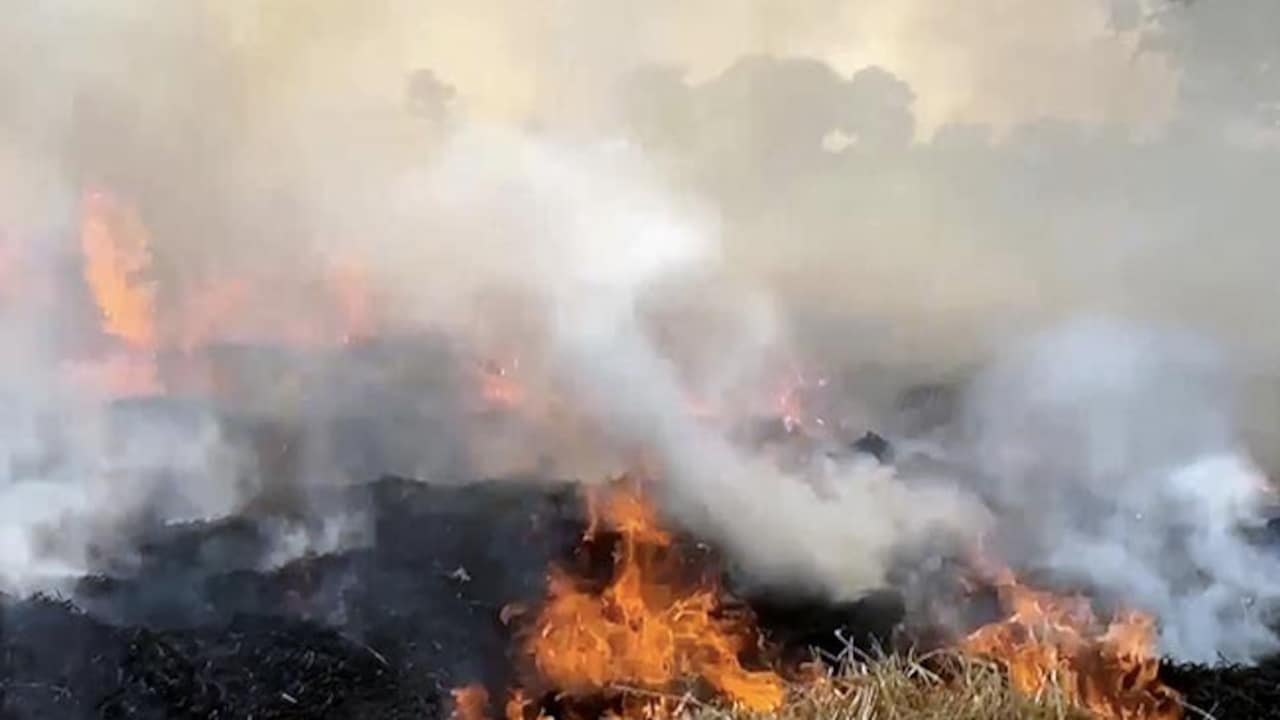
Farmers assured the officials that they would not burn crop residue.
Highlights
- The Commission for Air Quality Management reviewed stubble burning measures in Punjab districts.
- Officials assessed local preparedness and engaged with farmers on crop residue management challenges.
- Farmers reported difficulties using machinery, while administrations ensured machine availability.
New Delhi:
Targets on paper must translate into action on the ground. That was the message from the Commission for Air Quality Management (CAQM) to Punjab officials as a high-level team reviewed measures to prevent stubble burning in three districts on Saturday.
The team visited Sangrur, Patiala and Malerkotla districts, where it assessed the preparedness of local administrations and interacted with farmers, some of whom flagged difficulties in using crop residue management machinery.
The review comes amid the ongoing paddy harvesting season, when the burning of crop residue in Punjab and neighbouring states contributes to air pollution across Delhi-NCR.
The team, comprising CAQM Technical Member Dr SD Attri and Scientist-C Vijay Kumar, held a meeting with Deputy Commissioners, Senior Superintendents of Police (SSPs), officials of the Punjab Pollution Control Board (PPCB), Agriculture Department and flying squads of the Central Pollution Control Board (CPCB) in Sangrur.
The meeting focused on the measures taken by district administrations to manage paddy straw and prevent farm fires.
The officials were asked to ensure that their commitments to prevent stubble burning were reflected in action on the ground.
Farmers Flag Machinery Challenges
During a visit to Gharachon, identified as a stubble-burning hotspot in Sangrur, the CAQM team interacted with farmers who highlighted difficulties in using crop residue management machinery.
The district administration briefed the team on arrangements made to ensure the availability of such machines to farmers.
The officials also visited Bassiark, Kapial and Jhaneri villages in Sangrur's Bhawanigarh tehsil to assess the implementation of measures to manage crop residue.
In Ahmadabad village of Malerkotla, the team witnessed a demonstration of a super seeder, a machine used to manage paddy straw without burning it.
Farmers assured the officials that they would not burn crop residue and would instead use machinery to manage it in their fields.
17,000 Tonnes Of Paddy Straw To Be Used As Fuel
The team also inspected a paper and duplex board manufacturing unit on Dhuri Road in Malerkotla that uses paddy straw as fuel in its boiler.
Representatives of the unit, which has a boiler capacity of 20 tonnes per hour, informed officials that around 17,000 metric tonnes of paddy straw would be used annually.
At Nadampur village in Sangrur's Bhawanigarh, the CAQM team visited another facility where paddy straw is converted into biomass pellets for use as fuel in thermal power plants.
Such facilities provide farmers with an alternative to burning crop residue by creating industrial demand for paddy straw.
The commission asked officials to continue close monitoring and coordinate efforts to prevent stubble-burning incidents.
It also stressed that the measures implemented on the ground must match the targets committed to by district administrations under their action plans.
Published: October 31, 2026 23:25 IST
also read
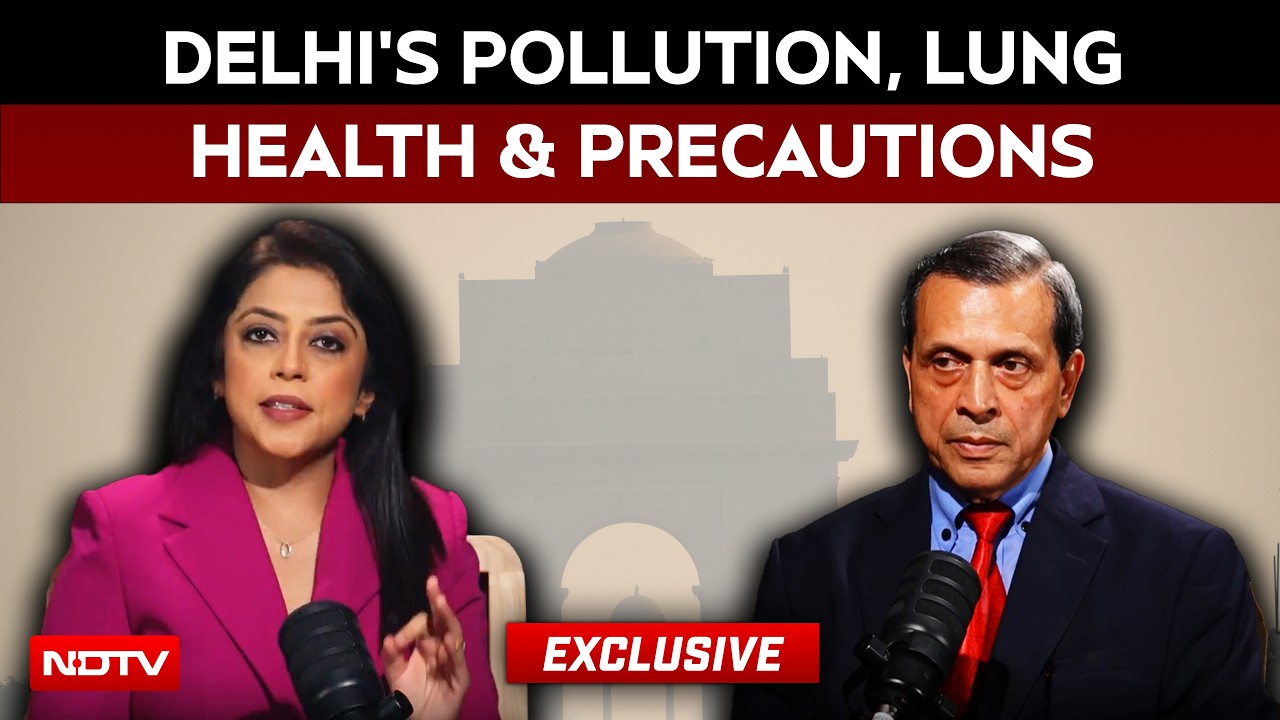
Delhi Air "Silent Epidemic": Ex-AIIMS Chief On Why People Are Falling Sick
Reported by Sneha Mordani, Edited by Prapti UpadhayayClasses In Hybrid Mode, Restrictions On Cars: What Changes Under GRAP-III
NDTV News DeskStricter Pollution Curbs Under GRAP-III Imposed In Delhi-NCR Ahead Of Diwali
Reported by Reet Kaur Sahni
 Reported by Sneha Mordani, Edited by Prapti Upadhayay | Friday November 06, 2026 , New Delhi
Dr Guleria said there is growing evidence, from India and abroad, that living for long in polluted air raises the risk of lung cancer. He said poor air exposes the lungs to mutations, and both lab studies and clinical data suggest the risk rises among non-smokers as well.
- Written by Ambika Singh Kahma | Friday November 06, 2026
Lung cancer cases are rising among women, younger people, and non-smokers, highlighting risks beyond tobacco such as air pollution.
- Written by Vishesh Nagar | Friday November 06, 2026
From Delhi's AQI of 275 to Bengaluru's 60, here's how air quality compares across six Indian cities.
- Friday November 06, 2026 , New Delhi
The Commission for Air Quality Management (CAQM) on Friday invoked Stage-III of the Graded Response Action Plan (GRAP) across Delhi and the entire National Capital Region, amid an increase in pollution levels in the National Capital Region (NCR).
- NDTV News Desk | Friday November 06, 2026 , Delhi
While GRAP-III is typically invoked when the air quality turns "severe" and the AQI hits 400, the pollution board invoked it early as a precautionary measure.


................................ Advertisement ................................
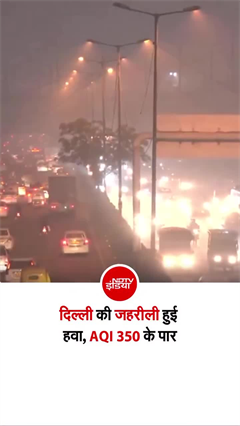
दीवाली की चौखट पर दिल्ली में सांसों का संकट: 30 साल की स्टडी ने हरियाली को लेकर क्या बताया?
Thursday November 05, 2026अध्ययन में हरियाली की मात्रा के साथ उसके फैलाव और आपसी जुड़ाव को भी महत्वपूर्ण पाया गया. जिन इलाकों में हरियाली ज्यादा बिखरी हुई थी, वहां सतही तापमान अधिक रहा. इसके विपरीत, बड़े और आपस में जुड़े हरित क्षेत्रों में तापमान कम पाया गया.
Opinion: Why Delhi's Smog Can't Be Fixed From SpaceDavid Fickling, Bloomberg
Monday October 19, 2026The clearest sign that Delhi is on a path to cleaner air would be a decline in the amount of paddy grown nearby, and therefore the acreage liable to be burned each year.
Don't Normalise Air Purifiers As Delhi Chokes | The Reason Why
Thursday December 11, 2025More than 90 cities in the world's top 100 polluting list are in India. With every passing year, the AQI is rising, reaching 'hazardous' levels.
Blog | Well Done, Delhi. You've Turned Lung Sacrifice Into A Badge Of HonourSaikat Kumar Bose
Monday November 10, 2025Till some years back, Delhiites would ask angry questions to those in power about the capitals annual tryst with toxic air. This has changed. Those in the driving seat dont see the need to answer now.
Opinion | Why Indians Have Just Given Up On Air Pollution CrisisTanushree Ganguly
Friday December 20, 2024While some may argue that people in Delhi are now more aware of air pollution than they were a decade back, my rebuttal would be that awareness does not mean that people are concerned.




