- Home/
- Air Pollution And Dementia: Expert Explains The Link And Risks Involved
Air Pollution And Dementia: Expert Explains The Link And Risks Involved
Written by Dr Vinit Banga | Updated: October 30, 2025 10:19 IST

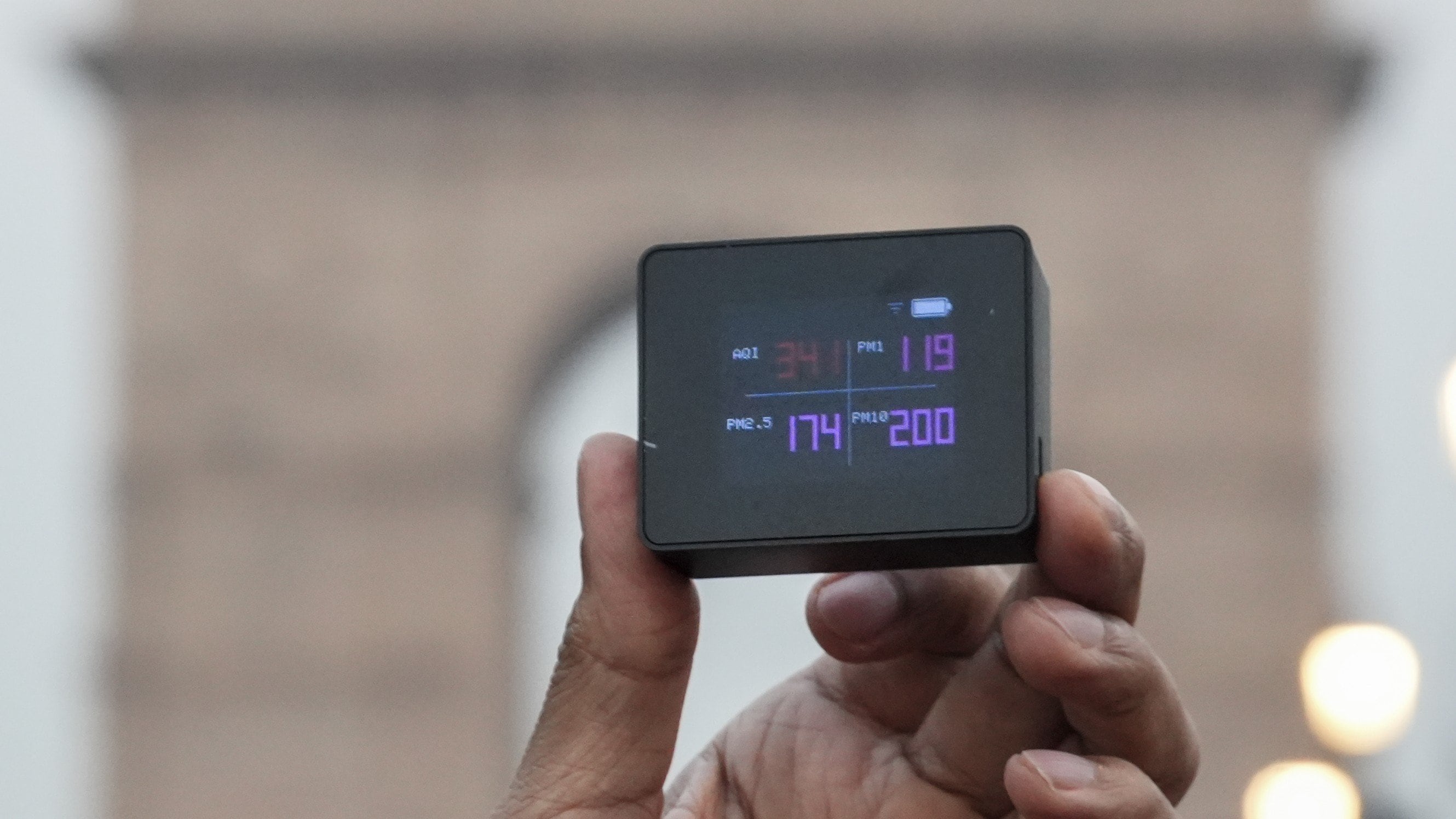
Recent research published in JAMA Neurology has highlighted the impact of prolonged exposure to fine particulate matter, known as PM2.5, on cognitive health. The study indicates that long-term exposure to these particles is associated not only with an increased risk of developing dementia but also with accelerated progression in individuals already affected by the condition.
PM2.5 consists of microscopic particles that can enter the lungs and bloodstream. Over time, these particles may reach the brain and contribute to structural and functional changes. Analysis of brain tissue and clinical records in the study revealed that individuals exposed to higher levels of PM2.5 exhibited more pronounced Alzheimer's disease-related changes. Among participants with dementia, greater exposure was linked to faster cognitive decline and increased difficulty performing daily activities. The findings suggest that environmental exposure is a significant factor influencing disease severity.
The lethality associated with dementia is compounded by these environmental factors. Accelerated progression can increase the risk of complications such as loss of independence, falls, and other secondary health issues. Exposure to polluted air has also been associated with systemic inflammation, oxidative stress, and small-vessel damage, all of which may worsen neurological outcomes. Recognizing these risks is critical for public health planning and individual protection strategies.
Preventive measures to limit exposure to airborne particles can be beneficial. The use of masks during periods of high pollution, air filtration systems indoors, and minimizing time spent in heavily polluted areas are practical steps. Additionally, maintaining a diet that supports cognitive health, including foods rich in antioxidants, may contribute to reducing the impact of environmental stressors on the brain.
The study further underscores the importance of broader public health interventions. Reducing emissions from vehicles and industries, increasing urban green spaces, and implementing strategies to improve air quality can have a positive effect on population-level neurological health. While pollution is not the sole cause of dementia, mitigation of exposure represents a modifiable factor that may slow disease progression and support better outcomes in vulnerable populations.
The relevance of these findings is significant in the context of ageing populations and increasing urbanization. Awareness of the relationship between air quality and cognitive health is essential for healthcare planning and policy formulation. Efforts to monitor, manage, and reduce exposure can contribute to preserving cognitive function and improving quality of life for older adults.
Maintaining air quality is crucial not only for respiratory and cardiovascular health but also for brain health. Targeted preventive strategies, supported by public health measures, can help reduce the risks associated with long-term exposure to fine particulate matter and support healthy ageing.
(By Dr Vinit Banga, Director & HOD - Neurology, Fortis Hospital Faridabad)
Disclaimer: The opinions expressed within this article are the personal opinions of the author. NDTV is not responsible for the accuracy, completeness, suitability, or validity of any information in this article. All information is provided on an as-is basis. The information, facts, or opinions appearing in the article do not reflect the views of NDTV and NDTV does not assume any responsibility or liability for the same.
Published: October 29, 2025 16:33 IST
also read
Can Indoor Pollution Remain High Even With An Air Purifier? 6 Hidden Sources You're Missing
Written by Debosmita GhoshDelhi Air Quality Dips Further: How Smog Can Trigger Redness, Dryness And Itching In Your Eyes
Written by Dr Mallikarjun M HMutated Flu Strain Spreading Overseas: Should India Prepare For A Challenging Winter?
Written by Dr Rajesh Bhardwaj
 Edited by Priyanka Negi | Tuesday November 03, 2026
Stage II focuses on pollution control measures like road sweeping and traffic management, with hybrid classes considered only at higher GRAP stages.
- Tuesday November 03, 2026
According to the CPCB, an AQI between zero and 50 is classified as good, 51 and 100 as satisfactory, 101 and 200 as moderate, 201 and 300 as poor, 301 and 400 as very poor, and 401 and 500 as severe.
- Edited by Aakanksha Singh | Monday November 02, 2026
Today's News Bulletin: Delhi battles hazardous air and a new set of pollution restrictions, while the Supreme Court weighs in on Diwali celebrations.
- Monday November 02, 2026 , New Delhi
The GRAP-II involves a series of restrictions that include mechanical or vacuum sweeping of roads and water sprinkling, raising parking fees to discourage the use of personal vehicles, increasing the frequency of Metro services and CNG and electric buses.
- Written by Vishesh Nagar | Monday November 02, 2026
Check the latest AQI readings for New Delhi, Mumbai, Bengaluru, Chennai, Hyderabad and Kolkata.

................................ Advertisement ................................


Opinion: Why Delhi's Smog Can't Be Fixed From SpaceDavid Fickling, Bloomberg
Monday October 19, 2026The clearest sign that Delhi is on a path to cleaner air would be a decline in the amount of paddy grown nearby, and therefore the acreage liable to be burned each year.
Don't Normalise Air Purifiers As Delhi Chokes | The Reason Why
Thursday December 11, 2025More than 90 cities in the world's top 100 polluting list are in India. With every passing year, the AQI is rising, reaching 'hazardous' levels.
Blog | Well Done, Delhi. You've Turned Lung Sacrifice Into A Badge Of HonourSaikat Kumar Bose
Monday November 10, 2025Till some years back, Delhiites would ask angry questions to those in power about the capitals annual tryst with toxic air. This has changed. Those in the driving seat dont see the need to answer now.
Opinion | Why Indians Have Just Given Up On Air Pollution CrisisTanushree Ganguly
Friday December 20, 2024While some may argue that people in Delhi are now more aware of air pollution than they were a decade back, my rebuttal would be that awareness does not mean that people are concerned.
Opinion | You Must Outrage Over Filthy Air More Than Once A YearJyoti Pande Lavakare
Tuesday December 10, 2024Delhi welcomed us with monsoon rains and mangos. We were home. Fast forward a couple of years, in the winter of 2012, I found myself in denial about something other parents, mostly expats, were calling toxic air.