


- Home/
- Can Indoor Pollution Remain High Even With An Air Purifier? 6 Hidden Sources You're Missing
Can Indoor Pollution Remain High Even With An Air Purifier? 6 Hidden Sources You're Missing
Written by Debosmita Ghosh | Updated: October 31, 2026 20:05 IST
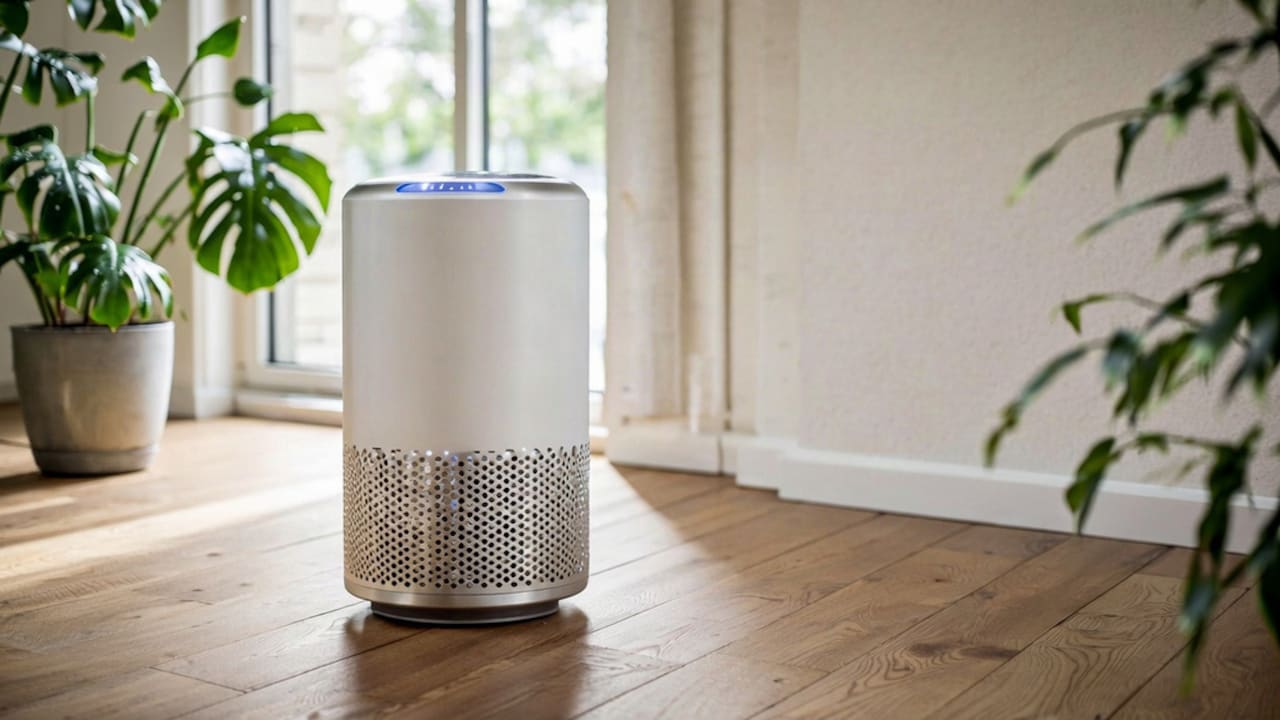
Air purifier can help reduce certain airborne pollutants, but it cannot prevent them from being generated
Highlights
- Air purifiers reduce some pollutants but cannot stop new indoor pollution sources.
- Cooking, incense, cleaning products, and outdoor air can continually pollute indoor spaces.
- Purifier effectiveness depends on size, filter condition, airflow, and proper placement.
Air purifiers have become increasingly common in Indian homes, particularly with the rise in air pollution and its impact on respiratory health. Many people rely on these devices to improve indoor air quality, assuming that keeping them switched on throughout the day is enough to protect their families from harmful pollutants. However, indoor air can remain polluted even when an air purifier is running. This is because several everyday household activities can continuously release pollutants into the air, sometimes faster than the purifier can remove them.
Cooking, burning incense sticks, using cleaning products and allowing outdoor pollution to enter through open windows are some commonly overlooked sources. An air purifier can help reduce certain airborne pollutants, but it cannot prevent them from being generated in the first place. Dr Rahul Sharma, Director - Pulmonology, DM Pulmonary & Critical Care, Fortis Hospital Greater Noida, explains why indoor pollution can remain high and what one can do to reduce their exposure.
Why Does Indoor Pollution Remain High Even With An Air Purifier?
An air purifier mainly removes pollutants that pass through its filtration system. However, it does not stop pollution from being generated inside the house. If new pollutants are continuously released, indoor air quality may remain poor despite the device running. The effectiveness of an air purifier also depends on its size, filter condition, airflow and placement. A purifier that is too small for the room, has a clogged filter or operates at a low setting may not clean the air sufficiently. Placing it too close to furniture or against a wall can also restrict airflow and impact its efficiency.
6 Hidden Sources Of Indoor Pollution You May Be Missing
1. Cooking, Especially Frying And Grilling
Cooking is one of the major sources of indoor air pollution. Activities such as frying, grilling and cooking on gas stoves can release particulate matter and harmful gases, including nitrogen dioxide. These pollutants can accumulate in the kitchen and spread to other parts of the house, particularly when there is inadequate ventilation.
2. Incense Sticks, Candles And Mosquito Coils
Burning incense sticks, scented candles and mosquito coils may make a home smell pleasant or help keep insects away, but they can also release pollutants. They produce particulate matter and other substances that can remain suspended in indoor air. Smoking indoors is another significant source of pollution.
3. Cleaning Products And Air Fresheners
Several household products can release volatile organic compounds (VOCs) into the air. These include cleaning liquids, disinfectants, room fresheners, paints, adhesives and other chemical-based products. VOCs are gases released by certain chemicals and can add to poor indoor air quality.
4. Outdoor Pollution Entering The House
Indoor pollution does not always occur inside the home. Pollutants from outside can enter through open doors and windows, ventilation systems, gaps around the building and frequent door openings. During periods of high outdoor pollution, keeping windows and doors open for prolonged periods can allow polluted air to enter. This means indoor pollution may remain high even when an air purifier is switched on.
5. Poor Purifier Maintenance And Placement
An air purifier cannot work properly if its filters are clogged or have not been replaced as recommended. Similarly, using a device that's made for a smaller room in a larger space may impact its ability to clean the air. Its placement also matters. The device should have enough space around it to allow proper air circulation.
6. Gases That Regular Air Purifiers May Not Remove
Not all air purifiers can remove every type of indoor pollutant. Most filtration-based devices are designed to capture particles, while removing certain gases requires specific technologies. Dr Sharma says that air purifiers do not remove carbon monoxide and some gaseous pollutants unless they have technologies specifically designed for them.
How Can You Reduce Indoor Air Pollution?
Dr Sharma recommends focusing on controlling pollution at its source. Here are some practical measures:
- Use kitchen exhaust systems: Switch on the kitchen exhaust while cooking and keep it running for some time afterwards to remove smoke and cooking-related pollutants
- Avoid smoking indoors: This can reduce exposure to harmful particles and gases
- Limit incense and candle use: Avoid burning these products frequently, particularly in poorly ventilated rooms
- Use household chemicals carefully: Limit unnecessary air fresheners and make sure there's adequate ventilation when using cleaning products, paints or adhesives
- Maintain your purifier: Clean or replace filters according to the manufacturer's instructions and choose a device suitable for your room size
- Manage ventilation: Keep doors and windows closed when outdoor pollution levels are high, while maintaining appropriate ventilation when outdoor air quality permits
"A purifier does not replace source control and ventilation. Indoor pollution can be reduced by avoiding smoking indoors, limiting incense and candle use, using kitchen exhaust during and after cooking, maintaining air-conditioning and ventilation systems, and keeping doors and windows closed when outdoor pollution is high," said Dr Sharma.
Disclaimer: This content including advice provides generic information only. It is in no way a substitute for a qualified medical opinion. Always consult a specialist or your own doctor for more information. NDTV does not claim responsibility for this information.
Published: October 31, 2026 19:00 IST
also read
From Stroke Risk To Children's Memory: The Growing Threat Of Air Pollution To Brain Health
Written by Ambika Singh KahmaPollution Or Seasonal Allergy? How To Identify What's Triggering Your Cough
Written by Dr Ajay PhadkeStruggling With Cold, Flu As Air Quality Worsens? Doctors Share Recovery Tips
Written by Shreya Goswami
 Reported by Ishika Verma | Friday November 06, 2026
In Dwarka, the misting network now stretches 11.8 km. It includes a new 3-km section with 66 poles in Sector 8, connected to the existing system along major roads.
- Reported by Gurpreet Singh Chhina | Friday November 06, 2026 , Chandigarh
Jarnail Singh maintained that the date-related issue was a minor technical error and did not invalidate the pollution readings displayed in Mohali
- Written by Vishesh Nagar | Thursday November 05, 2026
The BCCI announced the venue change following a request from the DDCA, citing possible weather disruption and renovation work.
- Thursday November 05, 2026
The ODI series opener between India and Sri Lanka on December 13 was on Thursday shifted from Delhi to Visakhapatnam
- Written by Ambika Singh Kahma | Thursday November 05, 2026
Emerging research suggests that prolonged exposure to polluted air, particularly fine particulate matter (PM2.5), may affect the brain in several ways.


................................ Advertisement ................................
दीवाली की चौखट पर दिल्ली में सांसों का संकट: 30 साल की स्टडी ने हरियाली को लेकर क्या बताया?
Thursday November 05, 2026अध्ययन में हरियाली की मात्रा के साथ उसके फैलाव और आपसी जुड़ाव को भी महत्वपूर्ण पाया गया. जिन इलाकों में हरियाली ज्यादा बिखरी हुई थी, वहां सतही तापमान अधिक रहा. इसके विपरीत, बड़े और आपस में जुड़े हरित क्षेत्रों में तापमान कम पाया गया.
Opinion: Why Delhi's Smog Can't Be Fixed From SpaceDavid Fickling, Bloomberg
Monday October 19, 2026The clearest sign that Delhi is on a path to cleaner air would be a decline in the amount of paddy grown nearby, and therefore the acreage liable to be burned each year.
Don't Normalise Air Purifiers As Delhi Chokes | The Reason Why
Thursday December 11, 2025More than 90 cities in the world's top 100 polluting list are in India. With every passing year, the AQI is rising, reaching 'hazardous' levels.
Blog | Well Done, Delhi. You've Turned Lung Sacrifice Into A Badge Of HonourSaikat Kumar Bose
Monday November 10, 2025Till some years back, Delhiites would ask angry questions to those in power about the capitals annual tryst with toxic air. This has changed. Those in the driving seat dont see the need to answer now.
Opinion | Why Indians Have Just Given Up On Air Pollution CrisisTanushree Ganguly
Friday December 20, 2024While some may argue that people in Delhi are now more aware of air pollution than they were a decade back, my rebuttal would be that awareness does not mean that people are concerned.




