


- Home/
- Air Pollution Can Heighten Anxiety And Trigger Panic-Like Symptoms: Doctors
Air Pollution Can Heighten Anxiety And Trigger Panic-Like Symptoms: Doctors
Indo-Asian News Service | Updated: December 05, 2025 12:29 IST
New Delhi:
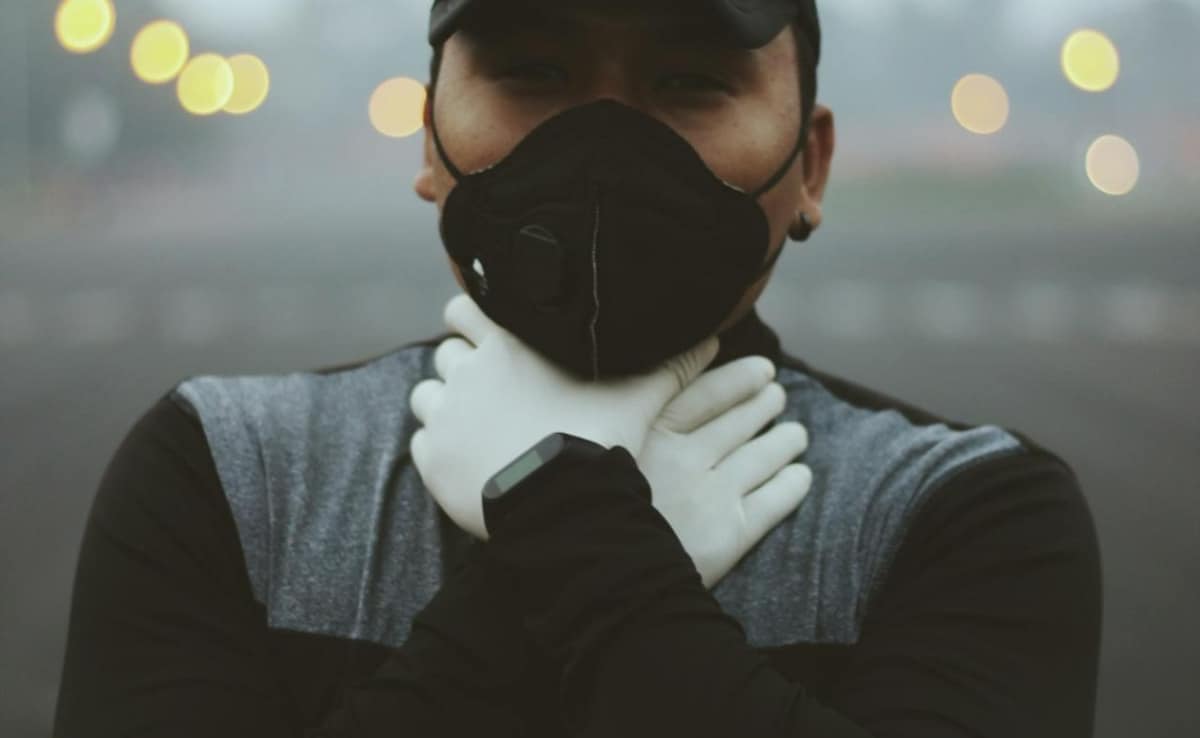
Amid continuing poor air quality in the national capital, doctors on Friday noted that air pollution can not only harm your lungs or lead to cardiac illness but can also heighten anxiety and trigger panic-like symptoms. The Central Pollution Control Board (CPCB) reported that Delhi's average Air Quality Index (AQI) stood at 323 at 8 am on Friday morning, keeping the city in the “very poor” category, as residents woke up to a thick layer of haze. “Pollution also affects mental health. When pollution increases, air quality deteriorates, leading to a lack of oxygen. The body does not receive the required amount of oxygen, which affects the brain,” Dr. Nand Kumar, Professor, Department of Psychiatry, AIIMS, told IANS.
“The brain needs oxygen to function properly, and a lack of oxygen impairs its function, leading to emotional disconnection. Therefore, air pollution also impacts mental health,” Kumar explained.
Air pollution no longer remains an environmental or seasonal concern but a direct and ongoing threat to human life, especially for children, pregnant women, the elderly, and individuals with chronic heart and lung conditions.
This can be severely concerning among people already suffering from chronic psychiatric conditions.
It is because air pollution, especially the dense smog commonly seen during early winter, can significantly influence mental well-being.
“Individuals with pre-existing mood disorders or those sensitive to seasonal changes are particularly vulnerable. Poor air quality can trigger respiratory discomfort, abnormal breathing patterns, and a sense of breathlessness, all of which can heighten anxiety and panic-like symptoms,” Dr Astik Joshi, Child, adolescent, and forensic psychiatrist, at a city-based hospital, told IANS.
Joshi added that in some people, prolonged exposure to smog may also be linked with Seasonal Affective Disorder (SAD), a winter-specific mood disturbance marked by low energy, irritability, and depressive symptoms.
Meanwhile, more than 80 Padma awardee doctors from across the country on Thursday issued an unprecedented joint national advisory warning that India's air pollution crisis has escalated into a “direct and ongoing threat to human life”, with its health impacts now reaching unmanageable levels.
Citing 2025 data, the doctors said India records nearly 1.7 million air-pollution-related deaths annually. Over one-third of respiratory deaths are linked to poor air quality, while as much as 40 per cent of stroke-related mortality is attributed to pollution exposure.
PM2.5 levels in North India often reach 20-40 times the WHO safe limit, they said, adding that almost 70 per cent of Indians are now breathing unsafe air. Toxic air is also linked to nearly four lakh child deaths each year.
Long-term exposure to PM2.5 is associated with chromosomal breakages, telomere shortening, and genetic instability, which raises the risk of cancer, metabolic disorders, and lifelong health impairment, including a significant worsening of diabetes outcomes.
To reduce the impact, it is recommended to monitor AQI levels, use masks when outdoors, rely on air purifiers at home, maintain good ventilation, and avoid early morning or late evening outdoor activities when pollution peaks.
“Regular exercise indoors, a nutrient-rich diet, and seeking timely psychiatric support can also help prevent the mental health burden associated with rising pollution levels,” Joshi said.
(This story has not been edited by NDTV staff and is auto-generated from a syndicated feed.)
Published: December 05, 2025 11:51 IST
also read
 Written by Ambika Singh Kahma | Friday June 19, 2026
NDTV Lifeline's first episode gives India a wake-up call to recognise sleep apnea as a critical public health issue
- Reported by Ishika Verma | Friday June 19, 2026 , New Delhi
The measures, outlined under a newly notified winter air quality management framework, are intended to help authorities, businesses and residents prepare in advance for the period between November and February, when Delhi's air quality typically dete
- Edited by Nikhil Pandey | Friday June 19, 2026
An unprecedented Ukrainian drone strike on a major Moscow oil refinery has caused a bizarre environmental crisis, with oily "black rain" falling over parts of the Russian capital.
- Written by Dr Anindita Singh | Monday June 15, 2026
From a clinical point of view, infertility often develops quietly, without noticeable symptoms, especially in the early stages, and the whole process can look normal from the outside.
- Written by Shreya Goswami | Monday June 15, 2026
Naseeruddin Shah's moving portrayal of a man with dementia in Imtiaz Ali's latest movie highlights the emotional and practical challenges faced by caregivers.





................................ Advertisement ................................

Blog | Well Done, Delhi. You've Turned Lung Sacrifice Into A Badge Of HonourSaikat Kumar Bose
Monday November 10, 2025Till some years back, Delhiites would ask angry questions to those in power about the capitals annual tryst with toxic air. This has changed. Those in the driving seat dont see the need to answer now.
Opinion | Why Indians Have Just Given Up On Air Pollution CrisisTanushree Ganguly
Friday December 20, 2024While some may argue that people in Delhi are now more aware of air pollution than they were a decade back, my rebuttal would be that awareness does not mean that people are concerned.
Opinion | You Must Outrage Over Filthy Air More Than Once A YearJyoti Pande Lavakare
Tuesday December 10, 2024Delhi welcomed us with monsoon rains and mangos. We were home. Fast forward a couple of years, in the winter of 2012, I found myself in denial about something other parents, mostly expats, were calling toxic air.
Opinion | Delhi's Air Pollution Situation Is Like A Bad MarriageNishtha Gautam
Friday November 22, 2024On a good day, such as today, the AQI reading in Delhi is 407. We are jubilant at the sickly sunshine trickling through the slightly dissipated smog. At least its not 1600.
दिवाली... पराली... सियासी जुगाली!Ashwini kumar
Monday November 18, 2024दिल्ली-एनसीआर में प्रदूषण का समाधान तो आज तक मिला नहीं. हर साल चिंतित होकर हम-आप सांसों की तकलीफ के साथ-साथ दिल और ब्लड प्रेशर के मरीज भी क्यों बनें?


