


- Home/
- Air Pollution Increases Risk Of Alzheimer Disease, Finds New Study
Air Pollution Increases Risk Of Alzheimer Disease, Finds New Study
Press Trust of India | Updated: February 18, 2026 15:47 IST
Highlights
- A US study linked long-term air pollution exposure to increased Alzheimer's risk directly.
- Stroke patients showed higher susceptibility to air pollution's brain health impacts.
- Air pollution also raised risks of hypertension, depression, and stroke in older adults.
New Delhi:
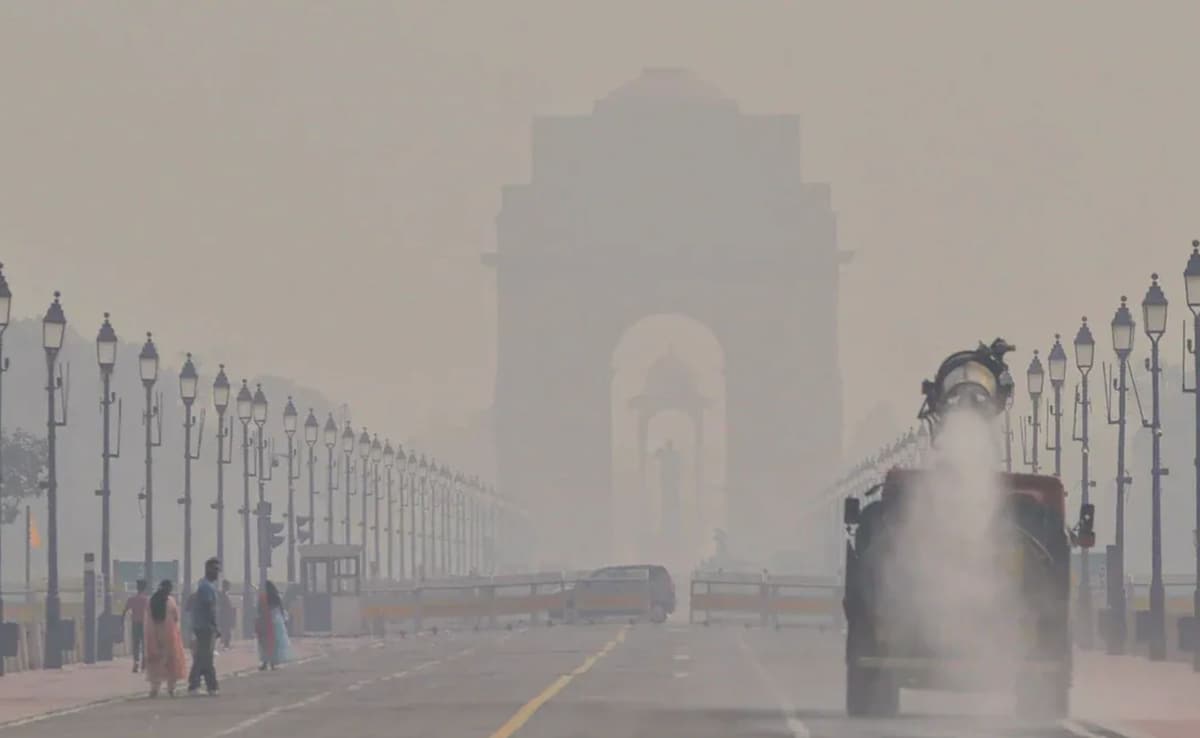
A study conducted in 27.8 million people in the US has shown that exposure to air pollution can directly contribute towards increased risk of Alzheimer's disease, rather than causing indirectly through chronic conditions such as hypertension and stroke. The findings, published in the journal PLOS Medicine, also reveal that people with a history of stroke may be particularly susceptible to the harmful effects of air pollution on brain health, highlighting an important intersection between environmental and vascular risk factors, researchers said. The team from Emory University said that improving air quality could be an important way to prevent dementia -- of which Alzheimer's disease is the most common form -- and protect older adults.
They added that while air pollution known to increase one's risk of Alzheimer's disease and several chronic conditions, including hypertension and depression, it was previously unclear whether air pollution causes the chronic conditions, which then lead to dementia, or whether the chronic conditions amplify pollution's effects on brain health.
The study examined beneficiaries of Medicare, the US' federal health insurance, aged 65 and above during 2000-2018. The participants' exposure to air pollution and whether they developed Alzheimer's disease was analysed, along with the role of comorbid chronic conditions.
The authors "identified approximately 3.0 million incident AD (Alzheimer's disease) cases." PM 2.5 exposure (five-year moving average prior to onset) was associated with an increased risk of AD in the overall population, with risk rising for every 3.8 micrograms per cubic metre increase in exposure to air pollution, the authors said.
The link was slightly stronger in individuals with stroke, but there was little effect modification for hypertension and depression.
PM2.5 exposure was also significantly associated with higher risks of hypertension, depression, and stroke, all of which were also linked to an increased Alzheimer's disease risk.
"However, mediation effects were minimal, with 1.6 per cent of the association between PM2.5 and incident AD mediated by hypertension, 4.2 per cent by stroke, and 2.1 per cent by depression," the authors wrote.
They added, "In this large national study of older adults, we found that long-term exposure to fine particulate air pollution was associated with a higher risk of Alzheimer's disease, largely through direct effects on the brain rather than through common chronic conditions such as hypertension, stroke, or depression."
(Except for the headline, this story has not been edited by NDTV staff and is published from a syndicated feed.)
Published: February 18, 2026 15:37 IST
also read
 Written by Ambika Singh Kahma | Friday June 19, 2026
NDTV Lifeline's first episode gives India a wake-up call to recognise sleep apnea as a critical public health issue
- Reported by Ishika Verma | Friday June 19, 2026 , New Delhi
The measures, outlined under a newly notified winter air quality management framework, are intended to help authorities, businesses and residents prepare in advance for the period between November and February, when Delhi's air quality typically dete
- Edited by Nikhil Pandey | Friday June 19, 2026
An unprecedented Ukrainian drone strike on a major Moscow oil refinery has caused a bizarre environmental crisis, with oily "black rain" falling over parts of the Russian capital.
- Written by Dr Anindita Singh | Monday June 15, 2026
From a clinical point of view, infertility often develops quietly, without noticeable symptoms, especially in the early stages, and the whole process can look normal from the outside.
- Written by Shreya Goswami | Monday June 15, 2026
Naseeruddin Shah's moving portrayal of a man with dementia in Imtiaz Ali's latest movie highlights the emotional and practical challenges faced by caregivers.





................................ Advertisement ................................





Blog | Well Done, Delhi. You've Turned Lung Sacrifice Into A Badge Of HonourSaikat Kumar Bose
Monday November 10, 2025Till some years back, Delhiites would ask angry questions to those in power about the capitals annual tryst with toxic air. This has changed. Those in the driving seat dont see the need to answer now.
Opinion | Why Indians Have Just Given Up On Air Pollution CrisisTanushree Ganguly
Friday December 20, 2024While some may argue that people in Delhi are now more aware of air pollution than they were a decade back, my rebuttal would be that awareness does not mean that people are concerned.
Opinion | You Must Outrage Over Filthy Air More Than Once A YearJyoti Pande Lavakare
Tuesday December 10, 2024Delhi welcomed us with monsoon rains and mangos. We were home. Fast forward a couple of years, in the winter of 2012, I found myself in denial about something other parents, mostly expats, were calling toxic air.
Opinion | Delhi's Air Pollution Situation Is Like A Bad MarriageNishtha Gautam
Friday November 22, 2024On a good day, such as today, the AQI reading in Delhi is 407. We are jubilant at the sickly sunshine trickling through the slightly dissipated smog. At least its not 1600.
दिवाली... पराली... सियासी जुगाली!Ashwini kumar
Monday November 18, 2024दिल्ली-एनसीआर में प्रदूषण का समाधान तो आज तक मिला नहीं. हर साल चिंतित होकर हम-आप सांसों की तकलीफ के साथ-साथ दिल और ब्लड प्रेशर के मरीज भी क्यों बनें?


