


- Home/
- Breathing Has Become Harder For Many, No Thanks To Air Pollution: What Lungs Need As You Enter 2026
Breathing Has Become Harder For Many, No Thanks To Air Pollution: What Lungs Need As You Enter 2026
Written by Dr Anusha C M | Updated: December 21, 2025 15:02 IST
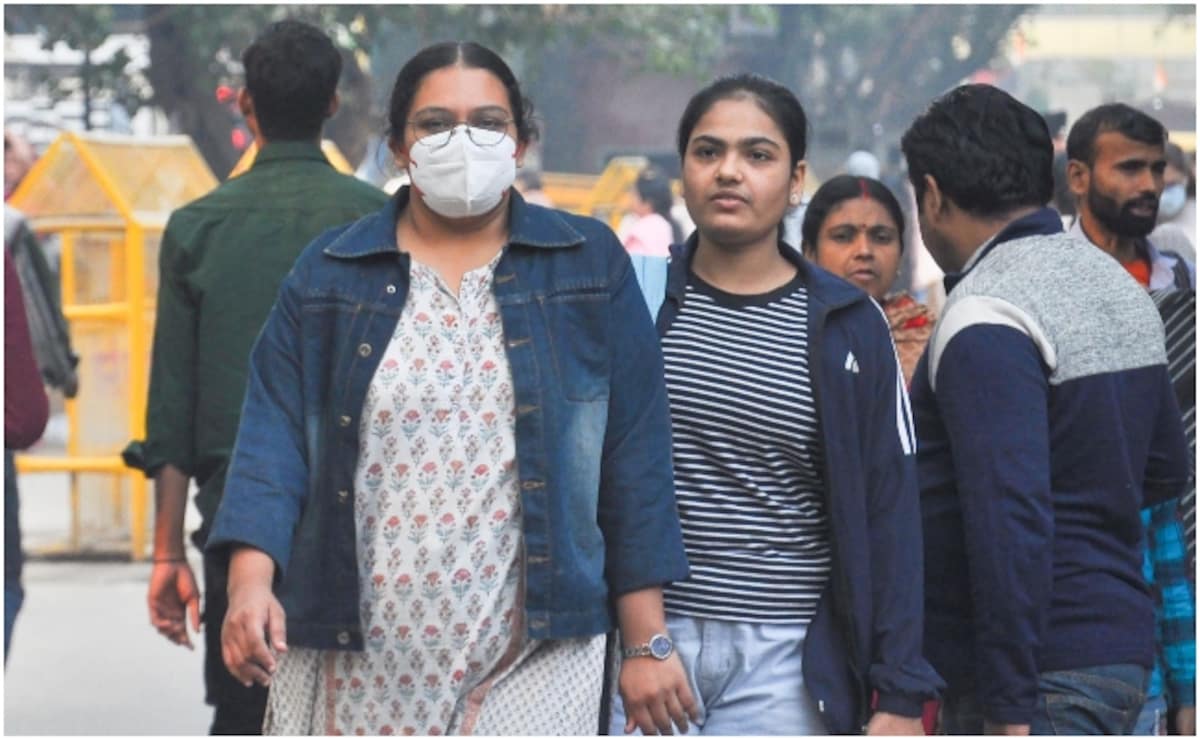
Air pollution in India has reached alarming levels and has started seriously affecting lung health across all ages. The growing concentration of harmful pollutants is leading to a wide range of respiratory diseases, from COPD and asthma to lung cancer and bronchitis. Among such pollutants, the most dangerous ones are those called PM 2.5, comprising extremely fine particulate matter that can go deep inside the lungs because of their very tiny size. These particles accumulate in the lower respiratory tract once inhaled and trigger inflammation there, leading to long-term damage. This may lead to reduced lung function with time and increases the susceptibility to respiratory diseases, particularly in vulnerable populations, such as children and the elderly.
India's Air Pollution Crisis - Key Sources of the Problem
There are numerous causes to India's air pollution crisis, but a few large ones stand out. To begin with, vehicle emissions-the huge amount of exhaust fumes coming from a sea of traffic-is spewing billions of cubic centimeters of toxic chemicals and particulate matter into the atmosphere.And also the crops burnings in the north, which seem to kick off pollution spikes and thick smog episodes that everyone in Delhi is dealing with. Then there's the indoor air pollution from burning biomass, wood, or firewood in kitchens and stoves all over the country - that's causes pollution. Weather factors like falling temperatures and low wind speeds can trap these close to the ground, increasing exposure to all these pollutants.
Simple Measures to Reduce Daily Exposure
The protective measures against these pollutants in the lungs are a must. Firstly, it's about the minimization of the volume of polluted air entering the organism. Thus, a well-fitting N95 mask can be quite efficient as a barrier for catching fine particulate matter. Also, it makes sense to limit outdoor activities during hours of peak pollution; for instance, one can reschedule walks or exercise sessions indoors. Thus, a high-quality air purifier installed in homes will help keep the air indoors much safer by filtering out harmful particles.
Improving Indoor Air Quality for Better Lung Health
Equally important is the reduction of indoor pollution. Avoid burning firewood, incense, or mosquito coils, because these will add to poor indoor air quality. Smoking in all its forms is to be avoided at all costs. This involves the first-hand, second-hand, and even third-hand smoke, all dangerous to lung health. Keeping up with an active lifestyle through regular indoor exercise, staying well hydrated, and consuming a nutritious diet will do much to strengthen overall respiratory health.
Vaccinations That Can Strengthen Respiratory Protection
Adults, especially those over the age of 50 years, are encouraged to get vaccinations that protect the lungs, like the annual flu shot and the pneumococcal vaccine. These would reduce the risk of serious respiratory infections that may be worsened by high levels of air pollution.
When to Seek Medical Attention
Finally, persons with chronic conditions like heart disease, asthma, or COPD should continue their medications without interruption. If symptoms worsen, such as persistent coughing or difficulty breathing, a pulmonologist should be consulted immediately.
(By Dr. Anusha C M, Consultant - Respiratory Medicine, Manipal Hospital Malleswaram, Bengaluru)
Disclaimer: The opinions expressed within this article are the personal opinions of the author. NDTV is not responsible for the accuracy, completeness, suitability, or validity of any information on this article. All information is provided on an as-is basis. The information, facts or opinions appearing in the article do not reflect the views of NDTV and NDTV does not assume any responsibility or liability for the same.
Published: December 19, 2025 17:25 IST
also read
 Written by Ambika Singh Kahma | Friday June 19, 2026
NDTV Lifeline's first episode gives India a wake-up call to recognise sleep apnea as a critical public health issue
- Reported by Ishika Verma | Friday June 19, 2026 , New Delhi
The measures, outlined under a newly notified winter air quality management framework, are intended to help authorities, businesses and residents prepare in advance for the period between November and February, when Delhi's air quality typically dete
- Edited by Nikhil Pandey | Friday June 19, 2026
An unprecedented Ukrainian drone strike on a major Moscow oil refinery has caused a bizarre environmental crisis, with oily "black rain" falling over parts of the Russian capital.
- Written by Dr Anindita Singh | Monday June 15, 2026
From a clinical point of view, infertility often develops quietly, without noticeable symptoms, especially in the early stages, and the whole process can look normal from the outside.
- Written by Shreya Goswami | Monday June 15, 2026
Naseeruddin Shah's moving portrayal of a man with dementia in Imtiaz Ali's latest movie highlights the emotional and practical challenges faced by caregivers.


................................ Advertisement ................................

Blog | Well Done, Delhi. You've Turned Lung Sacrifice Into A Badge Of HonourSaikat Kumar Bose
Monday November 10, 2025Till some years back, Delhiites would ask angry questions to those in power about the capitals annual tryst with toxic air. This has changed. Those in the driving seat dont see the need to answer now.
Opinion | Why Indians Have Just Given Up On Air Pollution CrisisTanushree Ganguly
Friday December 20, 2024While some may argue that people in Delhi are now more aware of air pollution than they were a decade back, my rebuttal would be that awareness does not mean that people are concerned.
Opinion | You Must Outrage Over Filthy Air More Than Once A YearJyoti Pande Lavakare
Tuesday December 10, 2024Delhi welcomed us with monsoon rains and mangos. We were home. Fast forward a couple of years, in the winter of 2012, I found myself in denial about something other parents, mostly expats, were calling toxic air.
Opinion | Delhi's Air Pollution Situation Is Like A Bad MarriageNishtha Gautam
Friday November 22, 2024On a good day, such as today, the AQI reading in Delhi is 407. We are jubilant at the sickly sunshine trickling through the slightly dissipated smog. At least its not 1600.
दिवाली... पराली... सियासी जुगाली!Ashwini kumar
Monday November 18, 2024दिल्ली-एनसीआर में प्रदूषण का समाधान तो आज तक मिला नहीं. हर साल चिंतित होकर हम-आप सांसों की तकलीफ के साथ-साथ दिल और ब्लड प्रेशर के मरीज भी क्यों बनें?


