


- Home/
- "Only BS-4 And Above": Supreme Court Tweaks Order On Older Vehicles In Delhi
"Only BS-4 And Above": Supreme Court Tweaks Order On Older Vehicles In Delhi
Highlights
- The Supreme Court has modified an earlier ban on 10-year-old diesel and 15-year-old petrol vehicles
- Around 37% of vehicles in Delhi-NCR run on BS3 or older engines, emitting much higher pollutants
- Pollution control body CAQM has urged stricter rules as BS3 engines contribute significantly to pollution
New Delhi :
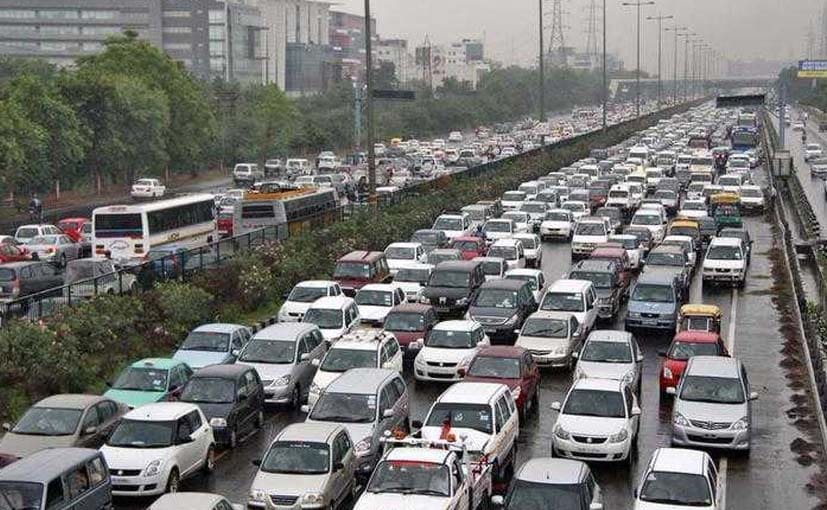
Only vehicles with BS4 compliant engines and above will be exempted from action if they are found running in Delhi, the Supreme Court said today, modifying its earlier order banning 10-year-old diesel-run vehicles and 15-year-old petrol-run vehicles from December 18 in view of the massive air pollution in Delhi.
A 15-year-old petrol-run vehicle in India and its 10-year-old diesel counterpart are likely have a BS-III (Bharat Stage 3) compliant engine. The BS-IV engines were launched the next year.
Earlier, the Supreme Court, acting on a petition from the Delhi government, had ordered that no strict action would be taken against 10-year-old diesel and 15-year-old petrol vehicles. That left a grey area both for vehicle owners and the implementing agencies.
The court's clarification came today following a request from the Central pollution control body CAQM (Commission for Air Quality Management). Citing the extreme pollution blanket over Delhi-NCR, the Commission had asked that vehicles with older engines (BSIII) contribute massively to pollution and deserve no exemption.
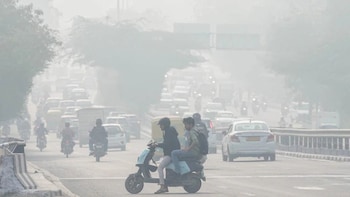
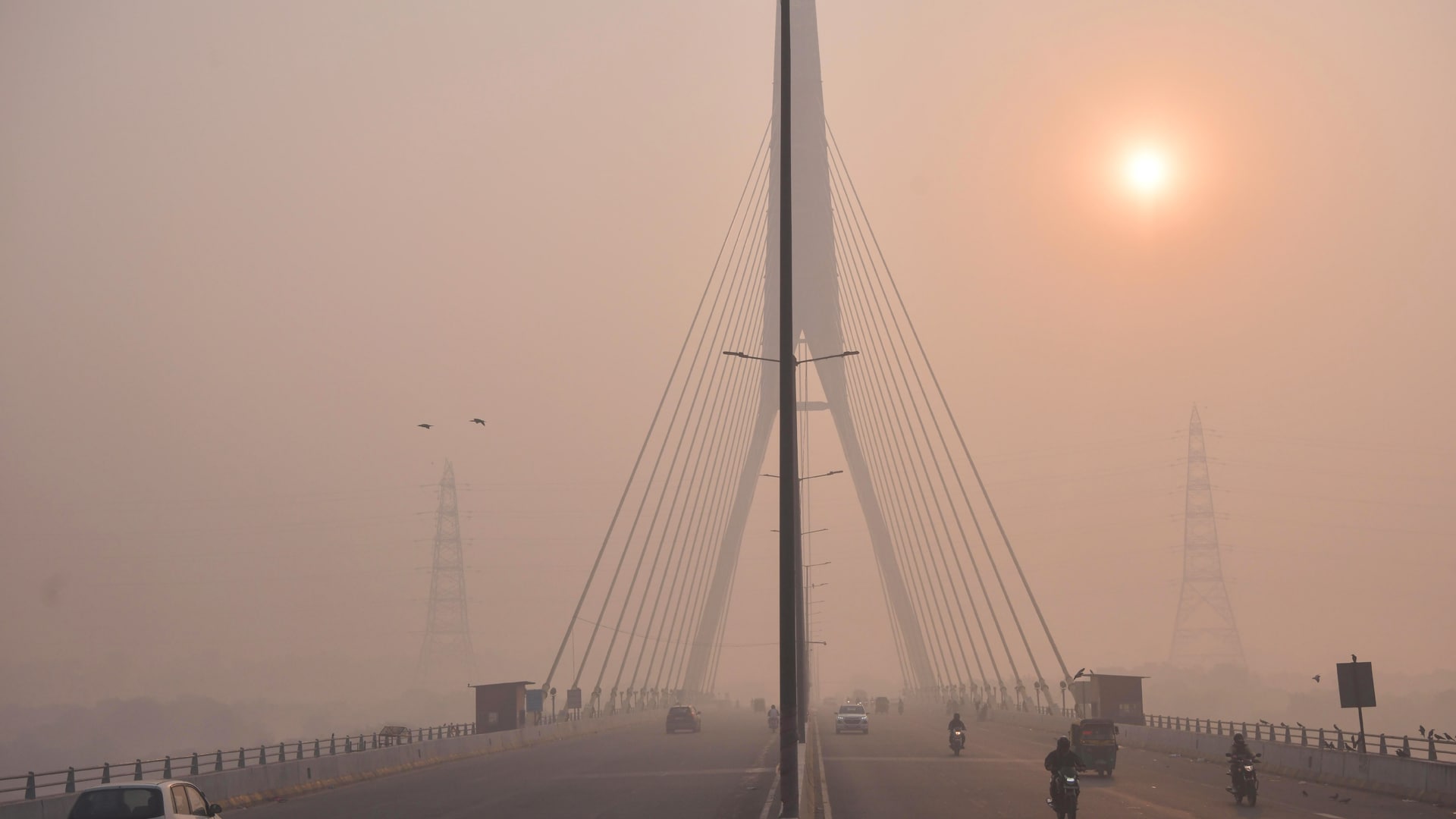
The crackdown on older engines came after evidence mounted that vehicular pollution remained the key reason for the smog blanket over Delhi every winter.
The CAQM has found that around 93 per cent of the 2.88 crore vehicles on the road in Delhi-NCR are light motor vehicles -- cars and two-wheelers. Around 37% - run on BS III or even older engines. These emit between 2.5 and 31 times more particulate matter, 6.25 to 12 times more nitrogen oxides, and 1.28 to 5.4 times more carbon monoxide compared to newer vehicles, the CAQM said in the data submitted to the top court.
As the AQI in Delhi keeps spiralling, the Prime Minister's office has ordered strict action against polluting vehicles.
Today Delhi environment minister Manjinder Singh Sirsa announced a series of new steps to address vehicular pollution. These include allowing only BS-VI vehicles into the capital from Thursday, not providing fuel to a vehicle without a valid Pollution Under Control certificate, an integrated traffic system that will cut down on time and pollution at traffic lights and a car-pooling app.
Published: December 17, 2025 16:03 IST
 Reported by Pallava Bagla | Thursday November 12, 2026 , New Delhi
All are hoping for rain that may wash away the toxic cloud hanging overhead. But the weather office ended that hope today, saying rain is unlikely in the plains. There might be some over the Himalayan region, but none is expected in Delhi, where the pollution has reached severe levels.
- Reported by Ankita Tiwari | Wednesday November 11, 2026 , New Delhi
According to a Centre for Science and Environment (CSE) report, the average PM2.5 concentration during the week before Diwali stood at 236 micrograms per cubic metre, almost double the 120 ug/m3 recorded in 2025. It was also the highest pre-Diwali average in three years.
- Wednesday November 11, 2026 , New Delhi
The transport sector is expected to be the largest contributor to pollution on Wednesday, while the impact of stubble burning is anticipated to increase on Thursday, potentially worsening air quality further over the next few days, according to Indian Institute of Tropical Meteorology models.
- Reported by Himanshu Shekhar Mishra, Edited by Anindita Sanyal | Wednesday November 11, 2026 , New Delhi
Air pollution in Delhi-NCR has worsened during the onset of winter (from October to mid-November) this year. This has been revealed in a new analysis by the Centre for Science and Environment or CSE, an organisation that monitors environmental issues.
- Written by Vishesh Nagar | Wednesday November 11, 2026
All 10 cities in the ranking fall under the 'Hazardous' category, with Bathinda recording the highest AQI, followed by Rewari and Faridkot.

................................ Advertisement ................................
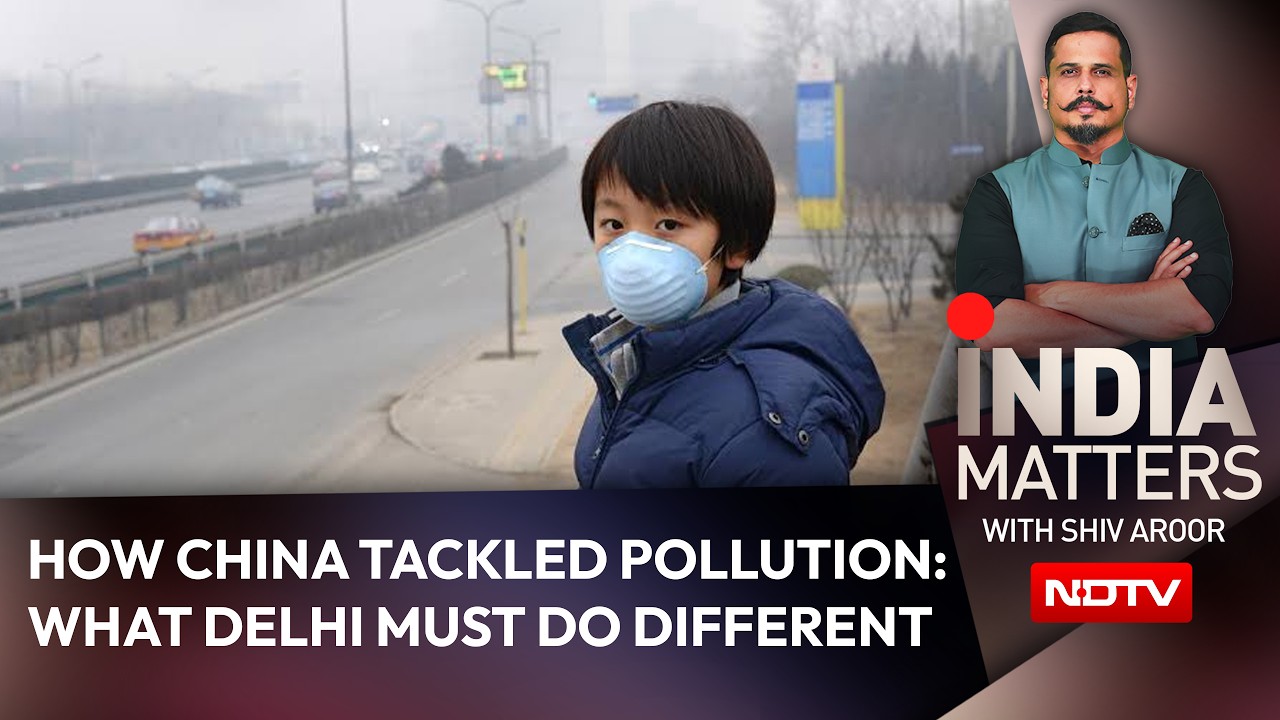
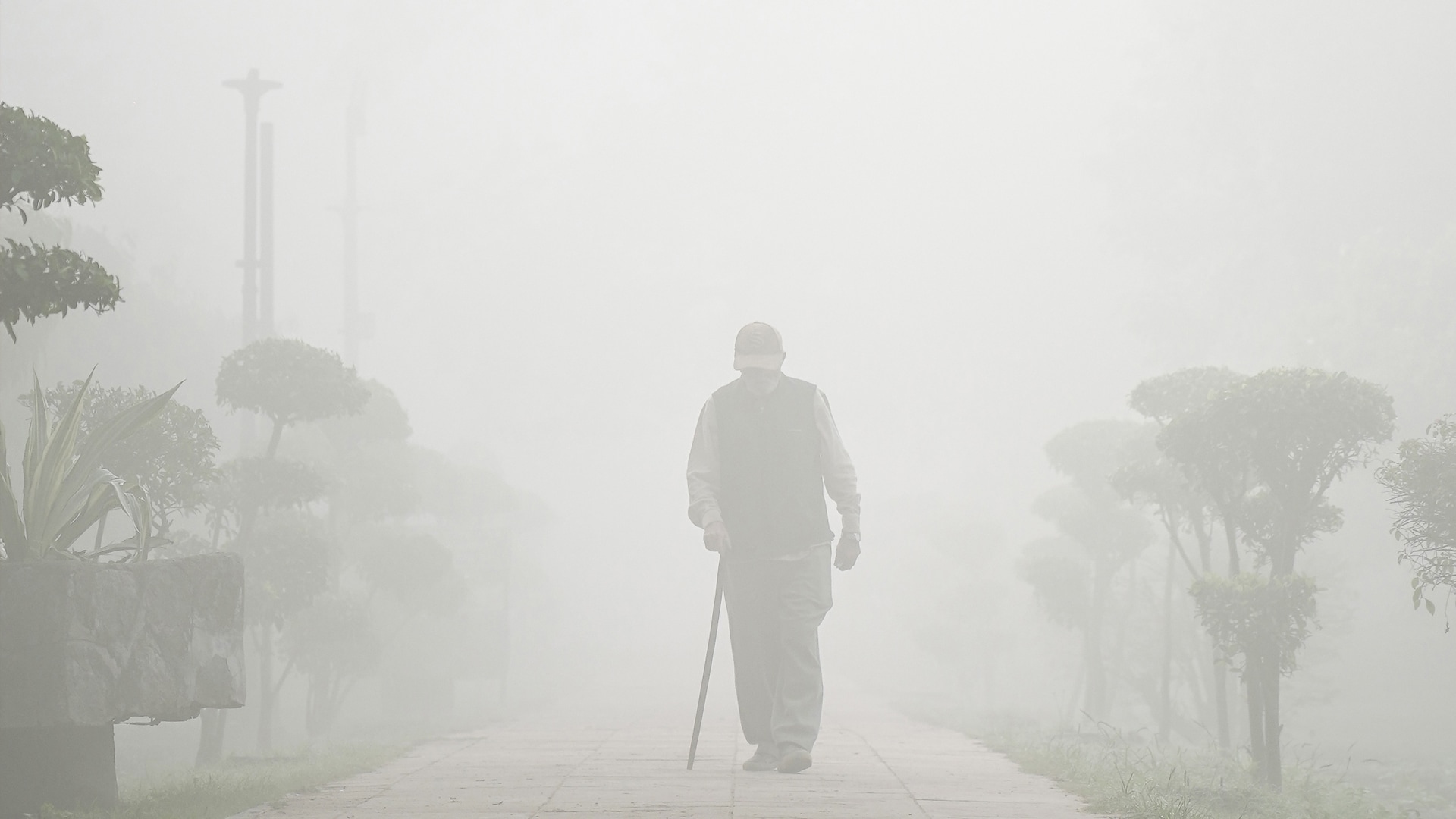
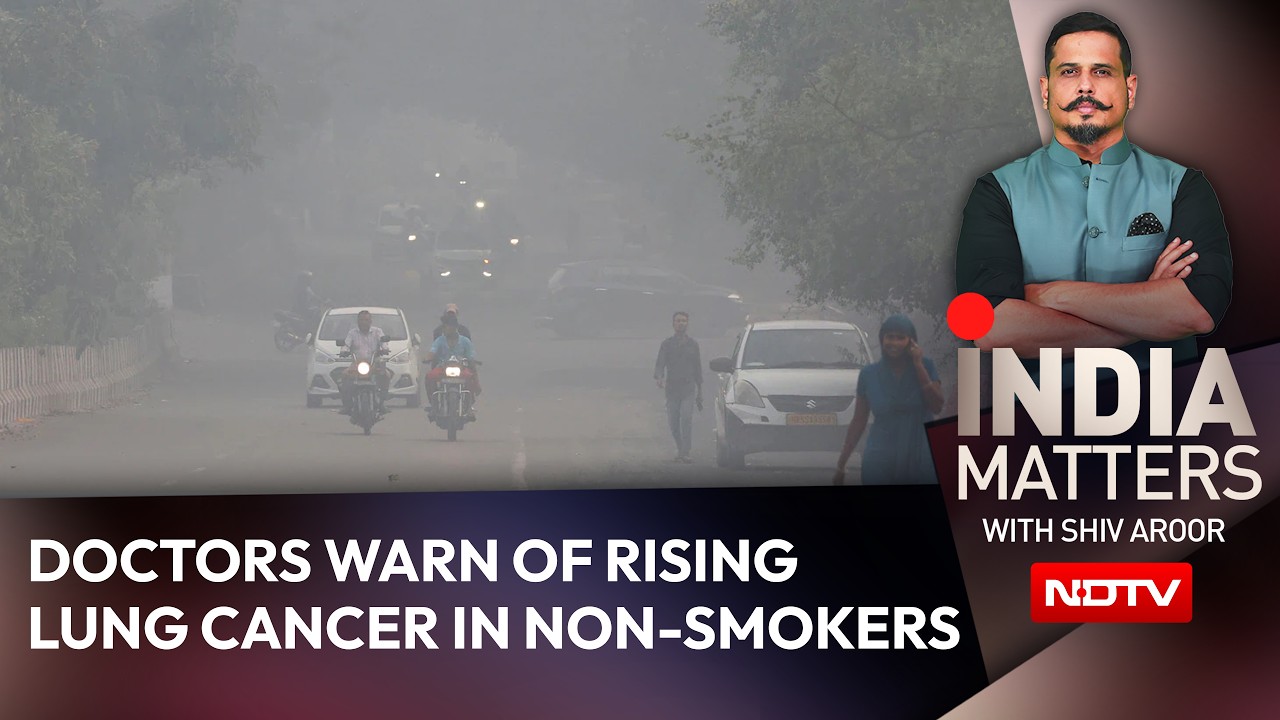
Opinion | Delhi Has Every Pollution Control Policy - Except One That Works
Monday November 09, 2026Every November, Delhi performs the same ritual. We check the AQI before stepping outdoors, children are kept indoors, masks reappear, schools consider shutting, construction is restricted, and emergency meetings are convened. Politicians blame the weather, neighbouring states, farmers, or firecrackers. And then, as the season changes, the urgency d...
दीवाली की चौखट पर दिल्ली में सांसों का संकट: 30 साल की स्टडी ने हरियाली को लेकर क्या बताया?
Thursday November 05, 2026अध्ययन में हरियाली की मात्रा के साथ उसके फैलाव और आपसी जुड़ाव को भी महत्वपूर्ण पाया गया. जिन इलाकों में हरियाली ज्यादा बिखरी हुई थी, वहां सतही तापमान अधिक रहा. इसके विपरीत, बड़े और आपस में जुड़े हरित क्षेत्रों में तापमान कम पाया गया.
Opinion: Why Delhi's Smog Can't Be Fixed From SpaceDavid Fickling, Bloomberg
Monday October 19, 2026The clearest sign that Delhi is on a path to cleaner air would be a decline in the amount of paddy grown nearby, and therefore the acreage liable to be burned each year.
Don't Normalise Air Purifiers As Delhi Chokes | The Reason Why
Thursday December 11, 2025More than 90 cities in the world's top 100 polluting list are in India. With every passing year, the AQI is rising, reaching 'hazardous' levels.
Blog | Well Done, Delhi. You've Turned Lung Sacrifice Into A Badge Of HonourSaikat Kumar Bose
Monday November 10, 2025Till some years back, Delhiites would ask angry questions to those in power about the capitals annual tryst with toxic air. This has changed. Those in the driving seat dont see the need to answer now.



