


- Home/
- Pollution Or Seasonal Allergy? How To Identify What's Triggering Your Cough
Pollution Or Seasonal Allergy? How To Identify What's Triggering Your Cough
Written by Dr Ajay Phadke | Updated: November 04, 2026 23:20 IST
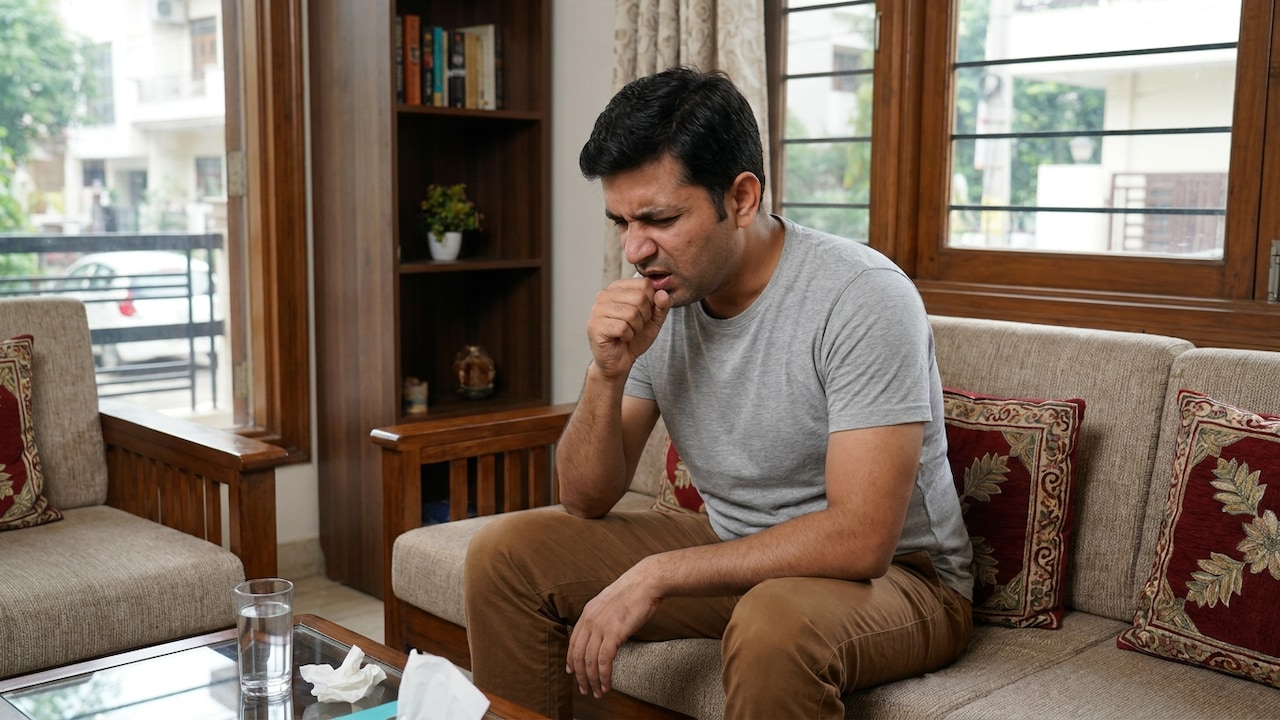
See a doctor if a cough lasts beyond two to three weeks
Highlights
- Winter air pollution causes a rise in cough and respiratory symptoms due to inhaled pollutants
- Pollution cough is dry, worsens outdoors on poor AQI days, and eases indoors with air purifiers
- Seasonal allergies cause sneezing, itchy eyes, runny nose, and return annually with triggers
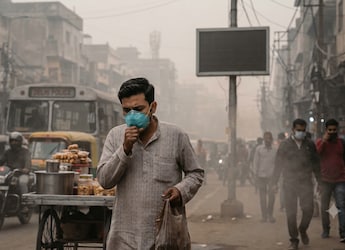
With the onset of the winter season, there is a seasonal rise in air pollution. Inhaling pollutants triggers cough and other respiratory symptoms. When you breathe in polluted air containing particulate matter like PM2.5 and PM10 or irritant gases such as ozone, nitrogen dioxide, and sulfur dioxide, your respiratory tract initiates a series of defence mechanisms. However, a drop in temperature during seasonal change also triggers overlapping symptoms.
Pollution or seasonal allergy: How to spot the difference
A persistent cough at the change of season is usually blamed on pollution or allergies. Both affect the airways, but they are handled differently. So it is worth working out which one it is.
Symptoms of pollution-related cough
Pollution-related cough comes from fine particulate matter, smoke, dust and vehicle exhaust. It is usually a dry cough with throat irritation and burning or watering eyes. Some people also get wheezing or breathlessness. It gets worse after time outdoors on poor AQI days and tends to ease after a day indoors in a closed room with an air purifier. There is usually no fever. People with asthma or COPD often see a flare-up.
There is no truly safe level of pollution. Studies show harm in sensitive groups starting in the moderate AQI band of 51 to 100. A large Korean study of over a million people found that hospital visits for asthma and COPD start rising at a daily PM2.5 of about 24 to 26 micrograms per cubic metre. Indian cities in winter often run at several times that. So a cough on a moderate AQI day can still be pollution.
Symptoms of seasonal allergies
Seasonal allergies are triggered by pollen, dust mites and mould. Sneezing, a runny or blocked nose, itchy eyes and bouts of coughing are typical. The symptoms tend to come back at the same time each year, or after contact with a specific trigger. In some people, the allergy reaches the lower airways and sets off asthma.
Flu and other viral infections
There is a third cause that is often missed. Winter is also the season for flu and other viral infections. Fever, body ache, a sore throat that came on suddenly and coloured sputum point to an infection. These symptoms follow their own course regardless of the AQI.
The lines are not always clean. Pollution makes allergic inflammation worse, and both can be present at the same time. A cough that does not settle when the weather changes, or when you stay indoors, should not be written off as seasonal.
A doctor will start with the history: how long the cough has lasted, when it gets worse, what you are exposed to and any existing conditions. Tests should follow the history. There is no blood test for pollution exposure. What tests do is measure the body's response and rule out the alternatives. For an allergic picture, a CBC with absolute eosinophil count, total IgE and specific IgE for common inhalant allergens such as dust mite, pollen and mould. Where infection is suspected, CRP and a flu or respiratory viral panel. Spirometry if asthma or airway narrowing is suspected, and a chest X-ray for a cough lasting more than three weeks.
See a doctor if a cough lasts beyond two to three weeks, if wheezing keeps coming back, or if the cough disturbs sleep. Breathlessness, chest pain, coughing up blood, sudden difficulty in breathing, or a resting oxygen reading below 94 per cent on a home pulse oximeter need prompt medical attention. In children, fast breathing, the chest pulling in while breathing or refusal to feed are urgent signs. Severe asthma attacks can become life-threatening if not treated in time.
Do not self-medicate with antibiotics, steroids or cough syrups. Identifying the trigger early guides the right treatment and helps cut repeated exposure. A cough may look like a minor seasonal problem, but one that persists or gets worse deserves attention.
(Dr. Ajay Phadke, Director, Agilus Diagnostics)
\r\n
\r\n
Disclaimer: The opinions expressed within this article are the personal opinions of the author. NDTV is not responsible for the accuracy, completeness, suitability, or validity of any information on this article. All information is provided on an as-is basis. The information, facts or opinions appearing in the article do not reflect the views of NDTV and NDTV does not assume any responsibility or liability for the same.
Published: November 04, 2026 23:15 IST
also read
Lung Cancer Is No Longer Just A Smoker's Disease: Why More Non-Smokers And Women Are At Risk
Written by Ambika Singh KahmaGRAP III Imposed In Delhi-NCR Amid Rising Pollution Levels
Indo Asian News ServiceDelhi Air Pollution: Doctor Explains The 'Definitive Link' Between Heart Attacks And Air Pollution
Written by Sneha Mordani
 Reported by Sneha Mordani, Edited by Prapti Upadhayay | Friday November 06, 2026 , New Delhi
Dr Guleria said there is growing evidence, from India and abroad, that living for long in polluted air raises the risk of lung cancer. He said poor air exposes the lungs to mutations, and both lab studies and clinical data suggest the risk rises among non-smokers as well.
- Written by Ambika Singh Kahma | Friday November 06, 2026
Lung cancer cases are rising among women, younger people, and non-smokers, highlighting risks beyond tobacco such as air pollution.
- Written by Vishesh Nagar | Friday November 06, 2026
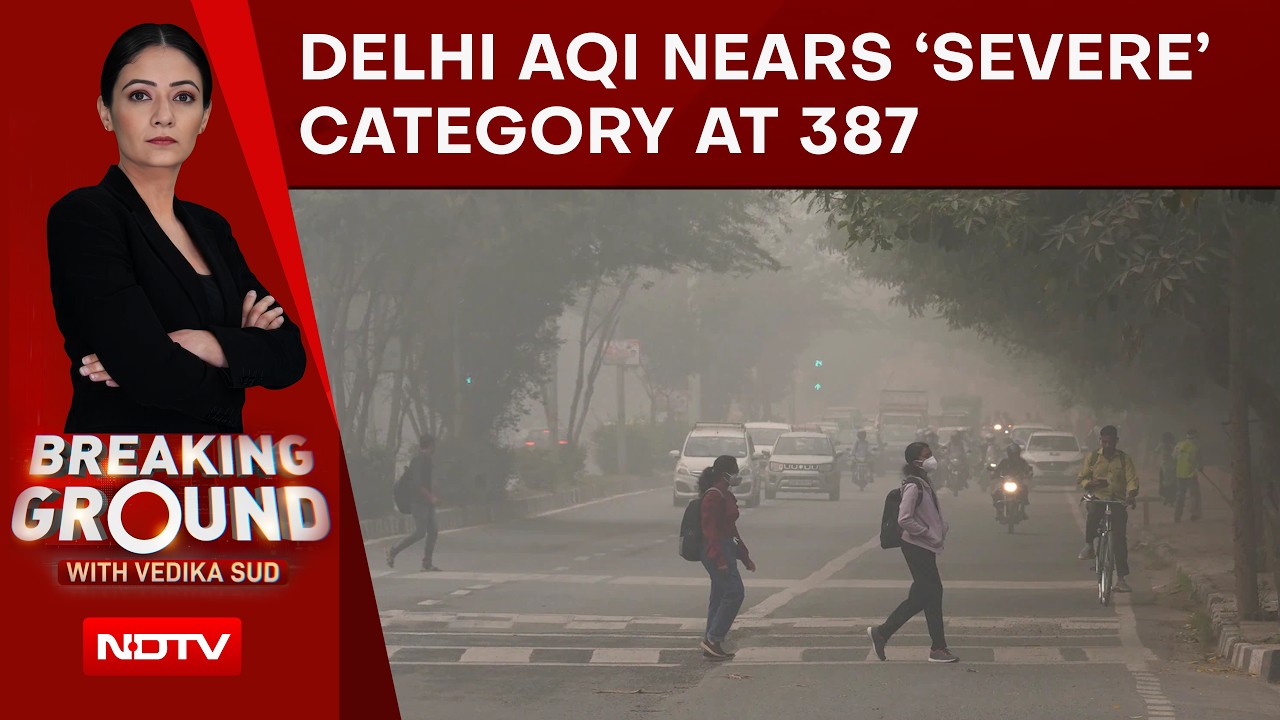
From Delhi's AQI of 275 to Bengaluru's 60, here's how air quality compares across six Indian cities.
- Friday November 06, 2026 , New Delhi
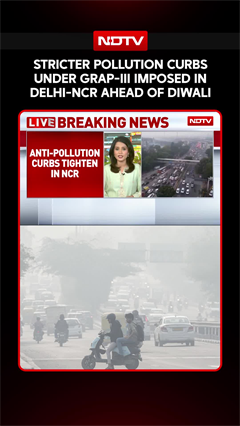
The Commission for Air Quality Management (CAQM) on Friday invoked Stage-III of the Graded Response Action Plan (GRAP) across Delhi and the entire National Capital Region, amid an increase in pollution levels in the National Capital Region (NCR).
- NDTV News Desk | Friday November 06, 2026 , Delhi
While GRAP-III is typically invoked when the air quality turns "severe" and the AQI hits 400, the pollution board invoked it early as a precautionary measure.
................................ Advertisement ................................
दीवाली की चौखट पर दिल्ली में सांसों का संकट: 30 साल की स्टडी ने हरियाली को लेकर क्या बताया?
Thursday November 05, 2026अध्ययन में हरियाली की मात्रा के साथ उसके फैलाव और आपसी जुड़ाव को भी महत्वपूर्ण पाया गया. जिन इलाकों में हरियाली ज्यादा बिखरी हुई थी, वहां सतही तापमान अधिक रहा. इसके विपरीत, बड़े और आपस में जुड़े हरित क्षेत्रों में तापमान कम पाया गया.
Opinion: Why Delhi's Smog Can't Be Fixed From SpaceDavid Fickling, Bloomberg
Monday October 19, 2026The clearest sign that Delhi is on a path to cleaner air would be a decline in the amount of paddy grown nearby, and therefore the acreage liable to be burned each year.
Don't Normalise Air Purifiers As Delhi Chokes | The Reason Why
Thursday December 11, 2025More than 90 cities in the world's top 100 polluting list are in India. With every passing year, the AQI is rising, reaching 'hazardous' levels.
Blog | Well Done, Delhi. You've Turned Lung Sacrifice Into A Badge Of HonourSaikat Kumar Bose
Monday November 10, 2025Till some years back, Delhiites would ask angry questions to those in power about the capitals annual tryst with toxic air. This has changed. Those in the driving seat dont see the need to answer now.
Opinion | Why Indians Have Just Given Up On Air Pollution CrisisTanushree Ganguly
Friday December 20, 2024While some may argue that people in Delhi are now more aware of air pollution than they were a decade back, my rebuttal would be that awareness does not mean that people are concerned.




