- Home/
- Can't Go For Your Daily Run Due To High AQI? Try These 7 Alternatives
Can't Go For Your Daily Run Due To High AQI? Try These 7 Alternatives
Written by Sambhav Kumar | Updated: November 09, 2026 19:22 IST

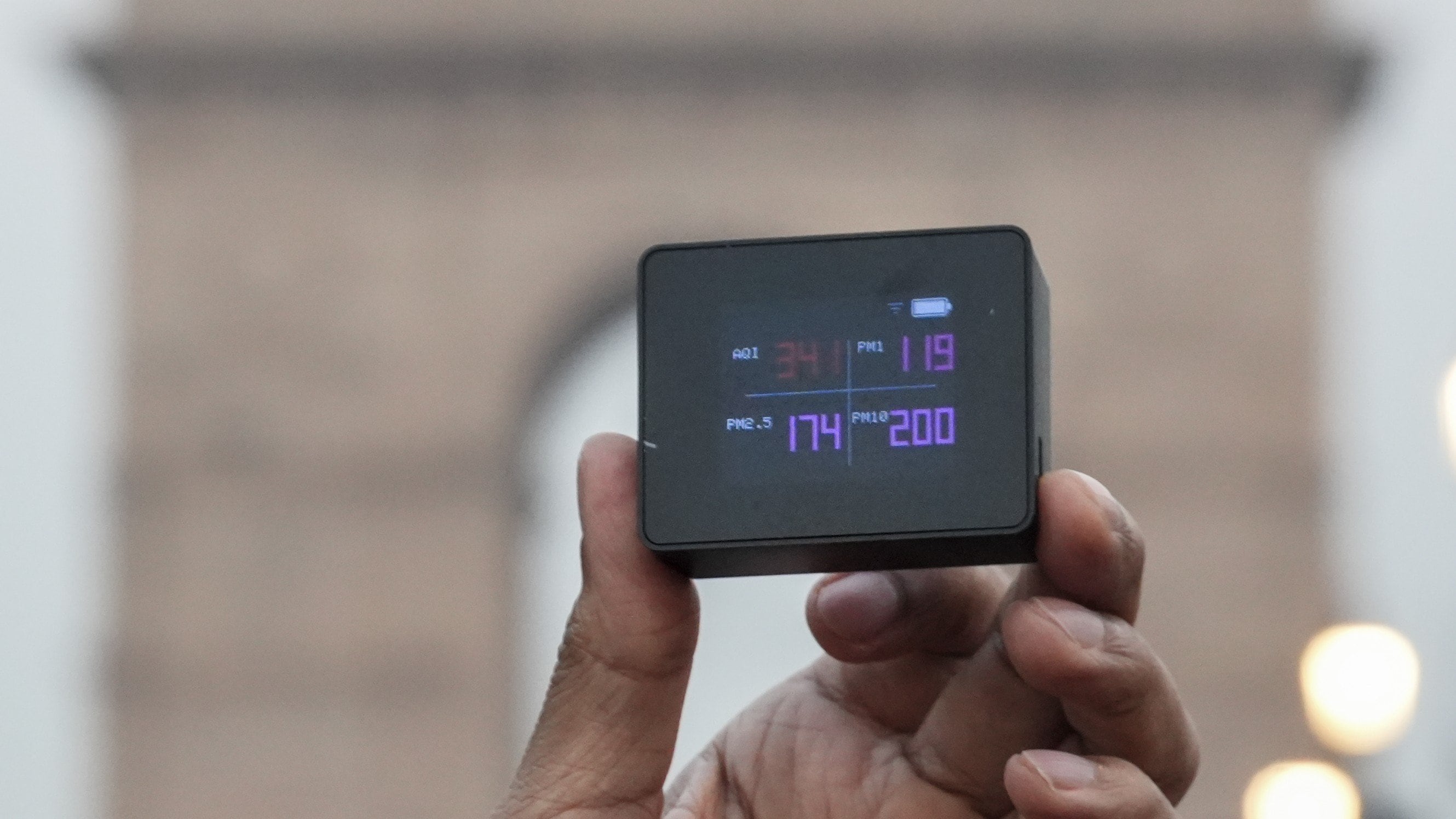
Check the AQI before planning your exercise routine
Highlights
- Running outdoors in high pollution raises exposure to harmful pollutants like PM2.5
- Treadmill running indoors offers a pollution-free alternative with adjustable intensity
- Indoor cycling maintains cardiovascular fitness and engages lower-body muscles
Running is more than a form of exercise for many fitness enthusiasts. Running is part of a routine that helps improve cardiovascular health , keep a healthy weight and manage stress. Running outdoors however may not always be the choice when air pollution rises in Indian cities especially in Delhi-NCR. When the Air Quality Index (AQI) reaches very poor or severe levels running outdoors can raise exposure, to harmful pollutants, especially fine particulate matter (PM2.5). During running breathing becomes faster and deeper so the lungs take in air and possibly more pollutants. Does skipping an outdoor run mean losing fitness goals? Not necessarily. You can keep fitness boost endurance and stay active by switching to indoor workouts and other alternatives. Here are seven exercises you can try when high AQI levels make outdoor running unsafe.
1. Treadmill Running
A treadmill is one of the closest alternatives to outdoor running. It allows you to maintain your usual running routine without exposing yourself to outdoor pollution. You can adjust the speed and incline according to your fitness level, making it suitable for beginners as well as experienced runners. If you usually run for 30 minutes outdoors, you can maintain a similar duration indoors, provided you are comfortable with the intensity. Choose a gym or indoor space with effective air filtration.
2. Indoor Cycling
Indoor cycling is an effective way to maintain cardiovascular fitness when outdoor running is not advisable. It engages the lower-body muscles, including the quadriceps, hamstrings, glutes and calves, while allowing you to control the intensity of your workout. You can begin with 20-30 minutes of moderate cycling and gradually increase the duration or resistance according to your fitness level.
READ | Fighting Air Pollution From Within: What Should You Eat To Protect Your Health?
3. Skipping Rope
Skipping rope is a simple exercise that can help improve cardiovascular endurance, coordination and agility. It also engages several muscle groups, including the calves, shoulders, forearms and core. You can start with short intervals of 30-60 seconds, followed by adequate rest. Repeat the cycle according to your fitness level. However, skipping is a high-impact activity and may not be suitable for people with knee, ankle or other joint problems.
4. Stair Climbing
If you have access to a clean indoor staircase, stair climbing can be a useful alternative to running. It increases your heart rate while engaging the quadriceps, hamstrings, calves and glutes. You can begin with a few rounds and gradually increase the number of flights. Avoid rushing or climbing too quickly, particularly if you are new to this exercise. People with knee problems should consult a healthcare professional before incorporating intensive stair climbing into their routine.
5. High-Intensity Interval Training (HIIT)
High-intensity interval training involves alternating short bursts of intense activity with periods of recovery. A simple indoor HIIT session can include exercises such as jumping jacks, high knees, mountain climbers and bodyweight squats. For beginners, a 20-second activity period followed by 40 seconds of rest can be a reasonable starting point. The intensity should be adjusted according to individual fitness levels. HIIT can help maintain cardiovascular fitness, but it is not necessary to perform it every day. Allow adequate recovery between demanding sessions.
6. Swimming
Swimming is another alternative for people looking to maintain cardiovascular fitness without running outdoors. It engages multiple muscle groups, including the shoulders, back, core and legs. Since water supports body weight, swimming also places less impact on the joints compared with running. You can begin with 15-20 minutes of comfortable swimming and gradually increase the duration. Choose an indoor swimming pool with appropriate ventilation and water-quality standards.
7. Brisk Indoor Walking
If you do not enjoy high-intensity workouts, brisk indoor walking can help you remain active during periods of poor air quality. You can walk on a treadmill, use a spacious indoor walking area or simply move around your home. Walking at a comfortable but purposeful pace can help maintain daily physical activity without placing excessive stress on the joints. Start with 20-30 minutes and gradually increase the duration according to your fitness level.
A Few Precautions To Remember During High AQI
Skipping an outdoor run during periods of high pollution does not mean you have to stop exercising altogether. However, indoor workouts also require some precautions.
- Check the AQI before planning your exercise routine.
- Choose indoor spaces with effective air filtration and adequate ventilation.
- Avoid intense workouts if you experience coughing, wheezing, chest tightness or unusual breathlessness.
- People with asthma and other respiratory conditions should follow their doctor's advice.
- Maintain adequate hydration, sleep and nutrition to support recovery.
\r\n
\r\n
Disclaimer: This content including advice provides generic information only. It is in no way a substitute for a qualified medical opinion. Always consult a specialist or your own doctor for more information. NDTV does not claim responsibility for this information.
Published: November 09, 2026 19:09 IST
also read
Fighting Air Pollution From Within: What Should You Eat To Protect Your Health?
Written by Ambika Singh KahmaHigh AQI And Gym Workouts: Should You Change Your Exercise Routine When Pollution Peaks?
Written by Sambhav KumarDelhi AQI Crosses 400 In Several Areas: Practical Ways To Protect Yourself
Written by Varsha Vats
 Written by Sambhav Kumar | Monday November 09, 2026
High air pollution in Delhi-NCR can make outdoor running unsafe due to increased inhalation of harmful pollutants.
- Written by Ambika Singh Kahma | Monday November 09, 2026
A balanced diet rich in antioxidants, fibre, vitamins, minerals and healthy fats can help support the body's antioxidant defences, immune function and gut health.
- Written by Altaf Hussain | Monday November 09, 2026
Haridwar recorded an AQI of 310, while Kashipur and Rishikesh also reported elevated PM2.5 concentrations after Diwali.
- Written by Sambhav Kumar | Monday November 09, 2026
Exercising during high air pollution requires precautions like reducing intensity and choosing well-ventilated indoor spaces with good air filtration.
- Reported by Anushka Kumari, Edited by Nikita Sharma | Monday November 09, 2026 , New Delhi
At the Akshardham flyover, the Akshardham Temple was barely visible behind a thick blanket of haze.



................................ Advertisement ................................


Opinion | Delhi Has Every Pollution Control Policy - Except One That Works
Monday November 09, 2026Every November, Delhi performs the same ritual. We check the AQI before stepping outdoors, children are kept indoors, masks reappear, schools consider shutting, construction is restricted, and emergency meetings are convened. Politicians blame the weather, neighbouring states, farmers, or firecrackers. And then, as the season changes, the urgency d...
दीवाली की चौखट पर दिल्ली में सांसों का संकट: 30 साल की स्टडी ने हरियाली को लेकर क्या बताया?
Thursday November 05, 2026अध्ययन में हरियाली की मात्रा के साथ उसके फैलाव और आपसी जुड़ाव को भी महत्वपूर्ण पाया गया. जिन इलाकों में हरियाली ज्यादा बिखरी हुई थी, वहां सतही तापमान अधिक रहा. इसके विपरीत, बड़े और आपस में जुड़े हरित क्षेत्रों में तापमान कम पाया गया.
Opinion: Why Delhi's Smog Can't Be Fixed From SpaceDavid Fickling, Bloomberg
Monday October 19, 2026The clearest sign that Delhi is on a path to cleaner air would be a decline in the amount of paddy grown nearby, and therefore the acreage liable to be burned each year.
Don't Normalise Air Purifiers As Delhi Chokes | The Reason Why
Thursday December 11, 2025More than 90 cities in the world's top 100 polluting list are in India. With every passing year, the AQI is rising, reaching 'hazardous' levels.
Blog | Well Done, Delhi. You've Turned Lung Sacrifice Into A Badge Of HonourSaikat Kumar Bose
Monday November 10, 2025Till some years back, Delhiites would ask angry questions to those in power about the capitals annual tryst with toxic air. This has changed. Those in the driving seat dont see the need to answer now.