


- Home/
- Car Emissions, Air Pollution Linked To Higher Dementia Risk: Study
Car Emissions, Air Pollution Linked To Higher Dementia Risk: Study
Indo-Asian News Service | Updated: July 25, 2025 13:12 IST
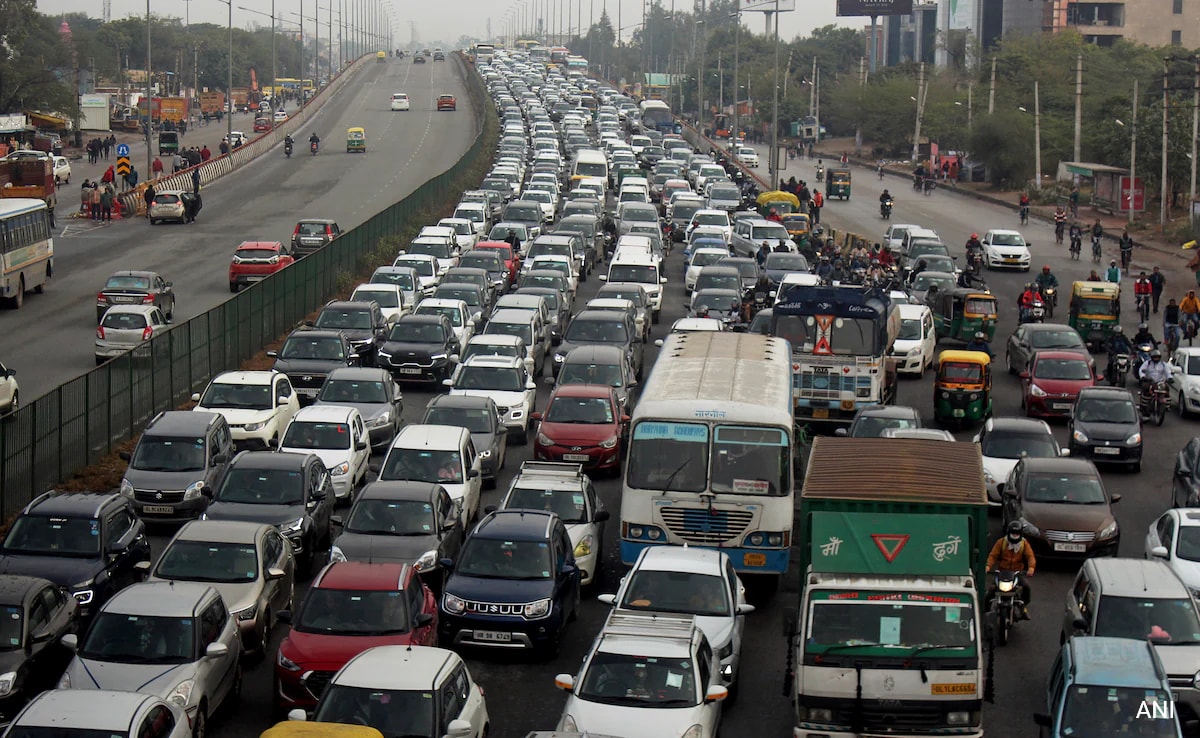
Air pollution causes inflammation in the brain and oxidative stress. (File)
Highlights
- Regular exposure to air pollution raises dementia risk, says new study in The Lancet Planetary Health
- Dementia cases could rise from 57.4 million to 152.8 million by 2050 globally
- Pollutants like Particulate Matter 2.5 and Nitrogen dioxide have a stronger effect on vascular dementia risk
New Delhi:
Regular exposure to air pollution, including that coming from car exhaust emissions, can increased your risk of dementia, according to an analysis of studies published on Friday.
Dementias such as Alzheimer's disease are estimated to affect more than 57.4 million people worldwide, a number that is expected to almost triple to 152.8 million cases by 2050.
The study, published in the journal The Lancet Planetary Health, showed that for every 10 micrograms per cubic metre of PM2.5, an individual's relative risk of dementia would increase by 17 per cent.
For each 1 micrograms per cubic metre of soot as found in PM2.5, the relative risk for the cognitive condition increased by 13 per cent. Soot comes from sources such as vehicle exhaust emissions and burning wood.
"These findings underscore the need for an interdisciplinary approach to dementia prevention. Preventing dementia is not just the responsibility of health care: this study strengthens the case that urban planning, transport policy, and environmental regulation all have a significant role to play," said joint first author Dr. Christiaan Bredell from the University of Cambridge.
Air pollution causes inflammation in the brain and oxidative stress (a chemical process in the body that can cause damage to cells, proteins, and DNA), leading to the onset and progression of dementia.
"Tackling air pollution can deliver long-term health, social, climate, and economic benefits. It can reduce the immense burden on patients, families, and caregivers, while easing pressure on overstretched health care systems," said Dr. Haneen Khreis from the MRC Epidemiology Unit.
For the study, the team carried out a systematic review and meta-analysis of existing scientific literature. They included 51 studies, including data from more than 29 million participants, mostly from high-income countries. Of these, 34 papers were included in the meta-analysis: 15 originated in North America, 10 in Europe, seven in Asia, and two in Australia.
The researchers found a positive and statistically significant association between particulate matter with a diameter of 2.5 microns or less (PM2.5), Nitrogen dioxide (NO2), and soot and dementia.
Further analysis revealed that the effect of exposure to these pollutants was stronger for vascular dementia -- a type of dementia caused by reduced blood flow to the brain.
(Except for the headline, this story has not been edited by NDTV staff and is published from a syndicated feed.)
Published: July 25, 2025 12:54 IST
 Wednesday September 30, 2026 , France
In a new analysis covering the first eight months of 2026, the European Union's Copernicus Climate Atmosphere Monitoring Service (CAMS) highlighted the close relationship between climate change and air pollution.
- Reported by Reet Kaur Sahni | Tuesday September 29, 2026
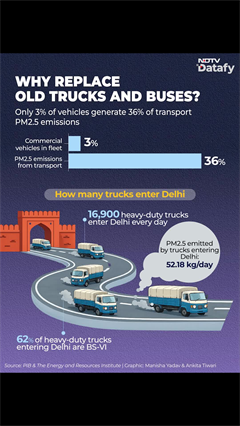
Starting November 1, petrol and diesel vehicles registered outside Delhi and not meeting BS-VI standards will be banned from entering the city, though CNG and electric vehicles are exempt.
- Written by Dr Sabine Kapasi | Tuesday September 29, 2026
Air pollution is often discussed as a cause of respiratory disease, but its effects extend to the heart and blood vessels.
- Edited by Debanish Achom | Monday September 28, 2026 , New Delhi
The steps include doubling parking charges, a complete ban on construction and demolition activity and work-from-home for government and private employees
- Written by Debosmita Ghosh | Friday September 25, 2026
Air purifiers are mainly designed to clean pollutants that are suspended in the air. A HEPA filter can trap very small particles and may help reduce indoor levels of particulate matter, dust, pollen and some other airborne particles. However, the performance of a purifier depends on several factors.

................................ Advertisement ................................

Blog | Well Done, Delhi. You've Turned Lung Sacrifice Into A Badge Of HonourSaikat Kumar Bose
Monday November 10, 2025Till some years back, Delhiites would ask angry questions to those in power about the capitals annual tryst with toxic air. This has changed. Those in the driving seat dont see the need to answer now.
Opinion | Why Indians Have Just Given Up On Air Pollution CrisisTanushree Ganguly
Friday December 20, 2024While some may argue that people in Delhi are now more aware of air pollution than they were a decade back, my rebuttal would be that awareness does not mean that people are concerned.
Opinion | You Must Outrage Over Filthy Air More Than Once A YearJyoti Pande Lavakare
Tuesday December 10, 2024Delhi welcomed us with monsoon rains and mangos. We were home. Fast forward a couple of years, in the winter of 2012, I found myself in denial about something other parents, mostly expats, were calling toxic air.
Opinion | Delhi's Air Pollution Situation Is Like A Bad MarriageNishtha Gautam
Friday November 22, 2024On a good day, such as today, the AQI reading in Delhi is 407. We are jubilant at the sickly sunshine trickling through the slightly dissipated smog. At least its not 1600.
दिवाली... पराली... सियासी जुगाली!Ashwini kumar
Monday November 18, 2024दिल्ली-एनसीआर में प्रदूषण का समाधान तो आज तक मिला नहीं. हर साल चिंतित होकर हम-आप सांसों की तकलीफ के साथ-साथ दिल और ब्लड प्रेशर के मरीज भी क्यों बनें?


