


- Home/
- Delhi's Toxic Winter Air May Carry Drug-Resistant Superbugs, Study Warns
Delhi's Toxic Winter Air May Carry Drug-Resistant Superbugs, Study Warns
Written by Shreya Goswami | Updated: January 07, 2026 11:26 IST
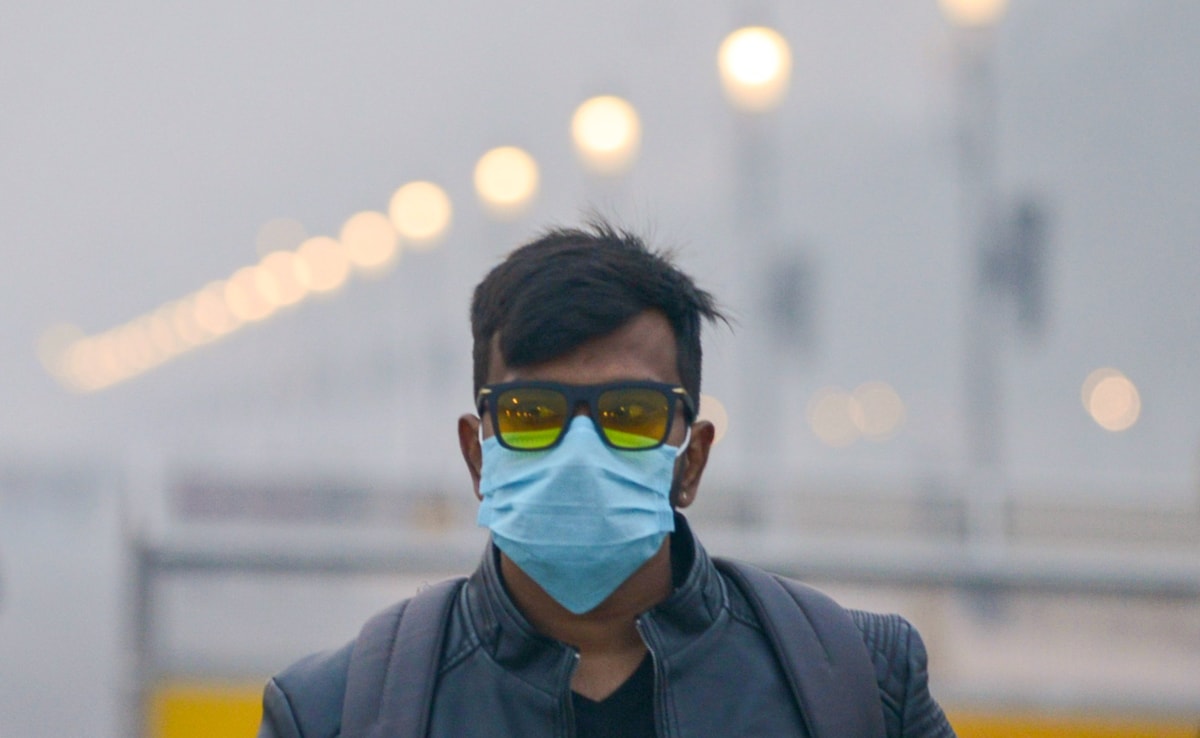
Delhi's long battle with poor air quality may now have added an even more alarming dimension. A new study from researchers at Jawaharlal Nehru University (JNU) reveals that the city's toxic winter smog is not just heavy with particulate pollution, it may also carry drug-resistant bacteria, or "superbugs", in both outdoor and indoor air. The research, published in Nature - Scientific Reports, found levels of airborne bacteria, particularly staphylococci, that exceed the World Health Organization's recommended exposure limits by more than 16-fold in some winter samples.
Many of these bacteria were methicillin-resistant and resistant to multiple antibiotic classes, raising concerns about the potential for hard-to-treat respiratory and systemic infections in people inhaling polluted air across the national capital.
This finding comes against the backdrop of Delhi's historic struggle with winter smog, seasonal peaks in particulate matter (PM2.5 and PM10) that not only aggravate asthma and cardiovascular disease but now may act as vehicles for antimicrobial resistance (AMR). Public health experts warn this adds a new layer of threat to residents already coping with some of the worst air pollution in the world.
Delhi's Air and Superbugs: What the Study Found
1. Airborne Bacteria Far Above Safe Limits
The JNU study collected air samples from indoor and outdoor urban environments across multiple Delhi locations, including markets, residential areas and even a sewage treatment plant. Across all seasons, researchers detected staphylococcal bacteria concentrations far above the WHO safety threshold of 1,000 colony-forming units (CFU) per cubic metre, in winter rising to over 16,000 CFU/m3.
This indicates that Delhi's atmosphere carries a microbial load far heavier than what is considered safe for human exposure, especially during the winter months when smog traps pollutants and bioaerosols close to ground level.
2. Drug Resistance: A Serious Public Health Concern
Perhaps the most concerning aspect of the study was the antibiotic resistance profile of the bacteria. Researchers identified methicillin-resistant staphylococci (MRS), many of which showed multidrug resistance (MDR) to several frontline antibiotic classes such as macrolides, beta-lactams and gentamicin.
Genotypic tests confirmed the presence of antibiotic resistance genes (ARGs), including mecA, which is linked to methicillin resistance, a hallmark of tough-to-treat bacterial strains.
Also Read: What Are Superbugs? The Bacteria Behind India's Antibiotic Resistance Crisis, Explained
Why Winter Pollution Elevates the Risk
The study noted that drug-resistant bacteria levels peaked in winter, correlating with the season's notorious smog episodes. Several environmental factors likely contribute:
- Poor dispersion of air during winter traps pollutants and microbes near the ground.
- High particulate matter levels provide surfaces that bacteria can adhere to, aiding their survival and transport.
- Lower humidity and cooler temperatures help some microbes persist longer in airborne form.
In contrast, monsoon rains appeared to wash away outdoor bacterial contamination, reducing airborne loads significantly during the wet season.
Health Implications of Airborne Superbugs
Breathing in antibiotic-resistant bacteria does not automatically guarantee infection, but it increases the chance that exposure could lead to difficult-to-treat infections, especially if the bacteria enter the body through respiratory tracts or wounds.
Those most at risk include:
- Children and infants whose immune systems are still developing
- Elderly individuals with weaker immunity
- People with chronic lung diseases such as asthma or COPD
- Individuals with compromised immune systems
- Persons with open wounds or recent surgeries
For these groups, contact with resistant bacteria can lead to serious infections that respond poorly to standard antibiotic therapy, complicating treatment and increasing hospitalisation risks.
Also Read: Severe AQI And Air Pollution: 10 Dangerous Myths That Are Harming You Daily
Public Health and Policy Challenges
Antimicrobial resistance (AMR) is already recognised as one of the most pressing global health threats. Traditionally tracked through clinical infections and hospital data, this study highlights that the environment itself, particularly polluted urban air, may serve as a reservoir and vector for resistance.
Researchers recommend:
- Systematic environmental monitoring of antibiotic-resistant microbes
- Inclusion of AMR surveillance in air quality data
- Integrated public health strategies that address pollution, antibiotic misuse and waste management together
The JNU study's findings represent a stark warning: Delhi's toxic winter air is not only laden with particles that harm the heart and lungs, but it may also carry drug-resistant bacteria capable of complicating infections and undermining antibiotic treatments. As air pollution continues to impact millions of residents each year, understanding and mitigating this newly highlighted microbial risk must become part of the city's public health strategy. Comprehensive monitoring, cleaner air initiatives and prudent antibiotic use remain crucial to safeguarding health in one of the world's most polluted capitals.
Disclaimer: This content, including advice, provides generic information only. It is in no way a substitute for a qualified medical opinion. Always consult a specialist or your own doctor for more information.
Published: January 07, 2026 11:18 IST
also read
 Written by Dr Pranay Sai Chandragiri | Saturday May 23, 2026
Research shows that high temperatures can worsen air pollution, increase ground-level ozone, trap harmful particles in the air, and trigger breathing emergencies. People with existing lung diseases are among the most vulnerable.
- Tuesday May 19, 2026
Pollution Curbs Under GRAP-I Imposed In Delhi-NCR In May As AQI Turns 'Poor'
- Thursday May 14, 2026 , New Delhi
The air quality was recorded in the 'moderate' category at 154. In the morning hours, the AQI stood at 134, the Central Pollution Control Board (CPCB) data showed.
- Edited by Ritu Singh | Monday May 11, 2026
A single algae tree unit is claimed to be as effective as 25 adult trees in absorbing carbon dioxide and releasing oxygen.
- Edited by Srishti Singh Sisodia | Thursday May 07, 2026
As plastic tumbles against itself, it fragments, and a new study shows those fragments don't stay in the water.


................................ Advertisement ................................




Blog | Well Done, Delhi. You've Turned Lung Sacrifice Into A Badge Of HonourSaikat Kumar Bose
Monday November 10, 2025Till some years back, Delhiites would ask angry questions to those in power about the capitals annual tryst with toxic air. This has changed. Those in the driving seat dont see the need to answer now.
Opinion | Why Indians Have Just Given Up On Air Pollution CrisisTanushree Ganguly
Friday December 20, 2024While some may argue that people in Delhi are now more aware of air pollution than they were a decade back, my rebuttal would be that awareness does not mean that people are concerned.
Opinion | You Must Outrage Over Filthy Air More Than Once A YearJyoti Pande Lavakare
Tuesday December 10, 2024Delhi welcomed us with monsoon rains and mangos. We were home. Fast forward a couple of years, in the winter of 2012, I found myself in denial about something other parents, mostly expats, were calling toxic air.
Opinion | Delhi's Air Pollution Situation Is Like A Bad MarriageNishtha Gautam
Friday November 22, 2024On a good day, such as today, the AQI reading in Delhi is 407. We are jubilant at the sickly sunshine trickling through the slightly dissipated smog. At least its not 1600.
दिवाली... पराली... सियासी जुगाली!Ashwini kumar
Monday November 18, 2024दिल्ली-एनसीआर में प्रदूषण का समाधान तो आज तक मिला नहीं. हर साल चिंतित होकर हम-आप सांसों की तकलीफ के साथ-साथ दिल और ब्लड प्रेशर के मरीज भी क्यों बनें?


