


- Home/
- Cardiologist Shares Essential Tips To Survive Delhi's High Pollution Levels
Cardiologist Shares Essential Tips To Survive Delhi's High Pollution Levels
Written by Varsha Vats | Updated: December 02, 2025 16:41 IST
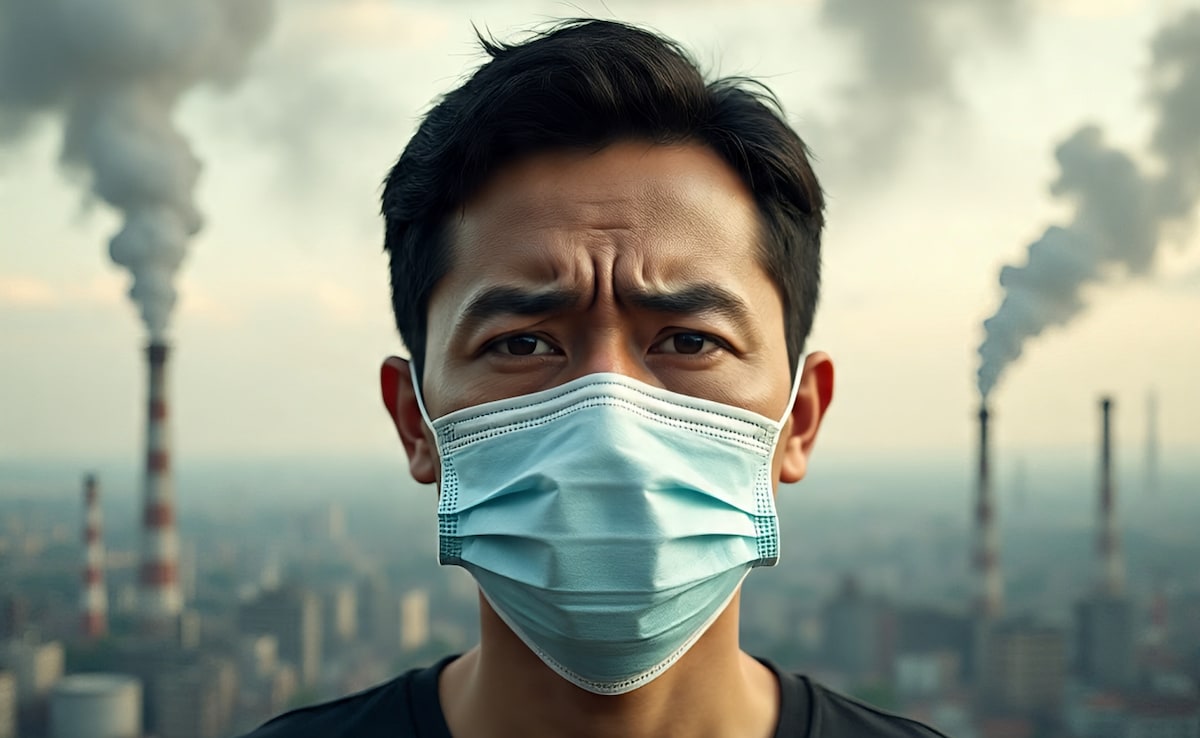
Image used for representative purpose only
The Air Quality Index (AQI) in Delhi is 378, indicating Hazardous air quality right now. During certain times of the year, particularly in winter, several factors contribute to dangerously high AQI levels in Delhi and nearby areas. This deterioration in air quality poses significant health hazards for the population. Children, the elderly, and those with preexisting health conditions are particularly vulnerable. Excessive exposure to pollutants can increase the risk of asthma, bronchitis, and other chronic respiratory diseases. Studies indicate that long-term exposure to polluted air is associated with an increased risk of heart attacks, strokes, and hypertension. Additionally, air pollution can negatively affect brain health, potentially leading to cognitive decline and conditions like dementia.
High levels of pollution are also linked to premature mortality, particularly from respiratory and cardiovascular diseases. Dr. Alok Chopra, a renowned cardiologist, recently shared some tips on Instagram to help you stay safe during high-pollution levels.
Fight air pollution with these expert tips
"Today, we are breathing some of the most toxic air on this planet, but this doesn't happen suddenly. This has been a reality for almost a decade. What troubles me most is how normal everyone has made it. People have stopped wearing masks. Children still go to school even on hazardous days. We look around and think, if nobody else is doing anything, why should I?" Dr. Chopra highlighted in the video.
"Let me say this clearly, this is not normal, and it should never be treated like this. As a doctor, here's what I would advise you to do right now to protect yourself during this severe air pollution," he added.
1. Learn the basics for protection
- Wear an N95 mask every time you step out
- Keep the children and elderly indoors as much as possible
- Use an air purifier, especially at night
- Avoid outdoor exercise
- Stay well hydrated
2. Anti-pollution supplements
Dr. Chopra recommends that taking anti-pollution supplements can help mitigate the risk associated with air pollution exposure. "Use targeted supplements to fight inflammation and oxidative stress"
The expert recommends some essential combinations, including:
- Vitamin C and vitamin E (these are two powerful antioxidants)
- Curcumin (active compound in turmeric)
- Quercetin (potent antioxidant and anti-inflammatory compound)
- Beta-carotene
- Sulforaphane
- B-complex vitamins
- Vitamin D
Dr. Chopra also recommends that individuals increase their omega-3 fatty acid and N-acetyl cysteine (NAC) intake during high pollution days.
3. Pollution-fighting foods
According to Dr. Chopra, there are certain foods that can help mitigate the effects of pollutants on the body. These include lemon, turmeric, spinach, grapes, avocados, nuts, pomegranate and kiwis.
4. Improve the air inside the home
Many indoor plants can help naturally purify the air. Snake plants, spider plants, money plant, aloe vera and rubber plant are some of these. "Also use a humidifier, especially if oxygen support is needed," he said. Invest in a quality air purifier with a HEPA filter to remove particulate matter and other pollutants from the indoor air. Also, "ventilate your homes by opening windows, strategically when AQI is lower," Dr. Chopra advised.
5. Things you must avoid
- Do not light candles or incense
- Avoid smoking or vaping
- Don't burn wood or trash
- Stop using aerosol sprays
- No indoor smoking
6. Monitor AQI
Keep an eye on AQI updates using apps or websites. This helps you plan your outdoor activities, especially during times when pollution levels are high.
Since air pollution levels are dangerously high these days, follow these tips to protect your health. Also, seek medical help if you notice any symptoms.
Disclaimer: This content including advice provides generic information only. It is in no way a substitute for a qualified medical opinion. Always consult a specialist or your own doctor for more information. NDTV does not claim responsibility for this information.
Published: December 02, 2025 16:35 IST
also read
 Written by Ambika Singh Kahma | Friday June 19, 2026
NDTV Lifeline's first episode gives India a wake-up call to recognise sleep apnea as a critical public health issue
- Reported by Ishika Verma | Friday June 19, 2026 , New Delhi
The measures, outlined under a newly notified winter air quality management framework, are intended to help authorities, businesses and residents prepare in advance for the period between November and February, when Delhi's air quality typically dete
- Edited by Nikhil Pandey | Friday June 19, 2026
An unprecedented Ukrainian drone strike on a major Moscow oil refinery has caused a bizarre environmental crisis, with oily "black rain" falling over parts of the Russian capital.
- Written by Dr Anindita Singh | Monday June 15, 2026
From a clinical point of view, infertility often develops quietly, without noticeable symptoms, especially in the early stages, and the whole process can look normal from the outside.
- Written by Shreya Goswami | Monday June 15, 2026
Naseeruddin Shah's moving portrayal of a man with dementia in Imtiaz Ali's latest movie highlights the emotional and practical challenges faced by caregivers.





................................ Advertisement ................................

Blog | Well Done, Delhi. You've Turned Lung Sacrifice Into A Badge Of HonourSaikat Kumar Bose
Monday November 10, 2025Till some years back, Delhiites would ask angry questions to those in power about the capitals annual tryst with toxic air. This has changed. Those in the driving seat dont see the need to answer now.
Opinion | Why Indians Have Just Given Up On Air Pollution CrisisTanushree Ganguly
Friday December 20, 2024While some may argue that people in Delhi are now more aware of air pollution than they were a decade back, my rebuttal would be that awareness does not mean that people are concerned.
Opinion | You Must Outrage Over Filthy Air More Than Once A YearJyoti Pande Lavakare
Tuesday December 10, 2024Delhi welcomed us with monsoon rains and mangos. We were home. Fast forward a couple of years, in the winter of 2012, I found myself in denial about something other parents, mostly expats, were calling toxic air.
Opinion | Delhi's Air Pollution Situation Is Like A Bad MarriageNishtha Gautam
Friday November 22, 2024On a good day, such as today, the AQI reading in Delhi is 407. We are jubilant at the sickly sunshine trickling through the slightly dissipated smog. At least its not 1600.
दिवाली... पराली... सियासी जुगाली!Ashwini kumar
Monday November 18, 2024दिल्ली-एनसीआर में प्रदूषण का समाधान तो आज तक मिला नहीं. हर साल चिंतित होकर हम-आप सांसों की तकलीफ के साथ-साथ दिल और ब्लड प्रेशर के मरीज भी क्यों बनें?


