


- Home/
- Centre's Action Plan To Curb Air Pollution In Delhi Comes Into Effect Early
Centre's Action Plan To Curb Air Pollution In Delhi Comes Into Effect Early
Press Trust of India | Updated: September 18, 2024 22:00 IST

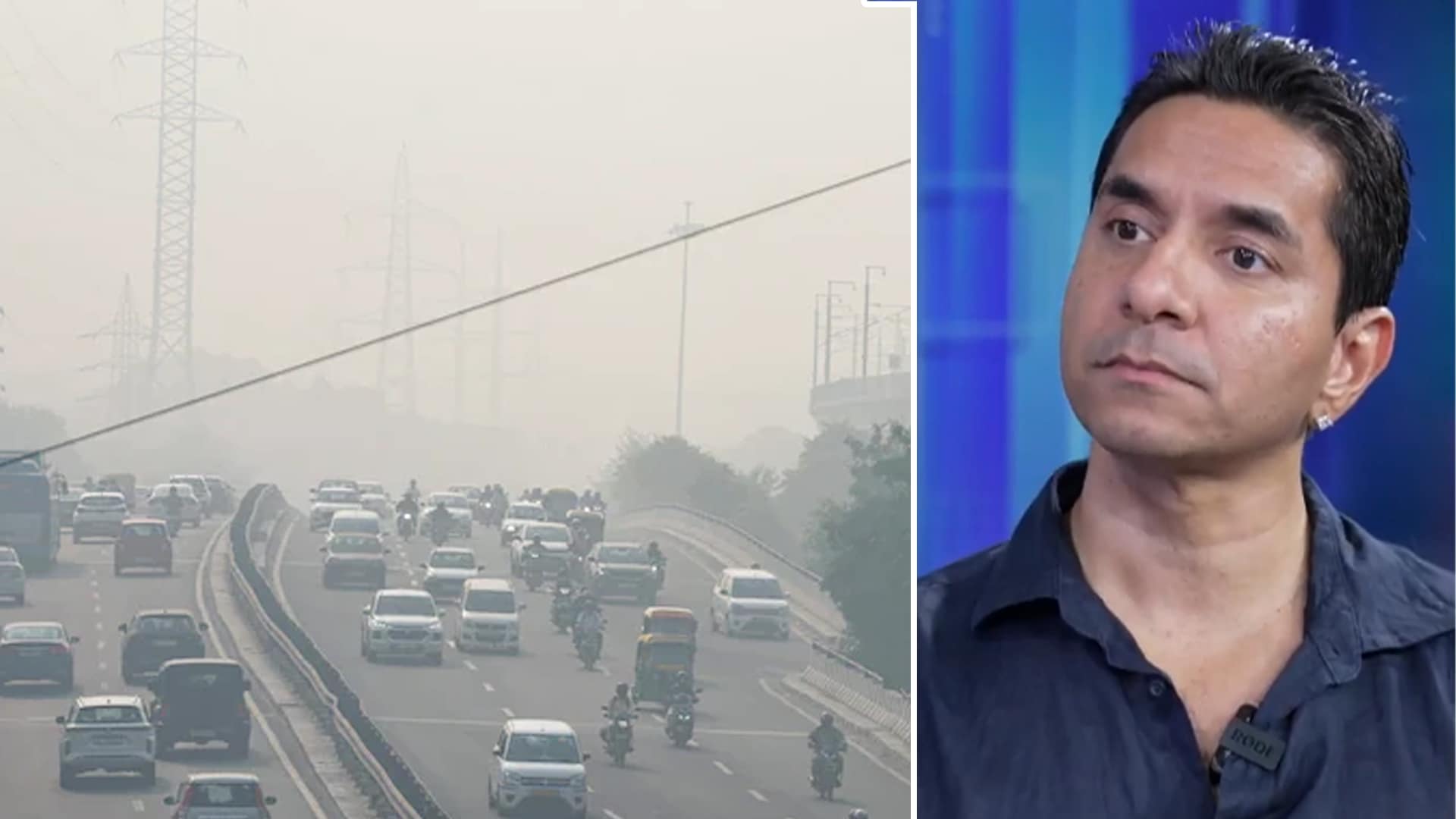
The restrictions will not apply to buses or tempo travellers with an all-India tourist permit (File)
New Delhi:
The Graded Response Action Plan (GRAP) -- a set of emergency measures to control air pollution in the Delhi-NCR region during winter -- has come into effect earlier than the usual date of October 1, according to officials.
The Commission for Air Quality Management, an autonomous body responsible for preparing the strategy to improve air quality in Delhi and nearby areas, said on Wednesday that polluting buses from NCR states will not be allowed to enter Delhi if the city's air quality index (AQI) reaches Stage III -- 'Severe' (AQI between 401 and 450).
Exceptions will be made for CNG, BS VI, and electric buses.
The restrictions will not apply to buses or tempo travellers with an all-India tourist permit.
GRAP is categorised into four stages based on Delhi's air quality: Stage I -- 'Poor' (AQI 201-300); Stage II -- 'Very Poor' (AQI 301-400); Stage III -- 'Severe' (AQI 401-450); and Stage IV -- 'Severe Plus' (AQI >450).
On Wednesday, Delhi's AQI was 115 (Moderate).
(Except for the headline, this story has not been edited by NDTV staff and is published from a syndicated feed.)
Published: September 18, 2024 21:29 IST
also read
 Friday November 06, 2026
Delhi's air quality worsened to an AQI of 391, nearing severe levels, with 30 out of 59 stations reporting severe pollution on Friday.
- Friday November 06, 2026 , New Delhi
The forecast comes amid the ongoing peak stubble-burning period in the National Capital Region, while firecracker emissions due to Diwali could further add to the pollution load.
- Written by Shreya Goswami | Friday November 06, 2026
The central finding of the FICCI-EY report, Clean Air, Healthy India, is that air pollution must be treated as a public-health emergency and a development challenge, not merely an environmental problem.
- Reported by Ishika Verma | Friday November 06, 2026
In Dwarka, the misting network now stretches 11.8 km. It includes a new 3-km section with 66 poles in Sector 8, connected to the existing system along major roads.
- Reported by Gurpreet Singh Chhina | Friday November 06, 2026 , Chandigarh
Jarnail Singh maintained that the date-related issue was a minor technical error and did not invalidate the pollution readings displayed in Mohali

................................ Advertisement ................................
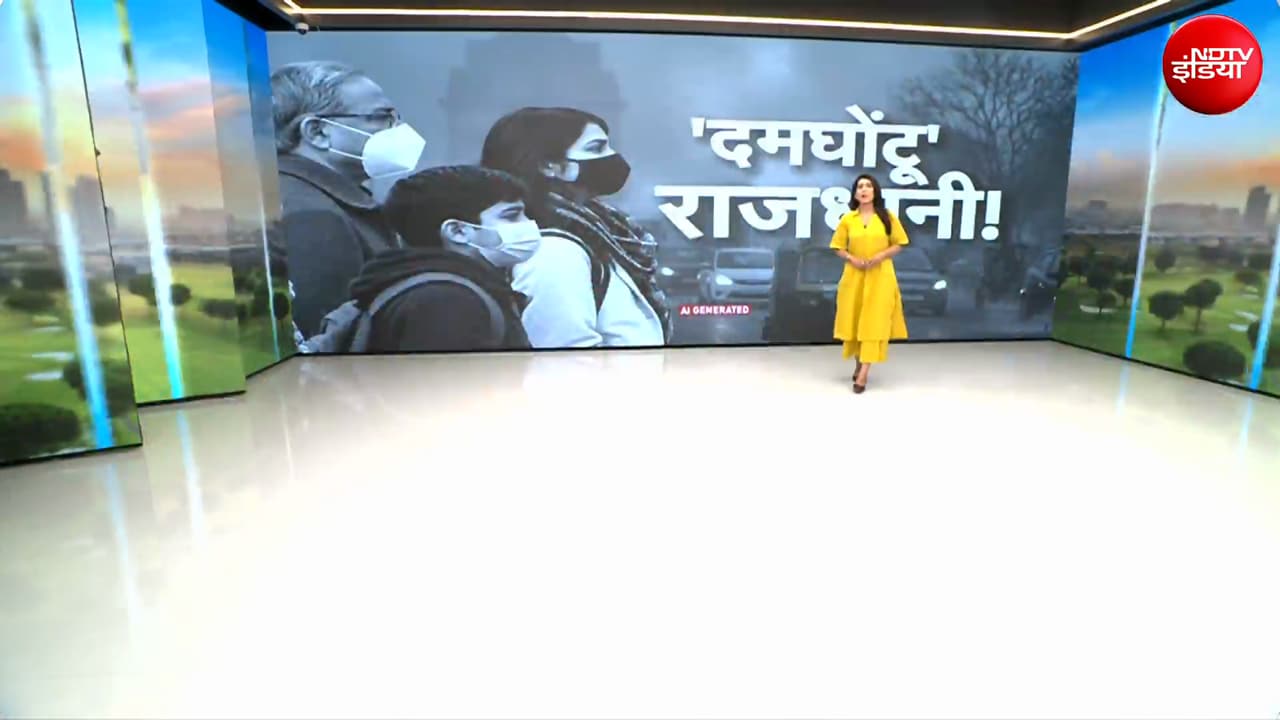
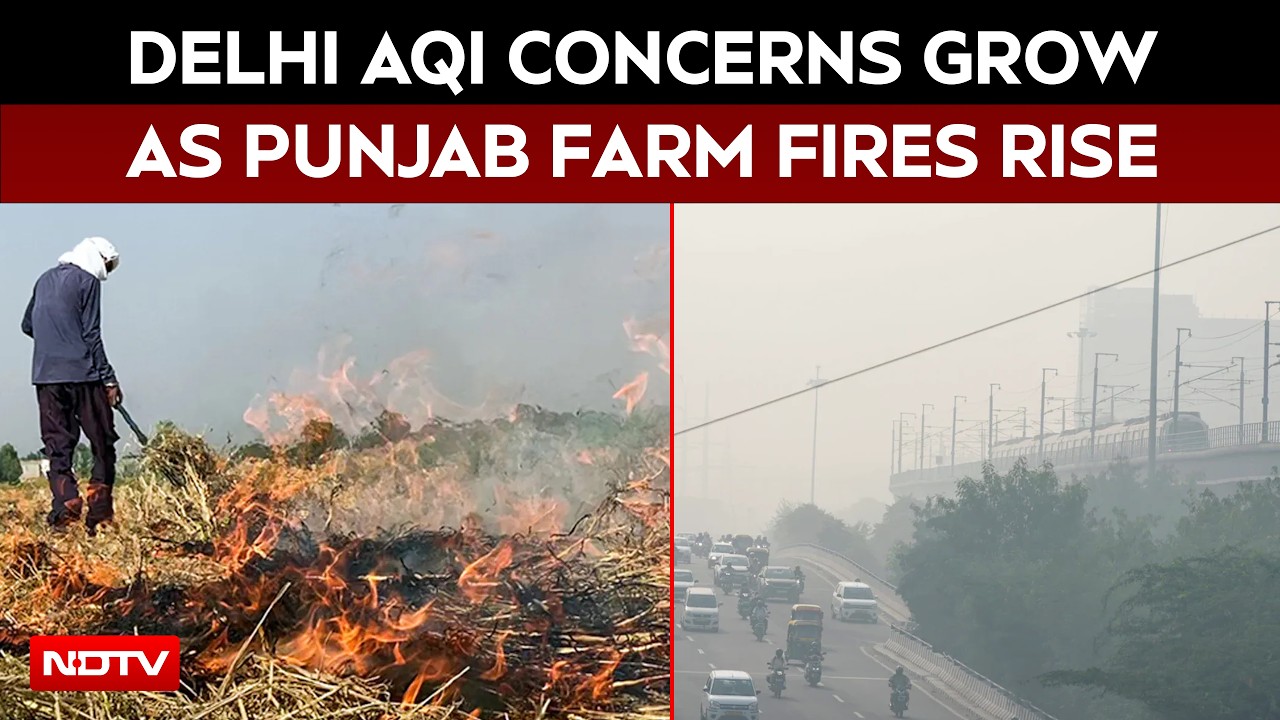
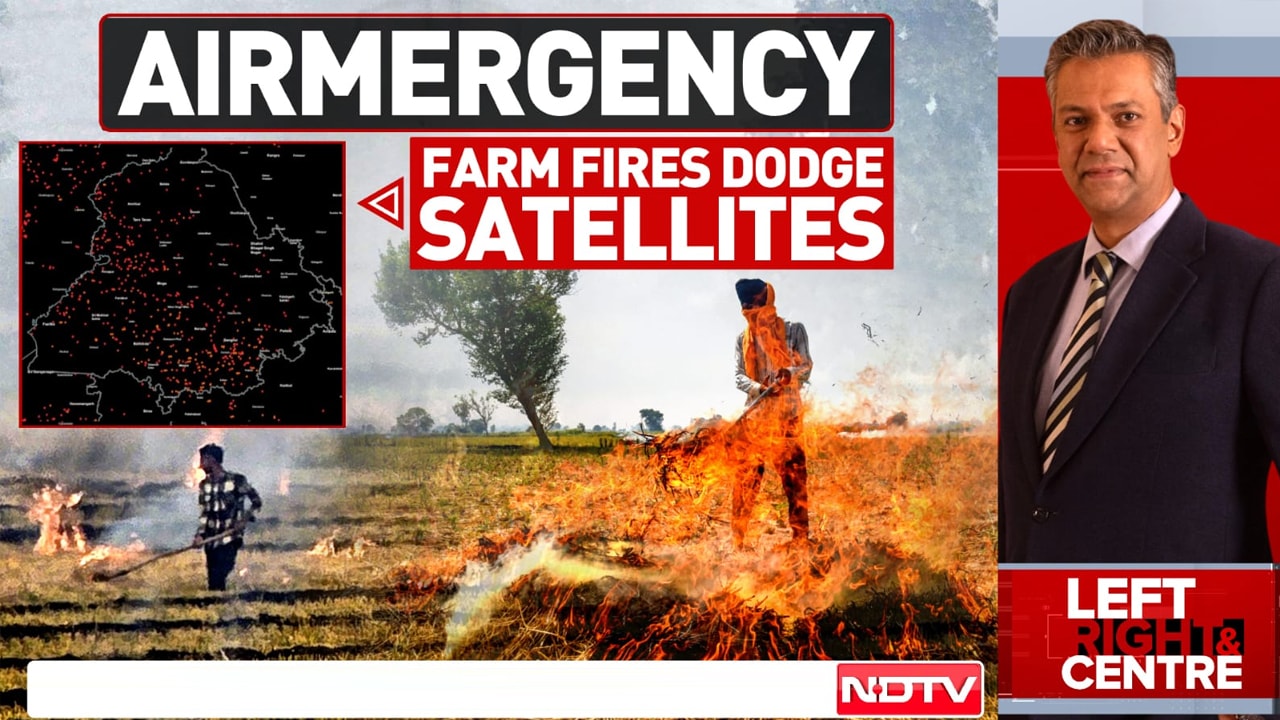
दीवाली की चौखट पर दिल्ली में सांसों का संकट: 30 साल की स्टडी ने हरियाली को लेकर क्या बताया?
Thursday November 05, 2026अध्ययन में हरियाली की मात्रा के साथ उसके फैलाव और आपसी जुड़ाव को भी महत्वपूर्ण पाया गया. जिन इलाकों में हरियाली ज्यादा बिखरी हुई थी, वहां सतही तापमान अधिक रहा. इसके विपरीत, बड़े और आपस में जुड़े हरित क्षेत्रों में तापमान कम पाया गया.
Opinion: Why Delhi's Smog Can't Be Fixed From SpaceDavid Fickling, Bloomberg
Monday October 19, 2026The clearest sign that Delhi is on a path to cleaner air would be a decline in the amount of paddy grown nearby, and therefore the acreage liable to be burned each year.
Don't Normalise Air Purifiers As Delhi Chokes | The Reason Why
Thursday December 11, 2025More than 90 cities in the world's top 100 polluting list are in India. With every passing year, the AQI is rising, reaching 'hazardous' levels.
Blog | Well Done, Delhi. You've Turned Lung Sacrifice Into A Badge Of HonourSaikat Kumar Bose
Monday November 10, 2025Till some years back, Delhiites would ask angry questions to those in power about the capitals annual tryst with toxic air. This has changed. Those in the driving seat dont see the need to answer now.
Opinion | Why Indians Have Just Given Up On Air Pollution CrisisTanushree Ganguly
Friday December 20, 2024While some may argue that people in Delhi are now more aware of air pollution than they were a decade back, my rebuttal would be that awareness does not mean that people are concerned.




